Oseong Market: Sokcho's Seafood and Street Food Haven
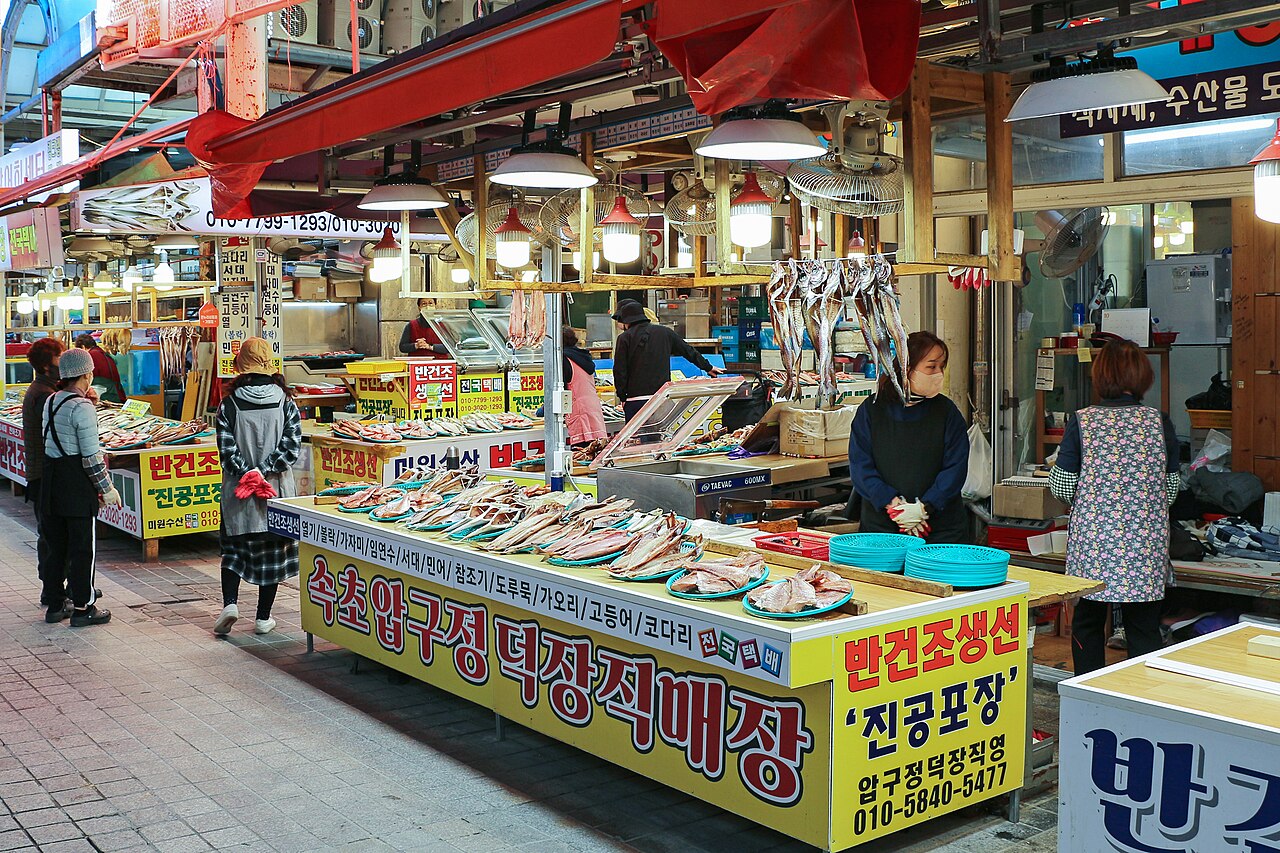
Oseong Market in Sokcho is a bustling traditional market famous for its fresh East Sea seafood, gejang (raw marinated crab), and local snacks like Sokcho-style sundae. Located near the coast, it captures the culinary identity of this gateway city to Seoraksan National Park.
Photo: Wikipedia Commons
What Is Oseong Market?
Oseong Market (오성시장) is one of Sokcho's main traditional markets, located in the centre of the city. It is smaller and more local in character than the nearby Jungang Market, which caters more to tourists. Oseong is where Sokcho residents shop for daily groceries, fresh fish, dried seafood, and local specialty products. The market has a covered alley structure with a mix of fresh produce vendors, fishmongers, and prepared food stalls.
History & Significance
Sokcho's identity as a coastal city on the East Sea has always been tied to its fishing industry. The waters off Sokcho are rich in squid, crab, pollack, and sea cucumber, and markets like Oseong have served as distribution points for the catch since the mid-20th century. Sokcho also has a unique demographic history — it absorbed many North Korean refugees after the Korean War, and their culinary traditions, including specific ways of preparing sundae and crab dishes, became embedded in local food culture.
What to See & Do
The street food in the market alleys is the main draw: Sokcho-style sundae (blood sausage stuffed with glass noodles and seafood) is different from the Seoul variety and worth trying. Fresh gejang (raw crab marinated in soy sauce or chili) is another local specialty. The fish section displays a wide variety of East Sea catches, including live squid and large snow crabs during crab season (autumn–winter). Haggling is acceptable and expected.
Visitor Tips
The market is busiest in the morning, particularly on weekdays when local restaurants stock up. Sokcho-style sundae is sold by multiple stalls and costs around 3,000–5,000 KRW per portion. The market is a short walk from Sokcho intercity bus terminal. Combine with a visit to the nearby Abai Village, just across the lagoon channel, for a fuller picture of Sokcho's culture.
Tips
- 💡Try Sokcho sundae — it is distinctly different from the Seoul version and reflects North Korean culinary influence.
- 💡Crab season (autumn and winter) is the best time for fresh snow crab at the market.
- 💡Bring cash; card acceptance is limited at traditional market stalls.
آخر تحديث: 1 سبتمبر 2026
قد يعجبك أيضًا
Hamdeok Beach: Jeju's Turquoise Gem
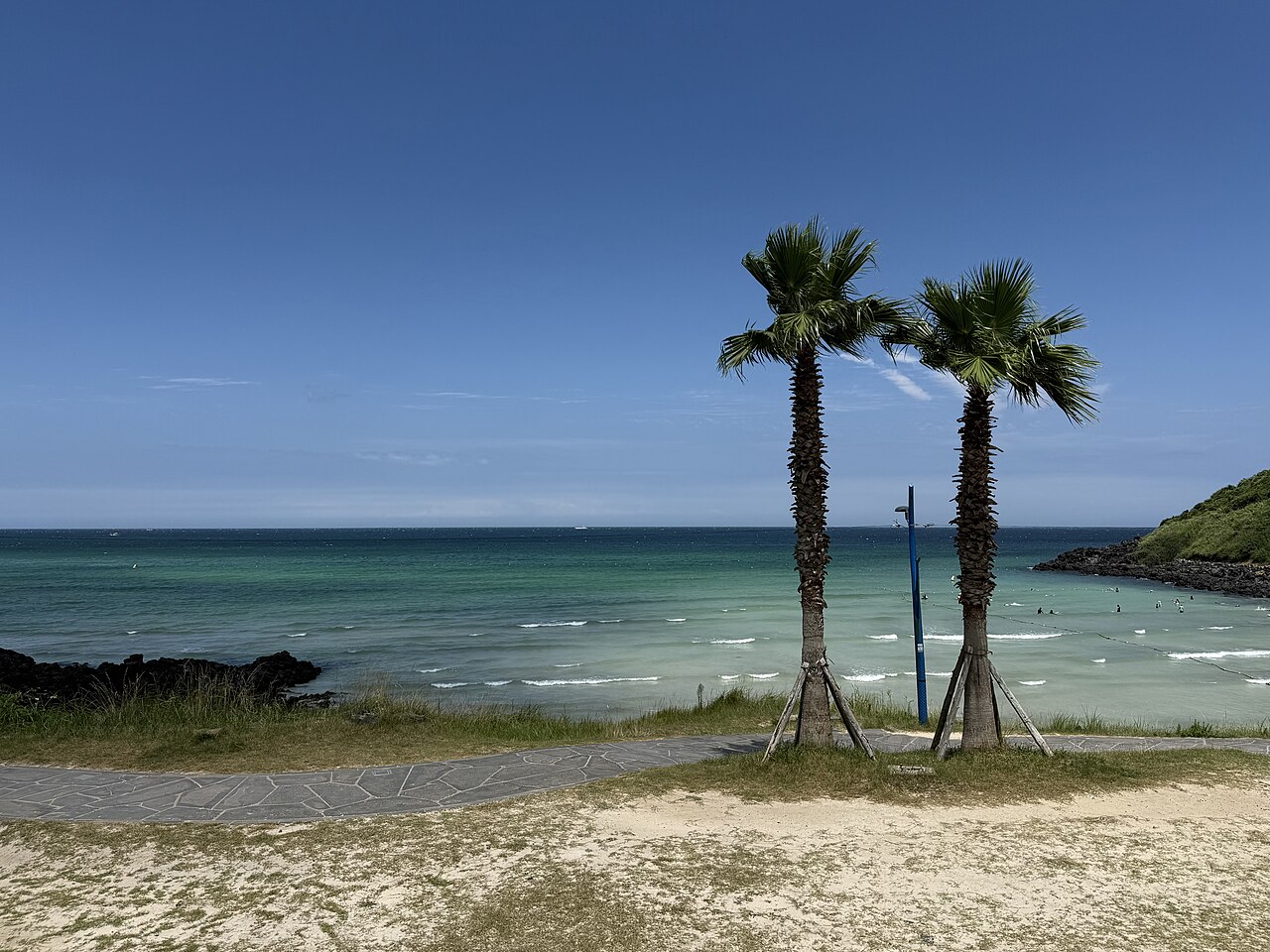
Located on the north coast of Jeju Island, Hamdeok Beach is famous for its unusually clear, turquoise water and gentle, shallow reef — making it arguably the most picturesque swimming beach in Korea.
Cheomseongdae: Asia's Oldest Surviving Observatory
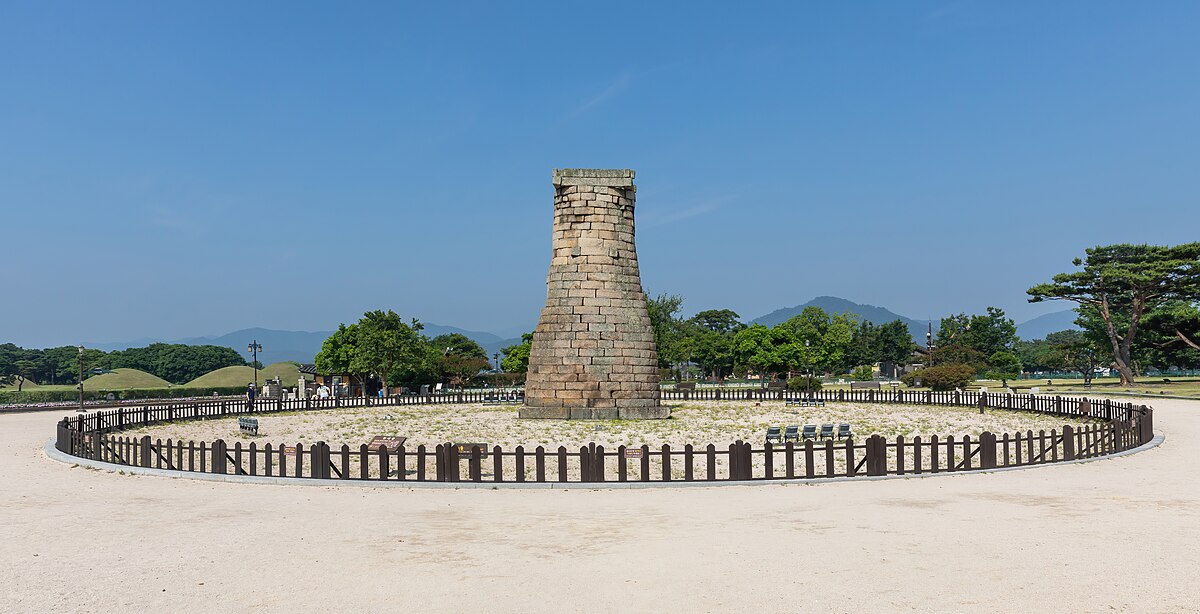
Built in the 7th century during the Silla Kingdom, Cheomseongdae is Asia's oldest surviving astronomical observatory. Its 362 stones — one for each day of the lunar year — encode the calendar in architecture.
Gwangan Bridge: Busan's Glittering Bay Landmark
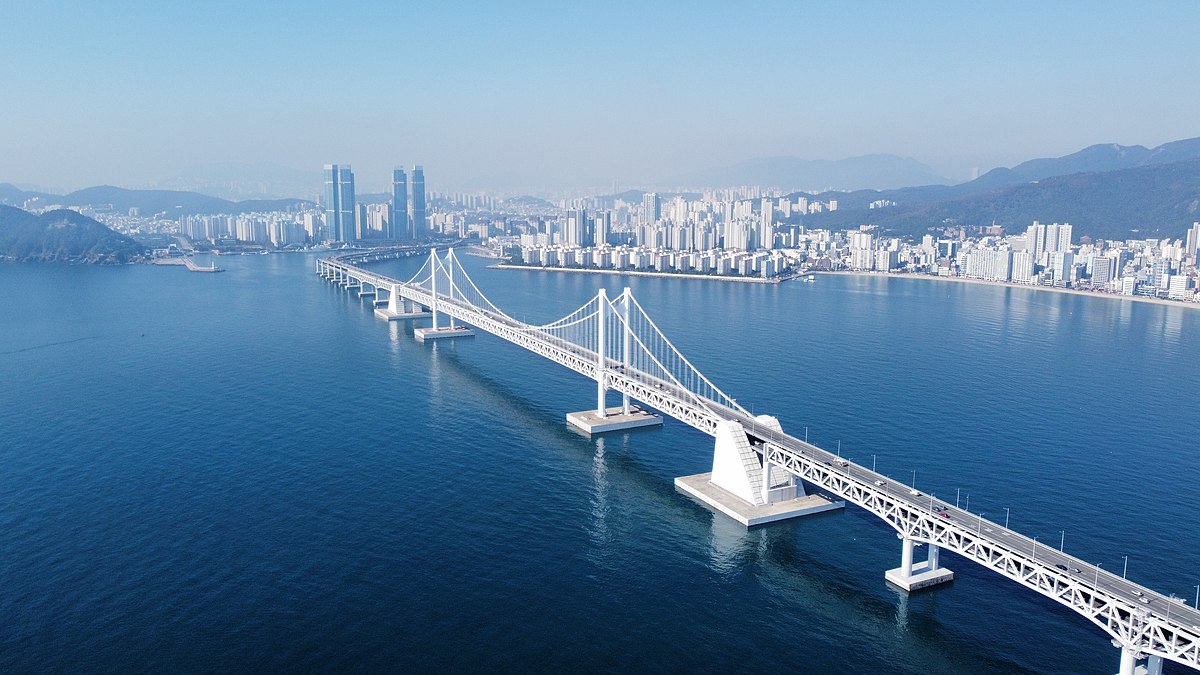
Stretching 7.4 km across Suyeong Bay, Gwangan Bridge is Korea's second-longest bridge and Busan's most iconic nocturnal spectacle. Its nightly LED light shows have made it a symbol of the city.