Haedong Yonggungsa: Busan's Sea-Cliff Buddhist Temple
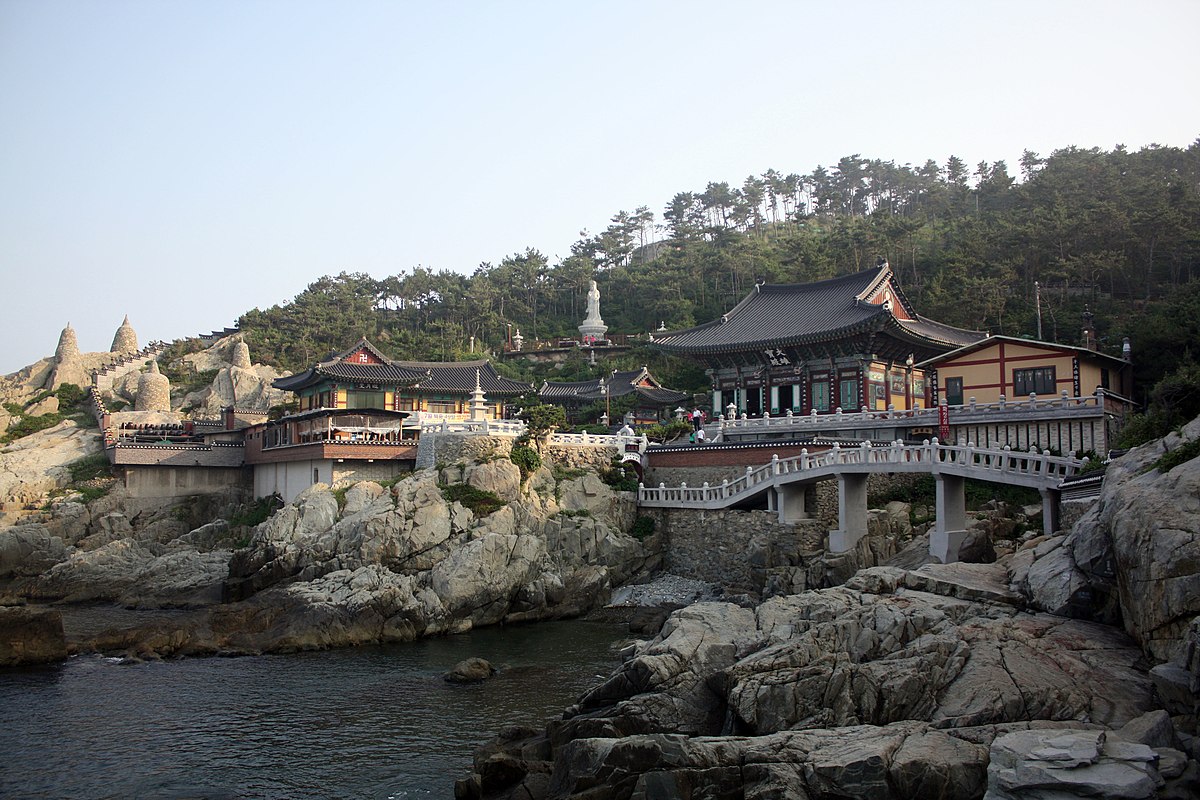
Perched dramatically on granite cliffs above crashing waves, Haedong Yonggungsa is one of Korea's most uniquely situated Buddhist temples, combining spiritual power with extraordinary coastal scenery.
Photo: Wikipedia Commons
What Is Haedong Yonggungsa?
Haedong Yonggungsa (해동용궁사), meaning 'Sea-East Dragon Palace Temple,' is a Buddhist temple in Gijang County, northeast Busan, uniquely positioned on a narrow rocky ledge above the crashing waves of the East Sea. The temple's location — not on a mountain interior as most Korean temples are, but directly on the coast with the sea visible and audible from every building — makes it one of the most visually dramatic temple settings in Korea and arguably the most photographed temple in Busan. The main temple complex clings to rocky outcroppings just above the waterline, with buildings connected by stone staircases carved into the cliff face. The main hall (대웅전, daewungjeon) faces directly out to sea, its prayer space open to sea air and the sound of waves. Around and below the main complex, smaller shrines, statues, and pavilions occupy every available ledge and crevice of the cliff face, creating a layered composition of architecture and rock that rewards close exploration. The temple is particularly associated with wish-making and good fortune — the combination of the sea goddess Yongwang and the powerful Buddha images is considered especially auspicious. Many Korean visitors come specifically to pray for children, good health, wealth, or good fortune in examinations, and the votive candle areas and prayer halls are always busy with worshippers.
History & Significance
Haedong Yonggungsa has a claimed history dating to 1376 CE during the Goryeo Dynasty, when the Buddhist monk Naong Hyegeun is said to have established the original temple at this coastal location. The temple was destroyed during the Japanese invasions of 1592 and was in ruins for centuries. The current temple complex was rebuilt starting in 1930 and has been expanded and renovated significantly in subsequent decades. Despite the relatively recent reconstruction of most of the current buildings, the temple has established deep roots in local Buddhist practice, and the powerful setting has made it an important place of worship for Busan's Buddhist community. The temple's most significant spiritual attribute is its connection to Haeryongwang (海龍王), the Dragon King of the Sea, a figure from both Buddhist and Korean shamanistic tradition associated with protection of fishermen, success in water-related endeavors, and general good fortune. This dual religious identity — combining formal Buddhist practice with elements of traditional Korean folk religion — is characteristic of Korean Buddhism generally and is expressed particularly clearly at this sea-cliff temple.
What to See & Do
The approach to the temple begins with a descent of 108 stone steps (108 being the number of earthly desires in Buddhist thought — walking them is a form of spiritual practice). Along the steps, a series of stone zodiac animal statues line the path. At the base, the temple complex opens up in its full dramatic setting against the sea. Key structures within the temple include the main hall overlooking the sea, a large standing Bodhisattva figure, the Samseong-gak (Trinity Hall) containing shamanic deities, and the Haesu Gwaneum Daebul (관음대불) — a large white Guanyin (Goddess of Mercy) statue positioned on a rocky promontory extending into the sea. Sunrise at Haedong Yonggungsa is spectacular — the temple faces east and the sun rises over the sea directly in front of the main altar on clear days. New Year's Day sunrise at the temple is one of Busan's most beloved annual traditions, with crowds gathering at dawn to watch the year's first sunrise over the sea from this sacred location. At other times the temple is active with worshippers and is a genuinely spiritual space rather than purely a tourist attraction.
- ·Descend the 108 steps mindfully — each step is meant as a release of one earthly desire
- ·Watch sunrise from the temple — the sea-facing orientation makes it spectacular
- ·Visit the Haesugwaneum Bodhisattva on its sea promontory for the most dramatic composition
- ·Observe genuine Buddhist worship taking place — candles, incense, prostrations
- ·Explore the lower cliff level at low tide for close views of the rocky coastal landscape
Visitor Tips
Haedong Yonggungsa is open daily from 4:30 AM to 10 PM (closing time varies). Admission is free. The temple is located in Gijang County in northeastern Busan, approximately 30 kilometers from central Busan. Take Bus 181 from Haeundae Station or a direct shuttle bus that runs from Haeundae area hotels. New Year's Day (January 1st) brings enormous crowds for the sunrise — arrive well before dawn and be prepared for cold weather and limited mobility in the crowd. At other times the temple is busy but manageable. The rocky coastal access areas can be slippery — wear shoes with good grip. Photography is generally permitted in the outer areas but be respectful inside worship halls, especially when worshippers are present. Combine with Haeundae Beach (30 minutes by bus) and the Gijang seafood market for a full northeastern Busan day trip.
Tips
- 💡Sunrise is the most spiritually and visually powerful time to visit — arrive before dawn
- 💡Wear grip shoes — the rocky steps and sea-spray-wet surfaces can be slippery
- 💡Respect active worshippers — this is a functioning temple where prayers are ongoing
Last updated: March 30, 2026
También te podría gustar
N Seoul Tower: Seoul's Most Iconic Landmark
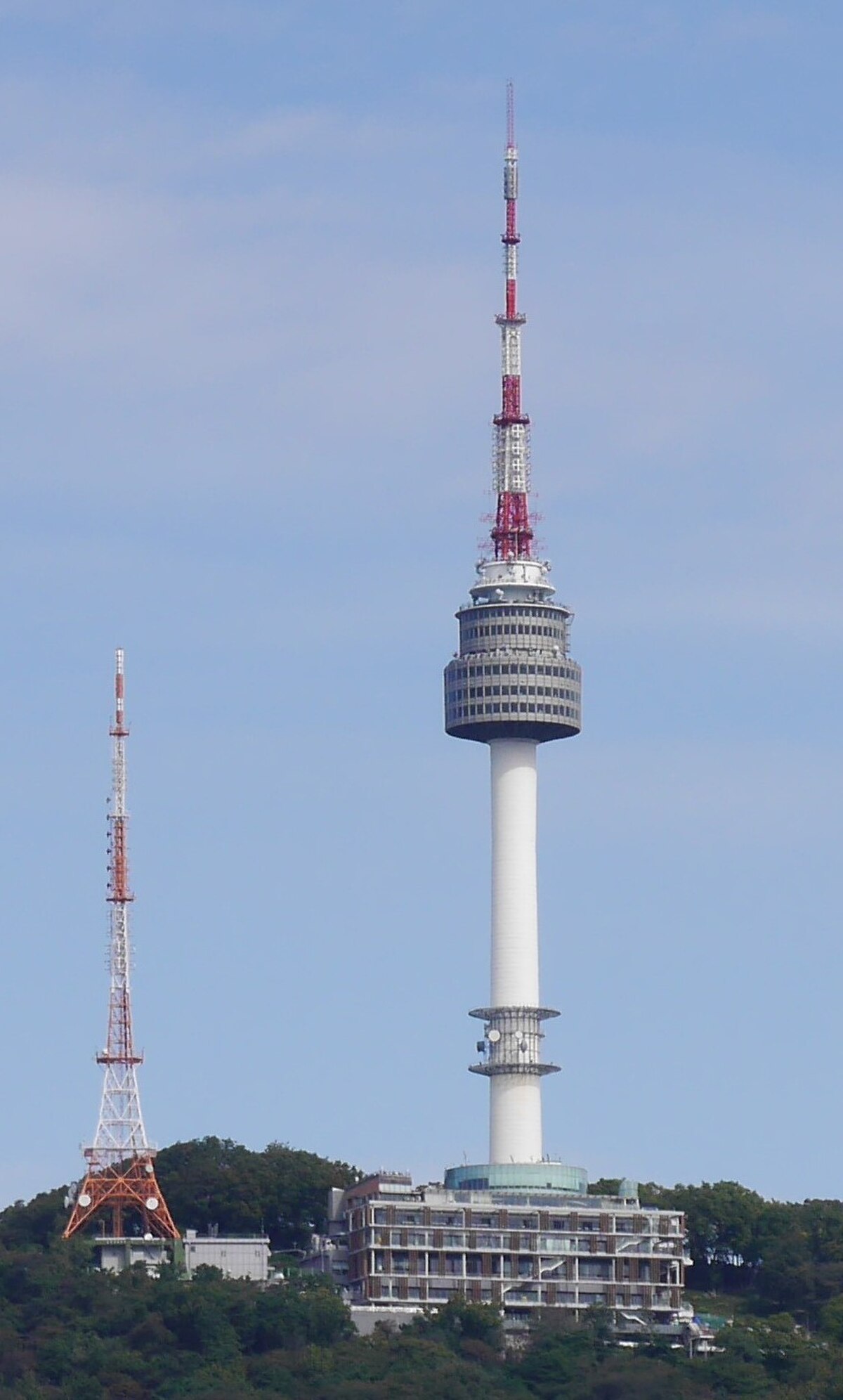
Perched atop Namsan mountain, N Seoul Tower offers breathtaking 360-degree views of the city and has become a beloved symbol of Seoul's modern romance.
Hongdae: Seoul's Creative Youth Capital
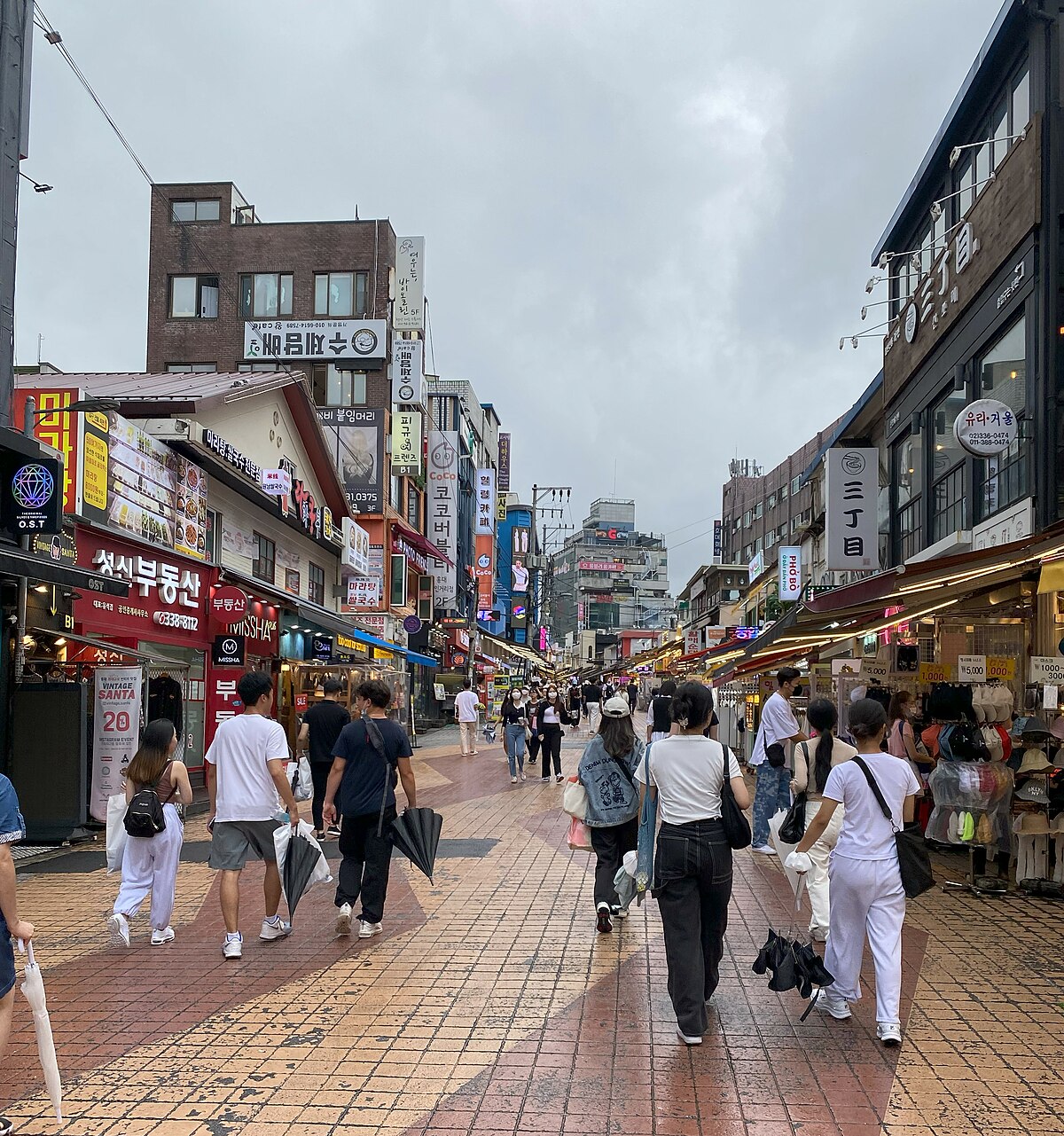
Seoul's most vibrant arts and nightlife district, Hongdae pulses with indie music, street performances, quirky cafés, and the creative energy of Korea's top arts university.
Gyeongbokgung: Seoul's Grand Joseon Palace
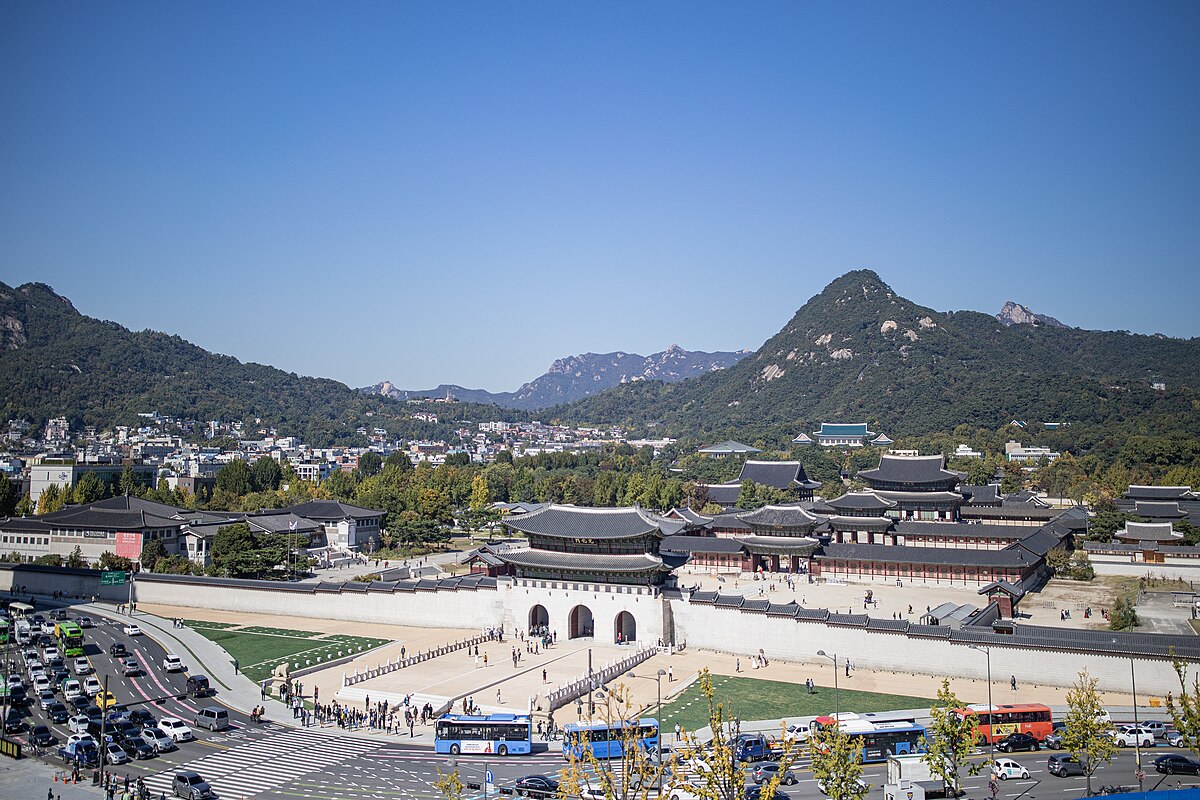
The largest and most magnificent of Seoul's Five Grand Palaces, Gyeongbokgung served as the heart of the Joseon Dynasty for over 500 years.