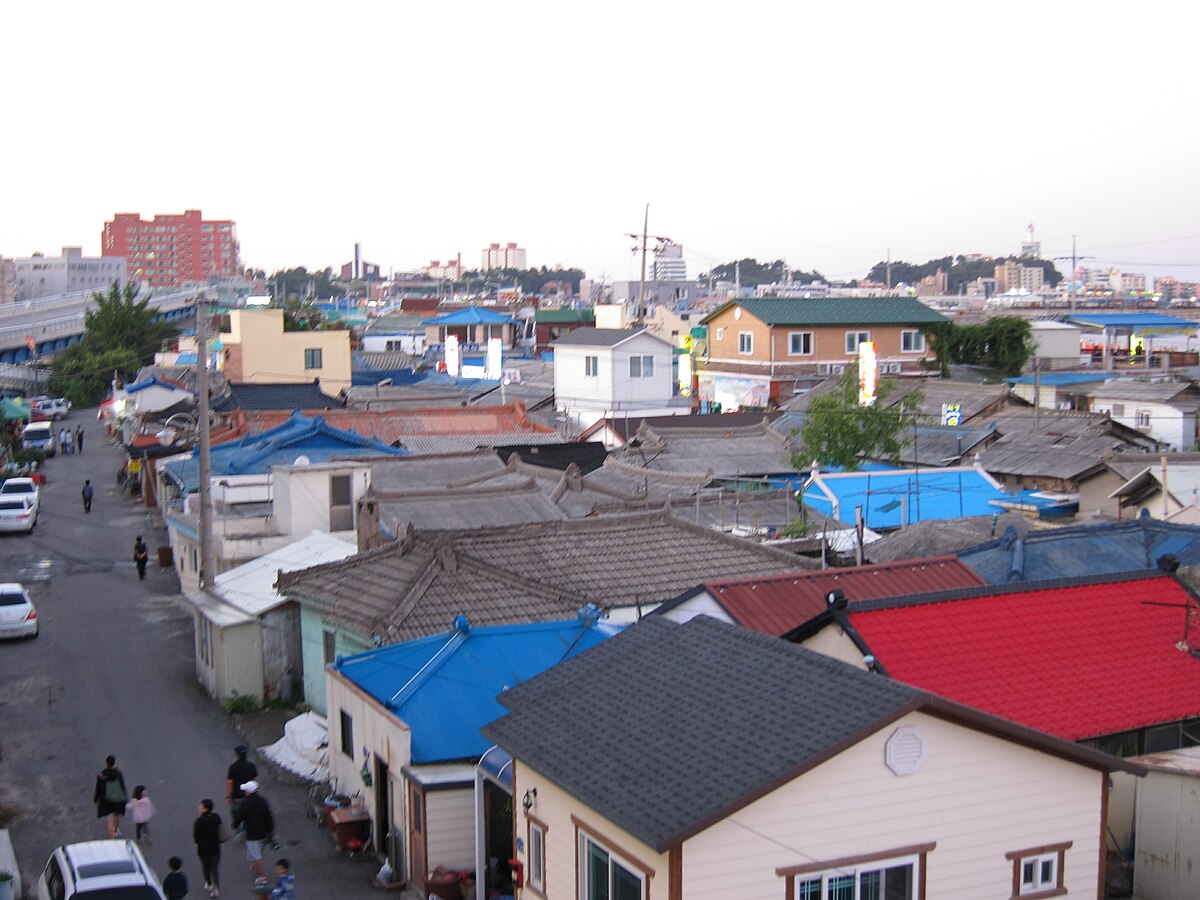
Abai Village: Sokcho's North Korean Refugee Heritage
Abai Village is a small settlement in Sokcho built by North Korean refugees who fled south during the Korean War, expecting to return home after the conflict — and never could. The village, accessible by hand-pulled ferry, preserves a unique cultural identity and has become a poignant living memorial.
Photo: Wikipedia Commons
What Is Abai Village?
Abai Village (아바이마을) is a small coastal settlement on a narrow sand spit in Sokcho, separated from the main city by the Cheongcho Lagoon channel. It was established in the early 1950s by refugees from the Hamgyong Province of what is now North Korea, who crossed south during the Korean War intending to return after the armistice. The armistice created a permanent division, and the refugees settled permanently. "Abai" (아바이) is a Hamgyong dialect word for "father" or "old man," and it became the community's identity.
History & Significance
The story of Abai Village is a microcosm of the human cost of Korea's division. Thousands of families were separated overnight by the 38th Parallel, and many who ended up in Sokcho — a city that was briefly under North Korean control during the war — never saw their northern relatives again. The village gained national attention when the Korean drama "Autumn in My Heart" (가을동화, 2000) was filmed here, drawing visitors who became fascinated by its history and atmosphere.
What to See & Do
The iconic experience is crossing to the village by gabae (가배) — a hand-pulled rope ferry that slides across the narrow channel, operated by the passengers themselves. The village has several restaurants serving Hamgyong-style food, including abai sundae (a thicker, rice-filled version of blood sausage) and ojingeo-sundae (squid stuffed with glutinous rice). The Abai Village Cultural Center tells the story of the refugee community. The surrounding lagoon and beach scenery is genuinely beautiful.
Visitor Tips
The hand-pulled ferry operates continuously during daylight hours and costs a nominal fee. The village is a 10–15 minute walk from Sokcho bus terminal. Eating at one of the village restaurants is the most meaningful way to support the community and experience the food culture. Weekend afternoons can be busy with day-trippers from Seoul. The village's emotional significance becomes more powerful when you learn a little of the history before visiting.
Tips
- 💡Pull the rope ferry yourself — it is a short crossing but a memorable tactile experience.
- 💡Try abai sundae at a village restaurant: the Hamgyong-style version is thick, hearty, and unlike anything in Seoul.
- 💡Read briefly about the Korean War displacement before visiting to appreciate the village's emotional weight.
Last updated: 1 September 2026
Mungkin Anda juga suka
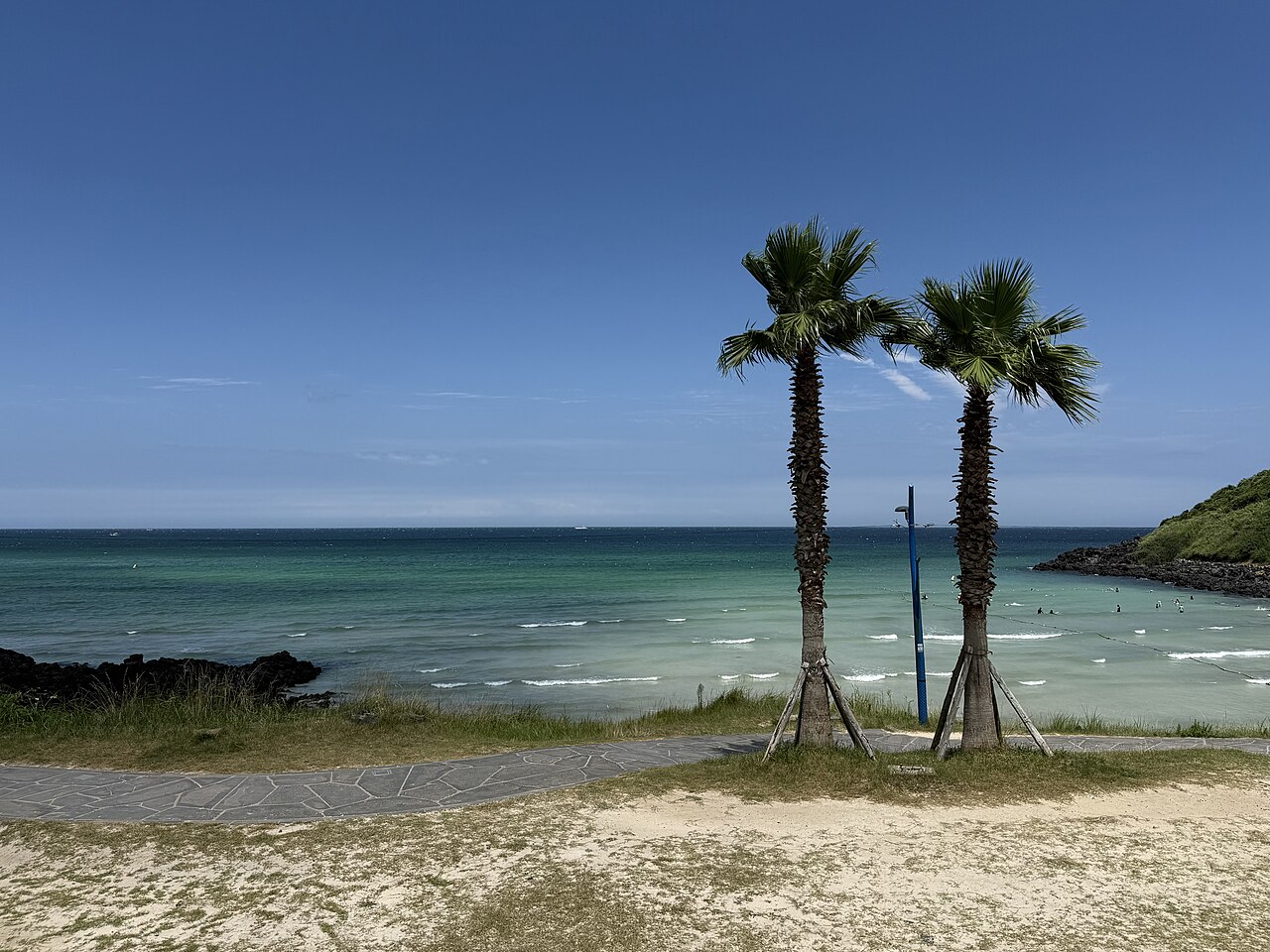
Hamdeok Beach: Jeju's Turquoise Gem
Located on the north coast of Jeju Island, Hamdeok Beach is famous for its unusually clear, turquoise water and gentle, shallow reef — making it arguably the most picturesque swimming beach in Korea.
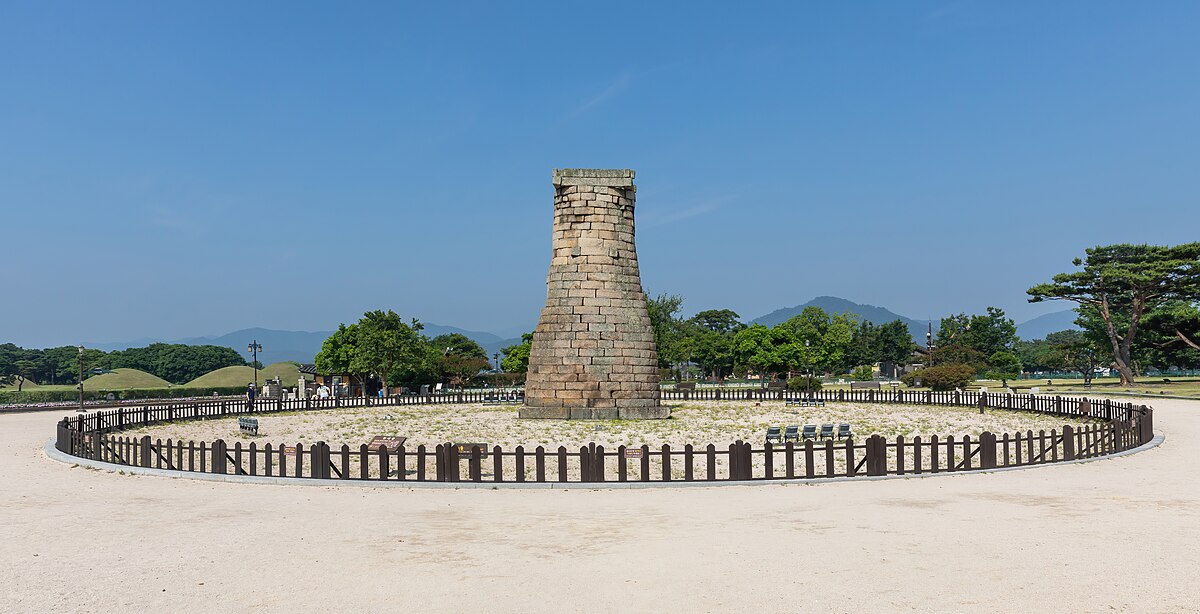
Cheomseongdae: Asia's Oldest Surviving Observatory
Built in the 7th century during the Silla Kingdom, Cheomseongdae is Asia's oldest surviving astronomical observatory. Its 362 stones — one for each day of the lunar year — encode the calendar in architecture.
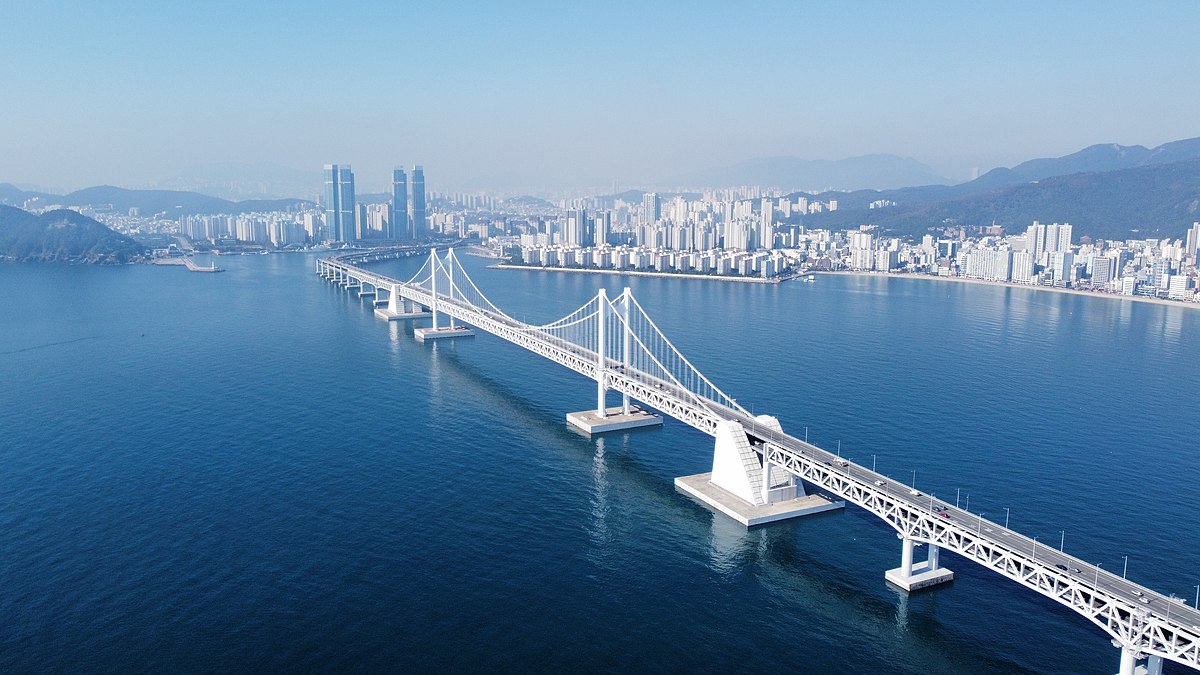
Gwangan Bridge: Busan's Glittering Bay Landmark
Stretching 7.4 km across Suyeong Bay, Gwangan Bridge is Korea's second-longest bridge and Busan's most iconic nocturnal spectacle. Its nightly LED light shows have made it a symbol of the city.