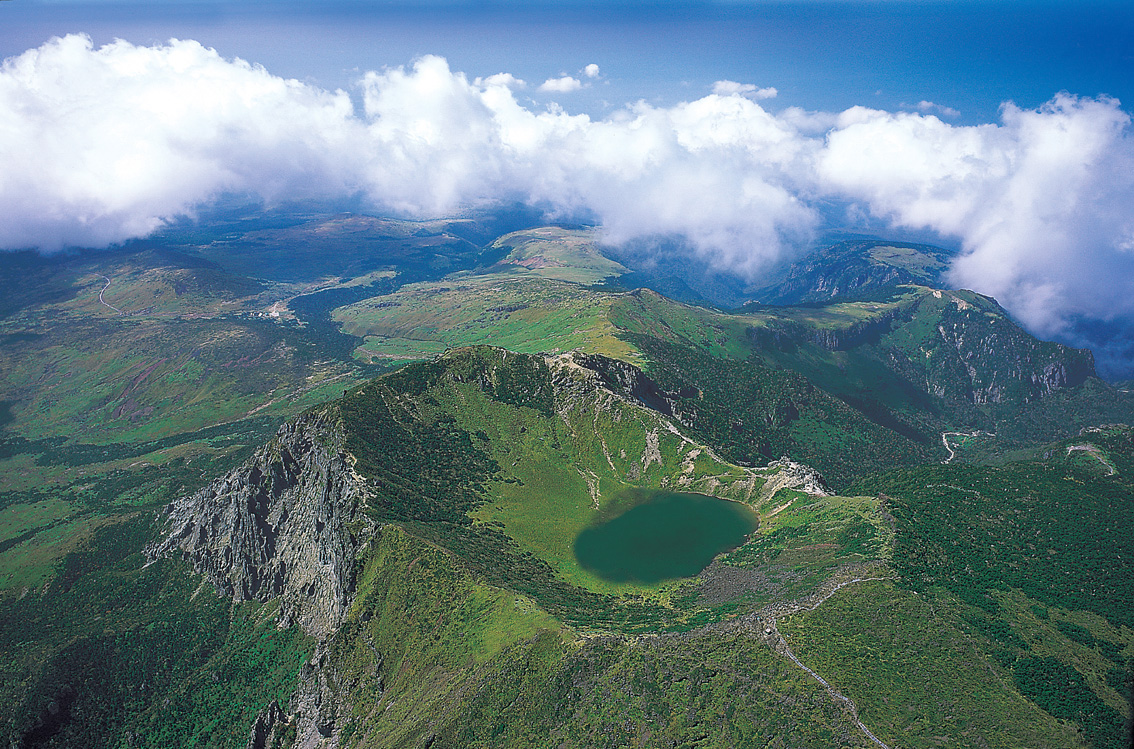
Hallasan: Korea's Highest Mountain and Jeju's Sacred Volcano
At 1,950 meters, Hallasan is South Korea's highest peak — a dormant volcano and UNESCO World Heritage Site that dominates Jeju Island with its dramatic crater lake and diverse ecosystems.
Photo: Wikipedia Commons
What Is Hallasan?
Hallasan (한라산) is South Korea's highest mountain at 1,950 meters above sea level, and at the same time one of the world's largest shield volcanoes. The mountain is essentially Jeju Island — Hallasan's volcanic eruptions over millions of years built up the island layer by layer from the ocean floor. The mountain occupies most of the island's interior, and almost every part of Jeju is defined by its relationship to Hallasan's slopes. The name Hallasan means 'Mountain That Pulls Down the Galaxy' in Korean — a poetic reference to how the peak seems to touch the sky. On clear days, the summit commands views over the entire island and far out to sea. The mountain's crater at the summit contains Baeknoktam (백록담), a beautiful lake whose name means 'White Deer Pond,' named after a legend that white deer (white tigers in some versions) gathered to drink from the celestial waters. Hallasan National Park, which encompasses the mountain and its surroundings, protects one of Korea's most biodiverse environments. The mountain's dramatic elevation change from sea level to nearly 2,000 meters creates distinct vegetation bands — subtropical forests at the base give way to temperate forests, then alpine meadows, and finally the bare volcanic rock of the summit zone. This ecological stratification gives Hallasan exceptional importance for conservation.
History & Significance
Hallasan has been central to Jeju culture, spirituality, and identity since humans first settled the island. In Korean shamanism, the mountain is considered a divine presence — the personification of a male deity who guards the island and its people. The mountain appears throughout Jeju mythology and folk stories, always as a powerful, sometimes capricious presence. The mountain was designated a National Park in 1970 and has been part of Korea's protected natural area system since. In 2002, UNESCO designated Hallasan as a Biosphere Reserve, recognizing its exceptional ecological value. In 2007, it was inscribed as a UNESCO World Heritage Site as part of the Jeju Volcanic Island and Lava Tubes complex — the first natural World Heritage Site in Korea. For Koreans, climbing Hallasan is considered a rite of passage — a challenging but achievable mountain that can be summited by fit hikers in a day. The mountain's trails are among Korea's most popular hiking routes, attracting millions of visitors annually, and reaching the summit crater lake is a source of pride for Korean hikers.
What to See & Do
Hiking Hallasan is the primary activity. There are five main trails to choose from, varying in length, difficulty, and scenery. The Seongpanak Trail (9.6km one way, approximately 4.5-5 hours up) and the Gwaneumsa Trail (8.7km one way, approximately 4-5 hours up) are the only two trails that reach the summit crater lake at Baeknoktam. The other trails — Eorimok, Yeongsilgi, and Donnaeko — offer beautiful scenery but reach secondary summits or viewpoints rather than the top. The summit crater lake Baeknoktam is the ultimate reward — a serene alpine lake of extraordinary beauty set in the volcanic bowl at the peak. The view from the crater rim stretches in every direction over the island and sea. Spring brings azalea blooms to the mountain's slopes, autumn turns the forests gold and red, and winter snow transforms the summit into a pristine white landscape. Beyond hiking, the areas around Hallasan's base offer excellent cycling (Jeju's Olle Trail segments cross the lower slopes), forest walks, and visits to distinctive volcanic landscape features including small parasitic volcanoes (oreum) dotting the island.
- ·Hike the Seongpanak or Gwaneumsa Trail to reach the summit crater lake Baeknoktam
- ·Visit in April or May for the spectacular royal azalea blooms on the mountain slopes
- ·See the winter snow landscape (November-March) for a dramatically different mountain experience
- ·Explore the shorter Eorimok Trail for beautiful forest scenery without the full summit climb
- ·Start extremely early (first parking lot opening at 5:30 AM in summer) to avoid trail congestion
Visitor Tips
Hallasan National Park imposes strict time cutoff rules — hikers must pass specific checkpoints by certain times (typically early afternoon) or are turned back. Check the current cutoff times on the park's website before going. The trail to the summit and back takes a full day (7-9 hours total), so start as early as possible. The weather on Hallasan changes rapidly and frequently. Even in summer, the summit can be cold, wet, and windy. Always bring waterproof gear, warm layers, sufficient food and water (no facilities on the upper trails), and sun protection. Proper hiking shoes are essential. The summit may be cloud-covered even when the rest of Jeju is clear — a summit visit with clear views requires some luck. Download the trail maps and check the national park website for current conditions and regulations.
Tips
- 💡Start hiking by 6-7 AM to make the checkpoint cutoff times and have time at the summit
- 💡April-May for azaleas, October for autumn foliage, and January-February for snow are the most scenic times
- 💡Pack more warm layers and rain gear than you think you need — mountain weather is unpredictable
Last updated: March 30, 2026
Você também pode gostar
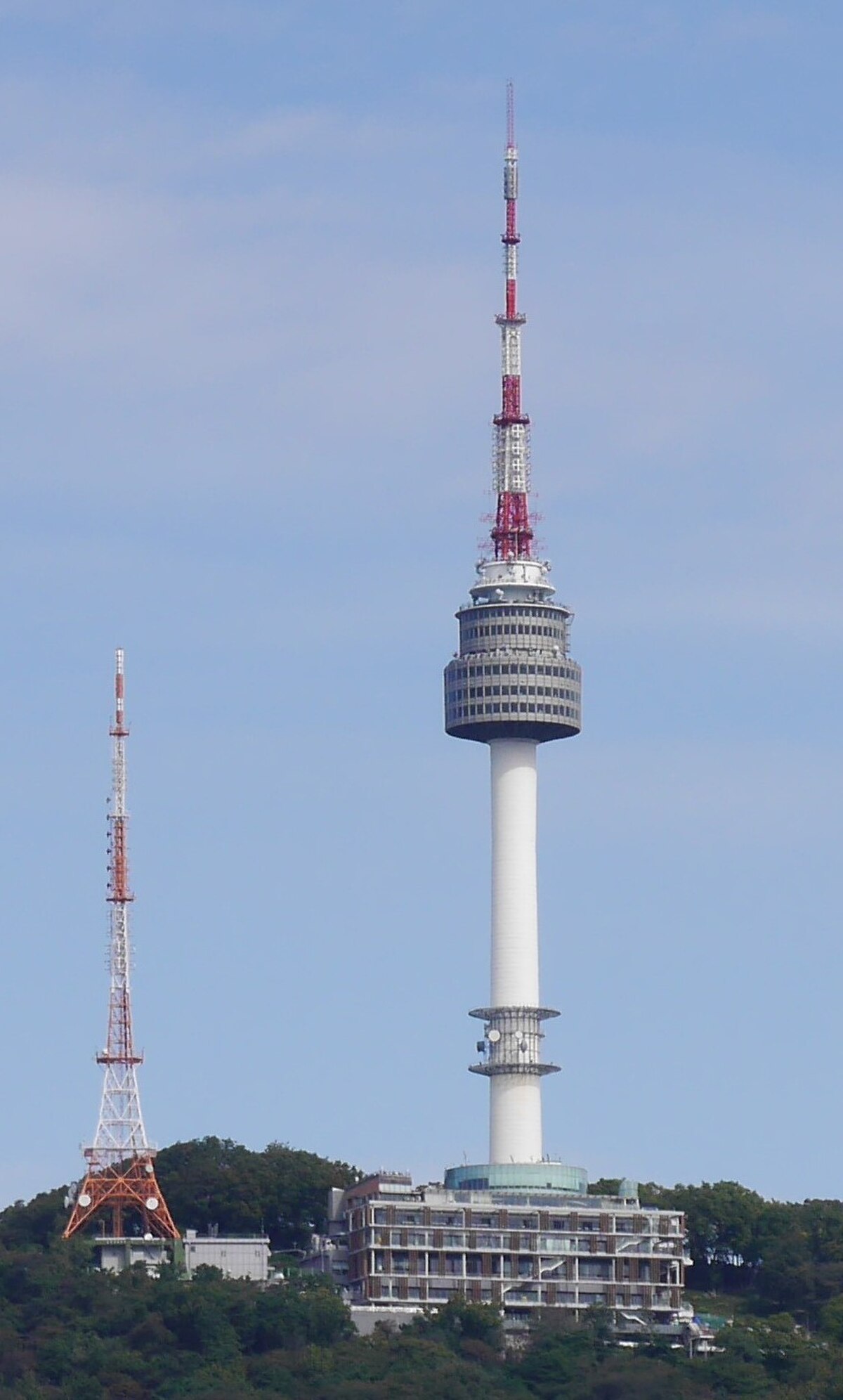
N Seoul Tower: Seoul's Most Iconic Landmark
Perched atop Namsan mountain, N Seoul Tower offers breathtaking 360-degree views of the city and has become a beloved symbol of Seoul's modern romance.
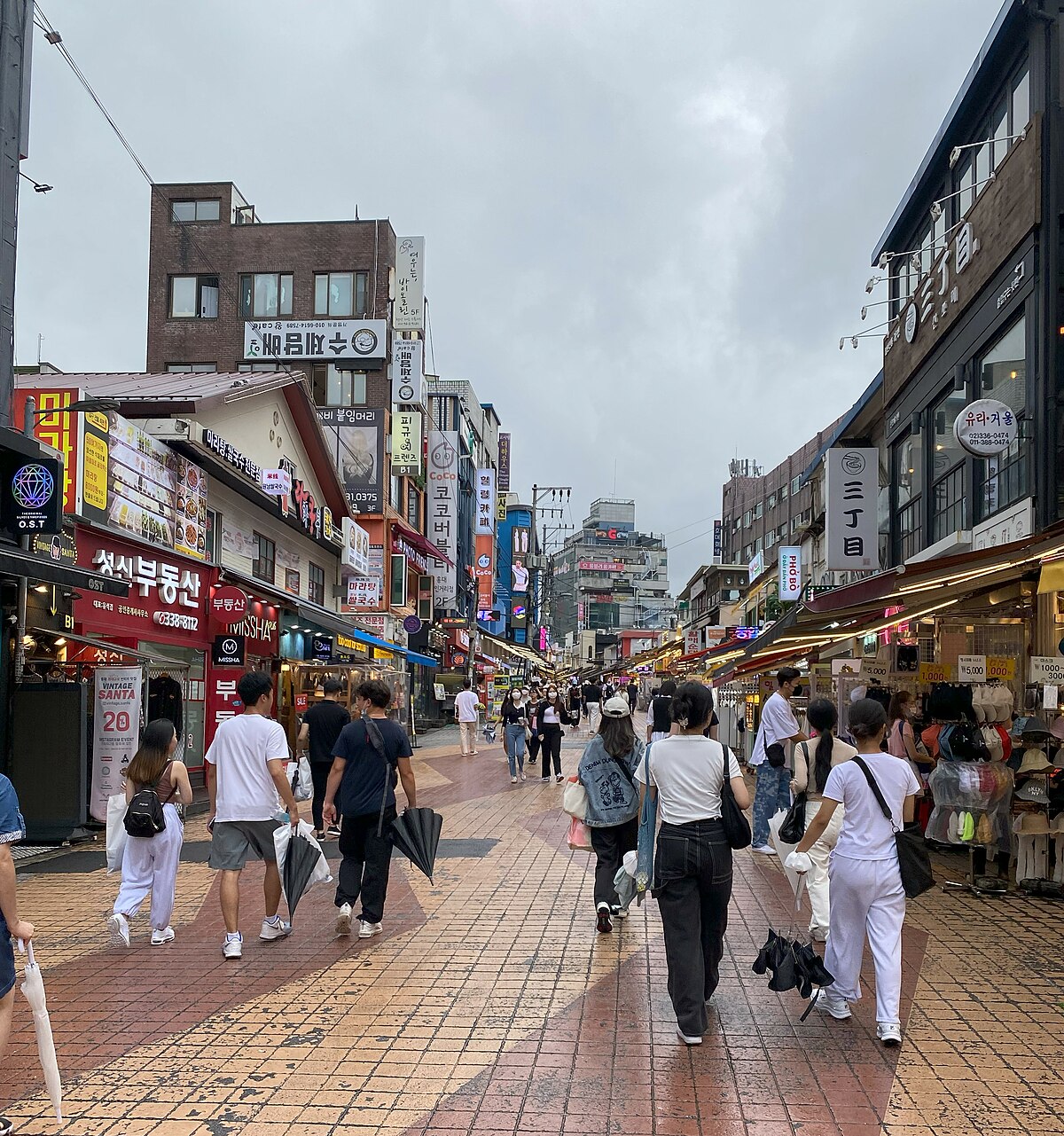
Hongdae: Seoul's Creative Youth Capital
Seoul's most vibrant arts and nightlife district, Hongdae pulses with indie music, street performances, quirky cafés, and the creative energy of Korea's top arts university.
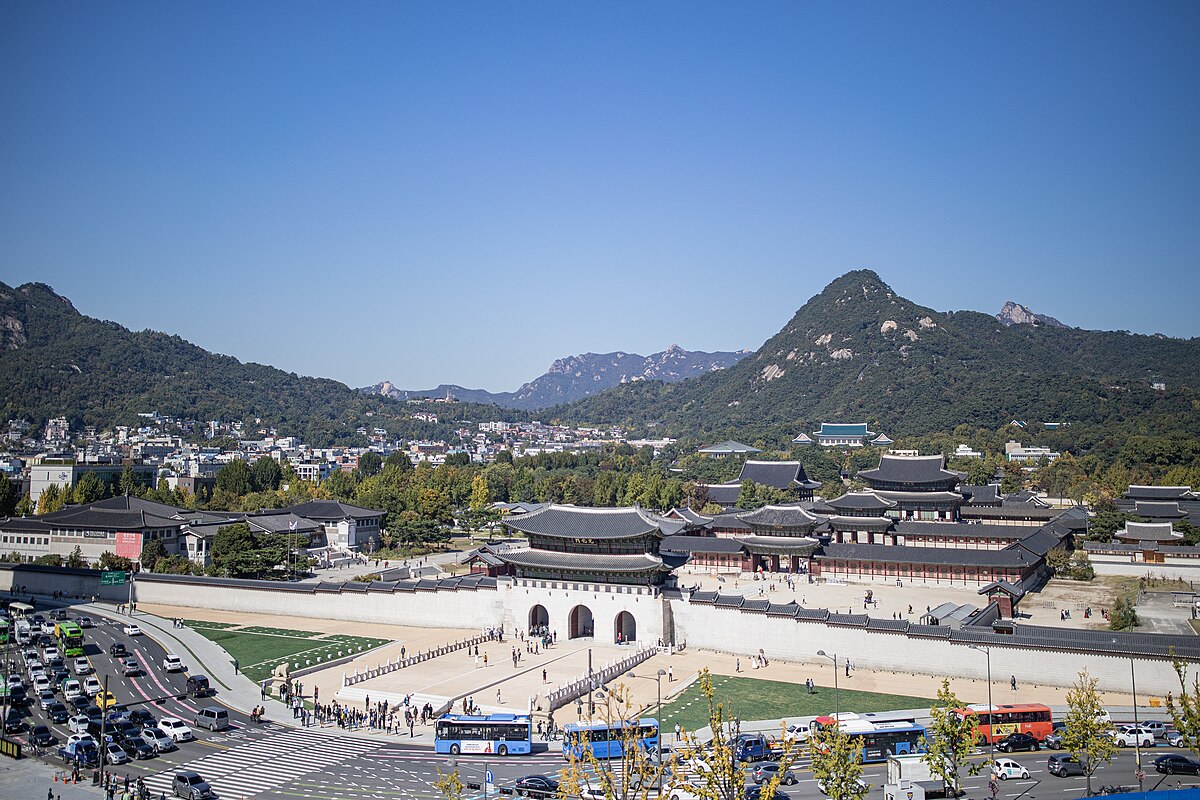
Gyeongbokgung: Seoul's Grand Joseon Palace
The largest and most magnificent of Seoul's Five Grand Palaces, Gyeongbokgung served as the heart of the Joseon Dynasty for over 500 years.