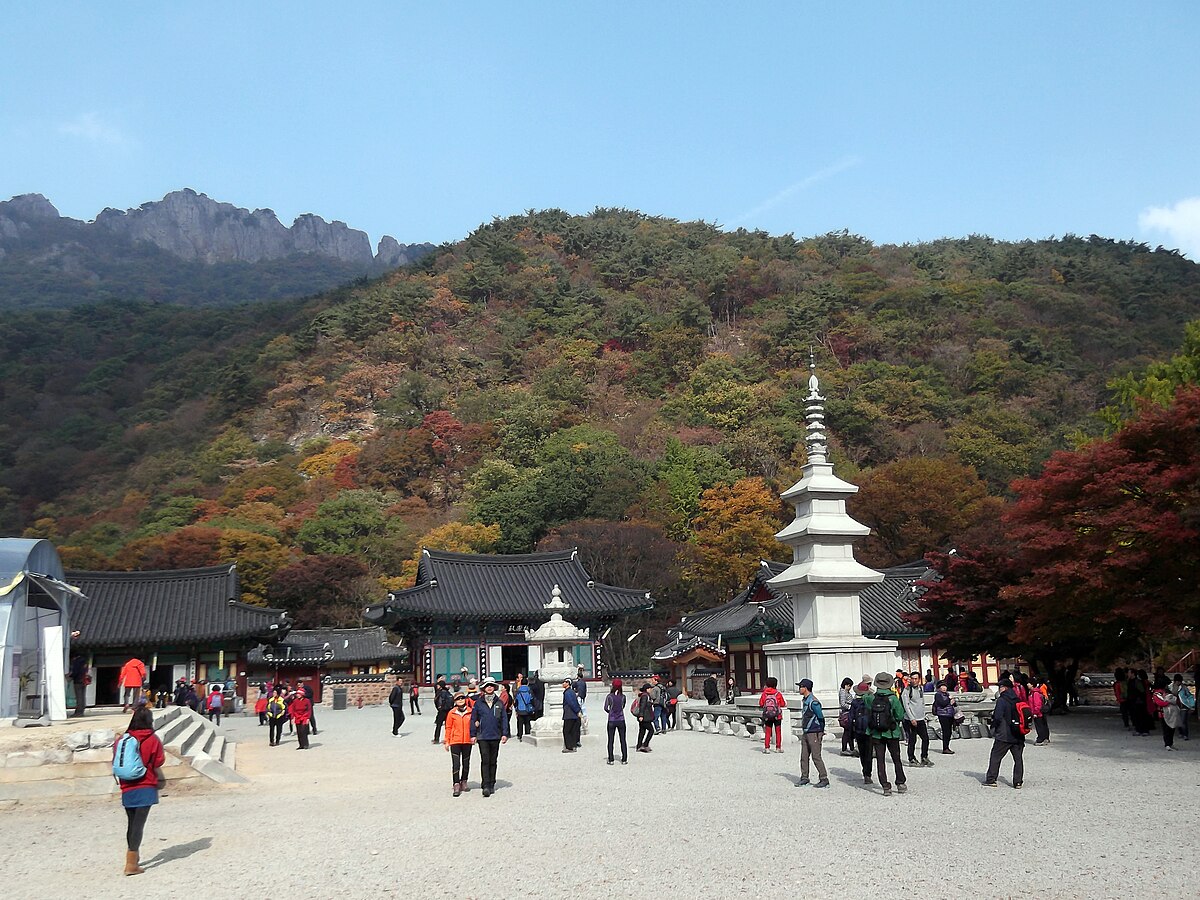
Naejangsan: Korea's Autumn Foliage Capital
Naejangsan National Park is famous throughout Korea as the destination for the most spectacular autumn foliage, with a valley temple and maple-lined canyon path that turn blazing red and gold each October.
Photo: Wikipedia Commons
What Is Naejangsan?
Naejangsan (내장산, Inner Hidden Mountain) National Park is located in Jeonggeup city, North Jeolla Province, approximately 45 kilometers south of Jeonju. The park's highest peak is Shin-seon-bong at 763 meters, but the mountain's fame rests not on its height but on its concentration of deciduous trees — particularly maple trees (단풍나무, danpungnamul) — that create the most intense and widely celebrated autumn foliage display of any mountain in Korea. The name 'Naejangsan' reflects the concept of a hidden inner world — the mountain is characterized by a deep valley that penetrates the mountain interior, creating a sheltered gorge whose walls are densely covered with the trees that burst into color each autumn. The main approach from the park entrance follows a stream through this valley to Naejangsa Temple and beyond, making the foliage experience both a trail walk and a journey deeper into the mountain. Korea's weather forecasters treat the arrival of autumn color (단풍, danpung) at Naejangsan with the same public interest as a major news event. When the official 'peak danpung' announcement is made for Naejangsan each year (typically mid-to-late October), hundreds of thousands of visitors descend on the park within a two-week period to experience the spectacle. It is arguably the most intensely seasonal tourism event in Korea.
History & Significance
Naejangsan's human history is anchored by Naejangsa Temple (내장사), a Buddhist temple in the valley that has existed in various forms for over 1,300 years, founded according to tradition in 636 CE during the Baekje Kingdom. The temple has been destroyed and rebuilt multiple times — most recently the main hall was accidentally burned and rebuilt in 2012 — and remains an active Buddhist monastery. During the Korean War, Naejangsan's difficult terrain and isolated valleys made it a hiding place for both military and civilian groups. The mountain has also been significant in more peaceful contexts — it was one of Korea's first areas designated as a national park (1971) based on its scenic and ecological value. The cultural significance of autumn foliage viewing (단풍 구경, danpung gugyeong) in Korea is profound — it has been a leisure tradition since at least the Joseon Dynasty, with scholars and aristocrats traveling to famous mountains specifically to view the autumn colors. Naejangsan's selection as the premier destination for this tradition reflects both the quality of its foliage and its accessibility from major population centers in the Honam region.
What to See & Do
The main valley trail from the park entrance to Naejangsa Temple (approximately 2.5km one way) is the essential Naejangsan experience, particularly in autumn. The trail follows the valley stream under a canopy of maple, oak, and other deciduous trees, with the canyon walls rising on both sides providing a sense of enclosure within the color. Naejangsa Temple at the head of the valley is beautiful in all seasons but is at its most spectacular surrounded by autumn color. The temple's main hall, rebuilt in 2012, is set against a backdrop of maple-covered slopes that are among the most photographed vistas in Korea. A cable car from near the temple provides access to the upper mountain ridge and excellent panoramic views. Beyond the main valley, the park has extensive trail networks reaching various peaks and offering different perspectives on the mountain. The peak circuit (about 4-5 hours for a full round) passes through the various rock formations that give the peaks their names, with views over the foliage canopy and surrounding countryside.
- ·Walk the main valley trail to Naejangsa Temple during peak autumn color season
- ·Take the cable car to the ridgeline for panoramic views over the autumn foliage canopy
- ·Visit Naejangsa Temple and its compound — beautiful year-round, spectacular in October
- ·Hike the peak circuit for more extensive mountain views and less crowded paths
- ·Come in spring for azalea blooms as the equally beautiful but far less-visited alternative season
Visitor Tips
Naejangsan National Park entrance is open from 9 AM to 6 PM (4 PM in winter). Admission is 3,000 KRW for adults. The park is located near Jeonggeup city, accessible from Jeonggeup Station by local bus or taxi (approximately 15-20 minutes). From Seoul, take the KTX to Jeongeup Station (approximately 1.5 hours). From Jeonju (a logical base in the area), the park is about 45 minutes by bus or car. Peak autumn season (mid to late October) sees extreme crowding — parking is extremely limited, shuttle buses are usually required from remote parking areas, and the trail can be densely packed with visitors. Weekday visits during peak season are far more enjoyable. Non-peak seasons are dramatically less crowded and offer genuine natural solitude. Spring, when azaleas bloom in the valley, is a beautiful alternative to autumn. The area around the park entrance has many restaurants serving Jeolla Province cuisine.
Tips
- 💡Mid-to-late October peak season is spectacular but extremely crowded — consider a weekday visit
- 💡Spring azalea season offers similar natural beauty with only a fraction of the autumn crowds
- 💡Take the cable car to the ridge — the aerial view of the autumn foliage canopy is extraordinary
Last updated: March 30, 2026
Você também pode gostar
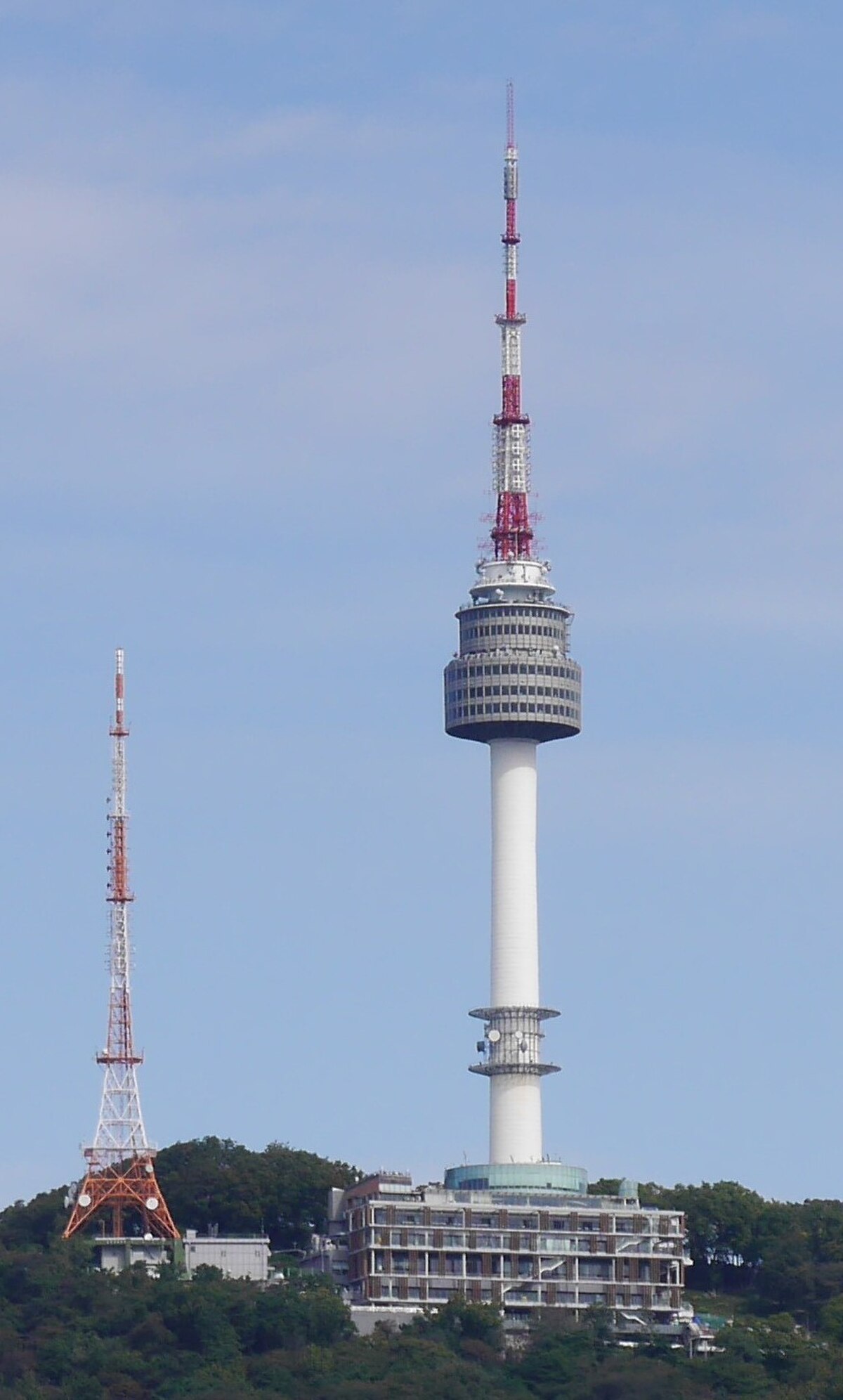
N Seoul Tower: Seoul's Most Iconic Landmark
Perched atop Namsan mountain, N Seoul Tower offers breathtaking 360-degree views of the city and has become a beloved symbol of Seoul's modern romance.
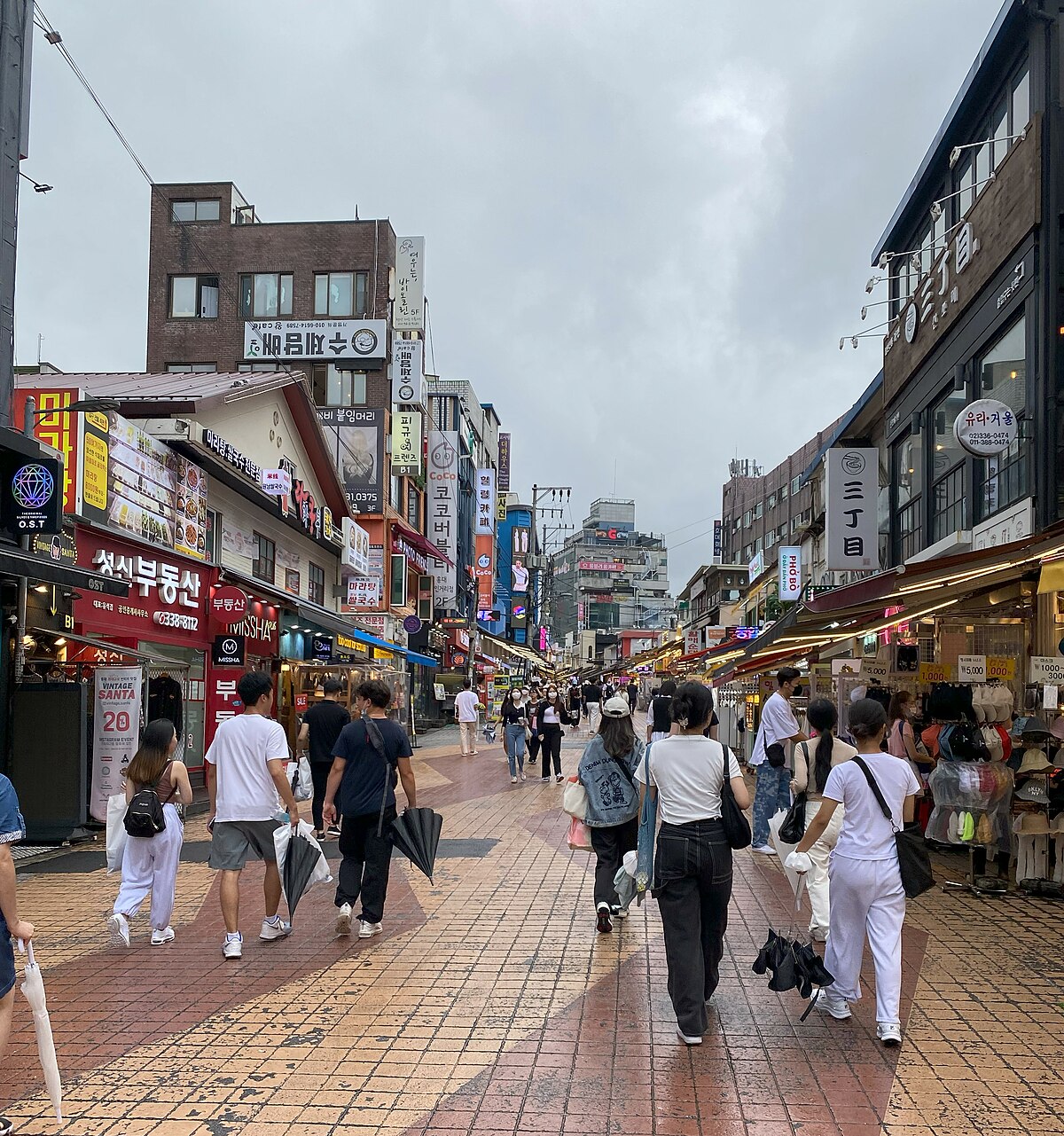
Hongdae: Seoul's Creative Youth Capital
Seoul's most vibrant arts and nightlife district, Hongdae pulses with indie music, street performances, quirky cafés, and the creative energy of Korea's top arts university.
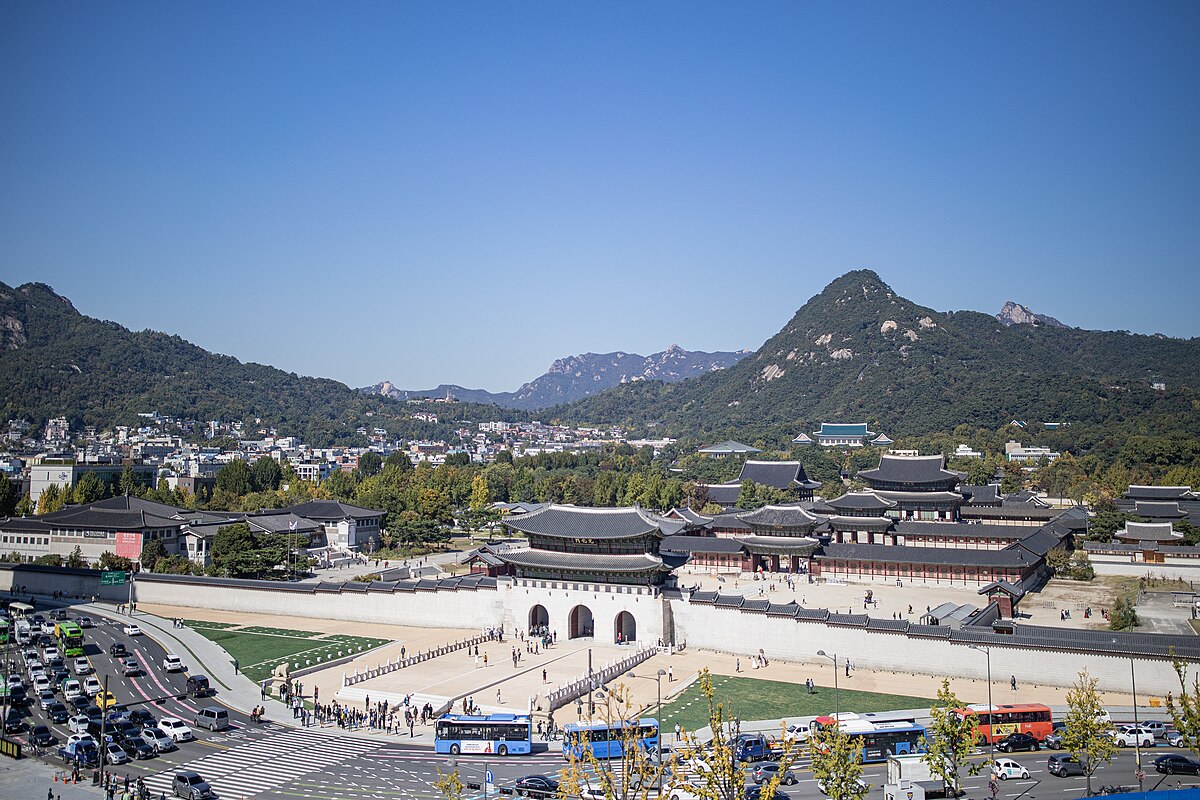
Gyeongbokgung: Seoul's Grand Joseon Palace
The largest and most magnificent of Seoul's Five Grand Palaces, Gyeongbokgung served as the heart of the Joseon Dynasty for over 500 years.