Jinju Namgang Yudeung Festival: Korea's Most Beautiful Lantern Festival
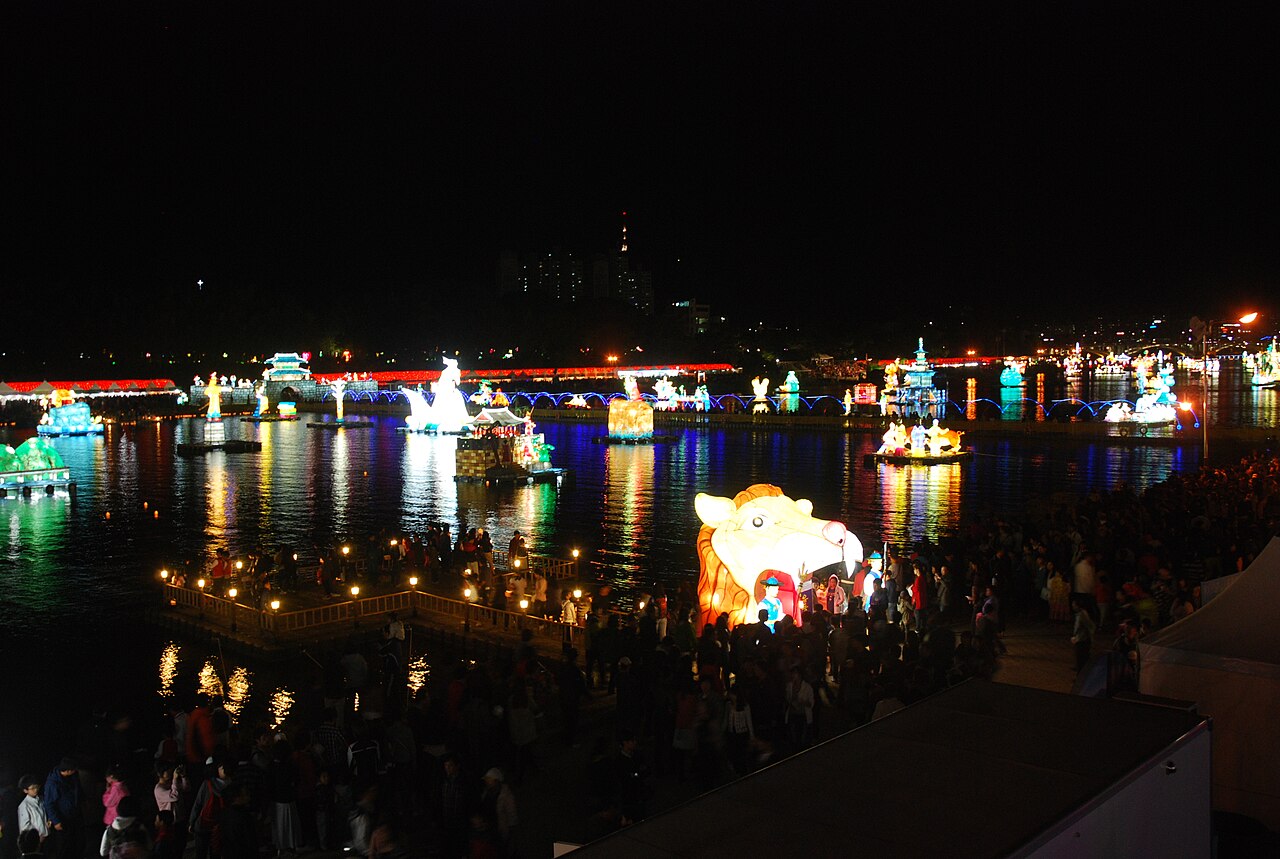
The Jinju Namgang Yudeung Festival transforms the Nam River into a river of light each October, with thousands of intricately designed lotus lanterns floating on the water. Rooted in the historical battle of 1592, it is one of Korea's most visually spectacular festivals and the oldest lantern festival in the country.
Photo: Wikipedia Commons
What Is the Jinju Namgang Yudeung Festival?
The Jinju Namgang Yudeung Festival (진주남강유등축제) is an annual lantern festival held each October along the Nam River (Namgang) in Jinju, South Gyeongsang Province. Thousands of hand-crafted lanterns in elaborate shapes — lotus flowers, animals, historical figures, and architectural forms — are floated on the river or suspended above it, creating a magical illuminated landscape after dark. The festival also includes lantern making workshops, traditional performances, and fireworks.
History & Significance
The festival originates from the Battle of Jinju in 1592, during the Japanese invasion of Korea (Imjin War). Korean defenders floated lanterns on the Nam River to signal their positions to allied forces across the water and to prevent Japanese troops from crossing. The lanterns also served as a form of communication with families on the other side of the river. The modern festival was revived and formalised in 2000 and has grown into one of Korea's most internationally recognised cultural events.
What to See & Do
The evening lantern display along the river is the centrepiece — viewing platforms and the riverside promenade provide excellent vantage points. The lanterns range from simple lotus designs to enormous architectural constructions representing Korean palaces or historical scenes. Jinnam Castle (Chokseongnu Pavilion) on the north bank is beautifully illuminated against the lantern-filled river. Visitors can participate in lantern-making workshops during the day and release personal lanterns into the river at night.
Visitor Tips
The festival runs for approximately two weeks in early-to-mid October. Jinju is accessible from Busan by express bus (about 1.5 hours) or from Seoul by KTX to Jinju (about 2.5 hours). Arrive by 6pm to secure a good viewing position along the river before darkness falls. The festival area becomes very crowded on weekends; weekday evenings are noticeably more comfortable. Dress warmly as October evenings in Jinju are cool.
Tips
- 💡Arrive before dark to see the lanterns being prepared and to claim a riverside viewing spot.
- 💡The view from Chokseongnu Pavilion with lanterns below is the most iconic festival image.
- 💡Participating in a lantern-making workshop during the day adds depth to the evening experience.
Обновлено: 1 сентября 2026 г.
Вам также может понравиться
Hamdeok Beach: Jeju's Turquoise Gem
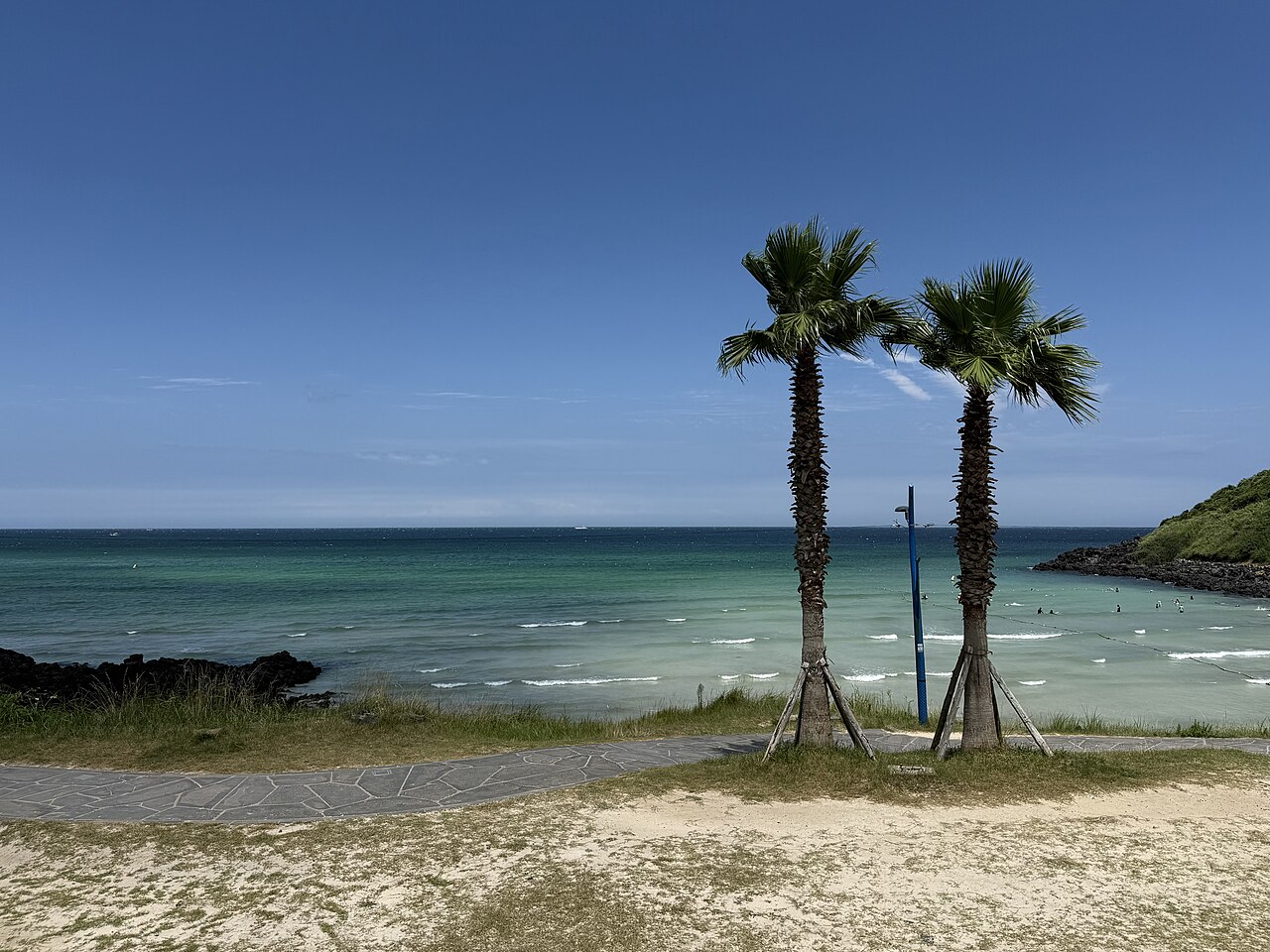
Located on the north coast of Jeju Island, Hamdeok Beach is famous for its unusually clear, turquoise water and gentle, shallow reef — making it arguably the most picturesque swimming beach in Korea.
Cheomseongdae: Asia's Oldest Surviving Observatory
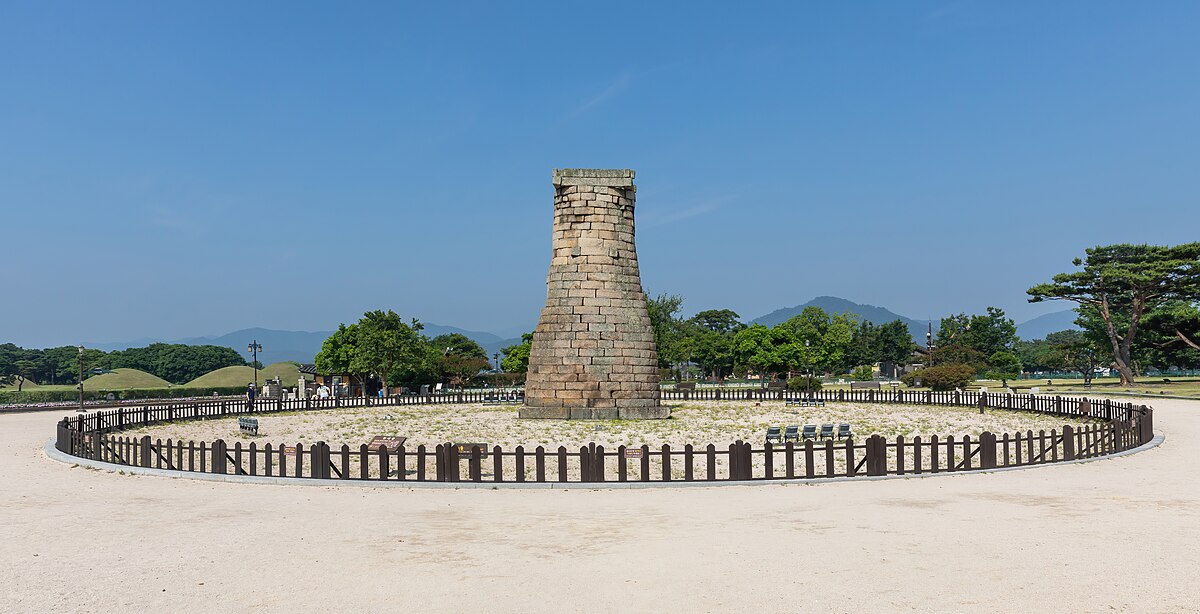
Built in the 7th century during the Silla Kingdom, Cheomseongdae is Asia's oldest surviving astronomical observatory. Its 362 stones — one for each day of the lunar year — encode the calendar in architecture.
Gwangan Bridge: Busan's Glittering Bay Landmark
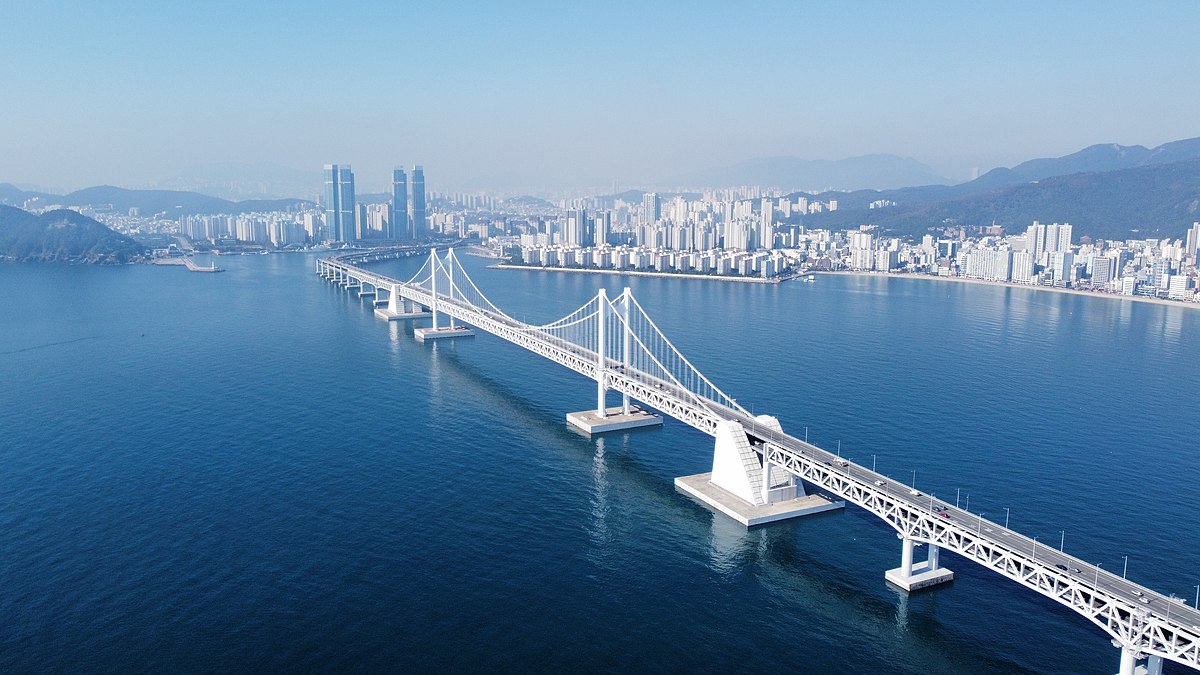
Stretching 7.4 km across Suyeong Bay, Gwangan Bridge is Korea's second-longest bridge and Busan's most iconic nocturnal spectacle. Its nightly LED light shows have made it a symbol of the city.