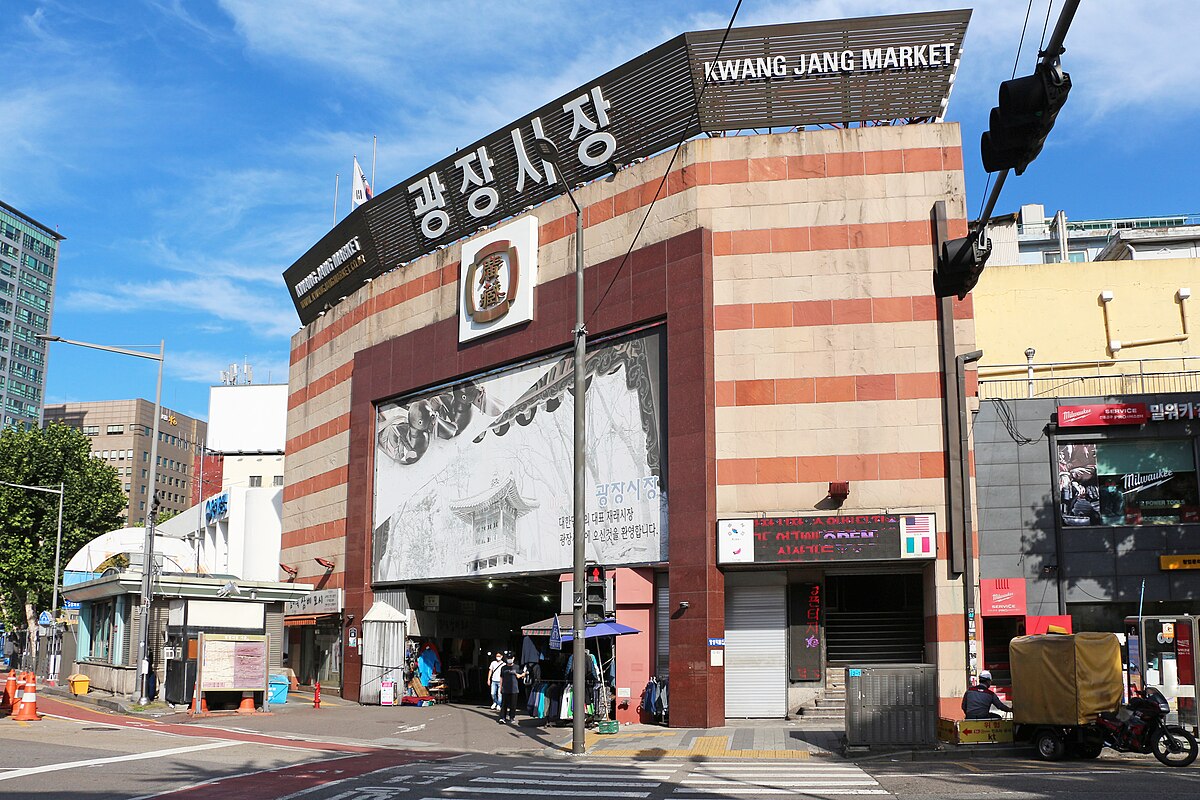
Gwangjang Market: Seoul's Oldest and Most Delicious Traditional Market
Founded in 1905, Gwangjang Market is Seoul's oldest market and most famous street food destination, renowned for bindaetteok, mayak gimbap, and yukhoe.
Photo: Wikipedia Commons
What Is Gwangjang Market?
Gwangjang Market (광장시장) holds the distinction of being Seoul's first permanent market and one of the oldest and largest traditional markets in Korea. Established in 1905 during the late Joseon Dynasty, it predates even Japanese colonial influence and remains one of the city's most authentic and beloved commercial and culinary destinations. The market is housed in a large covered building in the Jongno district, near the Cheonggyecheon Stream. It spans several blocks and contains thousands of small shops and stalls selling everything from fabrics and clothing to antiques and ceramics. However, it's the food alley at the center of the market that draws the most visitors — a bustling corridor of food stalls where grandmothers and experienced cooks serve dishes that have barely changed in decades. Gwangjang Market gained major international recognition when it was featured in Netflix's Street Food Asia series, sending visitor numbers soaring. Yet despite its global fame, it has retained its authenticity and remains a place where locals shop and eat alongside tourists.
History & Significance
The market was founded in 1905 by Korean merchants who wanted to create a Korean-owned commercial hub at a time when Japanese merchants were gaining increasing economic control. The name 'Gwangjang' means 'broad space' or 'plaza,' and the original market was indeed a large open space where vendors gathered. Through decades of Japanese occupation, war, and rapid modernization, Gwangjang Market persisted and evolved. The current covered structure was built in the mid-20th century to provide year-round trading. The textile section in particular became famous throughout Korea — during the decades when consumer goods were scarce, Gwangjang was the place to find quality fabrics, hanbok materials, and clothing. The food stalls, which began as a service for the many workers and shoppers in the market, gradually became the main attraction as Korean food culture evolved. Today the market is a living museum of Korean culinary tradition, with recipes and techniques passed down through generations of market vendors.
What to See & Do
The food alley is the must-visit section. Bindaetteok (녹두빈대떡, mung bean pancakes) are the market's signature dish — thick, crispy, savory pancakes fried fresh on flat iron griddles, best eaten hot with makgeolli (Korean rice wine). Mayak gimbap (마약 김밥, 'drug gimbap') are tiny rolls so addictively delicious they earned the nickname — perfect for snacking while you explore. Yukhoe (육회, Korean beef tartare) is another specialty of the market, served with Asian pear and raw egg yolk, and represents a dish rarely found at this quality outside of such traditional settings. For the adventurous, sundae (순대, Korean blood sausage) and various fermented and pickled side dishes offer deep flavors of traditional Korean cuisine. Beyond food, the textile floors above the food alley are fascinating to explore. Thousands of bolts of fabric in every imaginable color and pattern line the stalls, and the whole floors dedicated to vintage clothing, traditional hanbok materials, and Korean craft supplies are worth browsing even if you don't plan to buy.
- ·Try bindaetteok (mung bean pancakes) with a cup of makgeolli rice wine
- ·Order mayak gimbap — tiny, addictive rice rolls at remarkably low prices
- ·Sample yukhoe (Korean beef tartare) for an authentic traditional experience
- ·Browse the upper floors for fabrics, vintage clothing, and hanbok materials
- ·Visit on a weekday morning to see the market at its most lively and authentic
Visitor Tips
Gwangjang Market is open daily from approximately 9 AM to 11 PM, though individual stalls keep their own hours and the food alley is busiest from lunch through the evening. The market is located near Jongno 5-ga Station (Lines 1 and 5, Exit 8). Most food stall vendors accept cash only — bring plenty of Korean won in small denominations. Prices are very reasonable by Seoul standards, with most dishes running 3,000-8,000 KRW per serving. Many vendors have basic photo menus. The market gets very crowded on weekends; arrive before noon for the best experience. Point at what you want or use translation apps — most vendors don't speak English but are warm and accommodating with patient visitors.
Tips
- 💡Bring cash — most food stalls don't accept cards
- 💡Come hungry and plan to eat multiple dishes by ordering small amounts from different stalls
- 💡Pair bindaetteok with makgeolli (rice wine) — it's the classic combination locals swear by
Last updated: March 30, 2026
คุณอาจชอบเรื่องนี้ด้วย
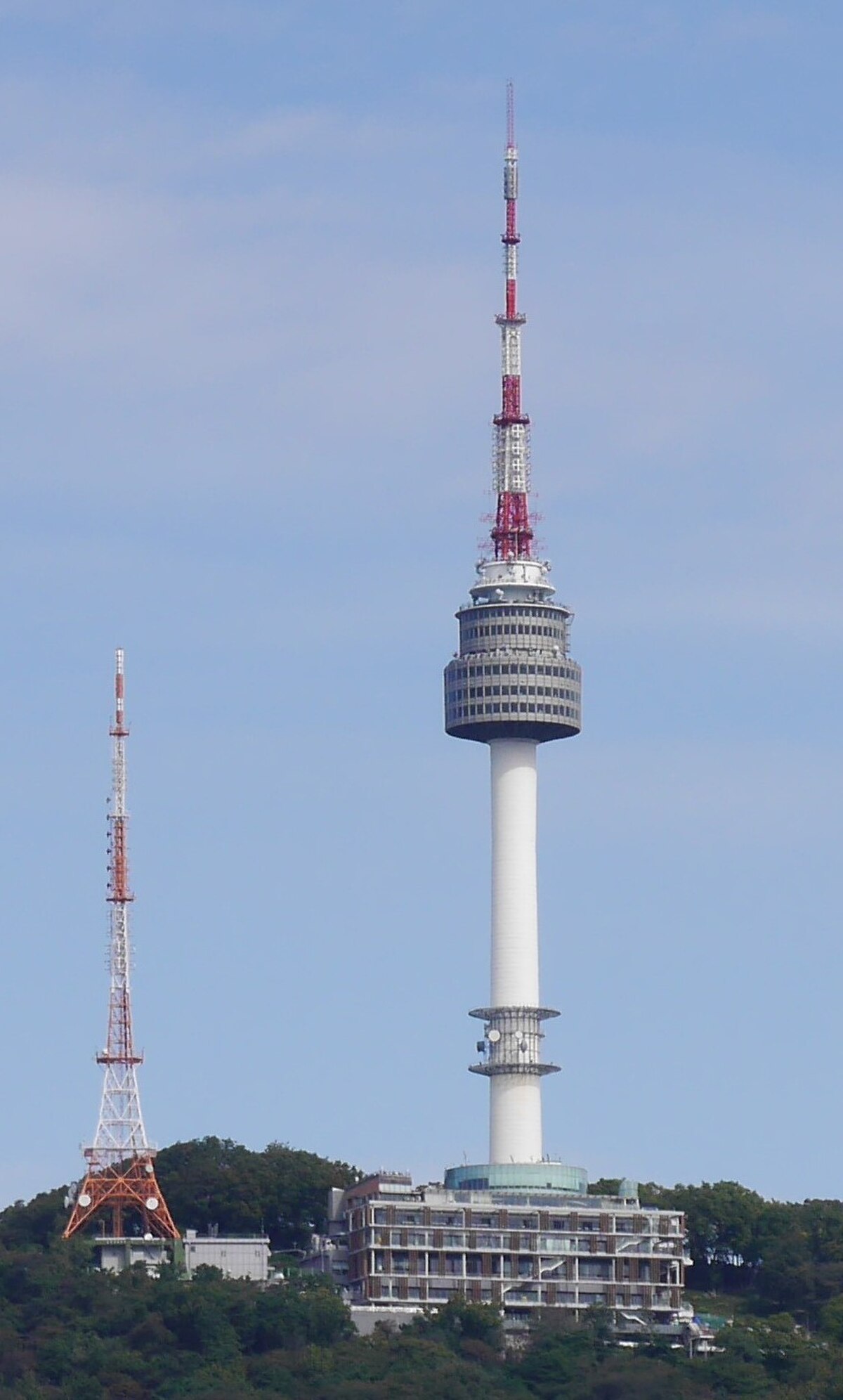
N Seoul Tower: Seoul's Most Iconic Landmark
Perched atop Namsan mountain, N Seoul Tower offers breathtaking 360-degree views of the city and has become a beloved symbol of Seoul's modern romance.
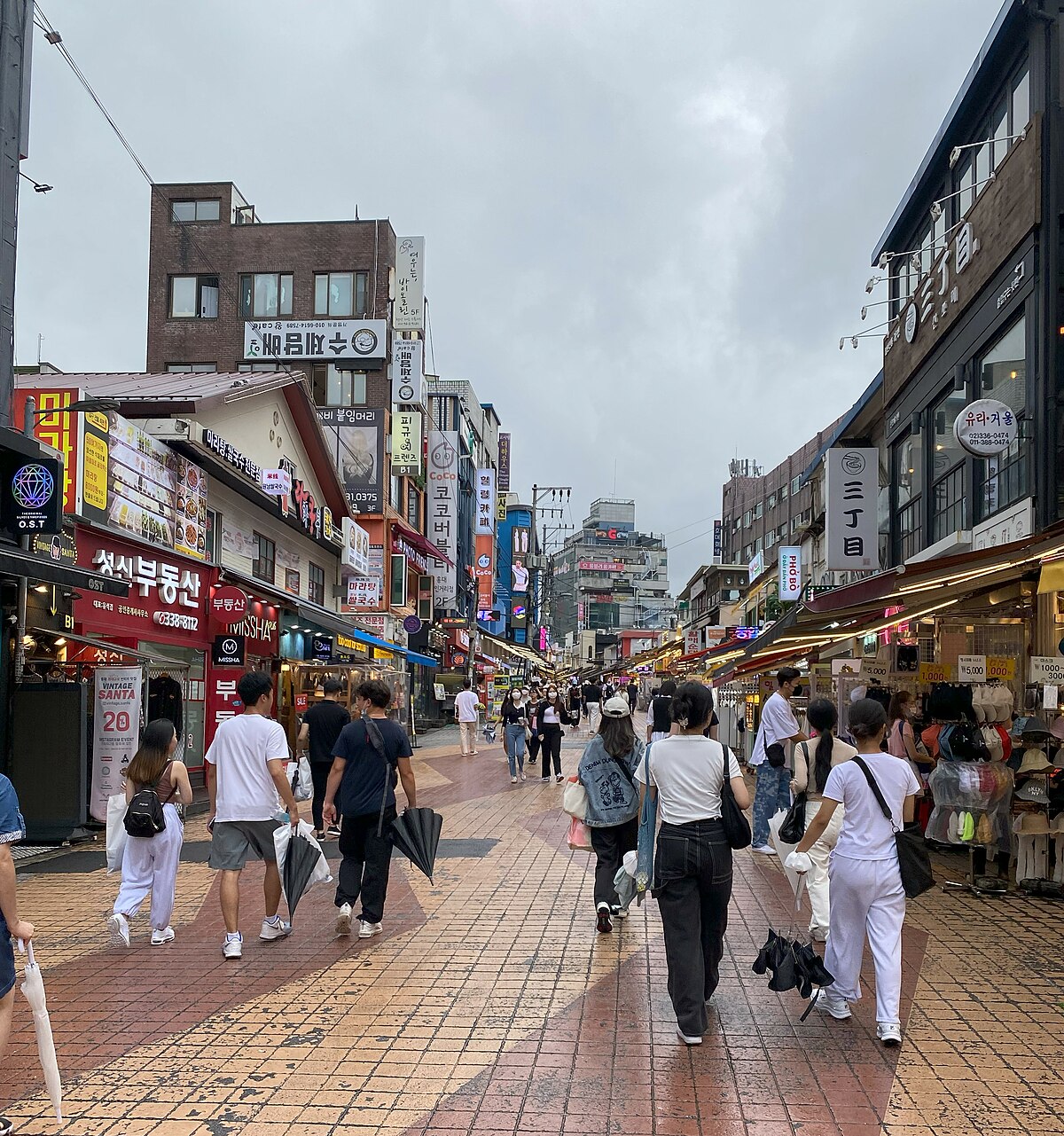
Hongdae: Seoul's Creative Youth Capital
Seoul's most vibrant arts and nightlife district, Hongdae pulses with indie music, street performances, quirky cafés, and the creative energy of Korea's top arts university.
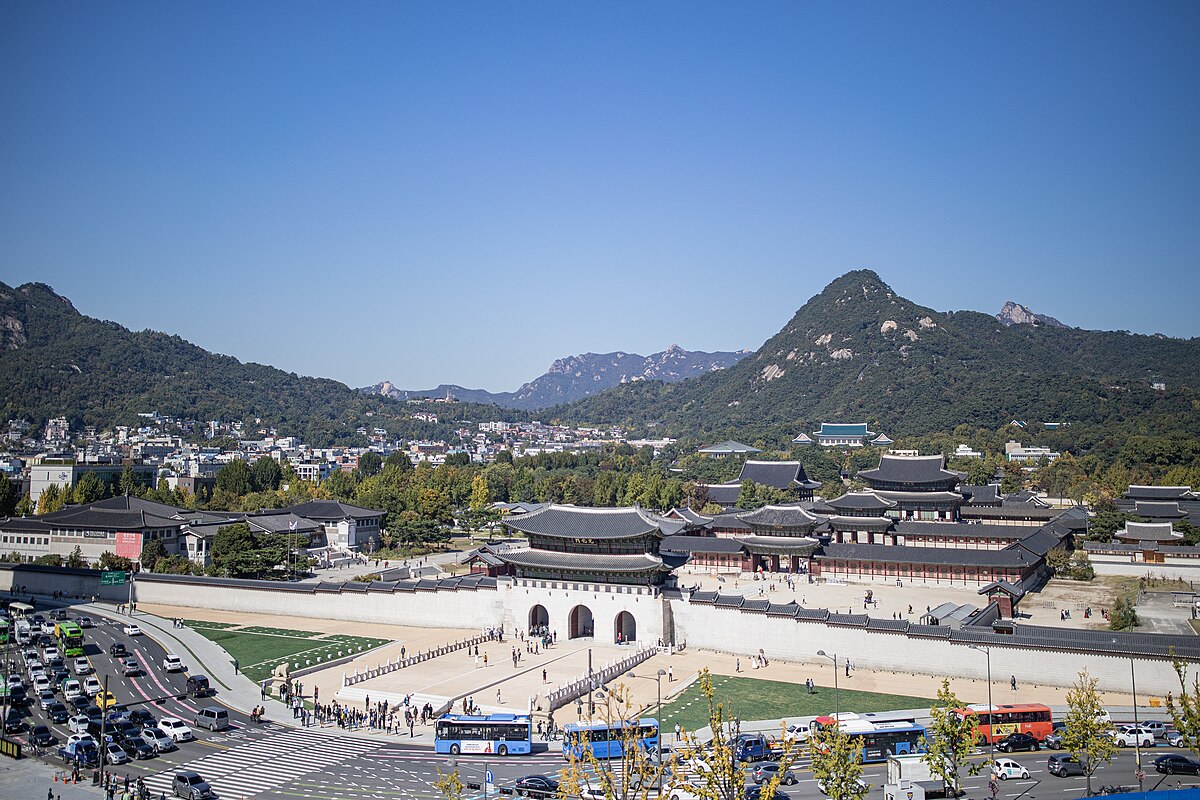
Gyeongbokgung: Seoul's Grand Joseon Palace
The largest and most magnificent of Seoul's Five Grand Palaces, Gyeongbokgung served as the heart of the Joseon Dynasty for over 500 years.