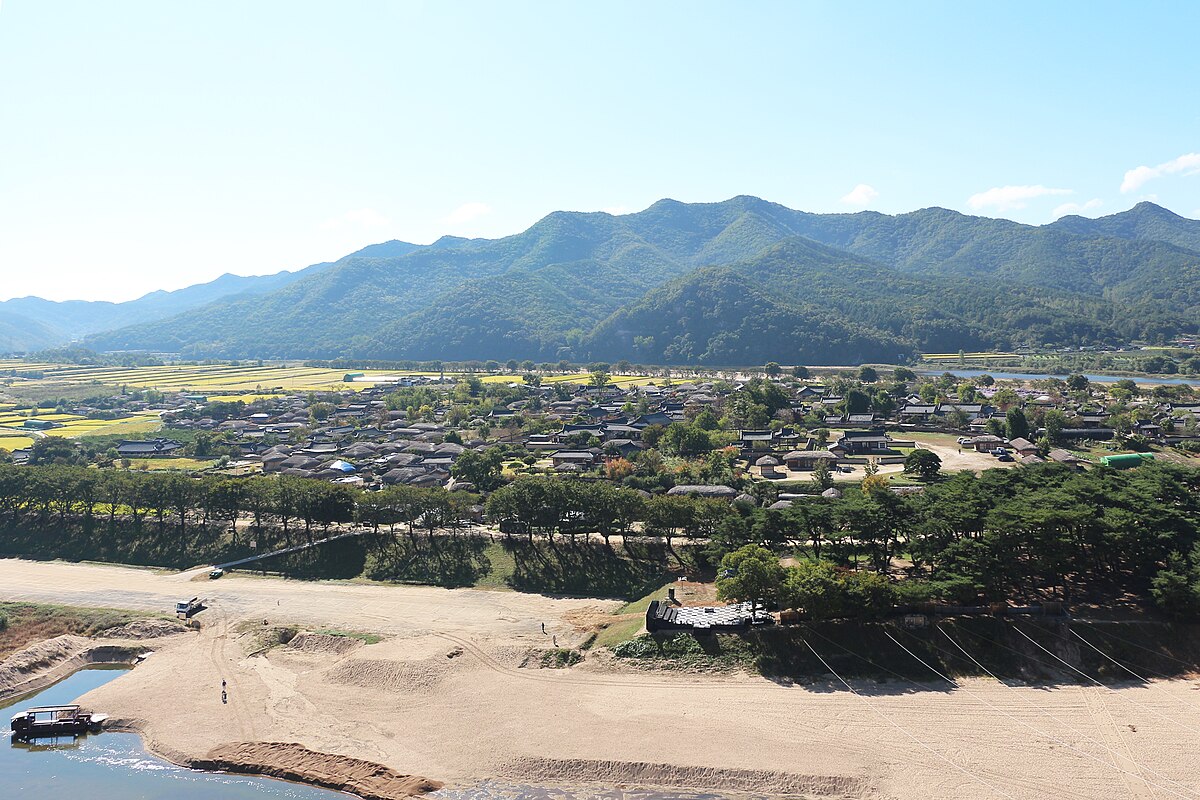
Hahoe Folk Village: Korea's Living Joseon Dynasty Village
A UNESCO World Heritage Site, Hahoe Folk Village near Andong is a living community where clan descendants still inhabit 600-year-old thatched and tiled houses in a river-bend setting of extraordinary beauty.
Photo: Wikipedia Commons
What Is Hahoe Folk Village?
Hahoe Folk Village (안동하회마을), located about 25 kilometers west of Andong in North Gyeongsang Province, is one of the most perfectly preserved traditional Korean villages in existence. The village has been continuously inhabited for approximately 600 years by descendants of the Ryu (or Ryu) clan of Pungsan — a single aristocratic clan (yangban) who established the village and whose descendants continue to live there today. The name 'Hahoe' (하회) means 'river turn' or 'water turns,' describing the village's dramatic geographic setting — it is almost entirely encircled by a wide bend of the Nakdong River, with Buyongdae Cliff rising steeply on the opposite bank. This natural moat of river water combined with the surrounding mountains creates a feng shui configuration considered ideal in Korean geomancy, and the village's physical isolation helped preserve its character through centuries of change. The village contains approximately 126 traditional buildings, including both earthen-walled thatched-roof houses (초가집) of commoner families and larger tiled-roof mansion-style houses (기와집) of the aristocratic Ryu family. Unlike preserved villages that have been emptied of residents for tourism, real people live in Hahoe — creating an authentically inhabited historical environment.
History & Significance
Hahoe's most famous historical figure is Ryu Seong-ryong (1542-1607), who served as Prime Minister during the devastating Japanese invasions of 1592-98 (the Imjin War) and wrote an important account of those events. His family compound (Yangjindang) is one of the village's key buildings. This historical connection to one of Korea's most turbulent periods adds political depth to Hahoe's cultural significance. The village is also famous as the birthplace of Hahoe Byeolsingut Talnori — a form of mask dance performance that has been performed at the village for nearly 1,000 years. The Hahoe masks (하회탈), carved from alder wood and representing different social archetypes (nobleman, scholar, monk, widow, etc.), are among Korea's most iconic folk art objects and are now designated National Treasures. The masks and the performances that use them formed part of Korea's application to UNESCO's Intangible Cultural Heritage list, which Hahoe Mask Dance was added to in 2009. Hahoe Folk Village was designated a UNESCO World Heritage Site in 2010 as one of Korea's 'Historic Villages,' jointly with Yangdong Folk Village near Gyeongju. The designation recognized both the physical preservation of the village's architecture and the living traditions maintained by its residents.
What to See & Do
Walking through the village's earthen-walled alleyways is the central experience — the smell of wood smoke, the sounds of daily life, and the view of thatched roofs against pine-covered hills create an atmosphere unlike anywhere else in Korea. Key buildings open to visitors include Yangjindang (the Ryu clan's largest house), Chunghyodang, and several smaller historic structures. The Hahoe Mask Dance performance is held regularly on weekends (typically Saturdays) at the outdoor stage within the village. The traditional performance portrays satirical scenes involving aristocrats, servants, monks, and other social types in comedic and sometimes bawdy storylines that historically allowed commoners to mock the elite — a rare form of permitted social criticism. Even without understanding the dialogue, the energy, costumes, and masks are captivating. Buyongdae Cliff on the opposite bank of the Nakdong River offers the best overall view of the village — the river bend with the village nestled within it and mountains beyond is one of Korea's most beautiful landscapes. A small ferry (only during peak seasons) or a hiking trail reaches the cliff viewpoint.
- ·Walk the alleyways between the thatched and tiled houses at a slow, contemplative pace
- ·Watch the Hahoe Mask Dance performance if visiting on a Saturday
- ·Cross to Buyongdae Cliff for the panoramic view of the village within the river bend
- ·Visit the Ryu clan's Yangjindang mansion for the largest and best-preserved aristocratic house
- ·Look for the traditional paper door patterns and hanji decorations in the village houses
Visitor Tips
Hahoe Folk Village is open daily from 9 AM to 6 PM (extended in summer). Admission is 5,000 KRW for adults. The village is located 25km from Andong city center; take Bus 46 from Andong Bus Terminal (about 40 minutes) or go by taxi. The Andong International Mask Dance Festival held each October near Hahoe is one of Korea's most beloved festivals and the best time to experience traditional performance arts at the village. The village deserves at least 3-4 hours for proper exploration. Weekday mornings are ideal for a more peaceful visit. Remember that real residents live here — be respectful of private spaces and don't enter marked private areas. Andong itself is worth visiting for Andong Jjimdak (braised spicy chicken) and other regional specialties. A combination of Hahoe and the Andong area Confucian academies (Dosan Seowon is particularly important) makes for an excellent full day in the traditional Korean heartland.
Tips
- 💡Visit on a Saturday to see the Hahoe Mask Dance performance (usually at 2 PM)
- 💡Cross the river to Buyongdae Cliff for the iconic view of the village within the river bend
- 💡Respect that this is a living village — residents are your hosts, not museum exhibits
Last updated: March 30, 2026
คุณอาจชอบเรื่องนี้ด้วย
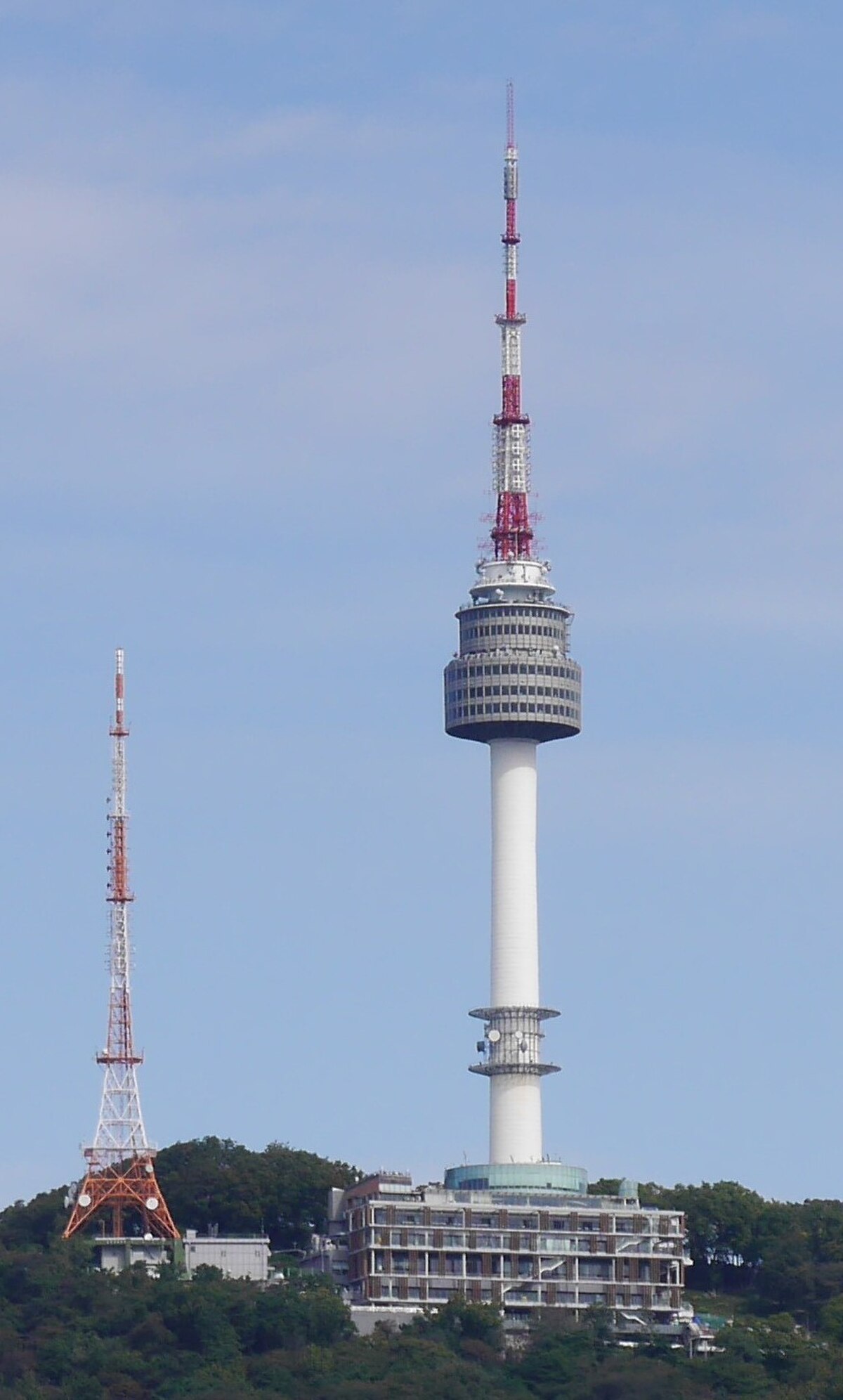
N Seoul Tower: Seoul's Most Iconic Landmark
Perched atop Namsan mountain, N Seoul Tower offers breathtaking 360-degree views of the city and has become a beloved symbol of Seoul's modern romance.
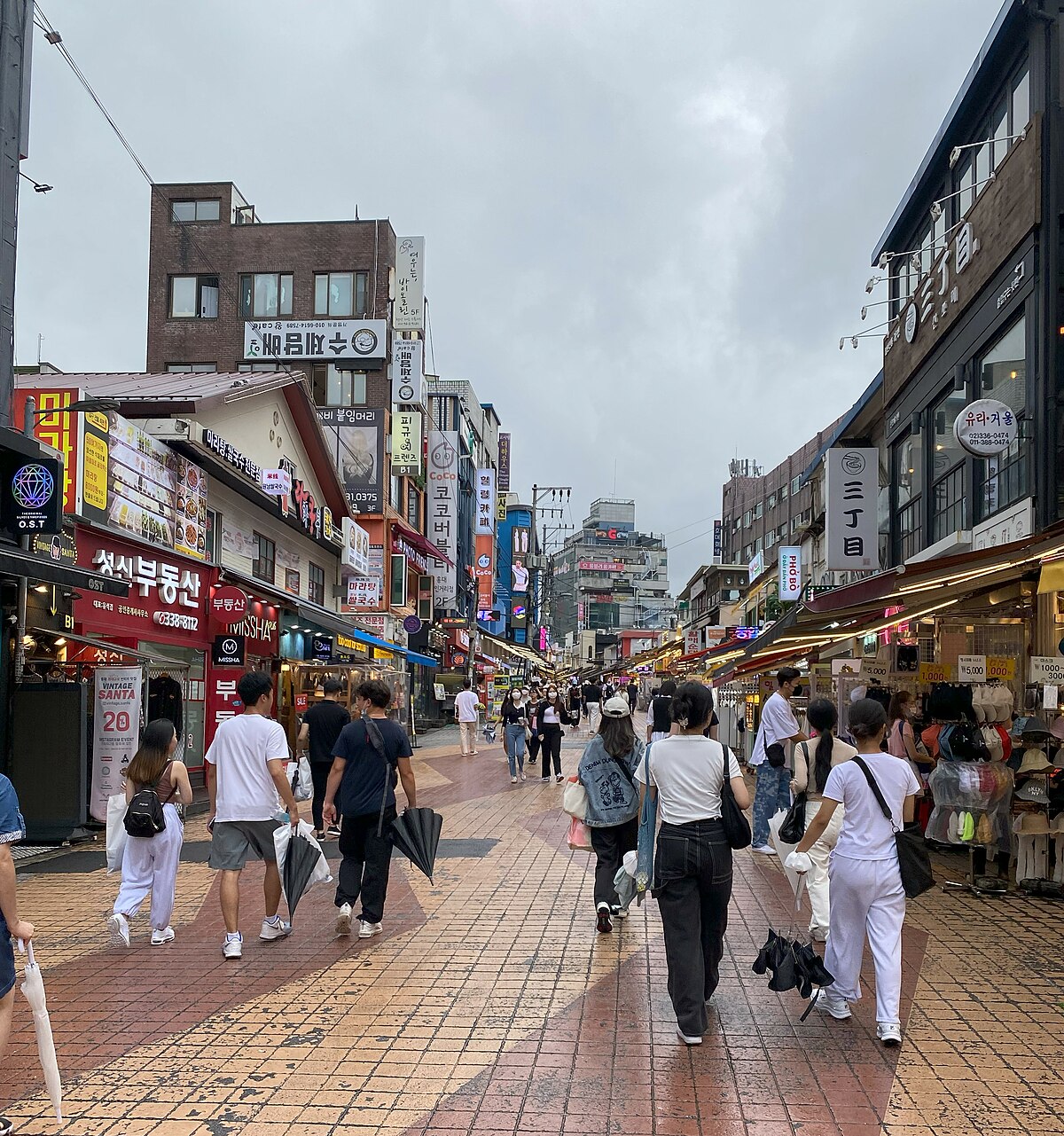
Hongdae: Seoul's Creative Youth Capital
Seoul's most vibrant arts and nightlife district, Hongdae pulses with indie music, street performances, quirky cafés, and the creative energy of Korea's top arts university.
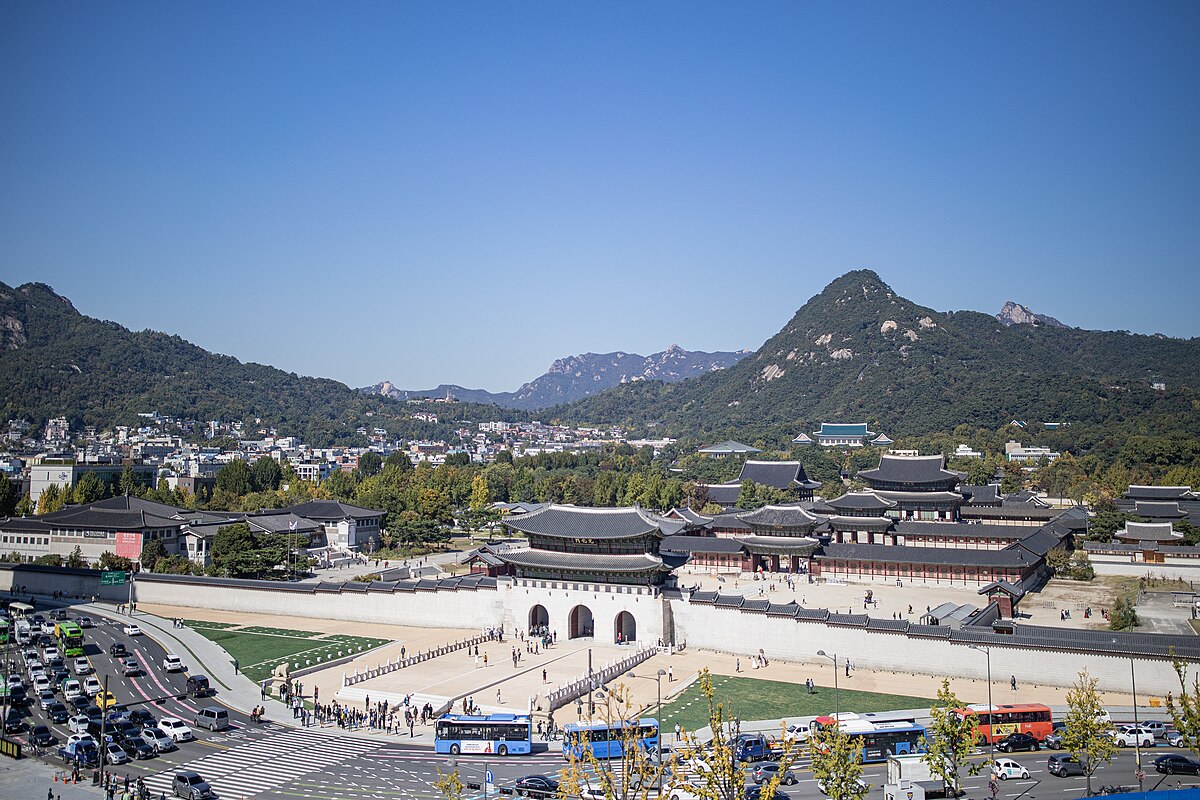
Gyeongbokgung: Seoul's Grand Joseon Palace
The largest and most magnificent of Seoul's Five Grand Palaces, Gyeongbokgung served as the heart of the Joseon Dynasty for over 500 years.