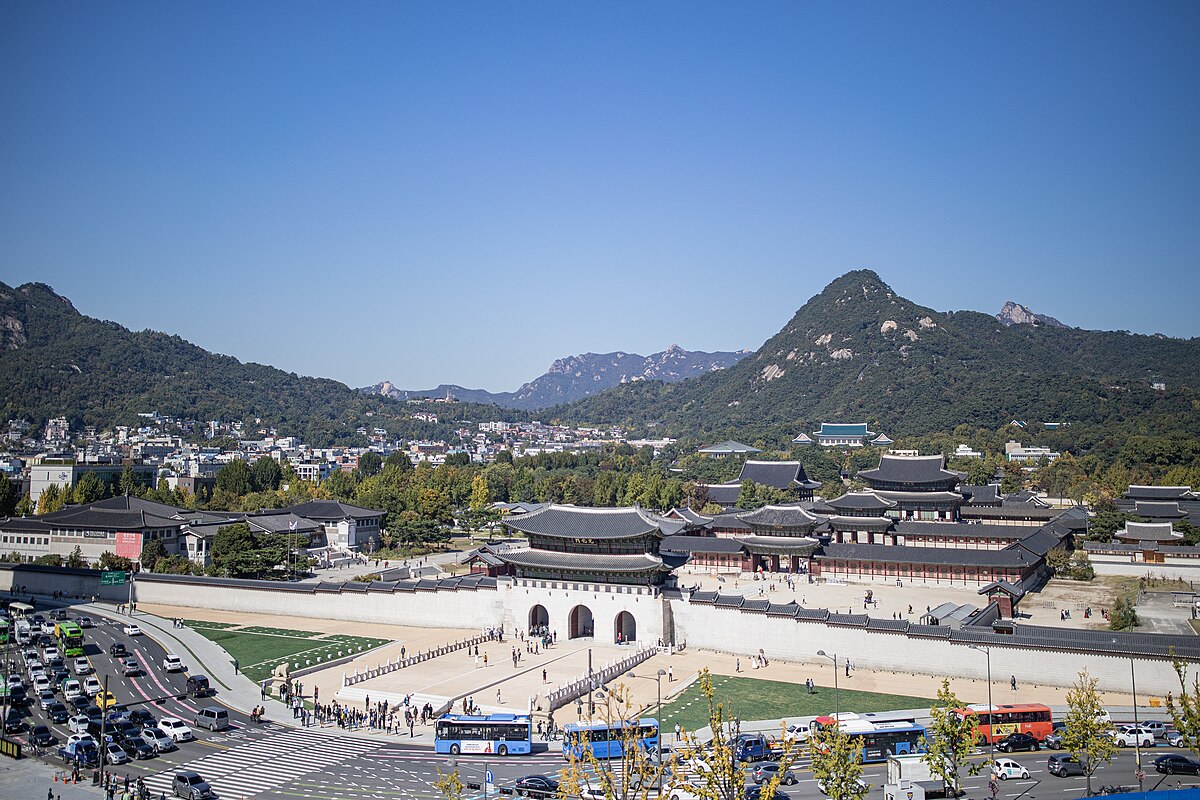
Gyeongbokgung: Seoul's Grand Joseon Palace
The largest and most magnificent of Seoul's Five Grand Palaces, Gyeongbokgung served as the heart of the Joseon Dynasty for over 500 years.
Photo: Wikipedia Commons
What Is Gyeongbokgung?
Gyeongbokgung (경복궁), meaning 'Palace Greatly Blessed by Heaven,' is the largest and most iconic of Seoul's Five Grand Palaces. Built in 1395 by King Taejo, the founder of the Joseon Dynasty, it served as the main royal palace for centuries and remains one of Korea's most treasured historical landmarks. Set against the dramatic backdrop of Bugaksan mountain, the palace complex covers 410,000 square meters and contains hundreds of buildings, grand gates, ceremonial halls, and tranquil gardens. Walking through its imposing Gwanghwamun Gate transports visitors back to the height of Joseon Dynasty power and culture. The palace was heavily damaged during the Japanese colonial period but has undergone extensive restoration since 1990, with ongoing work to return it closer to its original grandeur. Today it draws millions of visitors annually who come to experience its majestic architecture and rich history.
History & Significance
Founded in 1395, just three years after the Joseon Dynasty began, Gyeongbokgung was the political and cultural center of Korea for over 200 years. The palace housed the royal court, government offices, and the royal family, making it the nerve center of the entire kingdom. The palace suffered tremendous destruction during the Japanese invasion of 1592-98, when it was burned to the ground along with much of Seoul. It lay in ruins for nearly 270 years until King Gojong ordered its reconstruction in 1865-68. However, during the Japanese colonial period (1910-1945), the Japanese colonial government demolished about 90% of the palace buildings and built the Japanese Government-General Building in front of the main hall, a deliberate act of cultural suppression. Since Korean independence, the government has worked to restore the palace. The Japanese colonial building was demolished in 1995, and restoration continues today. Gyeongbokgung stands as a powerful symbol of Korean cultural identity and resilience.
What to See & Do
The palace offers a wealth of experiences across its vast grounds. Geunjeongjeon, the main throne hall, is the grandest structure and where the king held court and received foreign dignitaries. Gyeonghoeru Pavilion, a stunning two-story hall set in the middle of a lotus pond, is one of Korea's most beautiful architectural treasures, used for royal banquets and celebrations. The National Folk Museum and National Palace Museum of Korea are both located within the palace grounds, offering deep dives into Joseon-era life and culture. Visitors can also watch the elaborate Changing of the Royal Guard ceremony at Gwanghwamun Gate, held multiple times daily. Dressing in hanbok (traditional Korean clothing) allows free entry to the palace, and many visitors take advantage of this opportunity for memorable photos in the historical setting.
- ·Watch the Changing of the Royal Guard at Gwanghwamun Gate (free, held several times daily)
- ·Rent hanbok at nearby shops for free entry and stunning photos
- ·Visit Gyeonghoeru Pavilion, especially beautiful reflected in the lotus pond
- ·Explore the National Folk Museum of Korea (free entry, great for families)
- ·Try a night tour — the palace is illuminated beautifully after dark (seasonal)
Visitor Tips
Gyeongbokgung is open Tuesday through Sunday, closed on Tuesdays. Hours are generally 9 AM to 6 PM (extended to 7 PM in summer). Admission is 3,000 KRW for adults, with discounts for seniors and free entry for children under 6. Hanbok wearers enter free. The palace is a 5-minute walk from Gyeongbokgung Station (Line 3, Exit 5) or Gwanghwamun Station (Line 5, Exit 2). Arrive early on weekends to avoid crowds, especially at the guard changing ceremony. Audio guides and English-language tours are available. The palace grounds are extensive — wear comfortable shoes and plan at least 2-3 hours for a thorough visit.
Tips
- 💡Wear hanbok (Korean traditional clothing) for free admission — rental shops are just outside the gates
- 💡Arrive early or on weekdays to avoid the largest tourist crowds
- 💡The night tour (운야, available seasonally) offers a magical illuminated experience
Last updated: March 30, 2026
Bạn cũng có thể thích
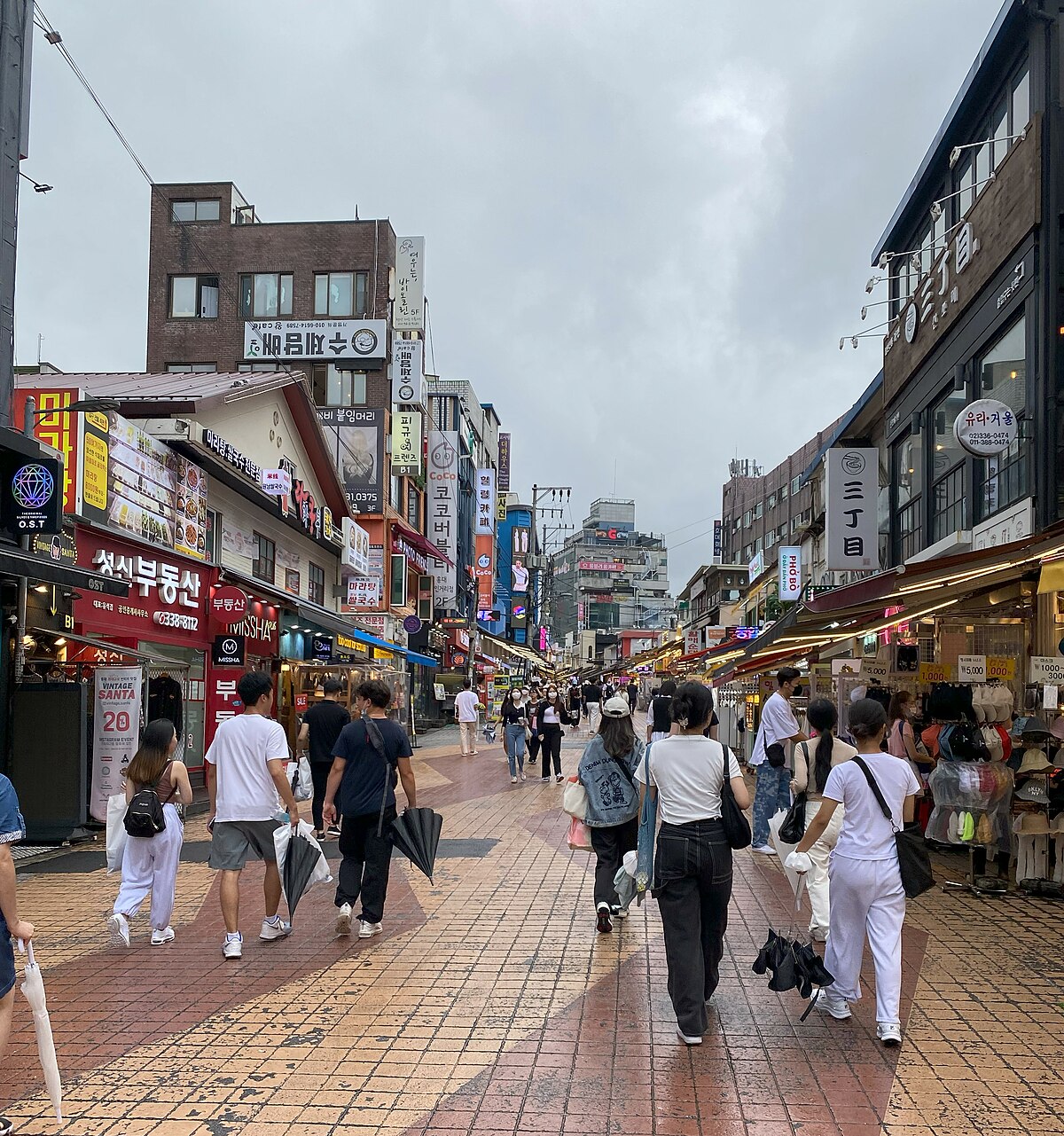
Hongdae: Seoul's Creative Youth Capital
Seoul's most vibrant arts and nightlife district, Hongdae pulses with indie music, street performances, quirky cafés, and the creative energy of Korea's top arts university.
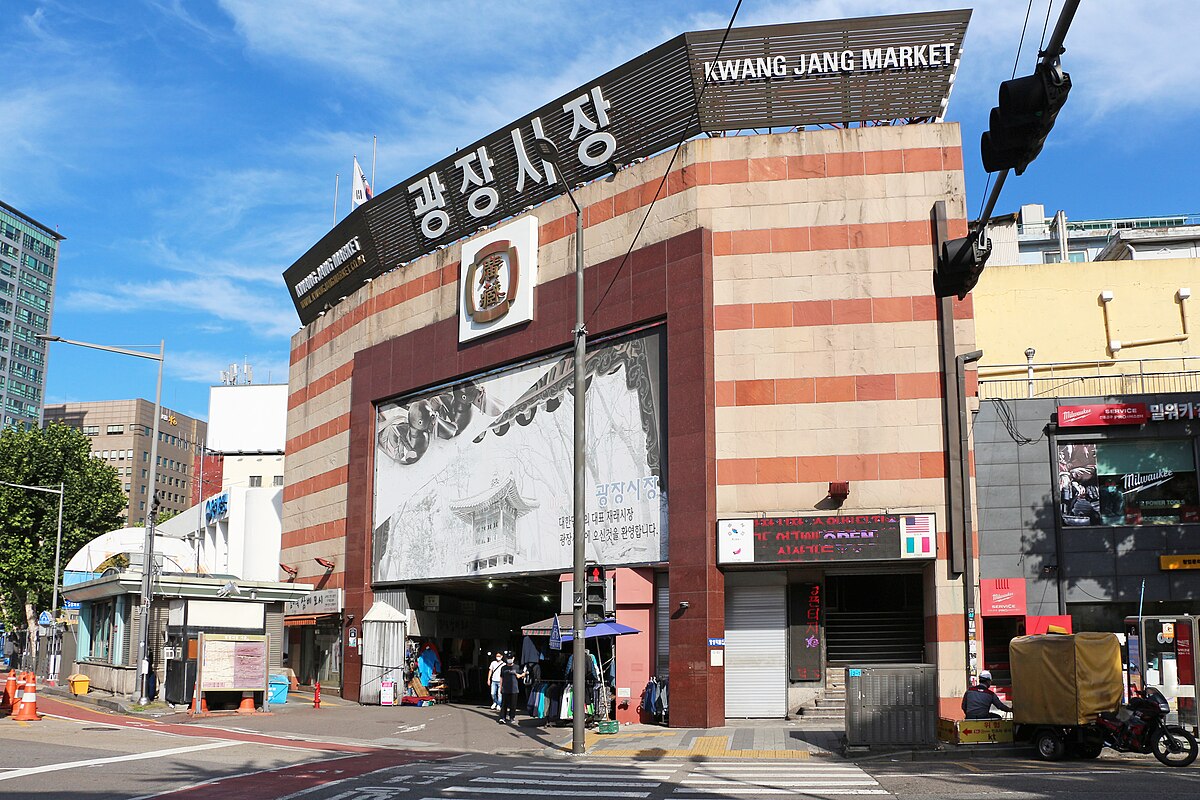
Gwangjang Market: Seoul's Oldest and Most Delicious Traditional Market
Founded in 1905, Gwangjang Market is Seoul's oldest market and most famous street food destination, renowned for bindaetteok, mayak gimbap, and yukhoe.
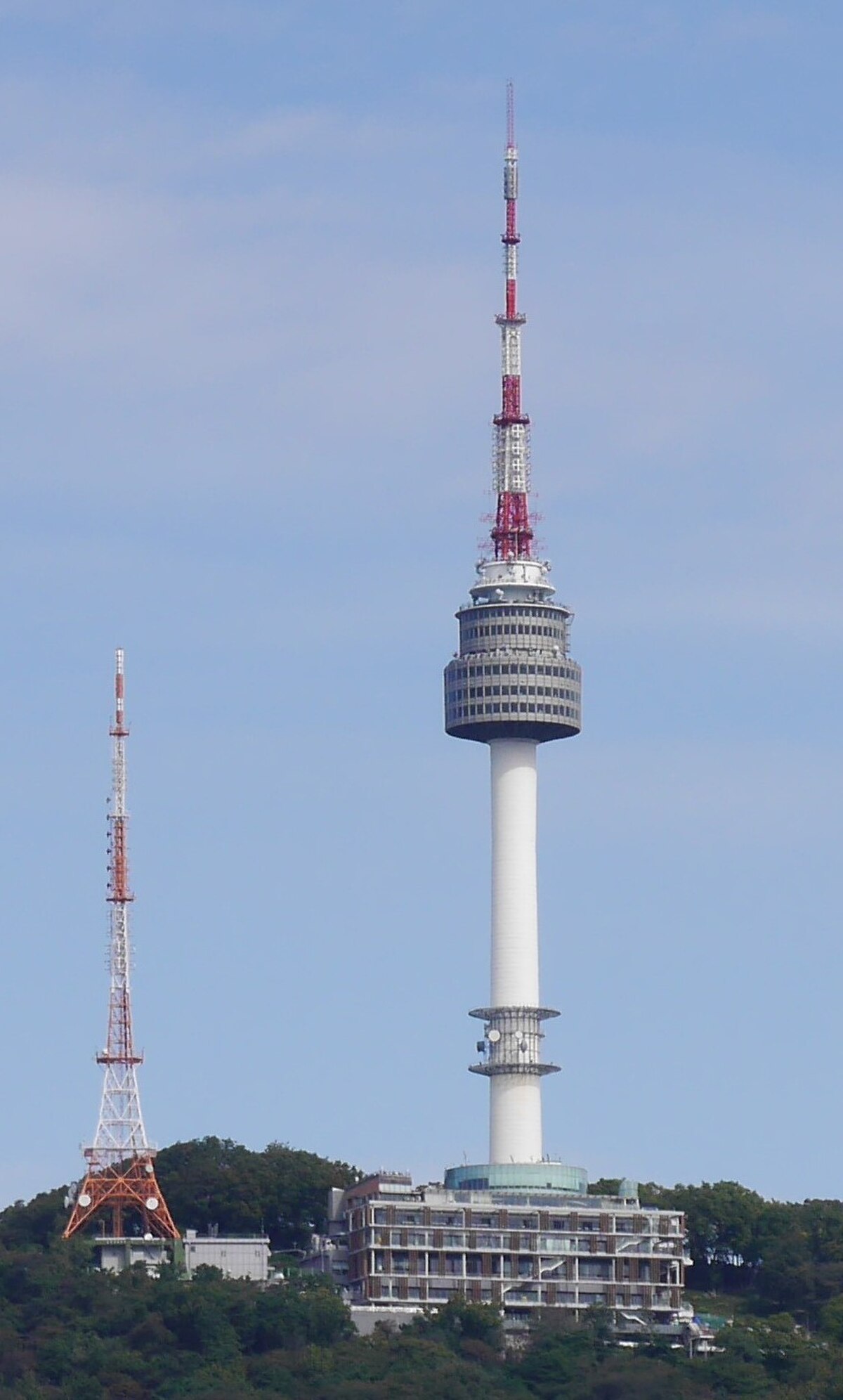
N Seoul Tower: Seoul's Most Iconic Landmark
Perched atop Namsan mountain, N Seoul Tower offers breathtaking 360-degree views of the city and has become a beloved symbol of Seoul's modern romance.