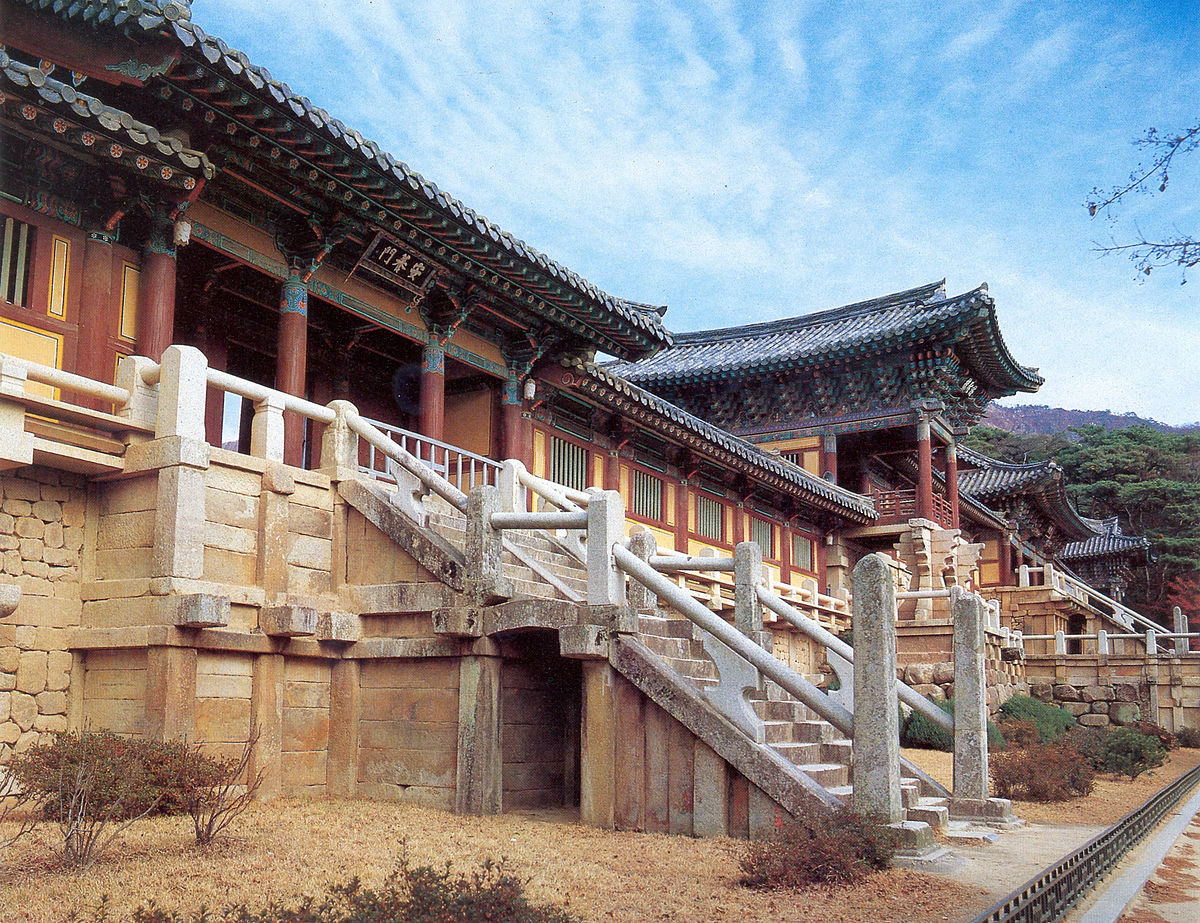
Bulguksa Temple: Gyeongju's UNESCO Buddhist Masterpiece
A UNESCO World Heritage Site, Bulguksa Temple is the finest surviving example of Silla Dynasty Buddhist architecture, featuring two exquisite pagodas and sublime stone staircases.
Photo: Wikipedia Commons
What Is Bulguksa Temple?
Bulguksa (불국사), meaning 'Temple of the Buddha Land,' is the most celebrated Buddhist temple in Korea and the greatest surviving example of Silla Dynasty (57 BCE - 935 CE) Buddhist architecture. Located on the slopes of Tohamsan mountain southeast of Gyeongju, it was built in 751 CE under the direction of Kim Dae-seong, a high minister of the Silla Kingdom, during the reign of King Gyeongdeok. The temple complex is renowned for its architectural harmony — the careful integration of stone, wood, and landscape creates a unified sacred environment of remarkable beauty. The stone foundations, staircases, and bridges are original 8th-century Silla construction and are among the finest examples of stone masonry from ancient Korea. The wooden halls above them, destroyed during the Japanese invasion of 1592 and reconstructed in later centuries, remain faithful to the original designs. Bulguksa was designated a UNESCO World Heritage Site in 1995 as part of the 'Gyeongju Historic Areas' designation, which recognized the city as an open-air museum of Silla civilization. The temple is also a National Historic Site of Korea (Historic Site No. 502) and houses six National Treasures of Korea within its grounds.
History & Significance
The founding of Bulguksa is attributed to Kim Dae-seong, who according to legend ordered its construction to honor his parents from a previous life as well as his parents in his current life — thus explaining the temple's dual construction with two major hall complexes. The temple as originally built was far larger than what exists today; its recorded 2,000 rooms were reduced to a fraction of that number after repeated attacks and fires over the centuries. The most devastating destruction came during the Japanese invasion of 1592 (Imjin War), when invading forces burned the wooden structures. The stone elements survived, preserving the original 8th-century foundations, stairs, and pagodas that visitors see today. Reconstruction of the wooden halls occurred in stages over subsequent centuries, with major restoration work in the 1970s bringing the complex closer to its historical appearance. Bulguksa has always been an active Buddhist temple, and it remains so today. Korean Buddhist monks (Jogye Order) live and practice here, adding living spiritual energy to the historical significance. Thousands of paper lanterns illuminate the temple during Buddha's Birthday celebrations (Lotus Lantern Festival, late April/May), transforming the site into a magical spectacle.
What to See & Do
The approach to the main hall complex begins with the famous stone staircases: the Cheongun Bridge (Cloud-Touching Bridge) and Baegung Bridge below lead to the Jaha Gate, while the Yeonhwa Bridge and Chilbo Bridge lead to the Anyangmun Gate. These elegant stone bridges and stairs, which no longer allow foot traffic to protect them, represent the symbolic ascent from the human world to the Buddhist land. Within the main courtyard stand two pagodas — the most famous objects at Bulguksa. Dabotap (Many Jewels Pagoda) is the more ornate, with its intricate tiers, corner lion figures, and elaborate staircases. Seokgatap (Shakyamuni Pagoda) is simpler and more austere, a pure expression of Silla geometric form. Both are National Treasures and among the finest examples of Korean stone pagoda construction. The image of Dabotap appears on the South Korean 10-won coin. The main hall Daeungjeon houses a golden seated Buddha, and the rear Gwaneumjeon (Hall of Avalokitesvara) contains the beautiful Gilded Bronze Standing Buddha of Unified Silla. The temple grounds also contain a small pond and various auxiliary halls worth exploring.
- ·Observe the famous paired pagodas Dabotap and Seokgatap — both National Treasures
- ·Photograph the Cheongun-gyo (Cloud-Touching) stone staircase, an icon of Korean architecture
- ·Visit the rear hall Gwaneumjeon for a more intimate, less-visited sacred space
- ·Time a visit during Buddha's Birthday celebrations (April/May) for the lantern illuminations
- ·Combine with Seokguram Grotto — the two sites are traditionally visited together, 4km apart
Visitor Tips
Bulguksa is open daily from 7 AM to 6 PM (November-February) or 7 AM to 7 PM (March-October). Admission is 6,000 KRW for adults. The temple is located about 15km southeast of central Gyeongju; take Bus 10 or 11 from Gyeongju Bus Terminal or the Gyeongju City tour bus. Allow at least 1.5-2 hours for a thorough visit. Audio guide rentals are available at the entrance. The temple is often crowded during weekends and Korean national holidays; early morning visits (shortly after 7 AM opening) are far more peaceful and allow better photography of the stone structures without crowds. An English-language leaflet is available at the entrance ticket office. Combine the visit with Seokguram Grotto 4km up the mountain (accessible by shuttle bus from Bulguksa) for the complete Tohamsan cultural experience.
Tips
- 💡Arrive right at opening (7 AM) for crowd-free photography of the stone bridges and pagodas
- 💡The Dabotap pagoda is the more photogenic of the two — its image appears on Korean 10-won coins
- 💡Plan the Bulguksa + Seokguram combination as a half-day Tohamsan cultural excursion
Last updated: March 30, 2026
你可能也喜欢
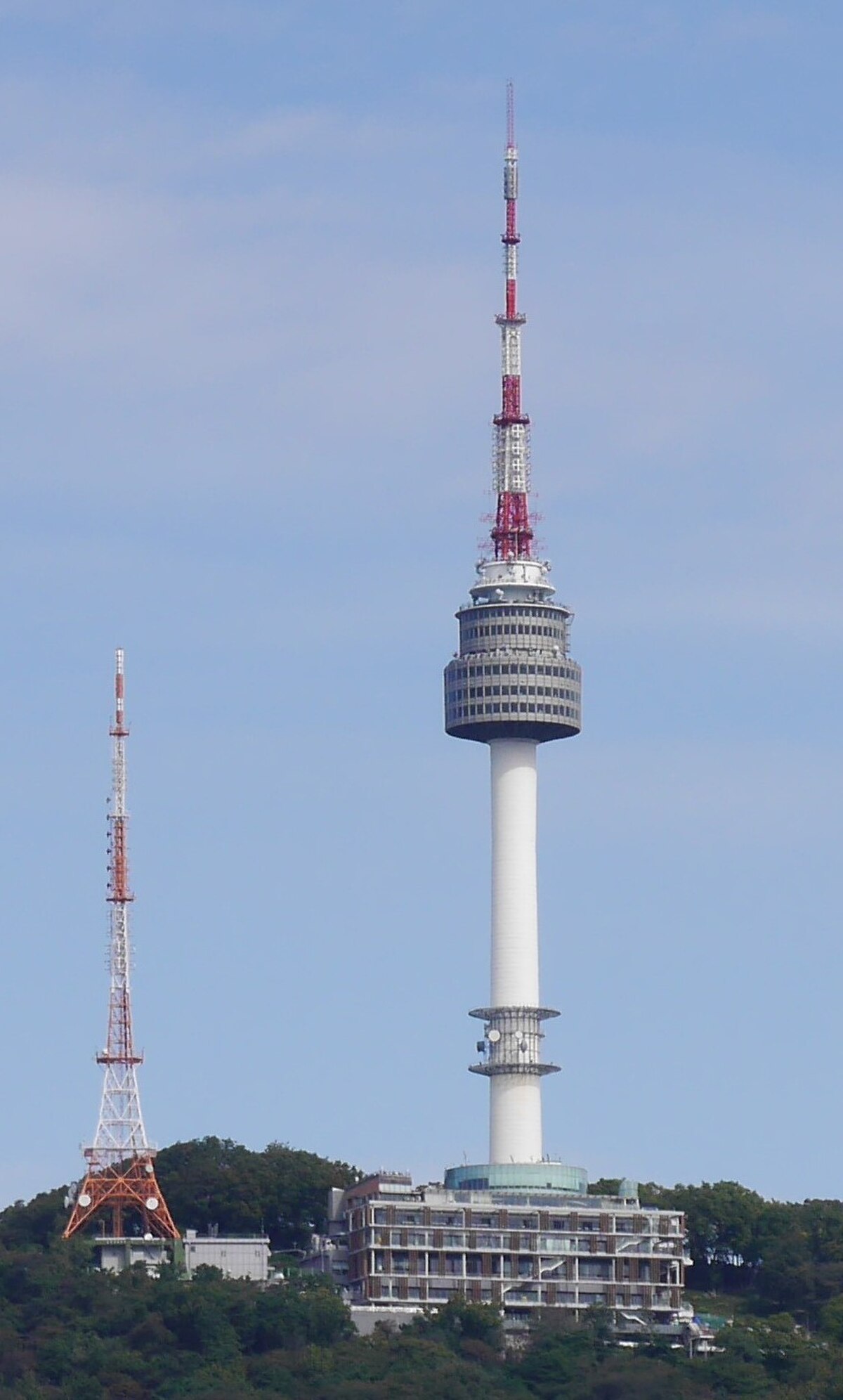
N Seoul Tower: Seoul's Most Iconic Landmark
Perched atop Namsan mountain, N Seoul Tower offers breathtaking 360-degree views of the city and has become a beloved symbol of Seoul's modern romance.
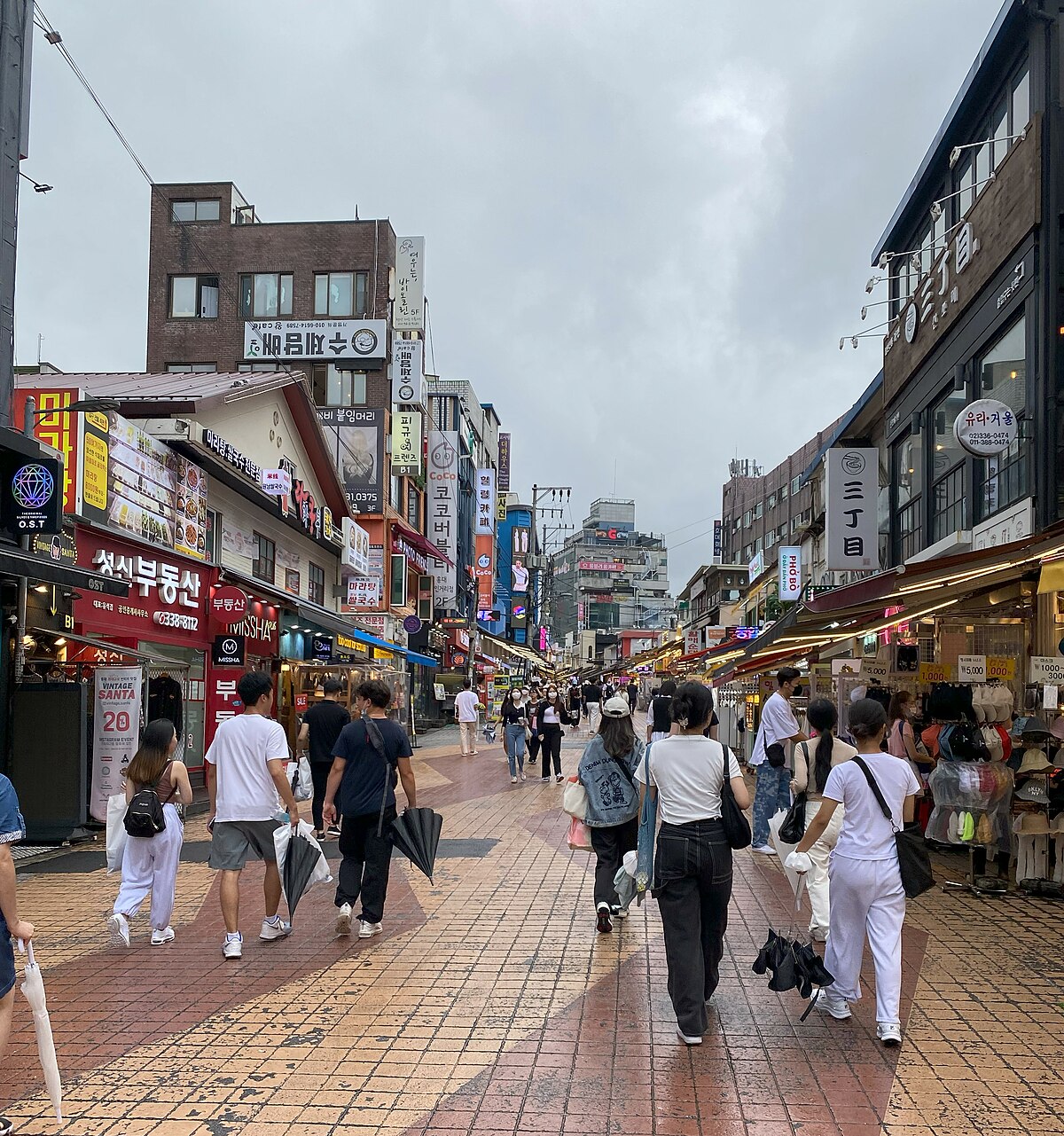
Hongdae: Seoul's Creative Youth Capital
Seoul's most vibrant arts and nightlife district, Hongdae pulses with indie music, street performances, quirky cafés, and the creative energy of Korea's top arts university.
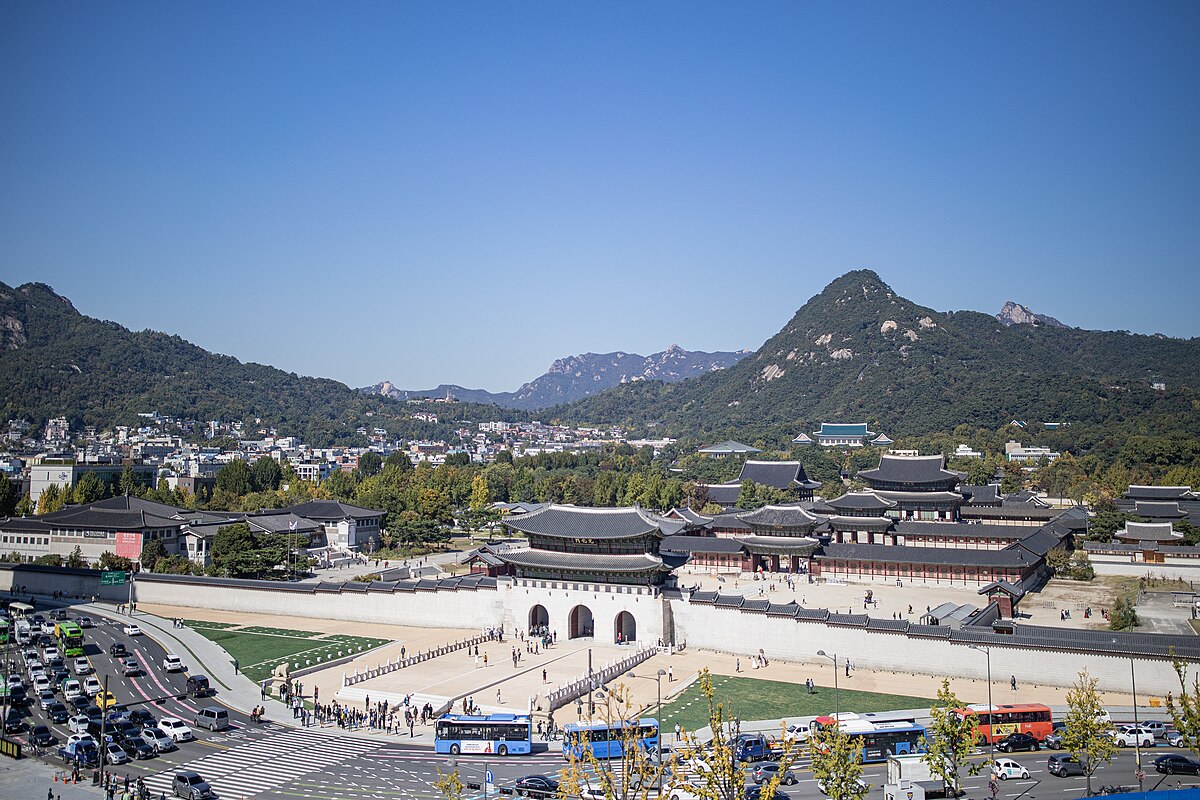
Gyeongbokgung: Seoul's Grand Joseon Palace
The largest and most magnificent of Seoul's Five Grand Palaces, Gyeongbokgung served as the heart of the Joseon Dynasty for over 500 years.