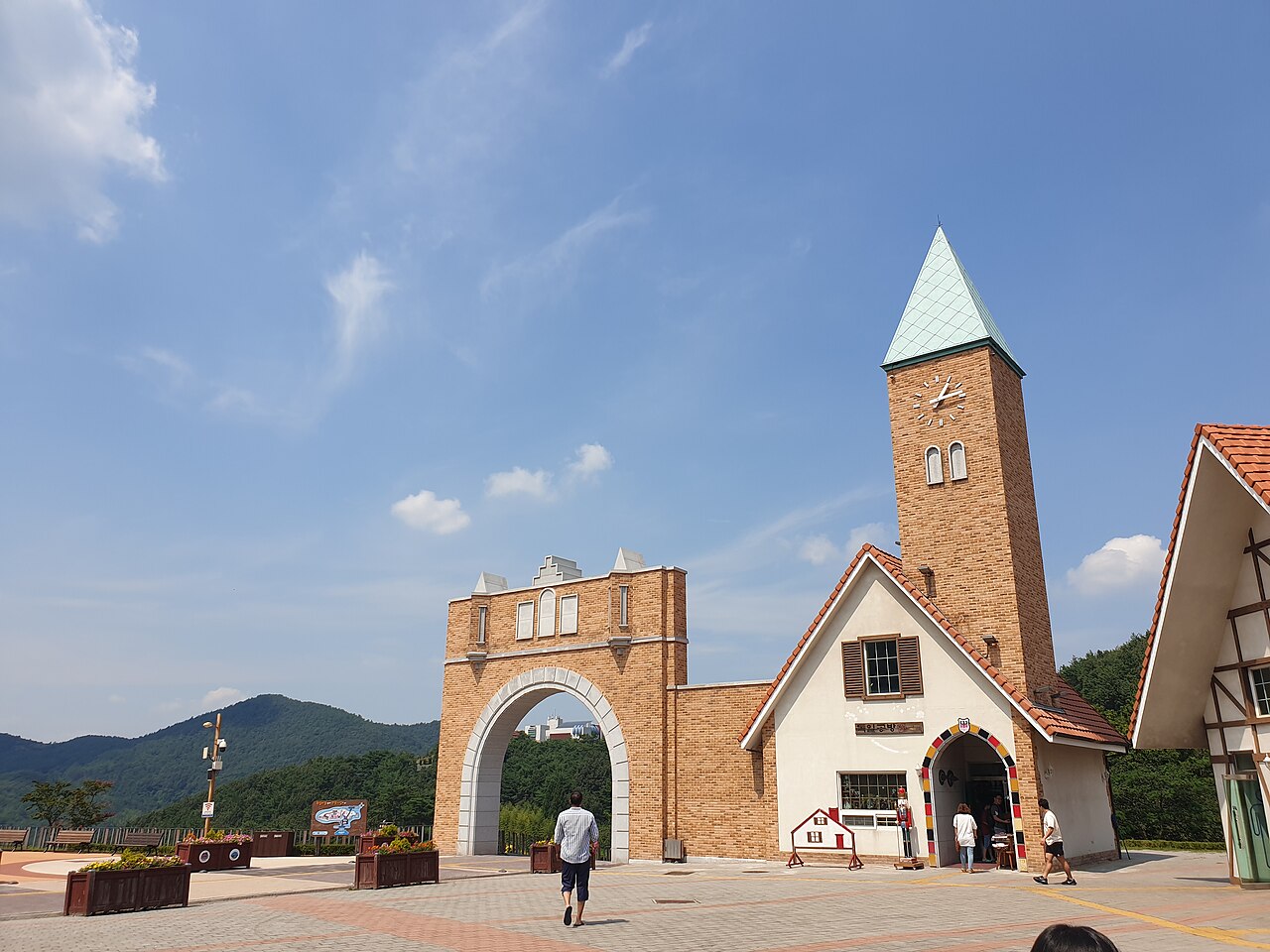
German Village Namhae: Korean-Germans Return to the Homeland
Namhae's German Village is a unique hillside community built by Korean migrants who worked in West Germany as miners and nurses during the 1960s and 1970s, and later chose to retire in Korea while recreating the Bavarian architectural style of their adopted home.
Photo: Wikipedia Commons
What Is the German Village?
The German Village (독일마을) in Mulsan-ri, Namhae County, is a residential and cultural attraction consisting of approximately 30 Bavarian-style houses built since 2001 by Korean workers who spent their careers in West Germany. The red-roofed, half-timbered houses with manicured gardens sit on a hillside overlooking the blue waters of the South Sea, creating an incongruous but charming European streetscape against a Korean island backdrop. Several residents open their homes as guesthouses and small museums, sharing their personal histories of life as guest workers in Germany.
History & Significance
During the 1960s and 1970s, South Korea's government signed labour agreements with West Germany to supply workers during the country's post-war economic recovery. Over 8,000 Korean miners were sent to work in the Ruhr coalfields and over 10,000 nurses worked in German hospitals under government contract. These workers sent remittances home that contributed significantly to Korea's own economic development. When they retired, many chose to return to Korea but brought German architectural tastes with them. Namhae County specifically invited them to build on a designated hillside, creating what is now a living monument to this cross-cultural chapter of Korean history.
What to See & Do
The village is best explored on foot — a circular walking route through the lanes takes about an hour. Several houses run small personal museums displaying German memorabilia, mining equipment, and photographs from the 1960s and 1970s. A German-style beer garden and a bakery selling rye bread and pretzels operate seasonally. The Namhae German Village Festival held in October features traditional German and Korean performances, beer, and sausage markets.
Visitor Tips
The village is a 15-minute drive from Namhae town centre. Accommodation in resident guesthouses books up far in advance — reserve several months ahead for October festival weekends. The hilltop viewing point above the village offers the most iconic photograph of the red roofs against the sea.
Tips
- 💡Stay overnight in a resident guesthouse for direct conversations with the Korean-German community.
- 💡The October festival is the most vibrant time to visit — book accommodation many months ahead.
- 💡The viewing platform above the village gives the classic hillside-meets-sea panorama.
最后更新:2026年9月1日
你可能也喜欢
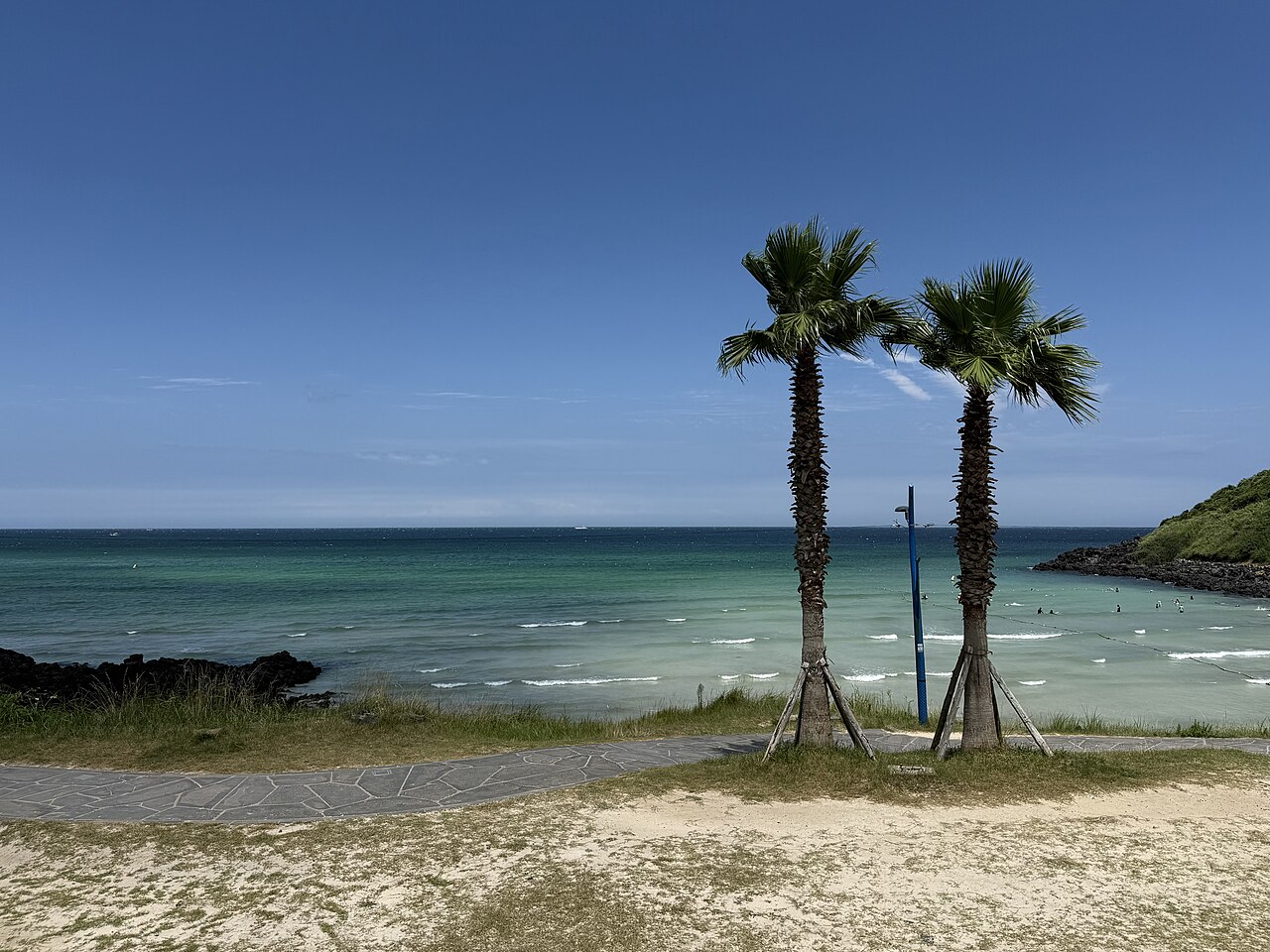
Hamdeok Beach: Jeju's Turquoise Gem
Located on the north coast of Jeju Island, Hamdeok Beach is famous for its unusually clear, turquoise water and gentle, shallow reef — making it arguably the most picturesque swimming beach in Korea.
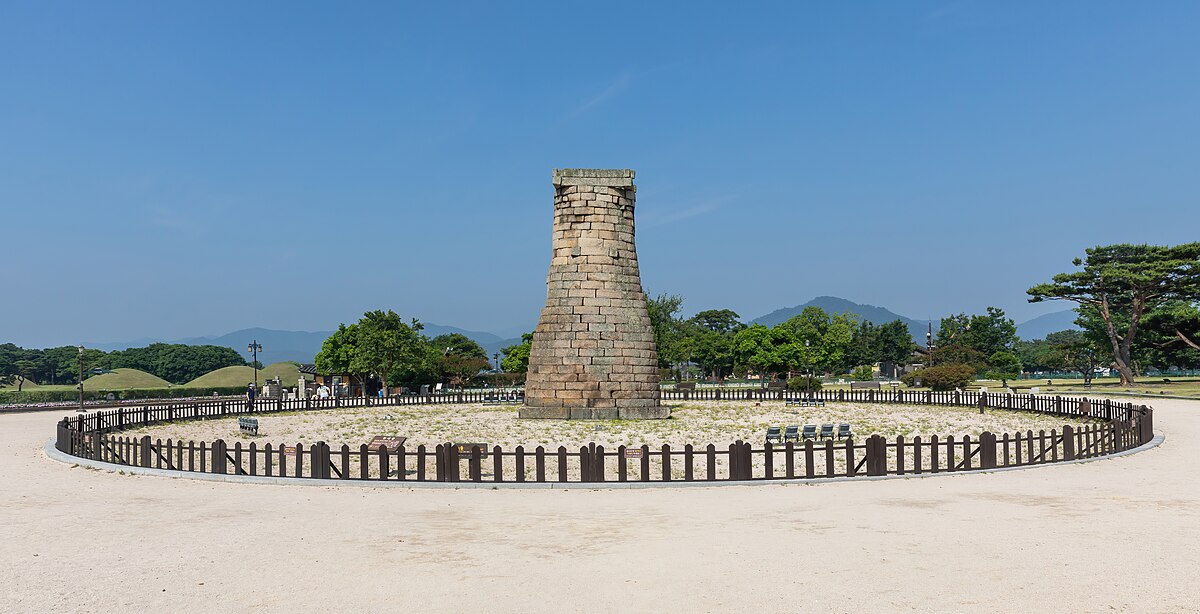
Cheomseongdae: Asia's Oldest Surviving Observatory
Built in the 7th century during the Silla Kingdom, Cheomseongdae is Asia's oldest surviving astronomical observatory. Its 362 stones — one for each day of the lunar year — encode the calendar in architecture.
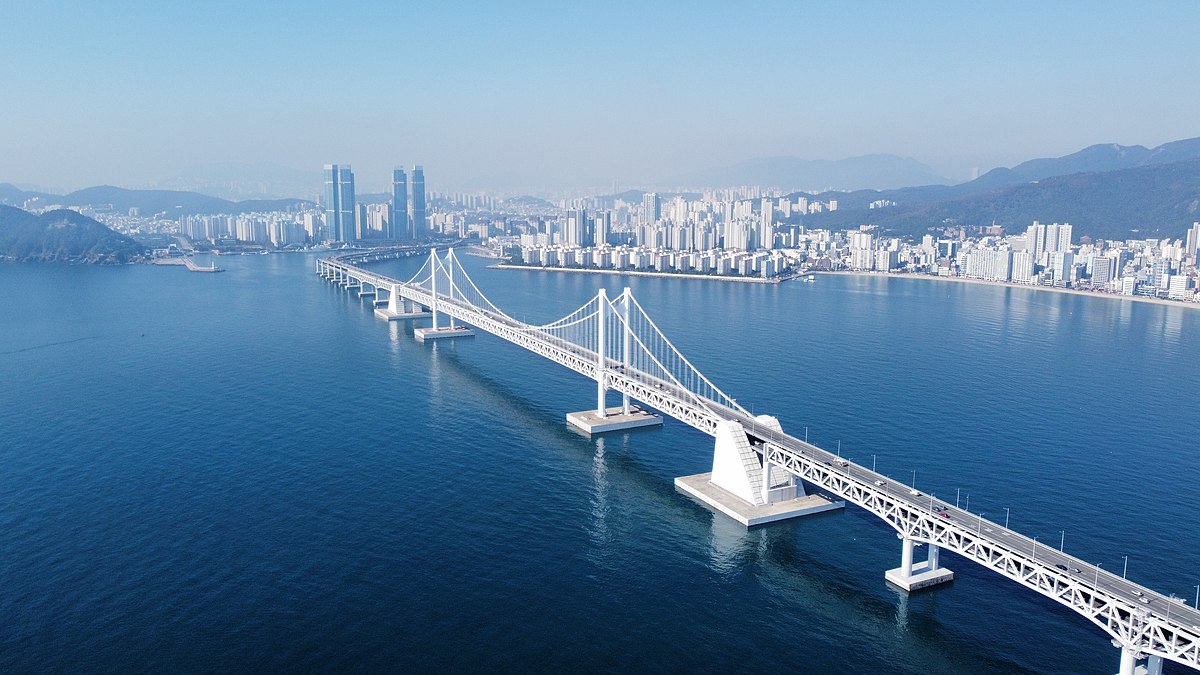
Gwangan Bridge: Busan's Glittering Bay Landmark
Stretching 7.4 km across Suyeong Bay, Gwangan Bridge is Korea's second-longest bridge and Busan's most iconic nocturnal spectacle. Its nightly LED light shows have made it a symbol of the city.