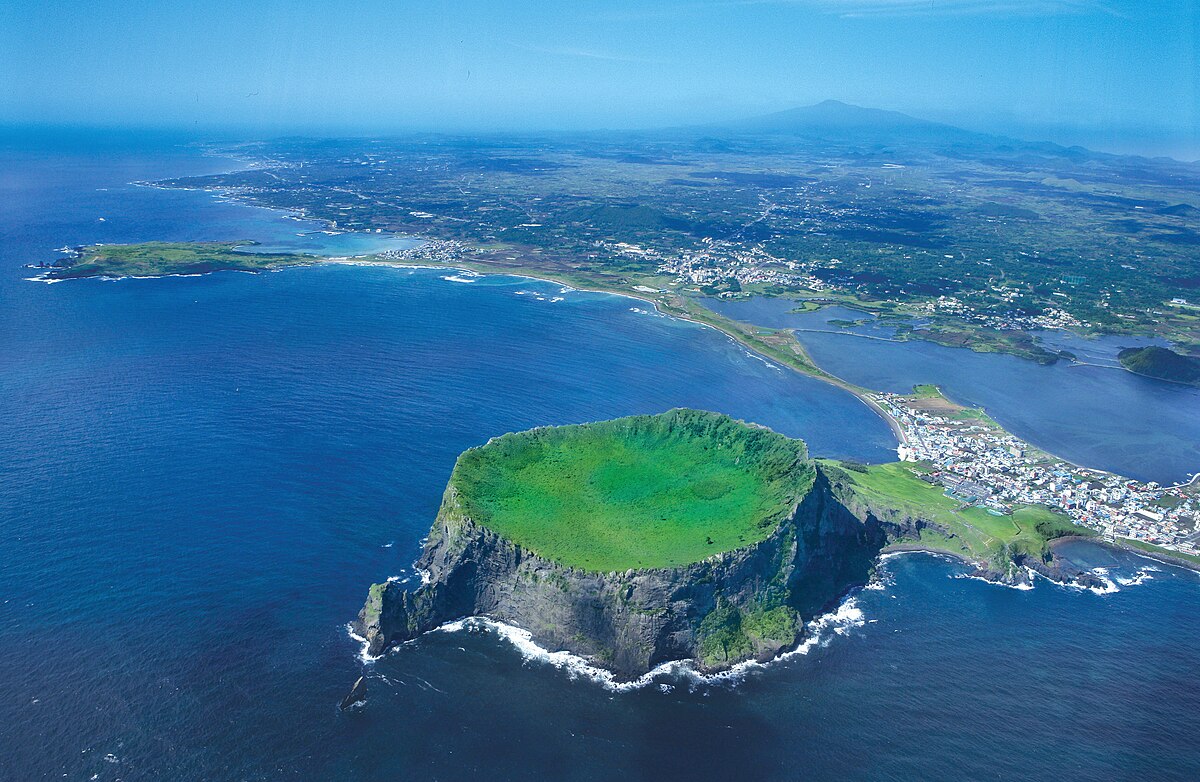
Seongsan Ilchulbong: Jeju's Sunrise Peak Volcanic Crater
A UNESCO World Heritage Site, Seongsan Ilchulbong is a dramatic tuff cone rising from the sea on Jeju's eastern tip, famous for the most spectacular sunrise views in Korea.
Photo: Wikipedia Commons
What Is Seongsan Ilchulbong?
Seongsan Ilchulbong (성산일출봉), which translates literally as 'Sunrise Peak at Seongsan Castle,' is one of the most spectacular natural landmarks in Korea. This extraordinary volcanic formation is a tuff cone — created by a hydrovolcanic eruption about 5,000 years ago when lava erupted through shallow seawater and hardened into the bowl shape visible today. It rises approximately 182 meters above sea level from the eastern tip of Jeju Island. From a distance, Seongsan Ilchulbong appears as a massive fortress rising from the sea — its steep outer walls of dark volcanic rock capped with a green bowl-shaped crater that holds 99 jagged rock peaks around its rim. Originally an island, it was connected to Jeju's mainland by a sandy isthmus (tombolo) formed over centuries. The summit crater is approximately 600 meters wide and 90 meters deep, now filled with grassland. The peak is part of the Jeju Volcanic Island and Lava Tubes complex, designated as a UNESCO World Heritage Site in 2007, and is also a UNESCO Biosphere Reserve. It is one of Korea's Seven Wonders of Nature and arguably the single most iconic image associated with Jeju Island.
History & Significance
Seongsan Ilchulbong has been considered a sacred and special place on Jeju Island for as long as humans have lived there. The Haenyeo (해녀), Jeju's famous female divers who harvest seafood from the sea without scuba equipment, have dived in the waters surrounding the peak for generations. Watching Haenyeo performances is one of the cultural highlights of a visit to Seongsan. The geological significance of Seongsan Ilchulbong extends beyond its visual drama. The tuff ring's exposed walls provide a near-perfect cross-section of the eruption sequence, making it invaluable to volcanologists studying hydrovolcanism. This scientific importance contributed to its UNESCO World Heritage designation alongside Hallasan and Manjanggul. The name 'Sunrise Peak' gives away the primary cultural significance — watching the sun rise over the East Sea from the rim of the volcanic crater has been a New Year's tradition for Koreans for generations. Each January 1st, thousands of Koreans make the predawn climb to watch the year's first sunrise from this dramatic vantage point.
What to See & Do
The main activity is the approximately 20-30 minute hike up the steep steps to the crater rim, from which you can look down into the green bowl and out across the East Sea toward Japan. The view from the rim is breathtaking in all directions — the dramatic coastline of eastern Jeju, nearby Udo Island, and on clear days the horizon of the open ocean. The Haenyeo performance at the base of the peak is a cultural highlight not to be missed. Three times daily, real Haenyeo divers demonstrate their ancient diving technique, emerging from the sea with fresh abalone, sea urchin, and other seafood, which they then sell to visitors. This 3,000-year-old tradition is on the UNESCO Intangible Cultural Heritage list. The surrounding Seongsan village has excellent seafood restaurants, including those run by Haenyeo families where you can eat the freshest possible catch. A walk along the Olle Trail sections near Seongsan offers beautiful coastal scenery with the peak as a backdrop.
- ·Hike to the crater rim for panoramic views — the path takes 20-30 minutes
- ·Watch the Haenyeo diving performance at the base (schedule: 11 AM, 1 PM, 2 PM daily)
- ·Come before dawn on January 1st for Korea's most famous New Year sunrise tradition
- ·Eat fresh seafood at restaurants near the base run by Haenyeo families
- ·Walk the Jeju Olle Trail sections nearby for beautiful coastal scenery
Visitor Tips
Seongsan Ilchulbong is open daily from 7:30 AM (April-September) or 8 AM (October-March). The last entry is 1 hour before sunset. Admission is 5,000 KRW for adults. The peak is located in Seongsan-eup on Jeju's eastern coast, accessible by bus from Jeju City (approximately 1 hour) or by car/taxi. Arriving at sunrise requires reaching the summit before dawn — allow at least 30-40 minutes for the climb in the dark (bring a flashlight). The steps can be slippery when wet, so appropriate footwear is important. The hike is accessible for most fitness levels but involves over 400 steps, some steep. On particularly windy or misty days, the upper sections may be closed for safety. The Seongsan area warrants a full day's exploration — plan to spend time in the village and along the coast after your visit to the peak.
Tips
- 💡For the iconic sunrise experience, arrive at the base by 5:30 AM and allow time for the climb in the dark
- 💡Don't miss the Haenyeo demonstration — it's a unique cultural experience only available at a handful of places
- 💡Combine with a trip to Udo Island (ferry from Seongsan Port) for a full Jeju eastern coast day
Last updated: March 30, 2026
你可能也喜欢
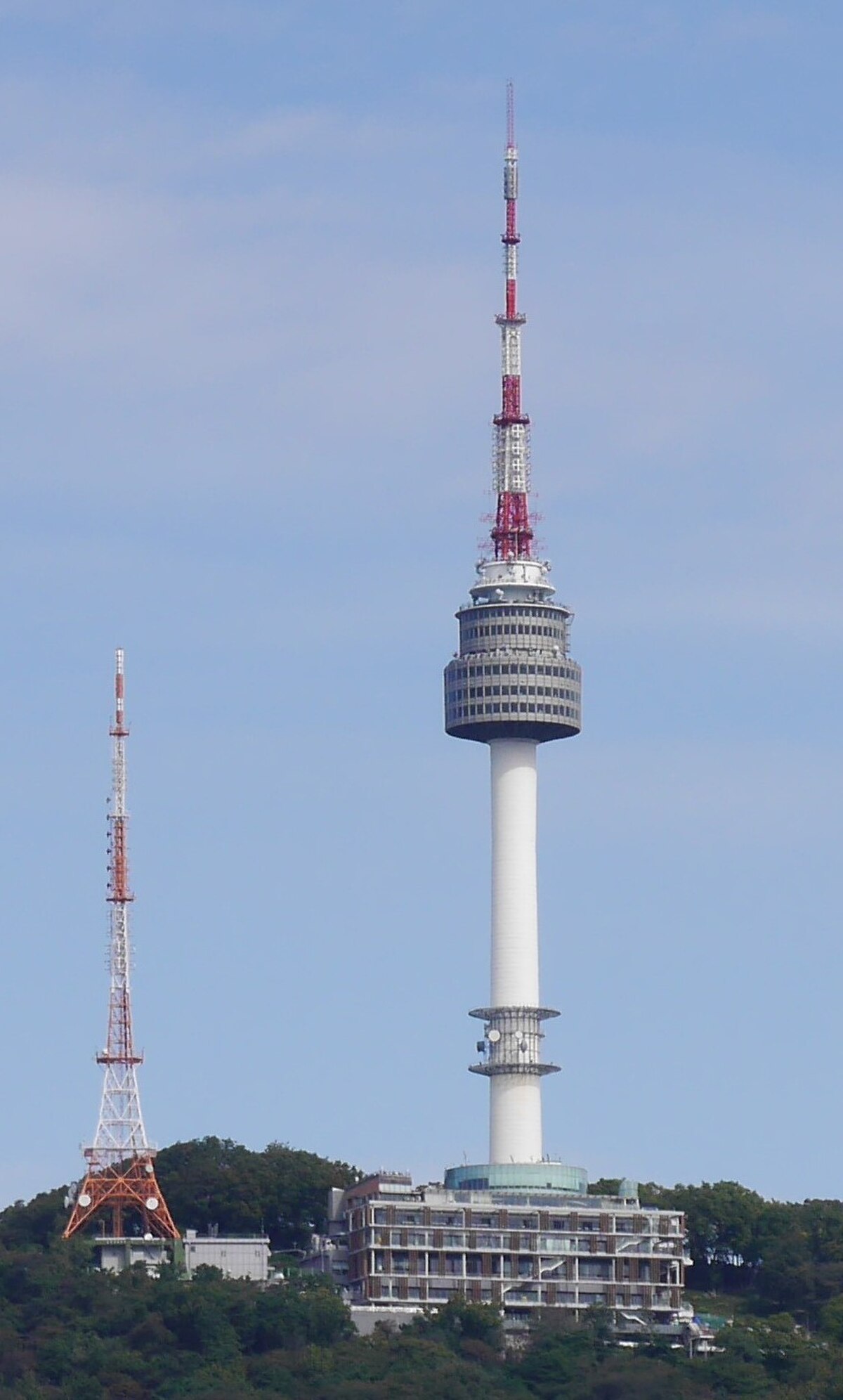
N Seoul Tower: Seoul's Most Iconic Landmark
Perched atop Namsan mountain, N Seoul Tower offers breathtaking 360-degree views of the city and has become a beloved symbol of Seoul's modern romance.
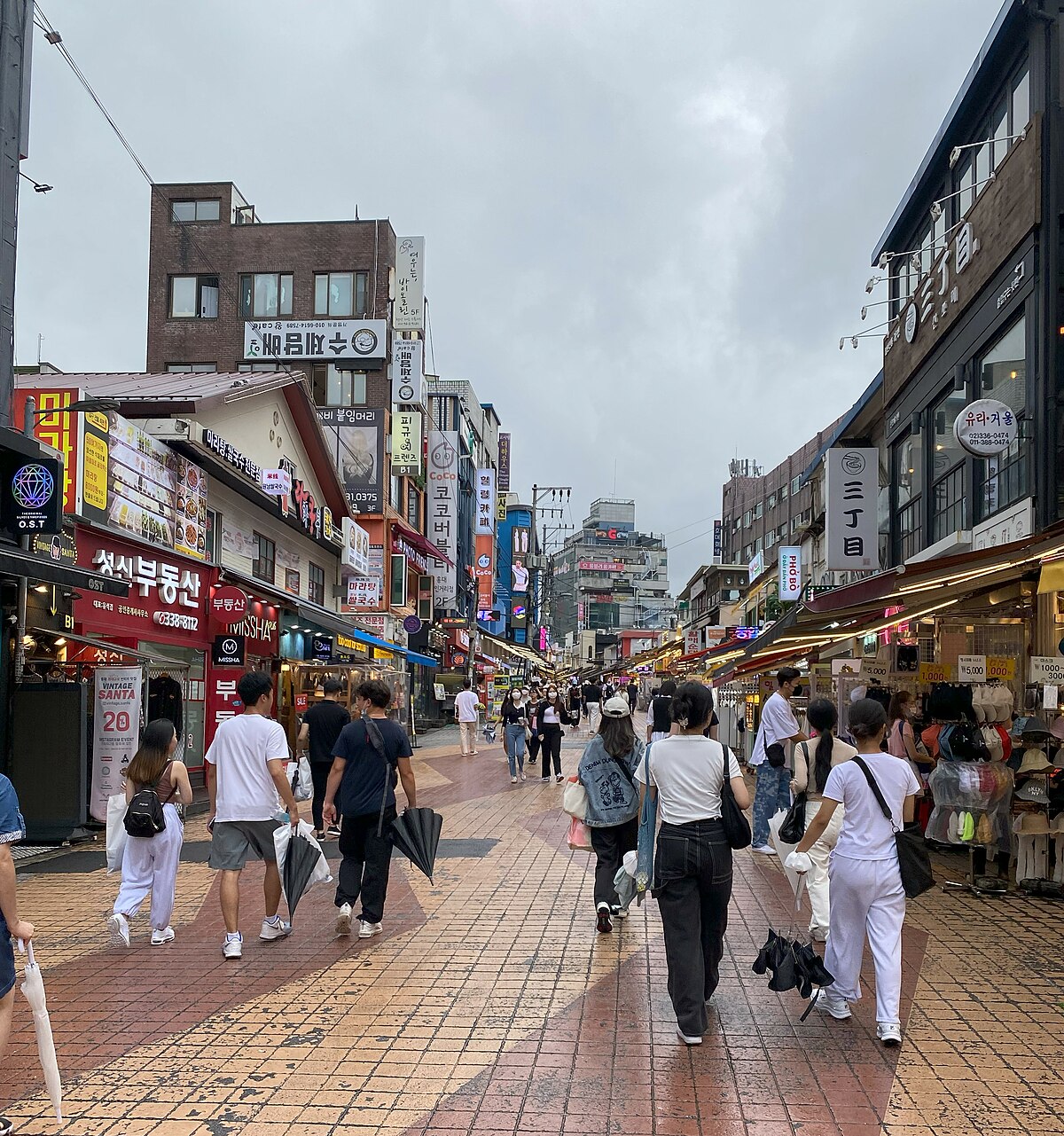
Hongdae: Seoul's Creative Youth Capital
Seoul's most vibrant arts and nightlife district, Hongdae pulses with indie music, street performances, quirky cafés, and the creative energy of Korea's top arts university.
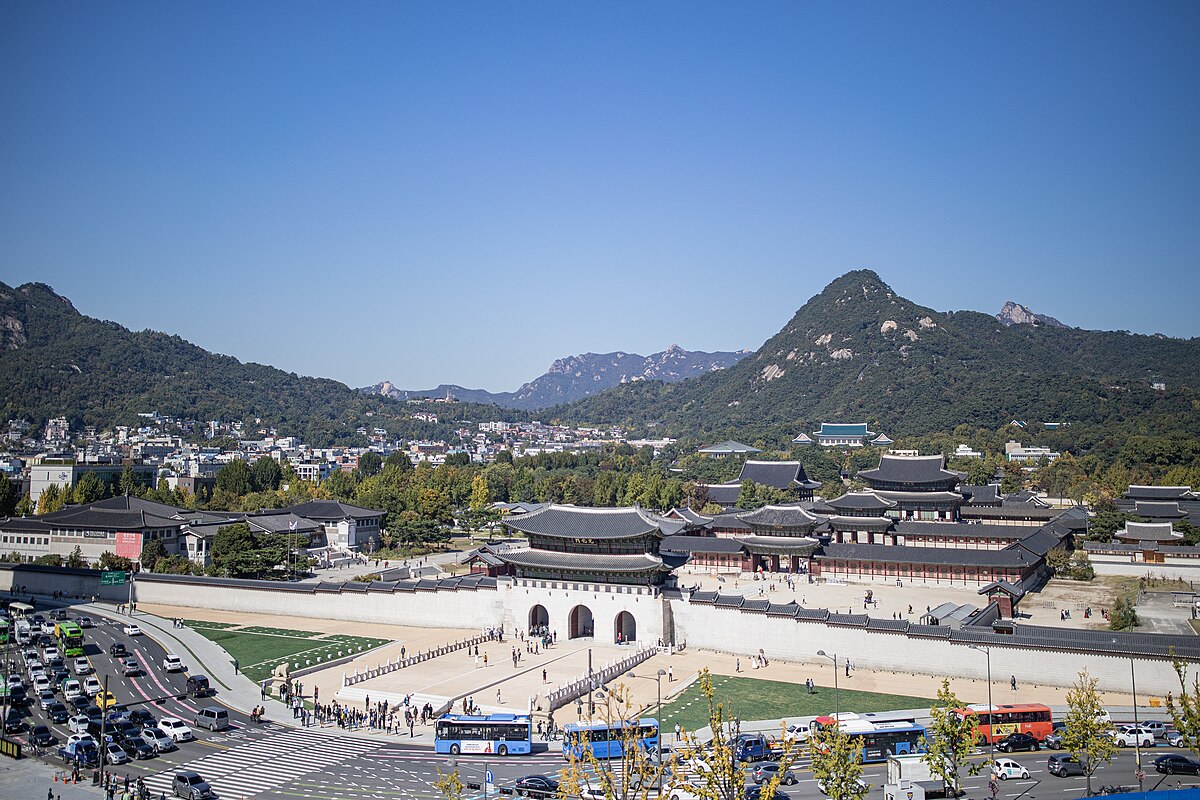
Gyeongbokgung: Seoul's Grand Joseon Palace
The largest and most magnificent of Seoul's Five Grand Palaces, Gyeongbokgung served as the heart of the Joseon Dynasty for over 500 years.