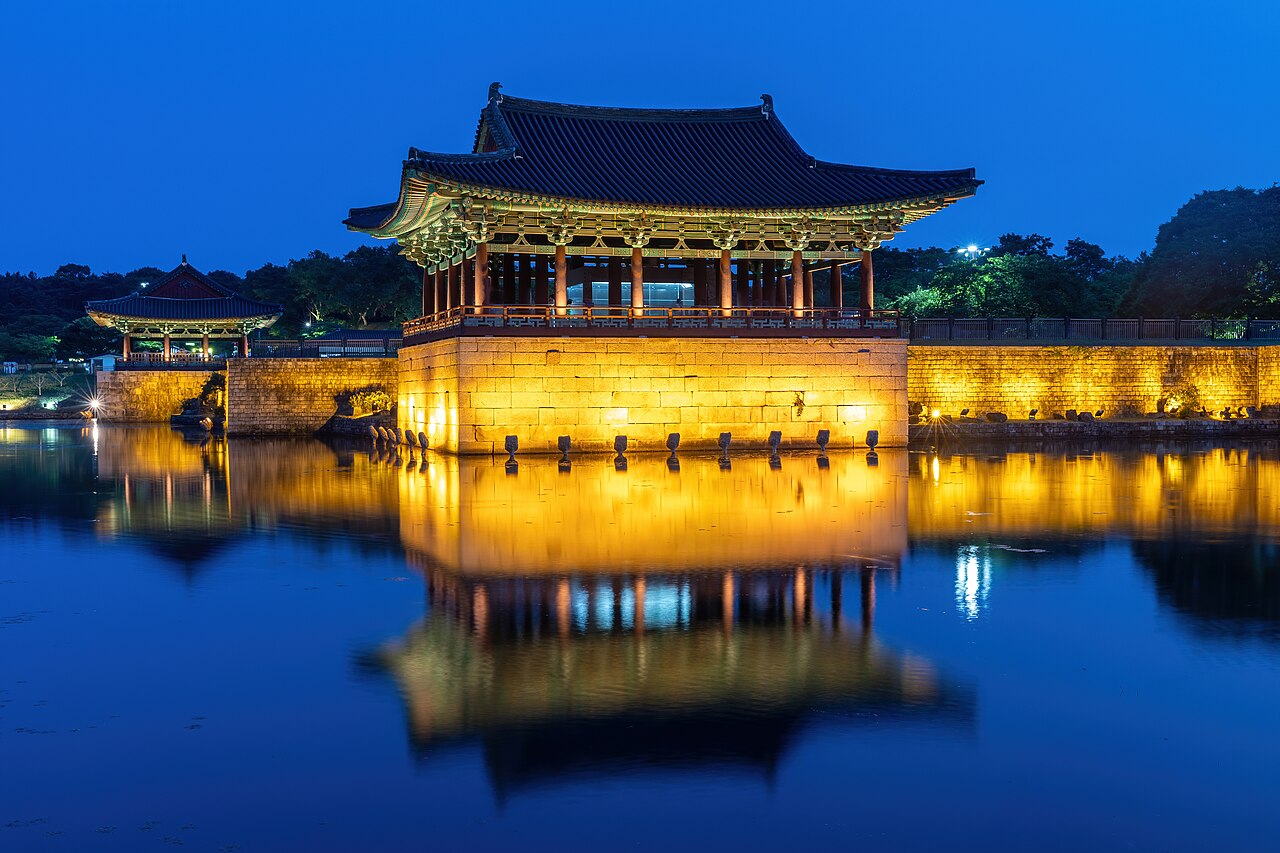
Wolji Pond (Donggung & Wolji): Gyeongju's Magical Night Reflection
The palace garden of the Silla Dynasty, Donggung Palace and Wolji Pond in Gyeongju is one of Korea's most beautiful historical sites — especially magnificent at night when the restored pavilions reflect in the ancient pond.
Photo: Wikipedia Commons
What Is Wolji Pond?
Wolji Pond (월지, Moon Pond), officially known as Donggung Palace and Wolji Pond (동궁과 월지), is the remains of the secondary royal palace and garden of the Silla Dynasty (57 BCE - 935 CE) in Gyeongju. Constructed in 674 CE during the reign of King Munmu, it served as a pleasure garden, banquet hall complex, and secondary palace for the crown prince and members of the royal court. The complex consists of an artificial pond (originally called Anapji — 'Goose and Duck Pond') with three man-made islands of irregular shape, and the extensive foundations of the palace and pavilion buildings that once surrounded its western and northern shores. Three of these pavilion and hall structures have been reconstructed on their original stone foundations and now stand as the complex's most visible structures, their traditional wooden architecture and curved tile roofs reflected in the still water of the pond. Wolji Pond is particularly celebrated for its night scenery — after dark, the three restored pavilions and the surrounding trees and shoreline are illuminated, their reflections creating a doubled, mirror-image landscape in the dark water. This nighttime illumination scene is one of the most photographed views in all of Gyeongju and is considered one of Korea's most beautiful historical night landscapes.
History & Significance
When King Munmu constructed the garden complex in 674 CE, he was celebrating the achievement of Silla's unification of the three kingdoms of Korea — a political consolidation completed in 668 CE. The garden was intended as a showpiece of Silla's prosperity and sophisticated culture, with its carefully designed artificial landscape representing idealized nature: the three islands represent the Three Islands of Immortality from Chinese mythology, and the irregular shoreline was designed to provide different scenic views from every vantage point. The complex fell into disuse and eventual ruin after the fall of the Silla Dynasty. The site, then known as Anapji, was flooded agricultural land for many centuries. Major excavations between 1975 and 1976 recovered an extraordinary 33,000 artifacts from the pond bottom — including the Silla drinking vessel that became iconic, boats, bronze wares, wooden objects, tiles, and everyday objects that had been dropped or thrown into the pond over centuries of royal use. These artifacts are now displayed in the Gyeongju National Museum. The reconstruction of the three pavilions was completed in 1980 based on the foundations and written historical records. In 2011, the site was officially renamed from 'Anapji' (historically an informal name meaning 'goose and duck pond') to 'Donggung Wolji' (the formal historical name used in records), reflecting the site's royal significance.
What to See & Do
The site is worth visiting both during the day and at night — the experiences are dramatically different. During the day, the reconstructed pavilions and their setting can be properly examined architecturally, the scale of the pond and its irregular shoreline can be appreciated, and the overall spatial design of the garden becomes clear. Information boards throughout the site explain the historical context. At night, the illuminated complex becomes something close to magical. The three pavilions, lit from within and without, cast golden reflections in the dark water that seem to double the building while the surrounding darkness falls away. The still surface of the pond creates perfect mirror conditions on calm nights. Photographers come from throughout Korea specifically for this night scene, which is particularly beautiful with the reflection of autumn foliage or snow-covered branches in spring. The surrounding Gyeongju Historic Areas contain numerous other significant sites within walking distance — the Cheomseongdae astronomical observatory, Banwolseong palace site, and Daereungwon burial mounds are all within a 10-minute walk, making the area easily covered in a half-day exploration.
- ·Visit both day and night for completely different experiences of the same site
- ·Photograph the illuminated pavilion reflections at night — best on calm evenings
- ·Walk the full perimeter of the pond for changing views and perspectives
- ·Visit the Gyeongju National Museum to see the extraordinary artifacts excavated from the pond
- ·Combine with Daereungwon and Cheomseongdae for a full Gyeongju historic center day
Visitor Tips
Donggung Palace and Wolji Pond is open daily from 9 AM to 10 PM (last entry 9:30 PM). Admission is 3,000 KRW for adults. The site is in central Gyeongju, easily walkable from the Gyeongju bus terminal and other major sites in the historic center. Night entry (after sunset) is particularly recommended and is included in the standard admission. The nighttime scenery is considered the highlight — plan to arrive at the site around sunset and stay for the full illumination experience after dark. Photography conditions are best 30-60 minutes after sunset when the sky still has some color but the illumination has come on. Autumn (October-November) and spring (April-May) are the most photogenic seasons, though the site is beautiful year-round. Gyeongju's compact historic area means this site naturally combines with several others — bicycle rental is a convenient way to move between sites.
Tips
- 💡Stay until after dark for the illuminated reflection scene — it's one of Korea's most beautiful night views
- 💡Autumn evenings when fallen leaves are floating in the pond are particularly atmospheric
- 💡Combine with the nearby Cheomseongdae observatory and Daereungwon mounds for a complete Gyeongju center experience
Last updated: March 30, 2026
你可能也喜欢
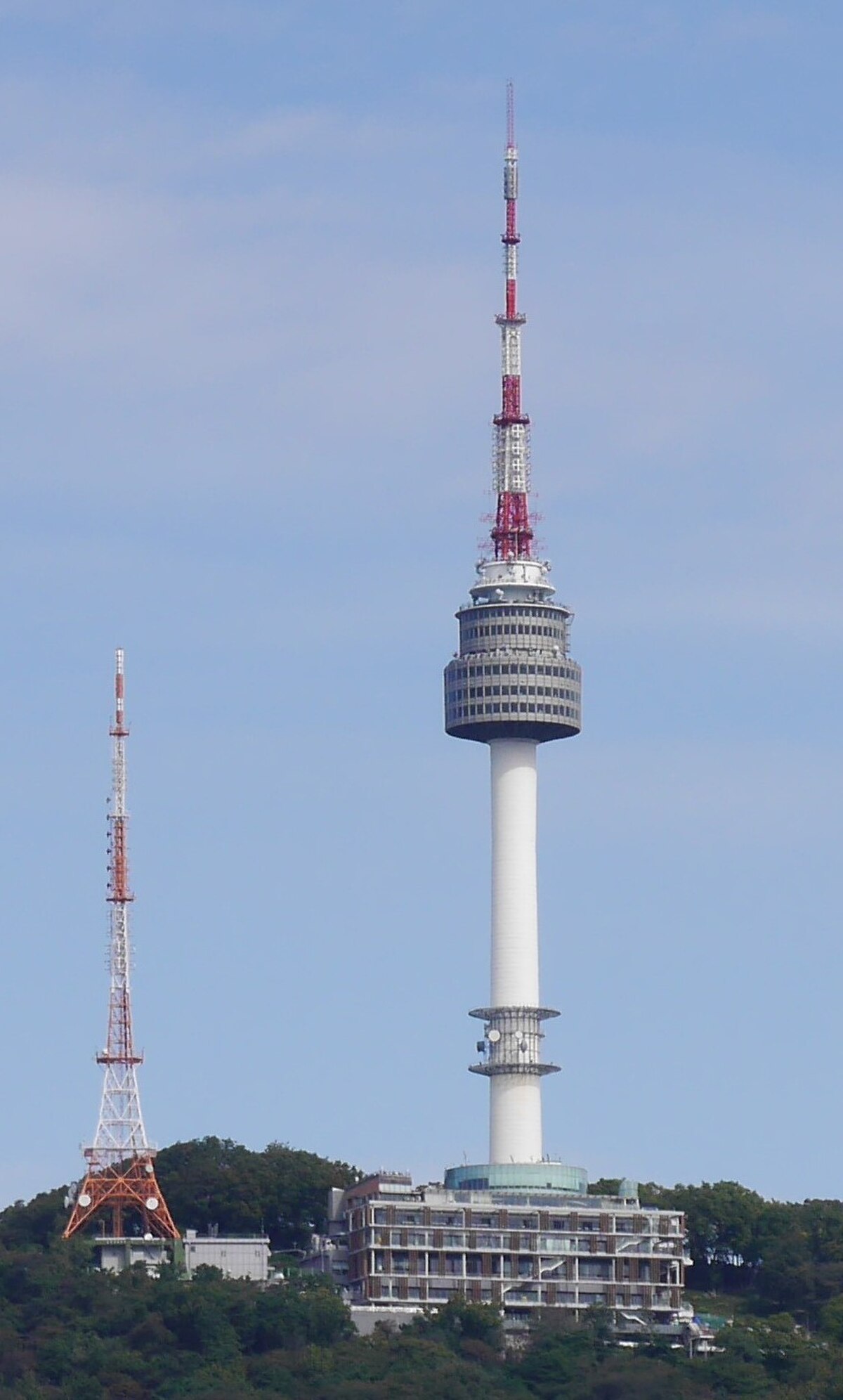
N Seoul Tower: Seoul's Most Iconic Landmark
Perched atop Namsan mountain, N Seoul Tower offers breathtaking 360-degree views of the city and has become a beloved symbol of Seoul's modern romance.
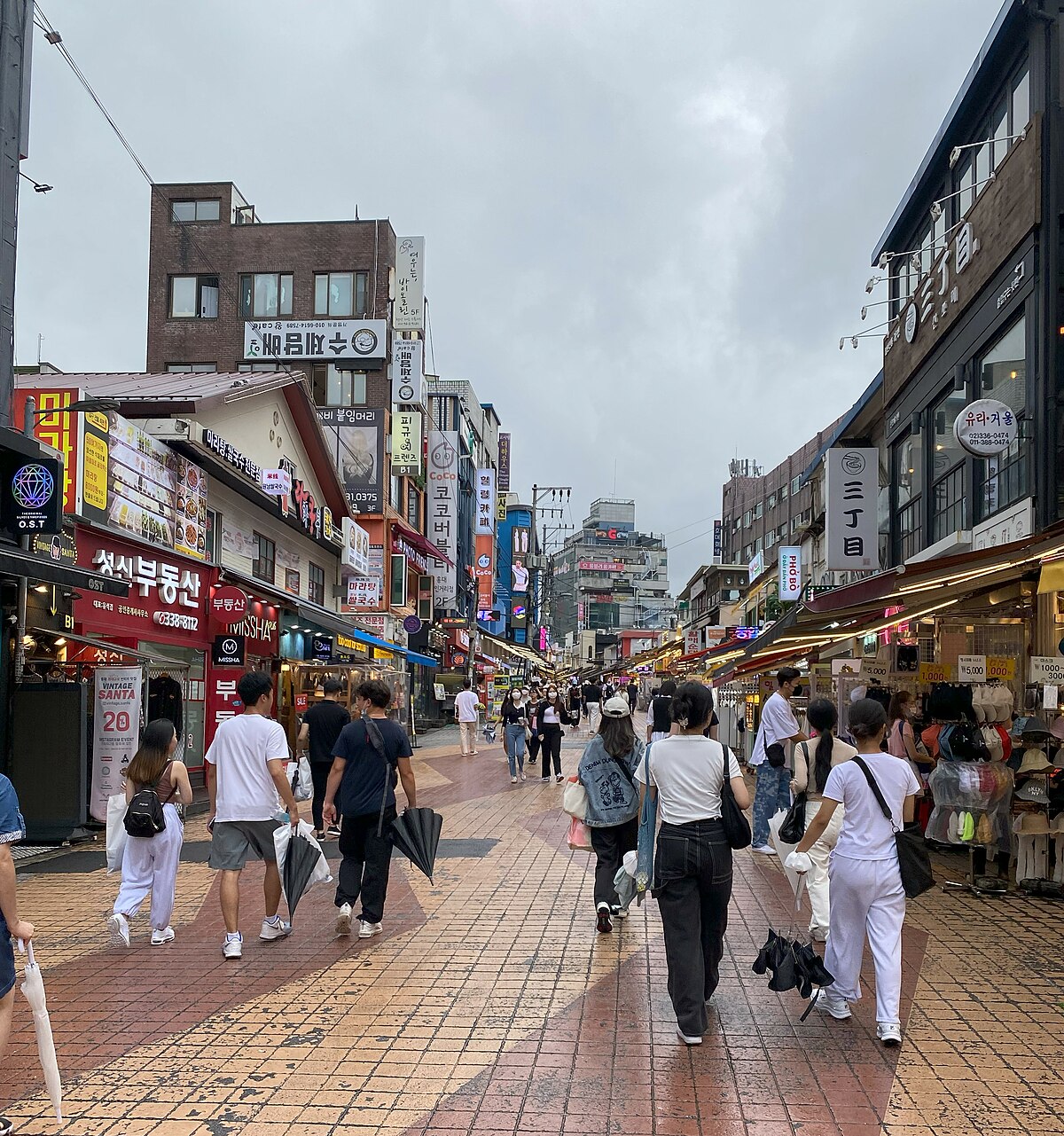
Hongdae: Seoul's Creative Youth Capital
Seoul's most vibrant arts and nightlife district, Hongdae pulses with indie music, street performances, quirky cafés, and the creative energy of Korea's top arts university.
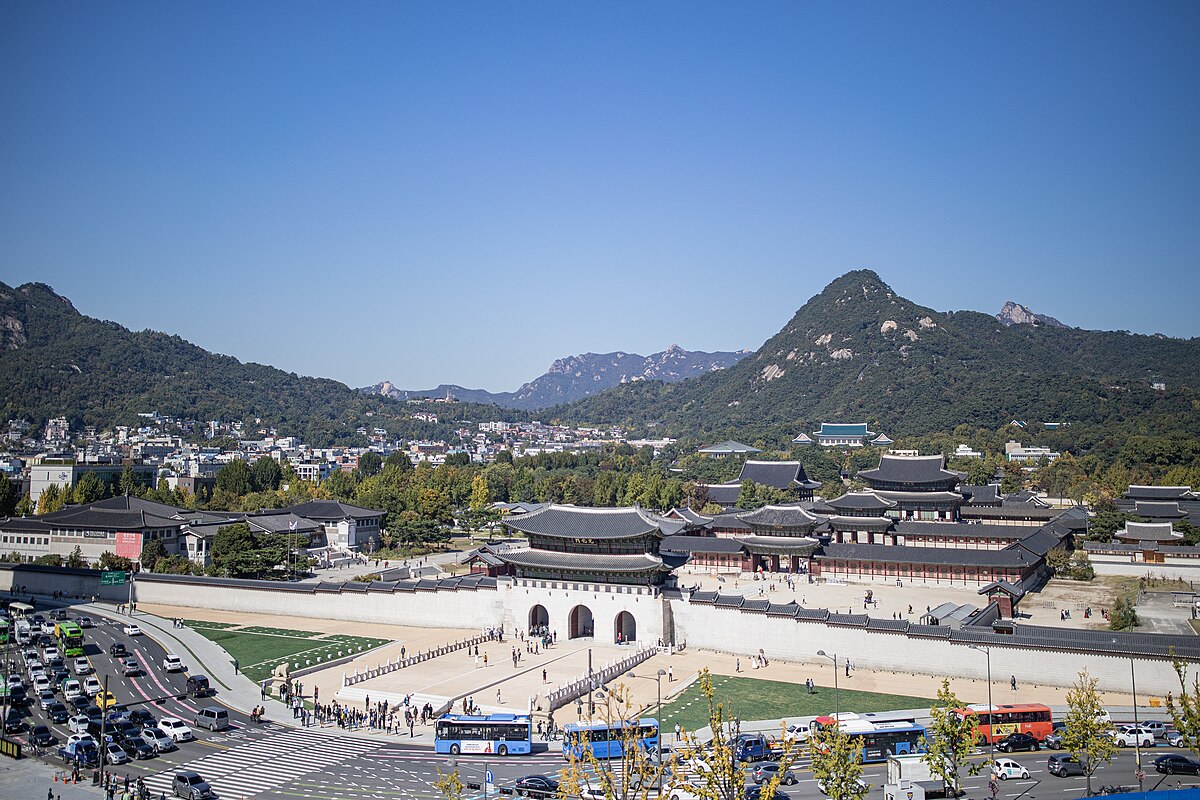
Gyeongbokgung: Seoul's Grand Joseon Palace
The largest and most magnificent of Seoul's Five Grand Palaces, Gyeongbokgung served as the heart of the Joseon Dynasty for over 500 years.