Yuseong Hot Springs: Daejeon's Historic Spa District
Yuseong Hot Springs is one of Korea's most famous hot spring resorts, located in the Yuseong district of Daejeon. The alkaline mineral water, which has been used for healing since the Baekje Kingdom era, flows through dozens of hotels, spas, and public bathhouses.
Photo: Wikipedia Commons
What Are Yuseong Hot Springs?
Yuseong Hot Springs (유성온천) refers to the natural hot spring district in the Yuseong-gu area of Daejeon, where naturally heated alkaline mineral water emerges from underground at temperatures between 25°C and 56°C. The water is high in sodium bicarbonate, reputed to benefit skin conditions and fatigue recovery. The district now contains a dense concentration of spa hotels, jjimjilbang (Korean bathhouses), and wellness facilities.
History & Significance
Historical records suggest the hot springs were used during the Baekje Kingdom period (18 BC–660 AD), making them among the oldest documented spa sites in Korea. The springs gained wider popularity during the Japanese colonial period when modern bathing facilities were constructed. After liberation and Korea's economic growth in the 20th century, Yuseong developed into a major domestic resort destination. It remains one of the largest hot spring resort zones in the country.
What to See & Do
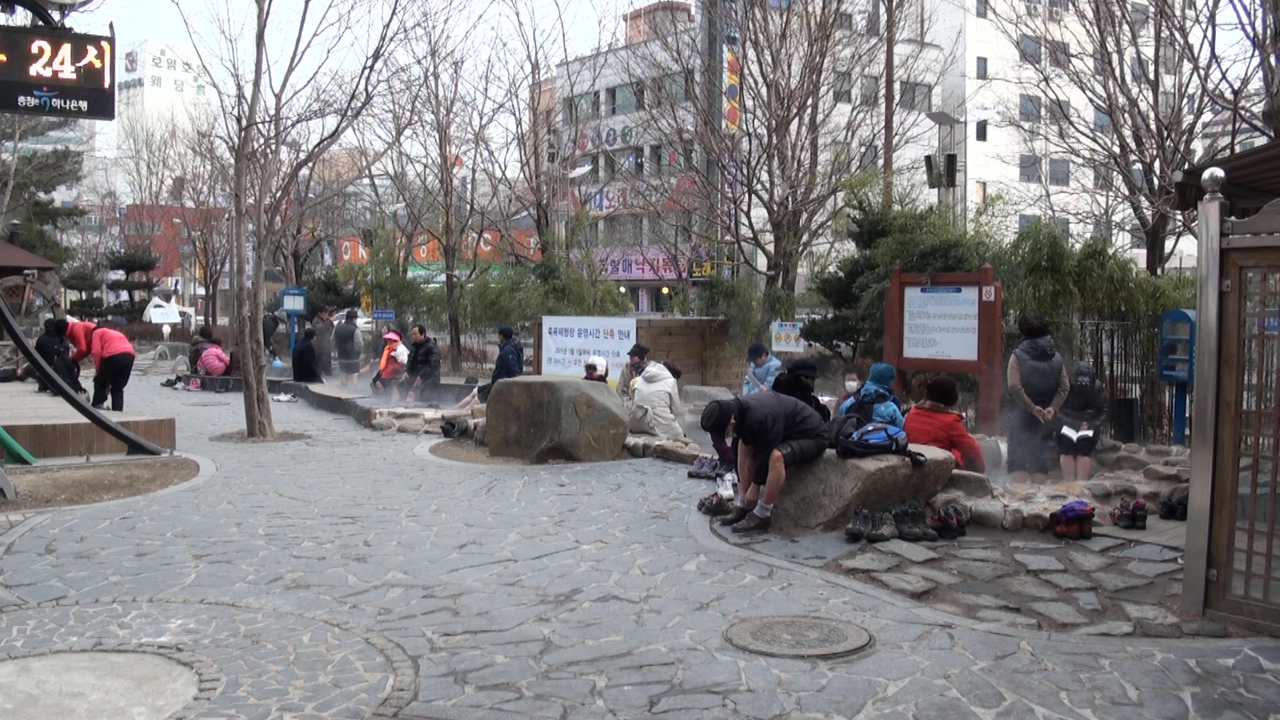
Most visitors come specifically to soak in the thermal pools at one of the district's many hotels or public bathhouses. The Yuseong Tourist Hotel and Riviera Yuseong Hotel are among the most established. The Yuseong Oncheon-ro street is a lively strip of restaurants and shops catering to spa visitors. A small foot-bathing facility in the public plaza allows visitors to try the waters for free. The surrounding Yuseong area also has the Yuseong-gu cultural venues and convenient transport links to the rest of Daejeon.
Visitor Tips
Public jjimjilbang in the area offer affordable access to the hot spring water without the cost of a hotel room — expect to pay 8,000–15,000 KRW for a full day pass. Bring a change of clothes and a towel, though most facilities provide basic amenities. Yuseong is a separate administrative district from central Daejeon but is well connected by subway (Yuseong-gu terminal area on Line 1). Avoid peak weekends when facilities can be crowded.
Tips
- 💡Try the free foot bath in the public plaza near Oncheon-ro before committing to a full spa session.
- 💡Weekday visits are far less crowded than weekends.
- 💡The alkaline water is genuinely distinctive — your skin will feel noticeably smoother after soaking.
最后更新:2026年9月1日
你可能也喜欢
Hamdeok Beach: Jeju's Turquoise Gem
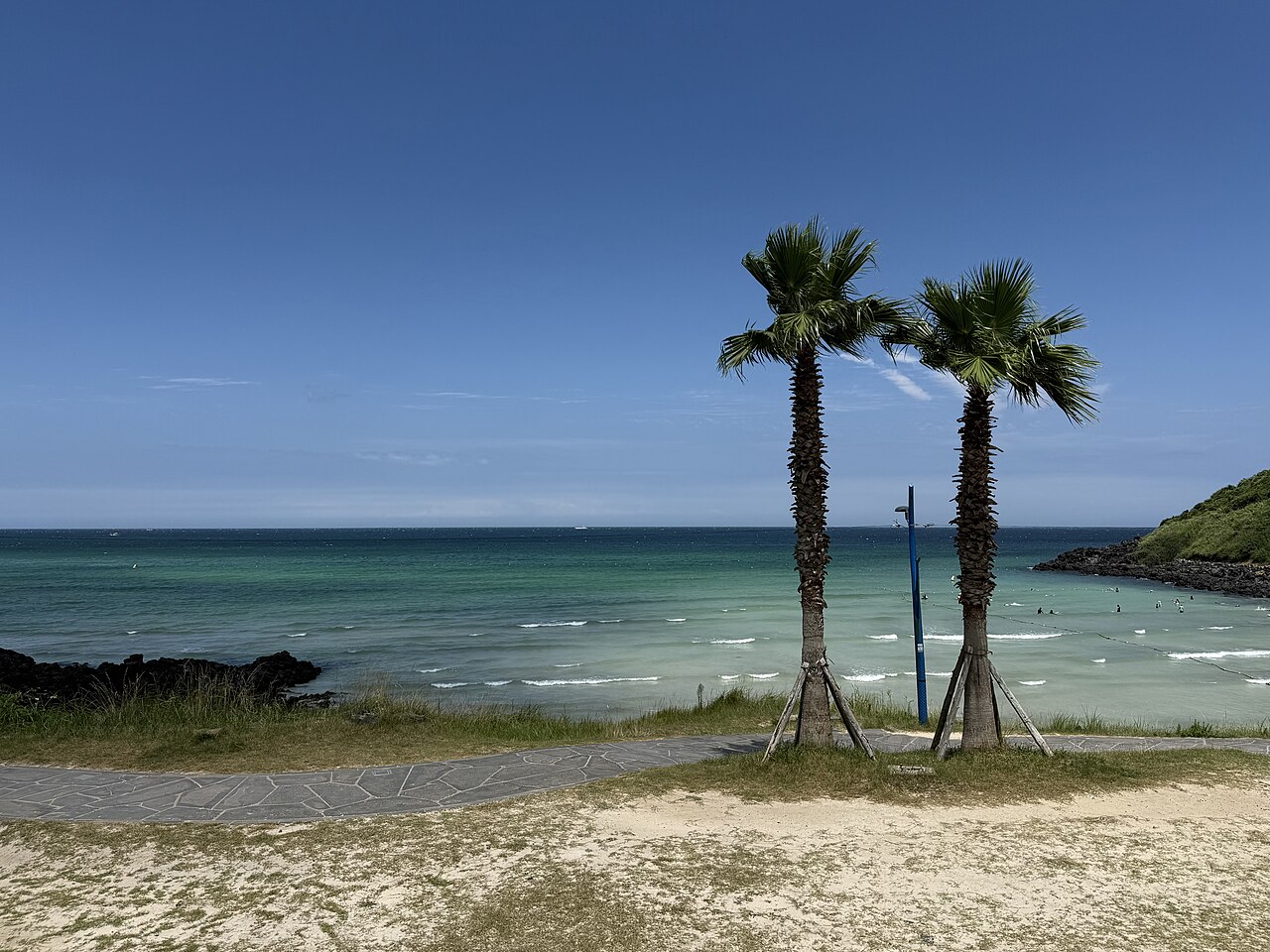
Located on the north coast of Jeju Island, Hamdeok Beach is famous for its unusually clear, turquoise water and gentle, shallow reef — making it arguably the most picturesque swimming beach in Korea.
Cheomseongdae: Asia's Oldest Surviving Observatory
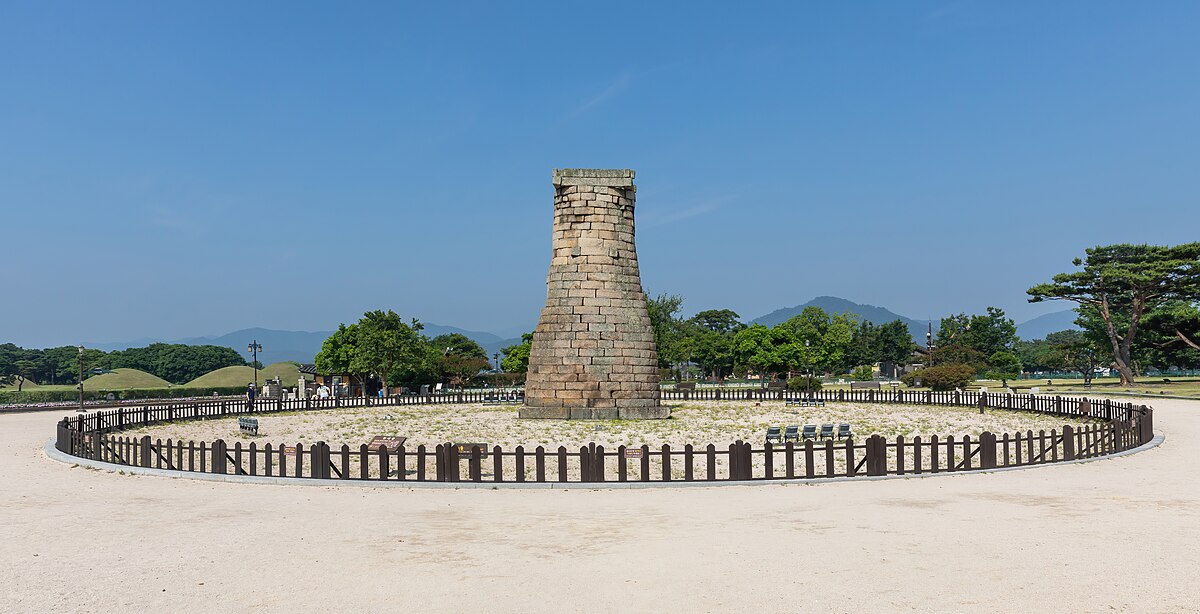
Built in the 7th century during the Silla Kingdom, Cheomseongdae is Asia's oldest surviving astronomical observatory. Its 362 stones — one for each day of the lunar year — encode the calendar in architecture.
Gwangan Bridge: Busan's Glittering Bay Landmark
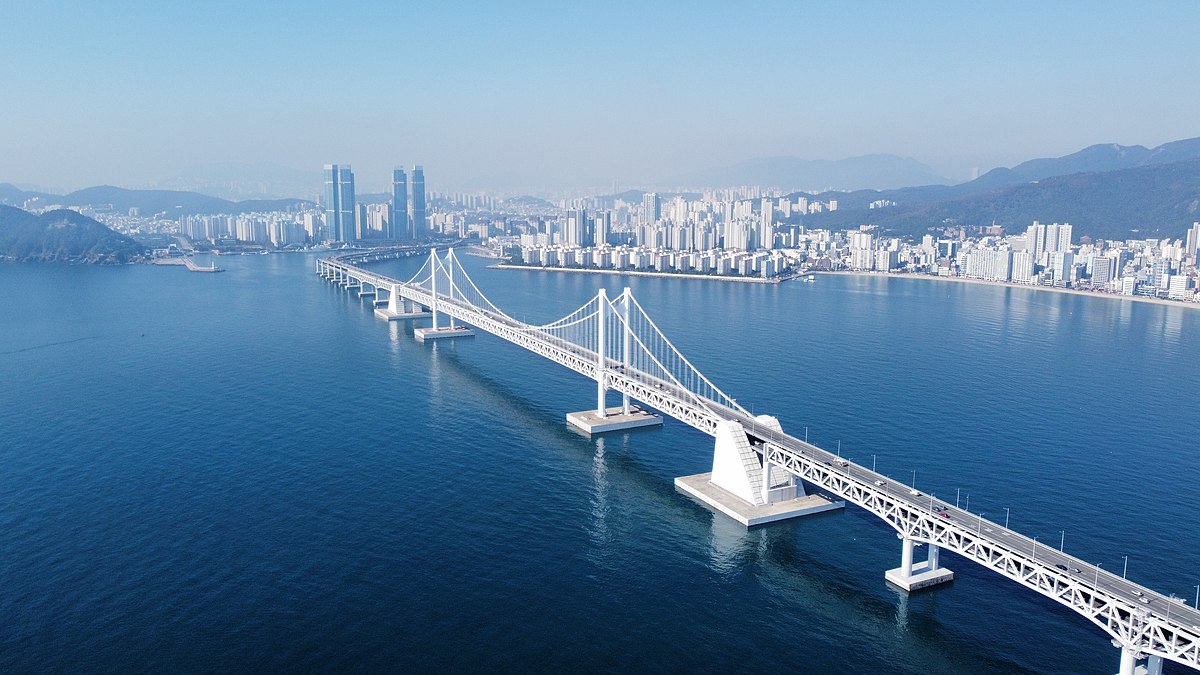
Stretching 7.4 km across Suyeong Bay, Gwangan Bridge is Korea's second-longest bridge and Busan's most iconic nocturnal spectacle. Its nightly LED light shows have made it a symbol of the city.