Abai Village: Sokcho's North Korean Refugee Heritage
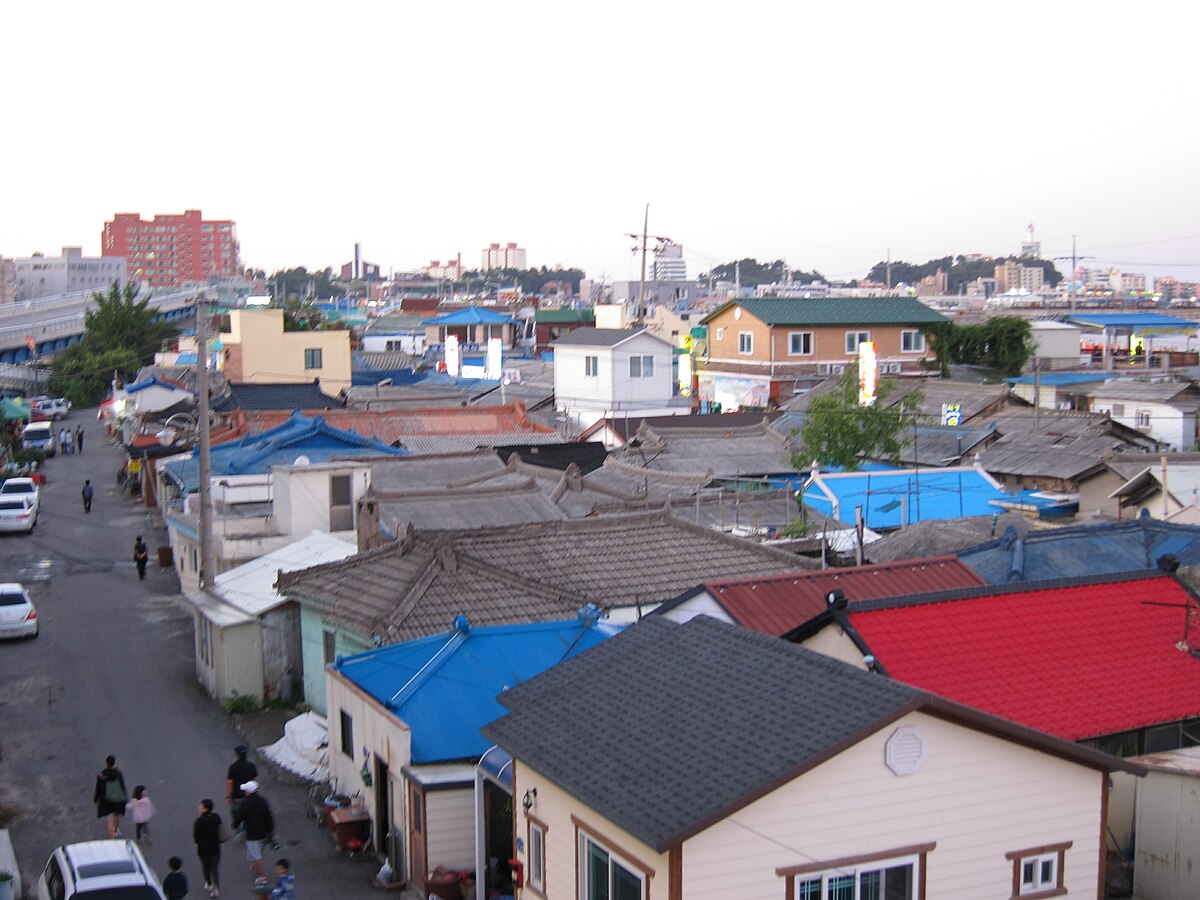
Abai Village is a small settlement in Sokcho built by North Korean refugees who fled south during the Korean War, expecting to return home after the conflict — and never could. The village, accessible by hand-pulled ferry, preserves a unique cultural identity and has become a poignant living memorial.
Photo: Wikipedia Commons
What Is Abai Village?
Abai Village (아바이마을) is a small coastal settlement on a narrow sand spit in Sokcho, separated from the main city by the Cheongcho Lagoon channel. It was established in the early 1950s by refugees from the Hamgyong Province of what is now North Korea, who crossed south during the Korean War intending to return after the armistice. The armistice created a permanent division, and the refugees settled permanently. "Abai" (아바이) is a Hamgyong dialect word for "father" or "old man," and it became the community's identity.
History & Significance
The story of Abai Village is a microcosm of the human cost of Korea's division. Thousands of families were separated overnight by the 38th Parallel, and many who ended up in Sokcho — a city that was briefly under North Korean control during the war — never saw their northern relatives again. The village gained national attention when the Korean drama "Autumn in My Heart" (가을동화, 2000) was filmed here, drawing visitors who became fascinated by its history and atmosphere.
What to See & Do
The iconic experience is crossing to the village by gabae (가배) — a hand-pulled rope ferry that slides across the narrow channel, operated by the passengers themselves. The village has several restaurants serving Hamgyong-style food, including abai sundae (a thicker, rice-filled version of blood sausage) and ojingeo-sundae (squid stuffed with glutinous rice). The Abai Village Cultural Center tells the story of the refugee community. The surrounding lagoon and beach scenery is genuinely beautiful.
Visitor Tips
The hand-pulled ferry operates continuously during daylight hours and costs a nominal fee. The village is a 10–15 minute walk from Sokcho bus terminal. Eating at one of the village restaurants is the most meaningful way to support the community and experience the food culture. Weekend afternoons can be busy with day-trippers from Seoul. The village's emotional significance becomes more powerful when you learn a little of the history before visiting.
Tips
- 💡Pull the rope ferry yourself — it is a short crossing but a memorable tactile experience.
- 💡Try abai sundae at a village restaurant: the Hamgyong-style version is thick, hearty, and unlike anything in Seoul.
- 💡Read briefly about the Korean War displacement before visiting to appreciate the village's emotional weight.
Last updated: April 1, 2026
You might also like
N Seoul Tower: Seoul's Most Iconic Landmark
Perched atop Namsan mountain, N Seoul Tower offers breathtaking 360-degree views of the city and has become a beloved symbol of Seoul's modern romance.
Hongdae: Seoul's Creative Youth Capital
Seoul's most vibrant arts and nightlife district, Hongdae pulses with indie music, street performances, quirky cafés, and the creative energy of Korea's top arts university.
Gyeongbokgung: Seoul's Grand Joseon Palace
The largest and most magnificent of Seoul's Five Grand Palaces, Gyeongbokgung served as the heart of the Joseon Dynasty for over 500 years.