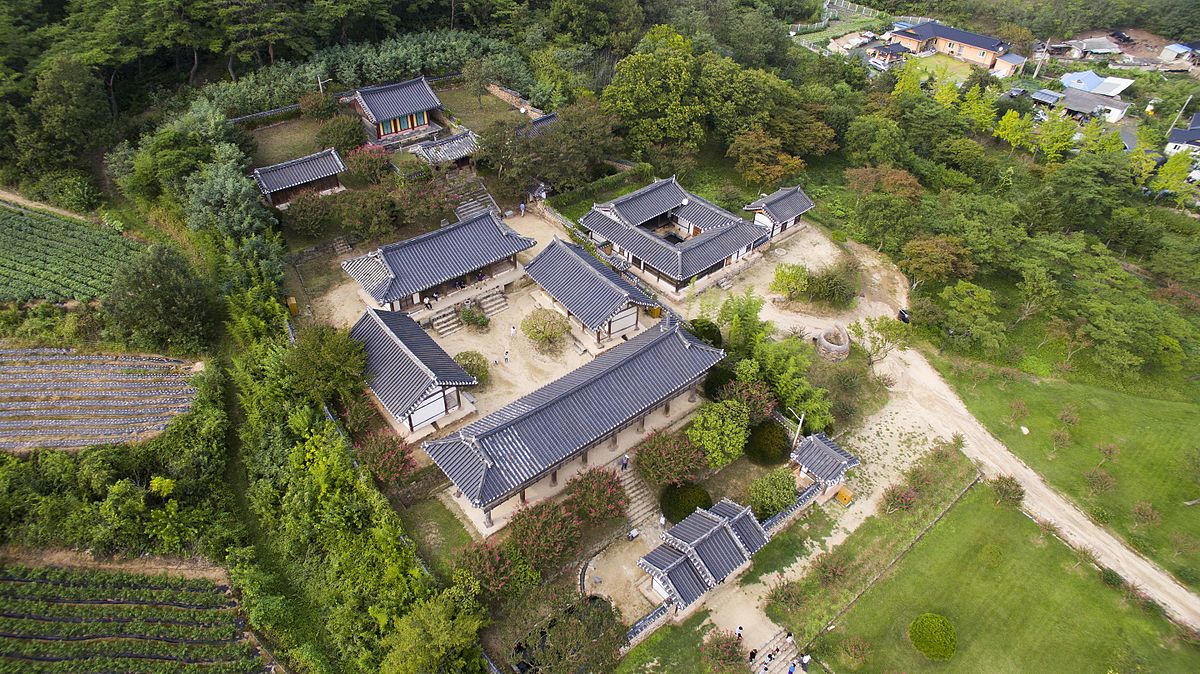
Byeongsan Seowon: The Most Beautifully Sited Confucian Academy
A 1572 Confucian academy built to frame a mountain cliff across the Nakdong River through its open wooden veranda, Byeongsan Seowon is considered the most perfectly composed example of Korean landscape architecture.
Photo: Wikipedia Commons
What Is Byeongsan Seowon?
Byeongsan Seowon (병산서원) is a Confucian academy (seowon, 서원) established in 1572 by the scholar Ryu Seong-ryong in Andong, North Gyeongsang Province, to honour the teachings of Confucianism and venerate his teacher. The academy was built at a bend in the Nakdong River, directly opposite the dramatic basalt cliff face of Byeongsan Mountain. Its most celebrated architectural feature is the Mandaeru (만대루), a 7-bay open wooden pavilion on the front facade — a columned veranda that frames the mountain and river view through its bays like a series of landscape paintings in a gallery. The name 'byeongsan' means 'folding-screen mountain,' a reference to the cliff's visual function as a natural backdrop.
History & Significance
Ryu Seong-ryong, who founded Byeongsan Seowon, later served as Prime Minister during the Japanese invasion of 1592 and was credited with recommending Yi Sun-shin as naval commander — the admiral who famously repelled the Japanese fleet. The academy was one of 47 seowon that survived the Joseon government's mass closure of private academies in 1871; those that remained open were considered historically exceptional. In 2019, Byeongsan Seowon was inscribed as part of the UNESCO World Heritage 'Seowon, Korean Neo-Confucian Academies' alongside eight other seowon across Korea. It is considered the finest example of siting and landscaping among all surviving Korean seowon.
What to See & Do
The approach to Byeongsan Seowon via a hand-pulled ferry from Hahoe Village is itself part of the experience — crossing the Nakdong River in a flat-bottomed boat operated by a rope-and-pulley system, arriving at the reed-fringed far bank and walking through the fields toward the academy. The Mandaeru veranda is the centrepiece: sitting on the wooden floor, looking through the 7 bays at the framed mountain across the water, is a lesson in Korean aesthetic principles — the deliberate framing of nature within architecture. The inner compound includes the lecture hall, dormitories, and the shrine to Ryu Seong-ryong. The walk back through reed fields at golden hour is extraordinary.
Visitor Tips
The ferry from Hahoe Village runs seasonally; outside peak seasons, confirm crossing times with accommodation providers in Hahoe. Alternatively, the academy is accessible by road from Andong (about 35 minutes by bus or car). The 20-minute walk through reed fields from the ferry landing to the academy should be taken slowly — the light and the approach are part of the architectural experience. Arrive early morning to have the Mandaeru veranda to yourself; group tours from Andong arrive after 10am. No entrance fee is charged. Combine with Hahoe Folk Village (reachable by ferry back) and Dosan Seowon for a complete Andong heritage circuit.
Tips
- 💡Cross by hand-pulled ferry from Hahoe Village — the 20-minute walk through reed fields is part of the experience.
- 💡Sit on the Mandaeru veranda and look through the 7 bays at the framed mountain — one of Korea's finest aesthetic moments.
- 💡Arrive before 10am to have the veranda to yourself before group tours arrive.
Last updated: April 1, 2026
You might also like
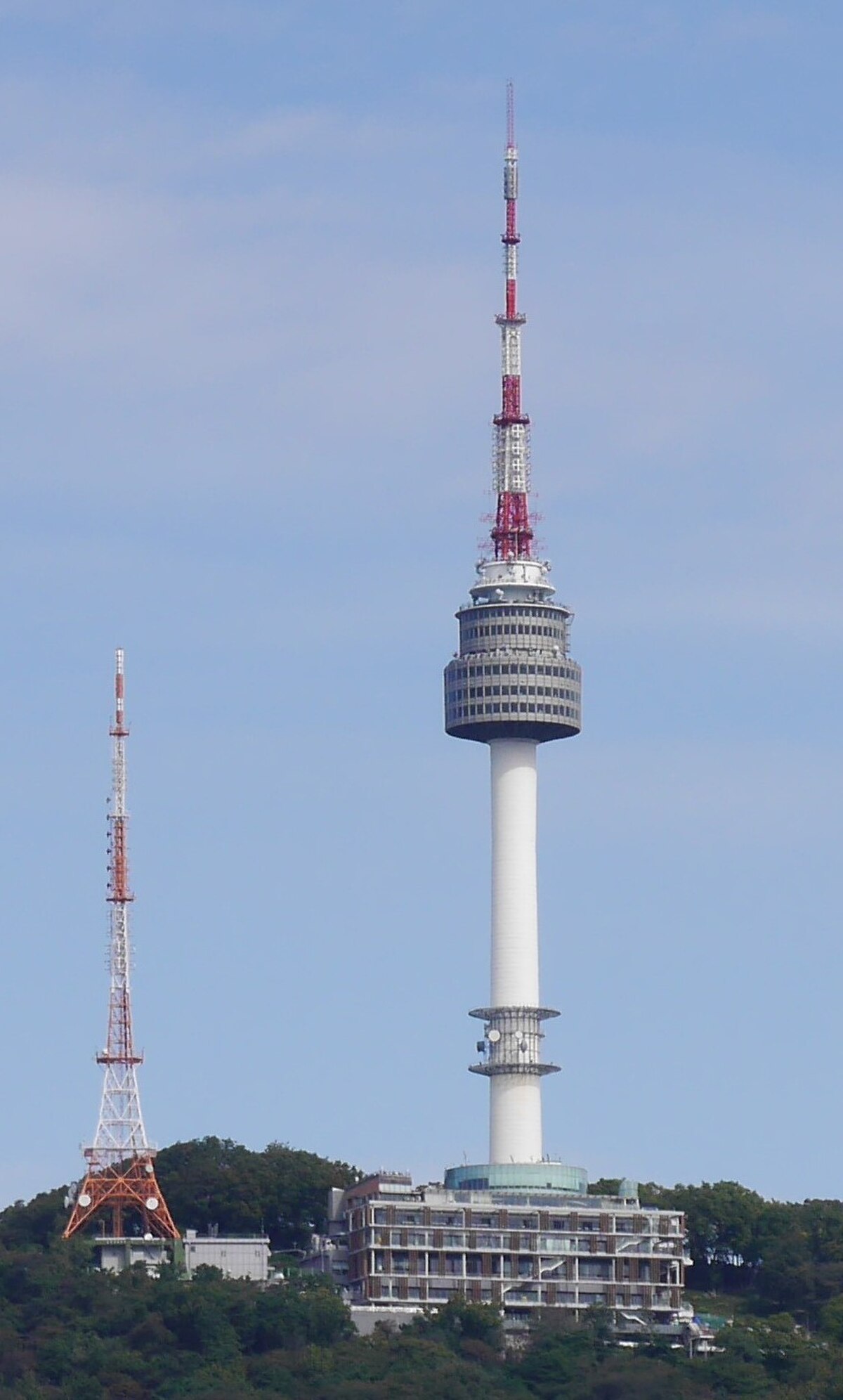
N Seoul Tower: Seoul's Most Iconic Landmark
Perched atop Namsan mountain, N Seoul Tower offers breathtaking 360-degree views of the city and has become a beloved symbol of Seoul's modern romance.
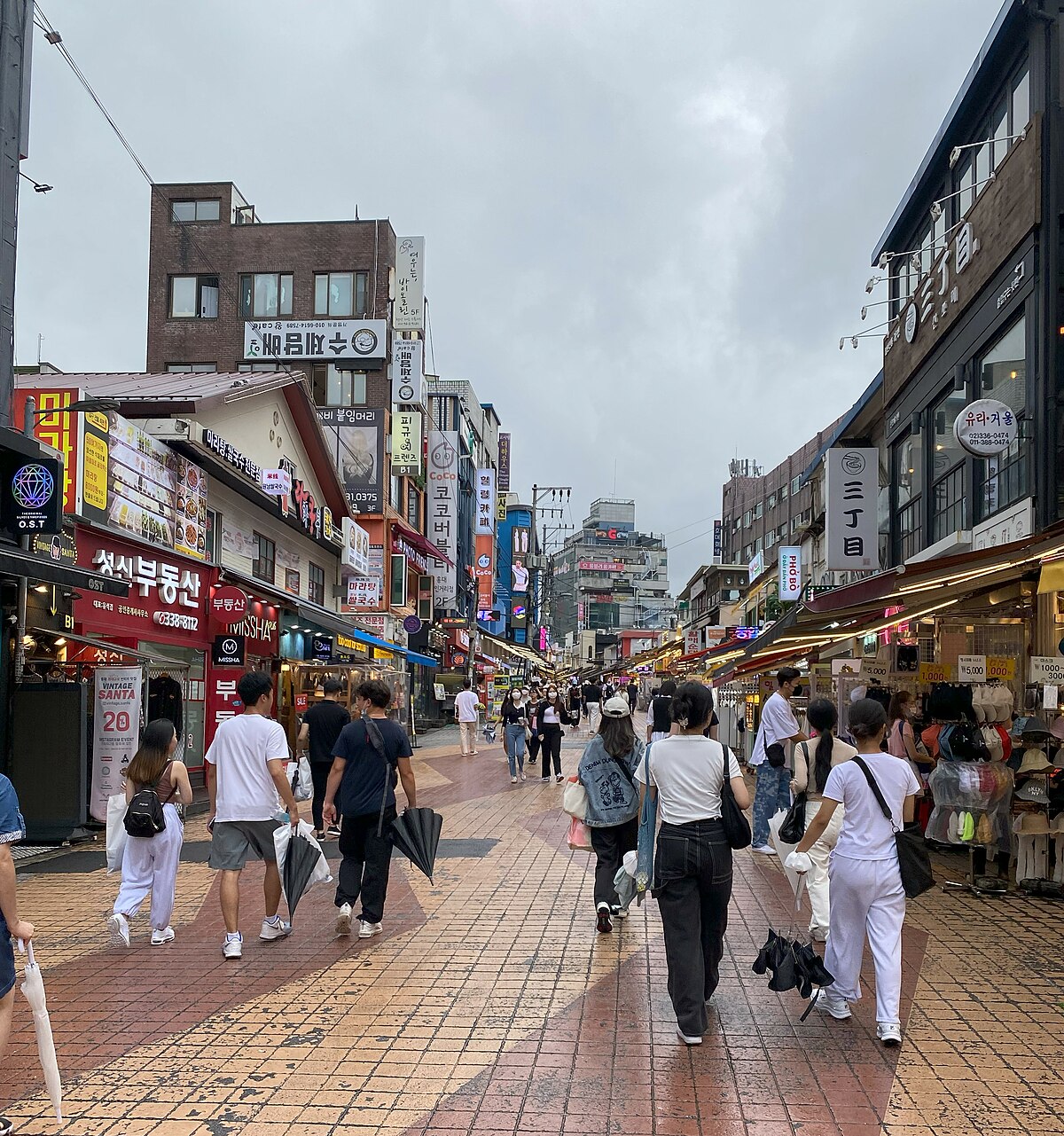
Hongdae: Seoul's Creative Youth Capital
Seoul's most vibrant arts and nightlife district, Hongdae pulses with indie music, street performances, quirky cafés, and the creative energy of Korea's top arts university.
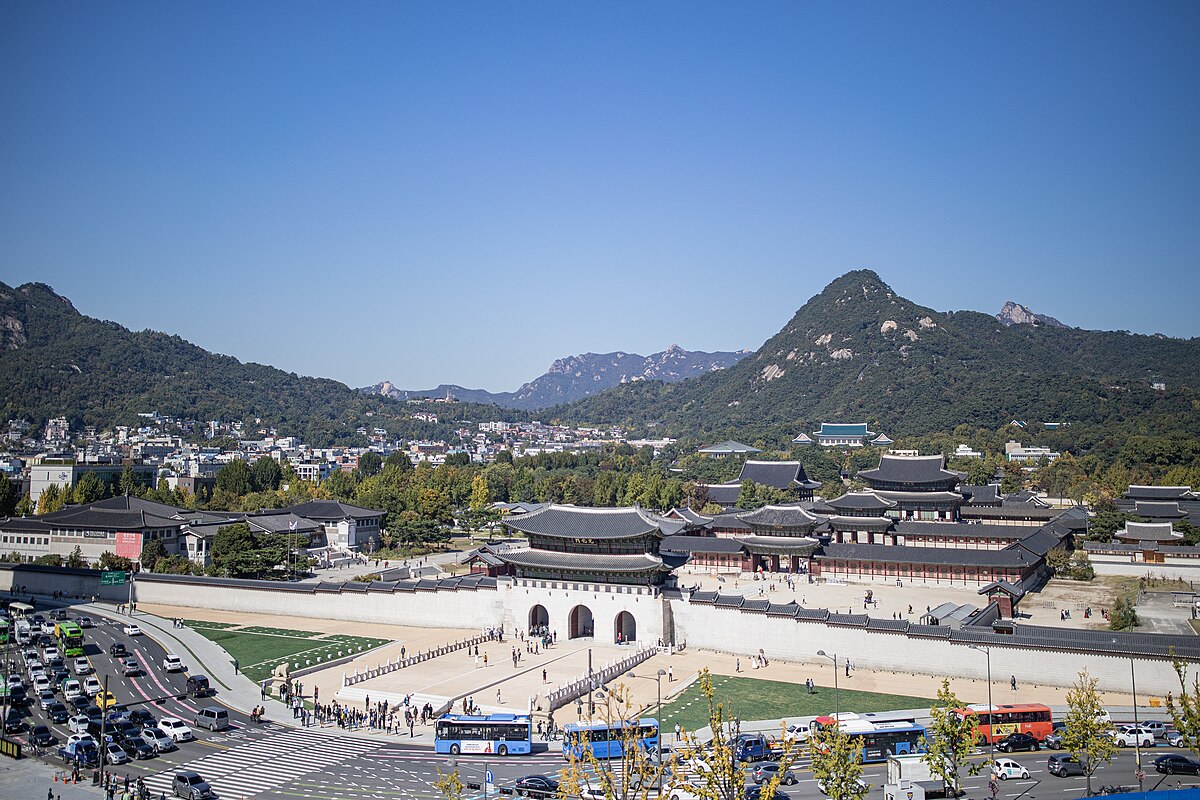
Gyeongbokgung: Seoul's Grand Joseon Palace
The largest and most magnificent of Seoul's Five Grand Palaces, Gyeongbokgung served as the heart of the Joseon Dynasty for over 500 years.