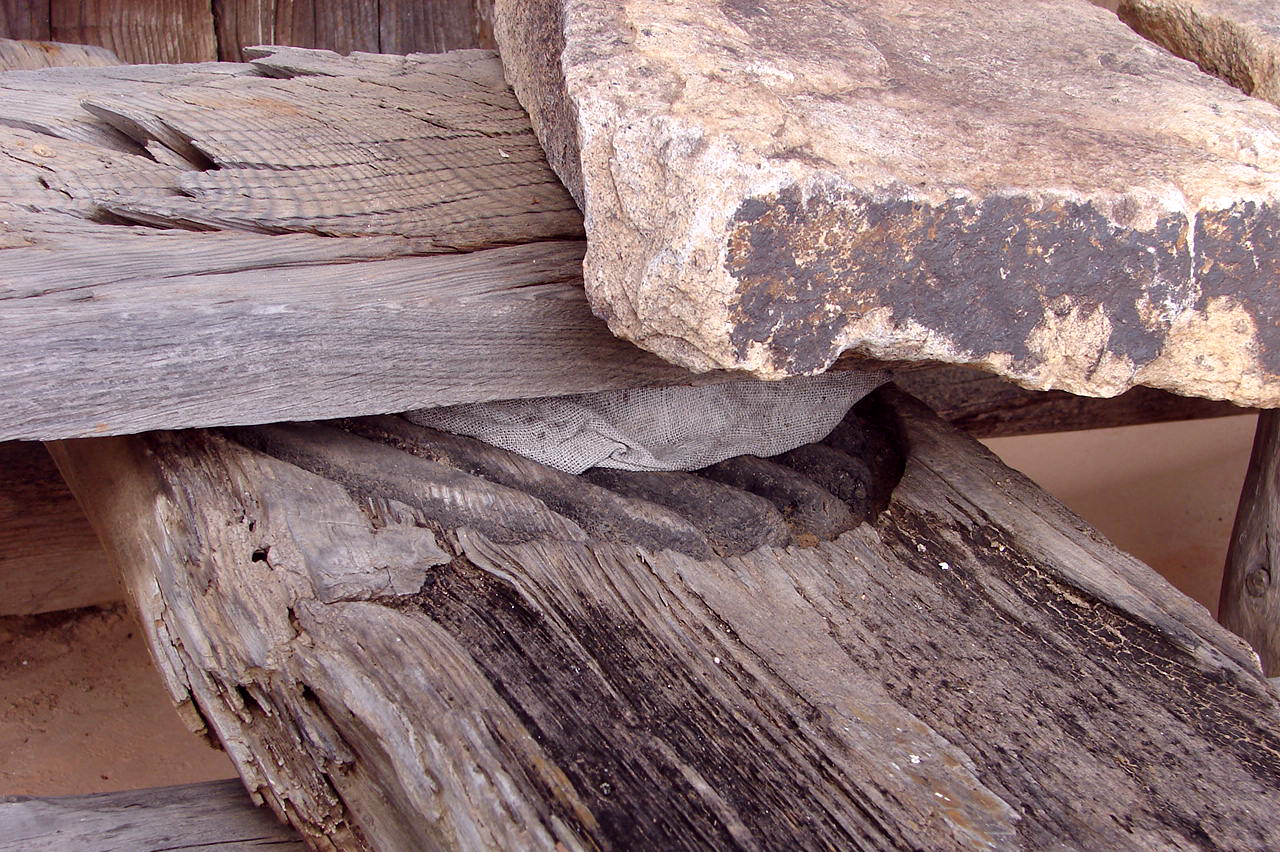
Cheongpung Cultural Heritage Site: Joseon Relics Above the Lake
The Cheongpung Cultural Heritage Site in Jecheon is an open-air museum that relocated dozens of Joseon-era buildings and artefacts before they were submerged by the Chungju Lake dam, preserving them on a scenic hillside overlooking the water.
Photo: Wikipedia Commons
What Is the Cheongpung Cultural Heritage Site?
The Cheongpung Cultural Heritage Site (청풍문화재단지) is a hilltop heritage park in Cheongpung-myeon, Jecheon, containing 43 relocated Joseon-dynasty structures including stone gates, granaries, pavilions, and a magistrate's office. The buildings were dismantled and meticulously reconstructed on higher ground when the construction of the Chungju Dam in the early 1980s raised the water level of Chungju Lake and submerged the original Cheongpung township below. The site commands panoramic views of the lake and surrounding ridgelines from its elevated position.
History & Significance
Cheongpung was a prosperous Joseon-era county seat whose stone-paved streets and tile-roofed government buildings made it one of the most architecturally intact traditional towns in central Korea. When the Chungju Multipurpose Dam project was approved in 1978, the entire town was earmarked for inundation. Between 1979 and 1985, heritage teams worked to document, disassemble, and relocate 43 significant structures to the current hillside site, while thousands of households were resettled. The project was one of the first large-scale architectural preservation efforts in Korean history and set a precedent for subsequent dam-related heritage work.
What to See & Do
The site is arranged as a living open-air museum with clear interpretive signs at each structure explaining its original function and history. The Hanu (Joseon official) house, the local granary, and the three-story stone pagoda are the most significant structures. A ferry departs from the base of the hill to Janghoek, allowing visitors to combine the heritage site with a lake cruise through the dramatically flooded valleys of Chungju Lake.
Visitor Tips
The steep hillside path requires comfortable shoes and takes about an hour to walk at a relaxed pace. The lake views from the upper pavilion are particularly spectacular in autumn when the surrounding deciduous forest turns red and gold. A cable car provides an alternative ascent for those who prefer not to climb.
Tips
- 💡Take the cable car up and walk down for the best combination of views and exploration.
- 💡The ferry connection to Janghoek runs on a seasonal schedule — confirm timing before visiting.
- 💡Autumn foliage (mid-October to early November) makes this one of the most scenic heritage sites in central Korea.
Last updated: April 1, 2026
You might also like
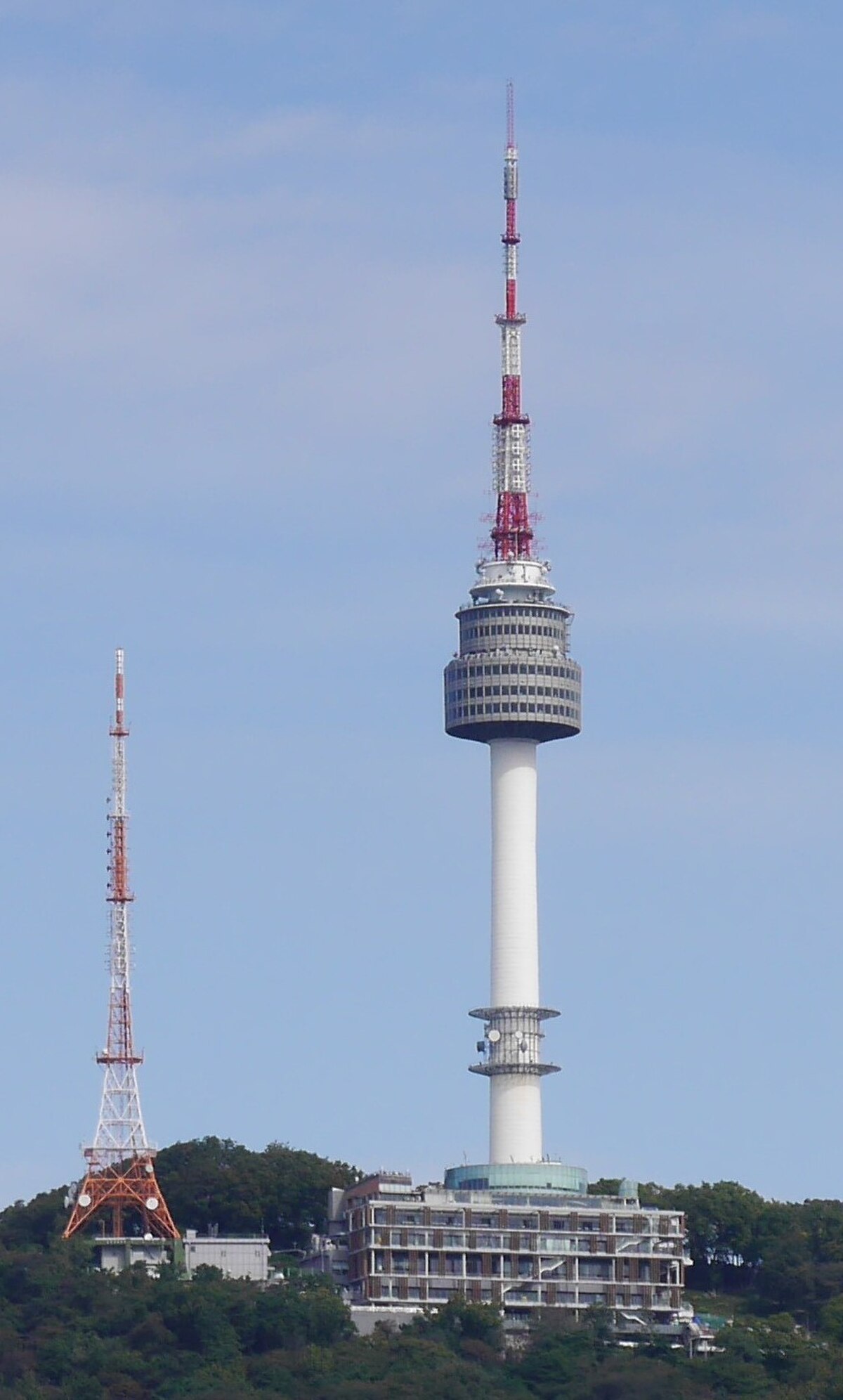
N Seoul Tower: Seoul's Most Iconic Landmark
Perched atop Namsan mountain, N Seoul Tower offers breathtaking 360-degree views of the city and has become a beloved symbol of Seoul's modern romance.
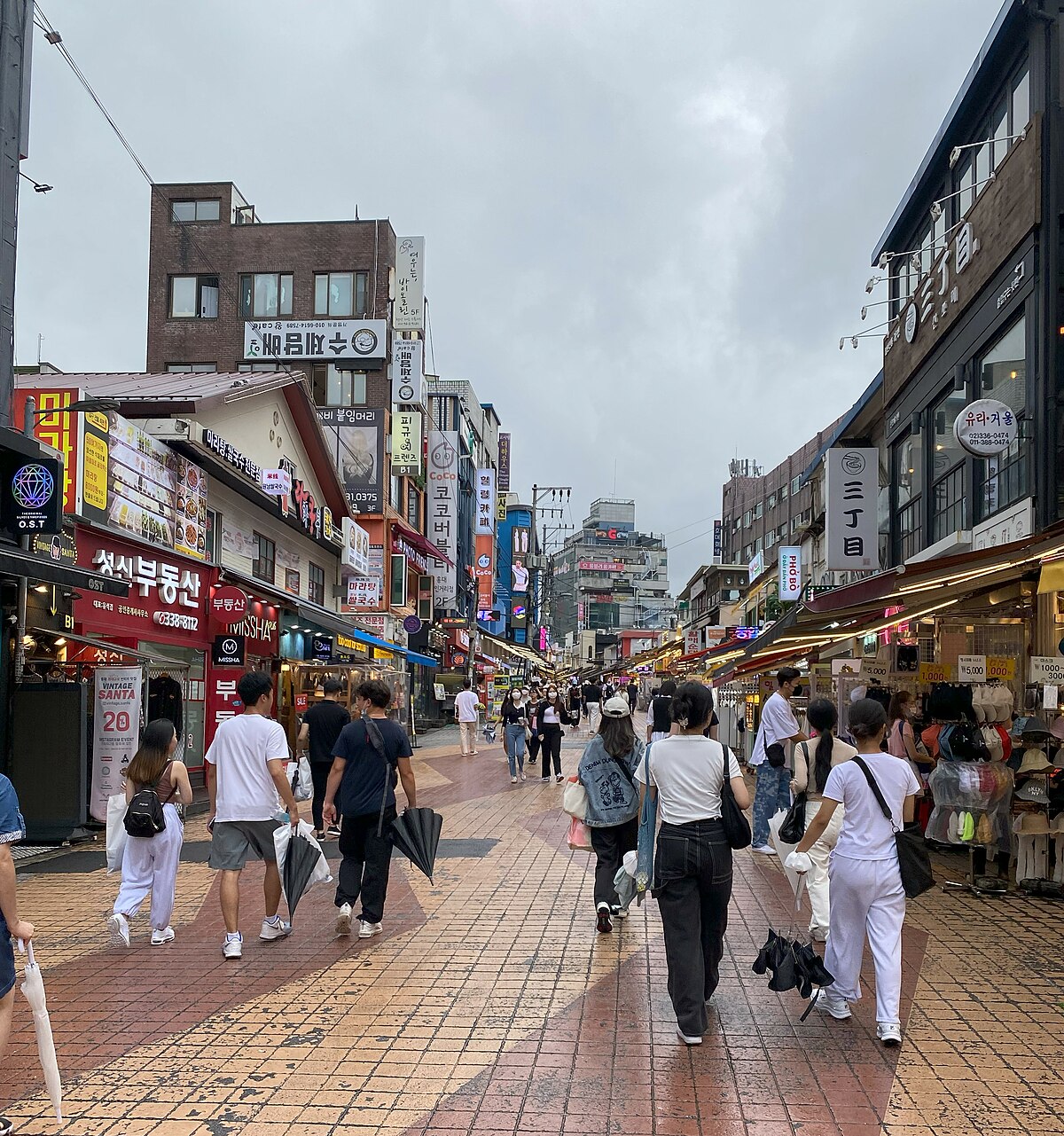
Hongdae: Seoul's Creative Youth Capital
Seoul's most vibrant arts and nightlife district, Hongdae pulses with indie music, street performances, quirky cafés, and the creative energy of Korea's top arts university.
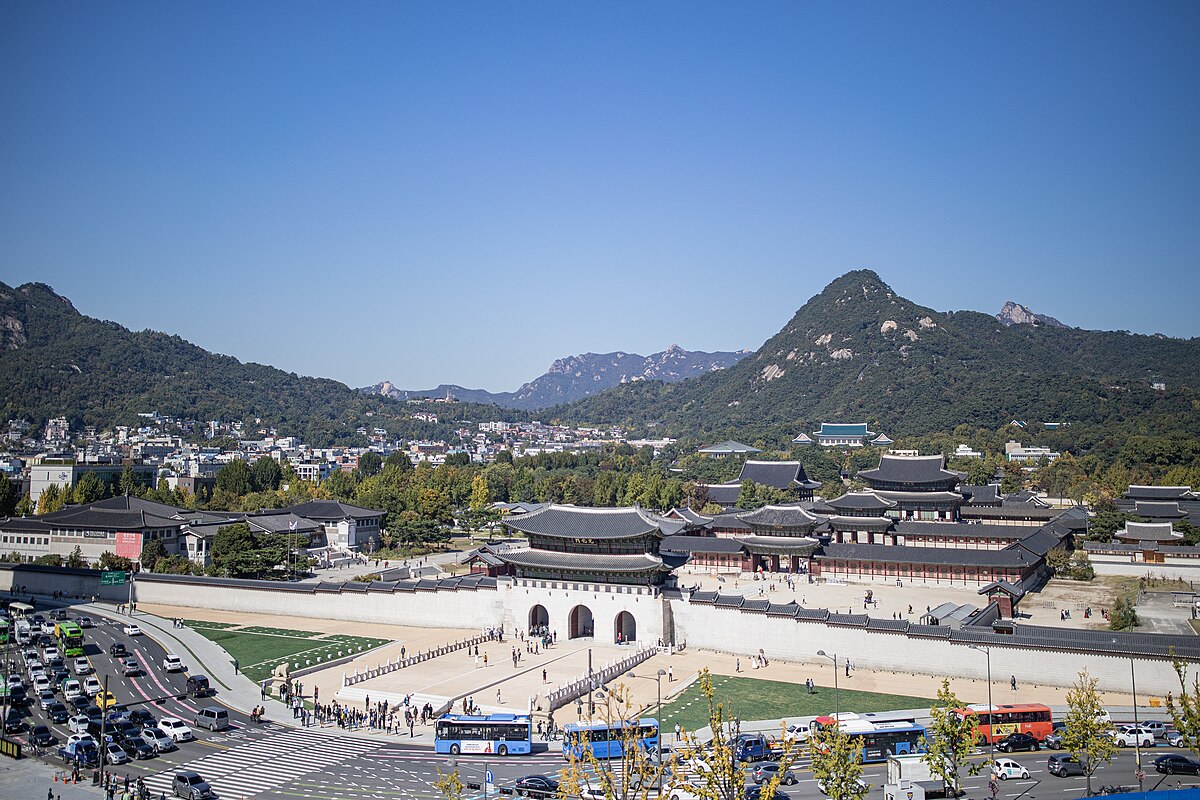
Gyeongbokgung: Seoul's Grand Joseon Palace
The largest and most magnificent of Seoul's Five Grand Palaces, Gyeongbokgung served as the heart of the Joseon Dynasty for over 500 years.