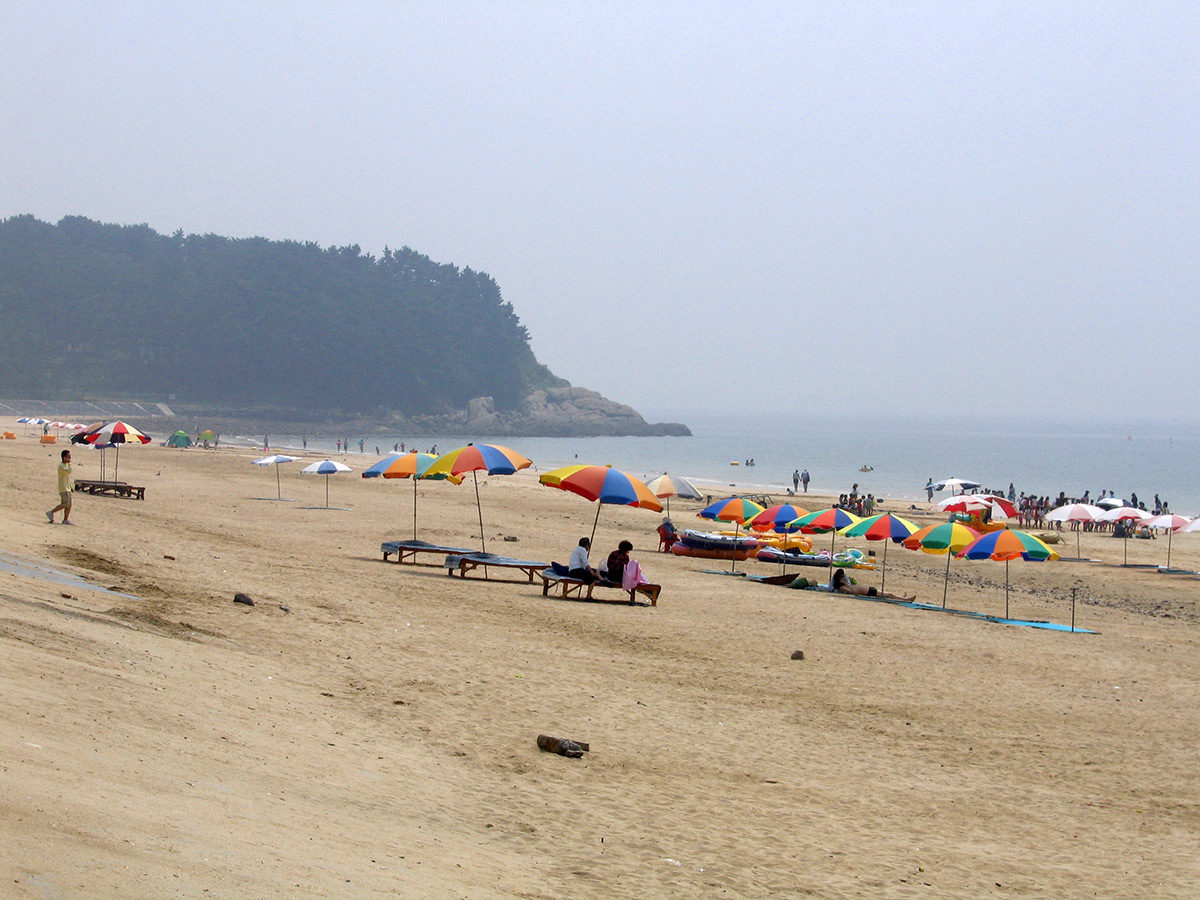
Daecheon Beach: The West Sea's Largest Beach
Daecheon Beach in Boryeong is the largest beach on Korea's West Sea coast, stretching 3.5 kilometres of fine grey sand and backed by a lively resort strip, famous as the venue for the world-renowned Boryeong Mud Festival each July.
Photo: Wikipedia Commons
What Is Daecheon Beach?
Daecheon Beach (대천해수욕장) is a 3.5-kilometre stretch of fine grey sand on the Yellow Sea (West Sea) coast of Boryeong, South Chungcheong Province. The beach's gentle gradient and shallow water make it suitable for families and novice swimmers, and its large scale accommodates the enormous crowds that descend each summer — particularly during the July Mud Festival when visitor numbers can exceed one million over a single weekend. The beach is backed by a dense strip of seafood restaurants, game arcades, accommodation, and entertainment venues that operate around the clock through July and August.
History & Significance
Daecheon Beach developed as a resort destination during the Japanese colonial period when rail connections made it accessible from Seoul. After the Korean War it became one of Korea's first purpose-built beach resort areas, attracting middle-class families from the capital. The beach's character changed dramatically in 1998 when the Boryeong City government launched the Mud Festival as a marketing initiative to promote the region's mineral-rich tidal flat mud. The festival attracted international attention within a few years and transformed Daecheon from a domestic resort into a globally recognised destination, now regularly cited as one of the world's most unusual festivals.
What to See & Do
Outside of the Mud Festival, Daecheon Beach is an excellent base for exploring the nearby tidal flats at low tide, where clams and crabs can be gathered. The beach town has a strong seafood dining scene, particularly for braised hairtail fish (갈치조림) and raw sea cucumber. Day trips to the nearby Muchangpo Beach for its tidal parting phenomenon are easy to combine with a stay in Daecheon.
Visitor Tips
The beach is most comfortable in June before the summer peak, or in early September when the weather remains warm but crowds thin. For the Mud Festival in July, book accommodation three to four months in advance as the entire resort strip sells out. Daecheon Beach is 90 minutes by bus from Seoul Express Bus Terminal.
Tips
- 💡Book July accommodation six months ahead for the Mud Festival — all Boryeong accommodation fills up.
- 💡The tidal flat walk at low tide near the southern end of the beach is one of the West Sea's best experiences.
- 💡Fresh hairtail (갈치) cooked at beachside restaurants is the definitive Daecheon eating experience.
Last updated: April 1, 2026
You might also like
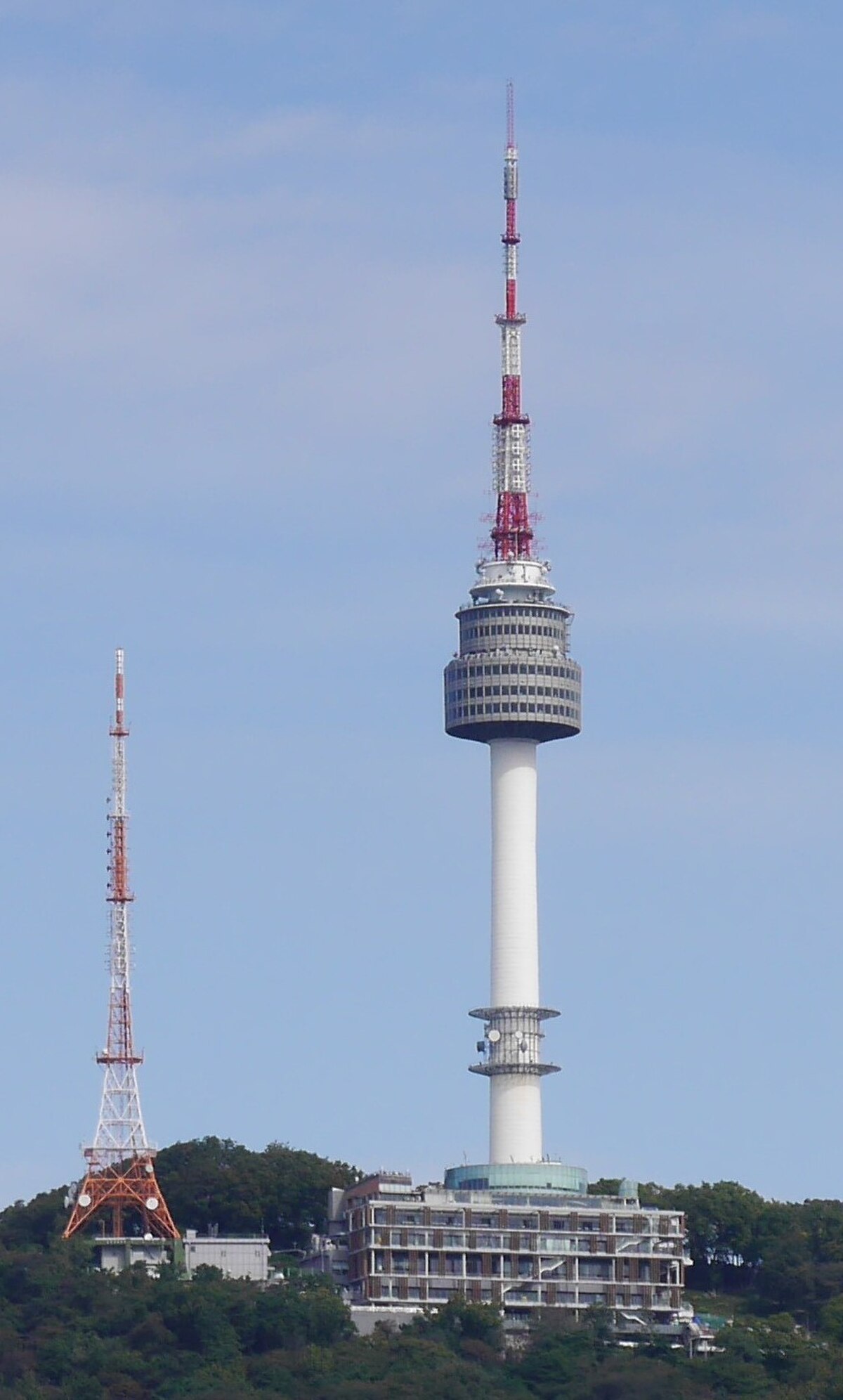
N Seoul Tower: Seoul's Most Iconic Landmark
Perched atop Namsan mountain, N Seoul Tower offers breathtaking 360-degree views of the city and has become a beloved symbol of Seoul's modern romance.
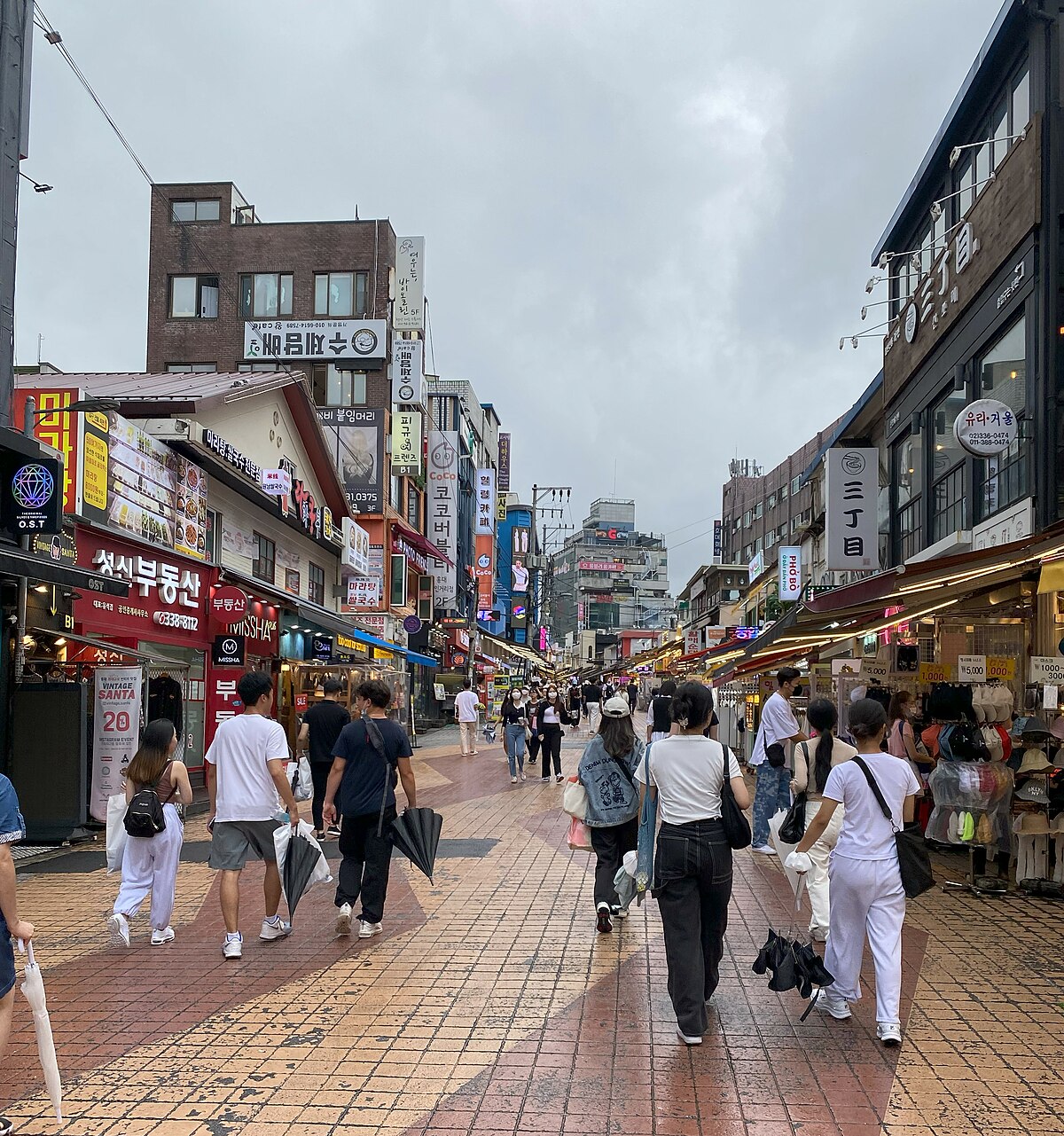
Hongdae: Seoul's Creative Youth Capital
Seoul's most vibrant arts and nightlife district, Hongdae pulses with indie music, street performances, quirky cafés, and the creative energy of Korea's top arts university.
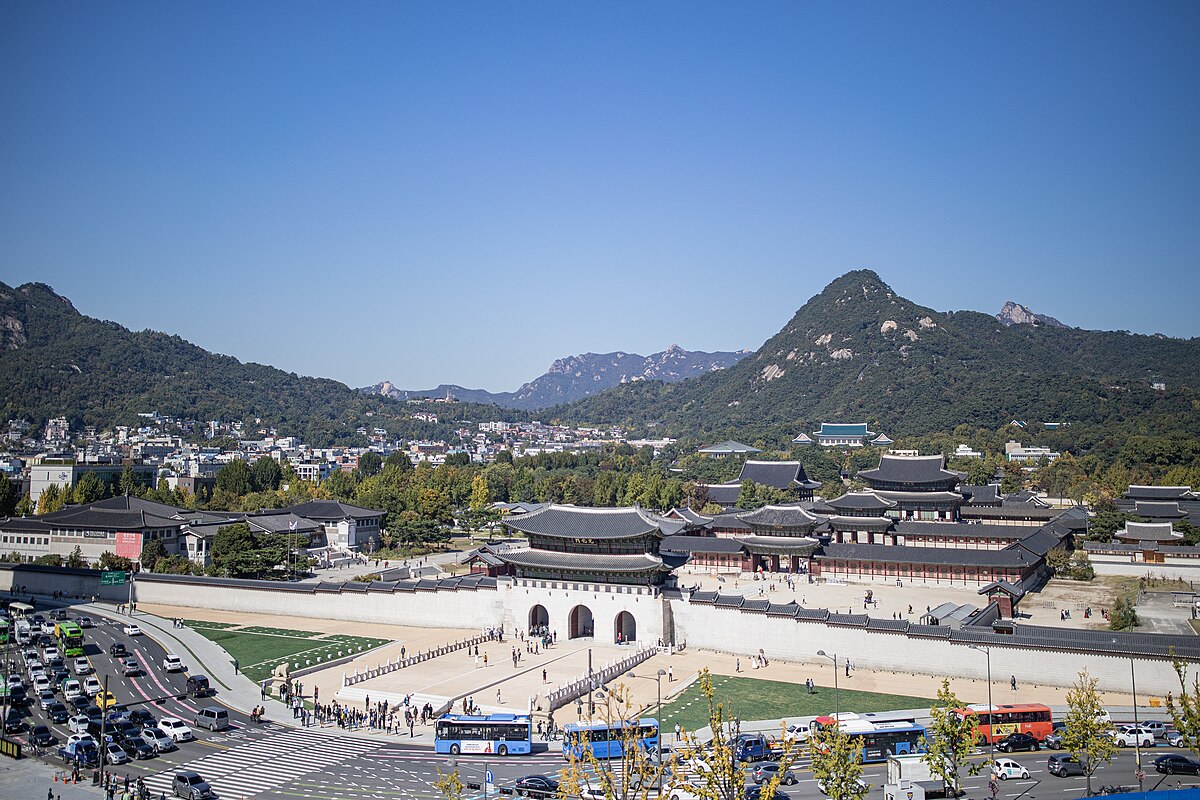
Gyeongbokgung: Seoul's Grand Joseon Palace
The largest and most magnificent of Seoul's Five Grand Palaces, Gyeongbokgung served as the heart of the Joseon Dynasty for over 500 years.