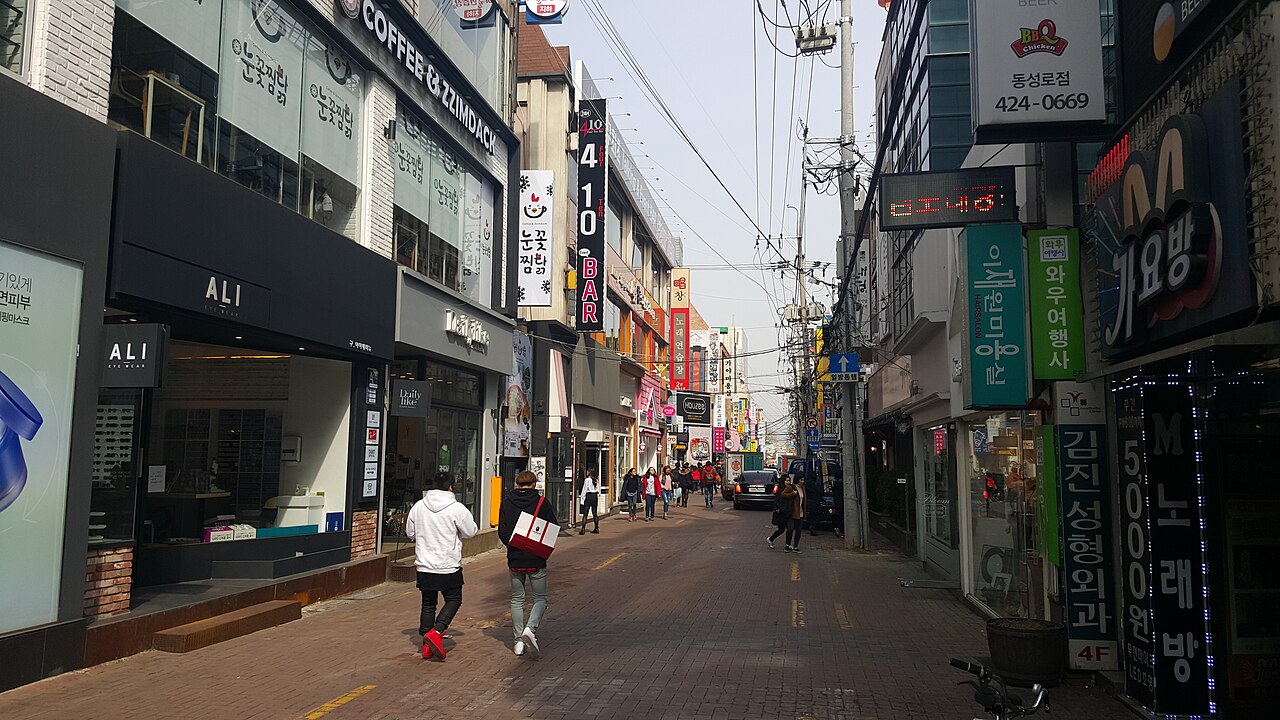
Dongseongno: Daegu's Fashion and Culture Heartbeat
A pedestrian boulevard in the heart of Daegu, Dongseongno is the commercial and cultural centre of Korea's third-largest city — packed with fashion boutiques, street food vendors, cinemas, and the energy of a city with serious style ambitions.
Photo: Wikipedia Commons
What Is Dongseongno?
Dongseongno (동성로) is the main pedestrian shopping and entertainment boulevard in central Daegu, stretching approximately 1.5 kilometres through Jung-gu district. The name literally means 'East Castle Street,' referencing the eastern wall of the old Joseon-era city that once stood here. Today it functions as a wide pedestrian zone flanked by multi-storey fashion retail buildings, department stores, cinemas, cafes, restaurants, and street vendor stalls. It is widely regarded as Korea's fashion capital outside Seoul — Daegu has historically been a major textile and garment manufacturing city, and this commercial culture is reflected in the density and quality of clothing boutiques along the street.
History & Significance
Daegu has been a major commercial hub in the southern Korean interior since the Joseon Dynasty, when it served as a significant market town on the trade routes between Seoul and Busan. The textile and garment industry established during Japanese colonial rule made Daegu one of Korea's first industrial cities, and this manufacturing base supported a local fashion retail culture that evolved through the post-war economic boom. Dongseongno emerged as the primary shopping district in the 1960s and 1970s and has maintained that status through multiple urban transformations. The area around Dongseongno is also home to several cultural venues, small theatres, and artist-run galleries that give the street a character beyond pure retail.
What to See & Do
Walking the full length of Dongseongno takes about 20 minutes at leisure, though the side alleys deserve exploration — independent vintage clothing stores, small jewellery workshops, and specialist food stalls occupy the secondary streets branching from the main boulevard. The street is busiest on weekend evenings when a significant portion of Daegu's young population converges here. Street performers, pop-up events, and seasonal markets add to the energy. The adjacent Jungangno area contains a concentration of cafes and a popular night food court. Nearby Kim Kwang-seok Street (김광석 다시 그리기 길) is a mural-lined alley commemorating the beloved Daegu-born singer — a quieter, more contemplative nearby attraction.
Visitor Tips
Dongseongno is best visited on Friday and Saturday evenings when the energy is at its highest — the side alleys become particularly interesting after 8pm when independent stores and food vendors come to life. Daegu is reachable from Seoul in 1h45m by KTX train; the city is a viable day trip but deserves at least an overnight stay to experience the evening atmosphere. Subway Line 1 (Jungangno Station) deposits you directly at Dongseongno. The combination of Dongseongno, Seomun Market (15-minute walk), and the Kim Kwang-seok mural alley creates a full half-day in central Daegu. Summer temperatures in Daegu are the highest in Korea — the city sits in a basin with minimal sea breeze — so evening visits are preferable in July and August.
Tips
- 💡Weekends are electric; the side alleys hide independent vintage stores that Seoul fashionistas raid for finds.
- 💡Visit Kim Kwang-seok Street nearby — a mural alley honouring Daegu's beloved folk singer, very different in character.
- 💡Summer Daegu is brutally hot; evening visits are far more comfortable than daytime.
Last updated: April 1, 2026
You might also like
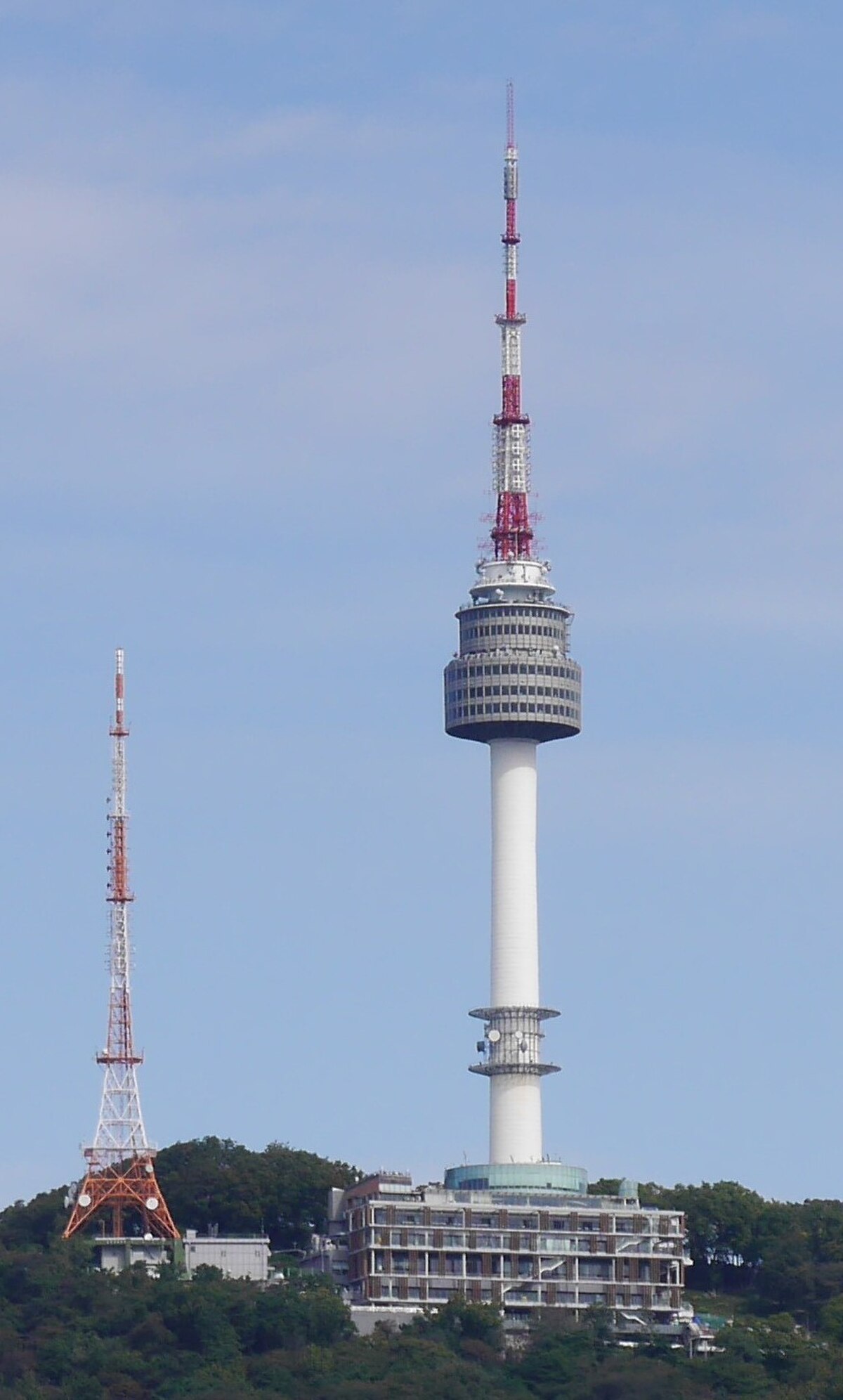
N Seoul Tower: Seoul's Most Iconic Landmark
Perched atop Namsan mountain, N Seoul Tower offers breathtaking 360-degree views of the city and has become a beloved symbol of Seoul's modern romance.
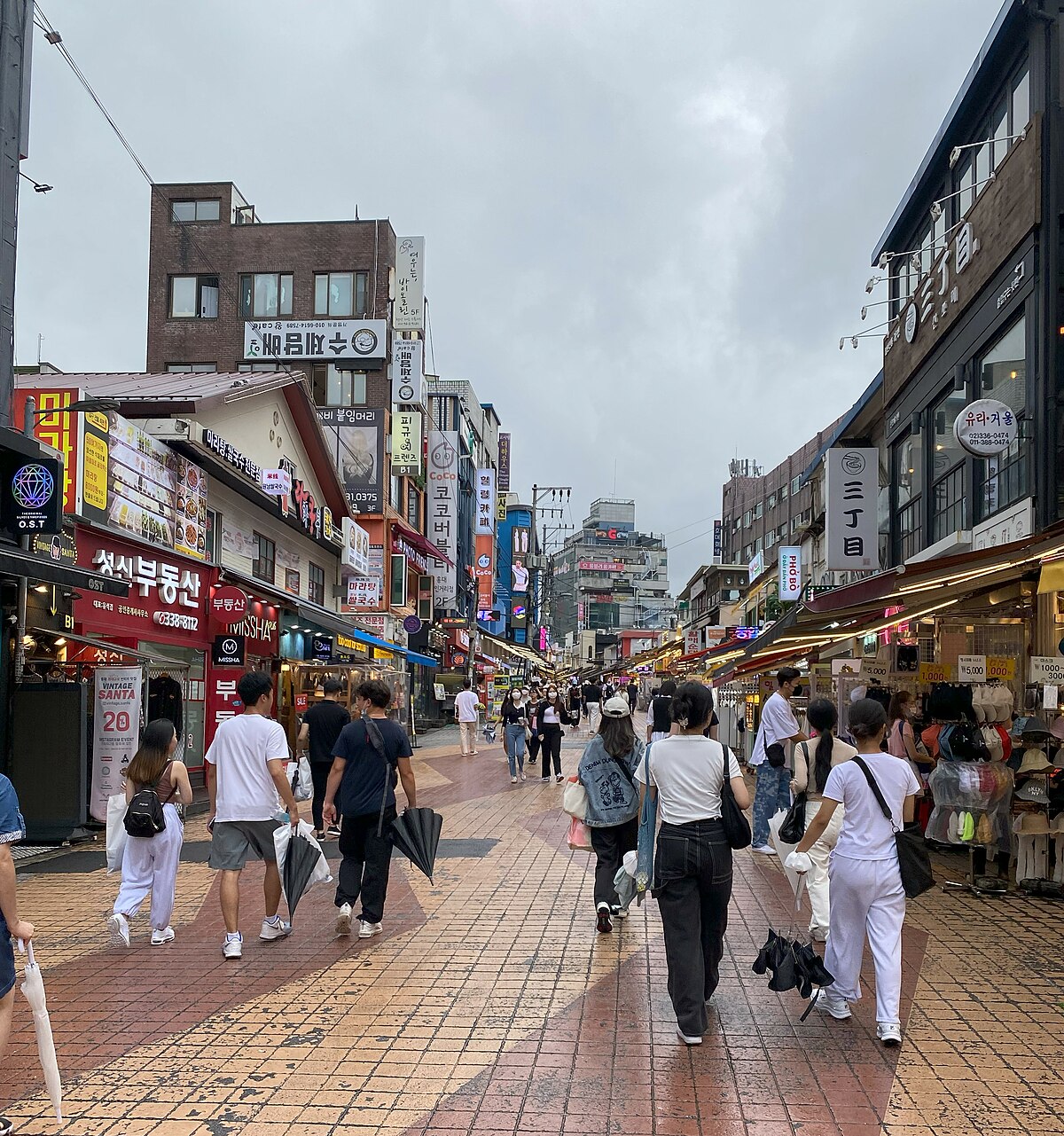
Hongdae: Seoul's Creative Youth Capital
Seoul's most vibrant arts and nightlife district, Hongdae pulses with indie music, street performances, quirky cafés, and the creative energy of Korea's top arts university.
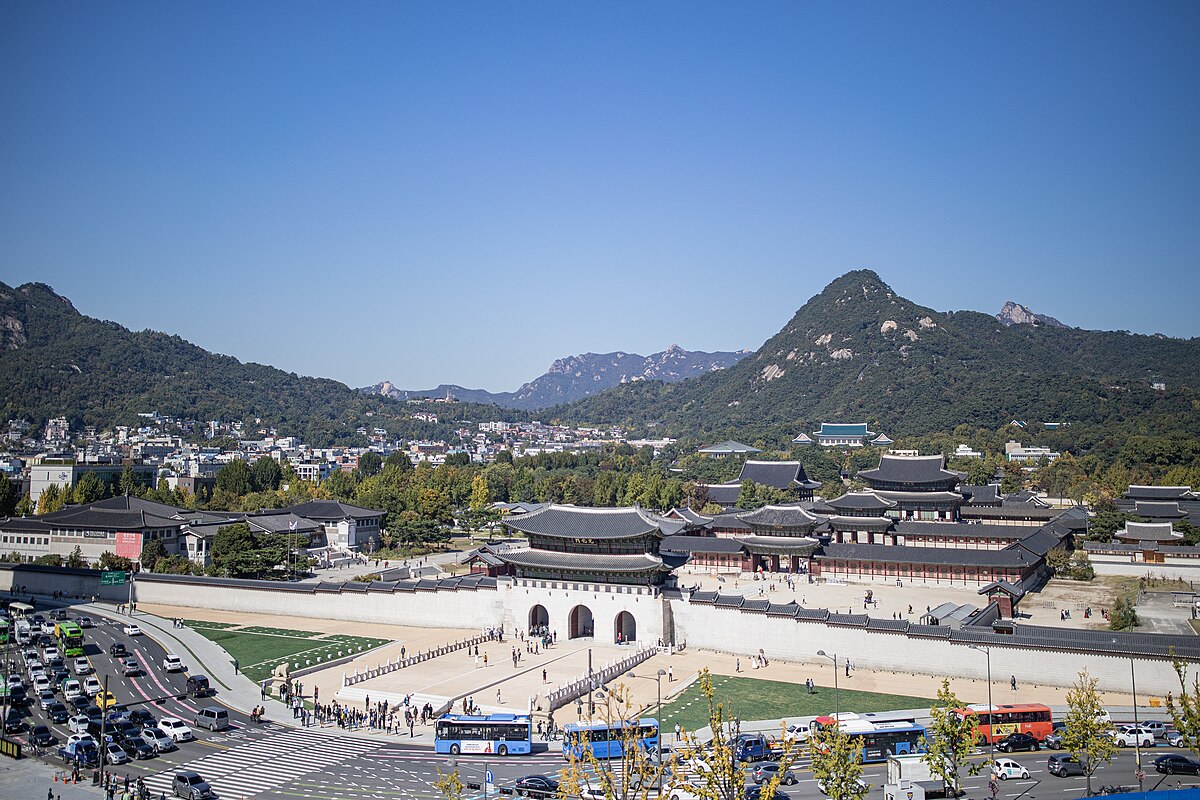
Gyeongbokgung: Seoul's Grand Joseon Palace
The largest and most magnificent of Seoul's Five Grand Palaces, Gyeongbokgung served as the heart of the Joseon Dynasty for over 500 years.