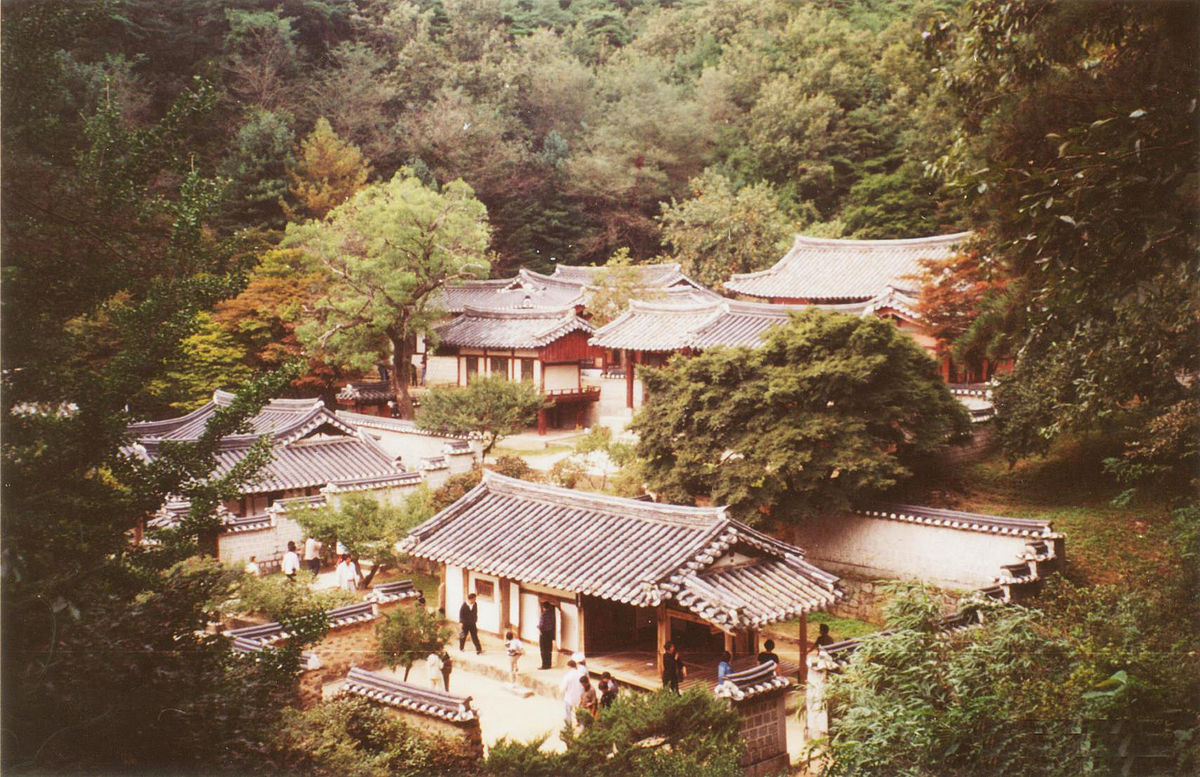
Dosan Seowon: The Academy of Korea's Greatest Confucian Scholar
Built as the study retreat of Yi Hwang — the philosopher whose face appears on the Korean ₩1,000 note — Dosan Seowon sits at the bend of a river facing a mountain, designed to maximise the conditions for scholarly contemplation.
Photo: Wikipedia Commons
What Is Dosan Seowon?
Dosan Seowon (도산서원) is a Confucian academy established in 1574, two years after the death of Yi Hwang (이황, pen name Toegye), widely regarded as the greatest neo-Confucian philosopher of the Joseon Dynasty. Yi Hwang studied and taught at the original site during his lifetime; the formal academy buildings were constructed posthumously by his students to honour his legacy. The complex is located in a mountain valley north of Andong, on a bend of the Nakdong River (now a reservoir), and was deliberately designed to create the ideal environment for learning — with mountains to the rear, water in front, and a reflection pond in the foreground that doubles the architectural scene.
History & Significance
Yi Hwang (1501–1570) is considered the Korean equivalent of Zhu Xi, the Chinese philosopher who defined neo-Confucianism. His philosophy emphasised moral self-cultivation, the investigation of things, and the extension of knowledge through study and reflection. Yi Hwang declined repeated invitations to serve in the royal court, preferring scholarly life in Andong — a choice that came to define the region's character as the centre of Korean Confucian culture. His image has appeared on the South Korean ₩1,000 banknote since 1983. Dosan Seowon was included in the 2019 UNESCO World Heritage inscription of Korean neo-Confucian academies, and the site receives over 300,000 visitors annually.
What to See & Do
The compound includes Dosan Seodang, the small study hall where Yi Hwang personally studied and taught — its scale is deliberately modest, reflecting Confucian values of simplicity. The attached Nongwunjong garden and Yeokrak Seoje are where Yi Hwang's closest students studied. The formal academy buildings (Jeongyodang lecture hall, Dongjae and Seojae dormitories, and the shrine housing Yi Hwang's spirit tablet) were added after his death. The reflection pond at the entrance, calm on still mornings, mirrors the main hall and the mountain backdrop with perfect symmetry. The Andong Dam reservoir has submerged part of the original valley, but the academy itself stands on raised ground above the waterline.
Visitor Tips
Dosan Seowon is located approximately 25 km north of Andong city; buses run from Andong Bus Terminal (about 40 minutes, infrequent schedule — check times in advance). Entry fee is ₩1,500. The reflection pond at the main entrance is at its finest in still morning air before tour groups arrive at 10am. Autumn foliage (late October – early November) frames the compound in gold and red and is among the most beautiful seasonal views in the Andong area. The site also contains a small museum with exhibits on Yi Hwang's philosophy and historical artefacts from the academy. Allow 90 minutes to explore the full compound and read the interpretive panels.
Tips
- 💡The reflection pond at the entrance is extraordinary in still morning air — go before tour groups arrive at 10am.
- 💡Autumn foliage in late October frames the compound in gold and is among the finest seasonal views in Andong.
- 💡Combine with Byeongsan Seowon and Hahoe Folk Village for a full Andong heritage day.
Last updated: April 1, 2026
You might also like
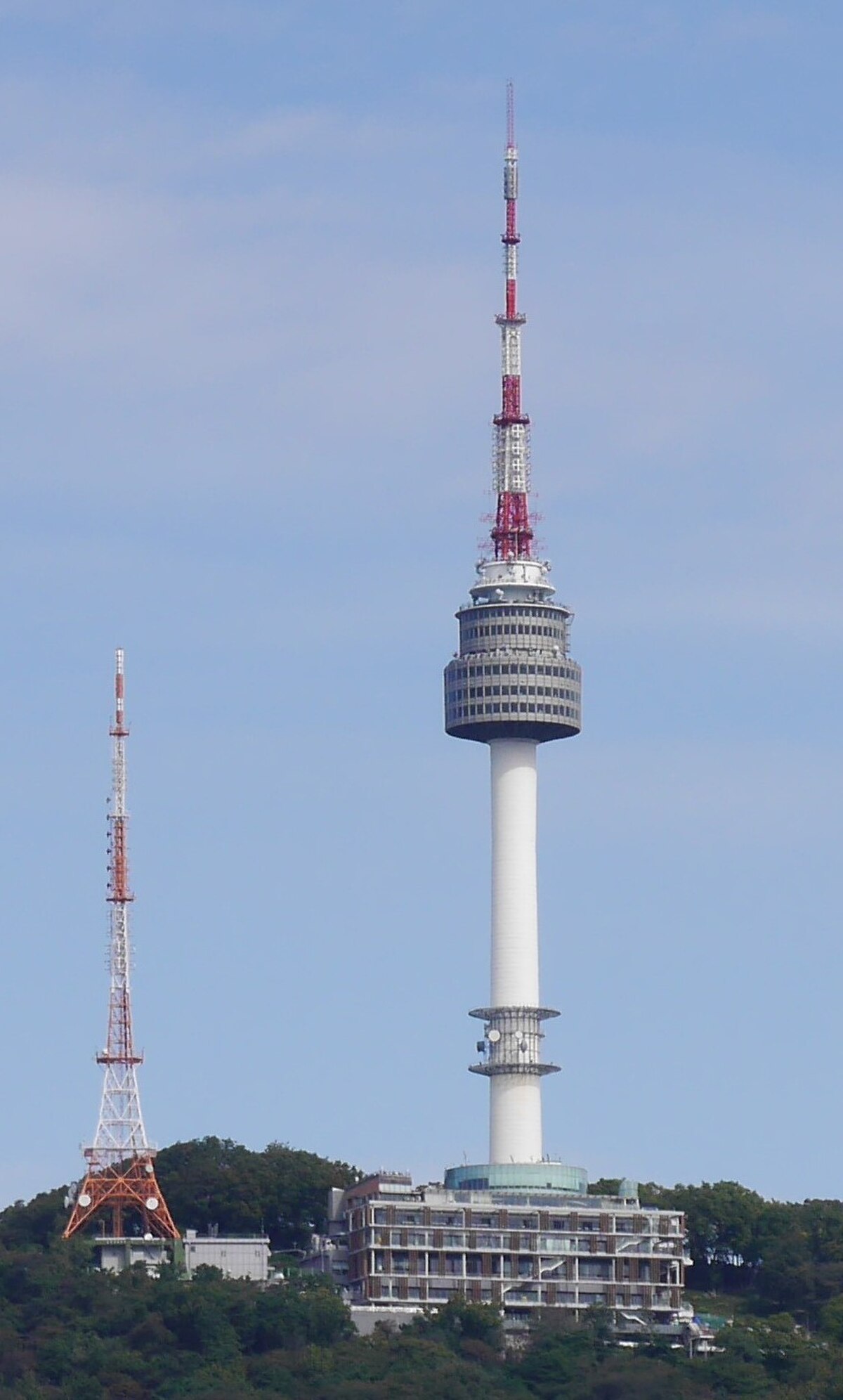
N Seoul Tower: Seoul's Most Iconic Landmark
Perched atop Namsan mountain, N Seoul Tower offers breathtaking 360-degree views of the city and has become a beloved symbol of Seoul's modern romance.
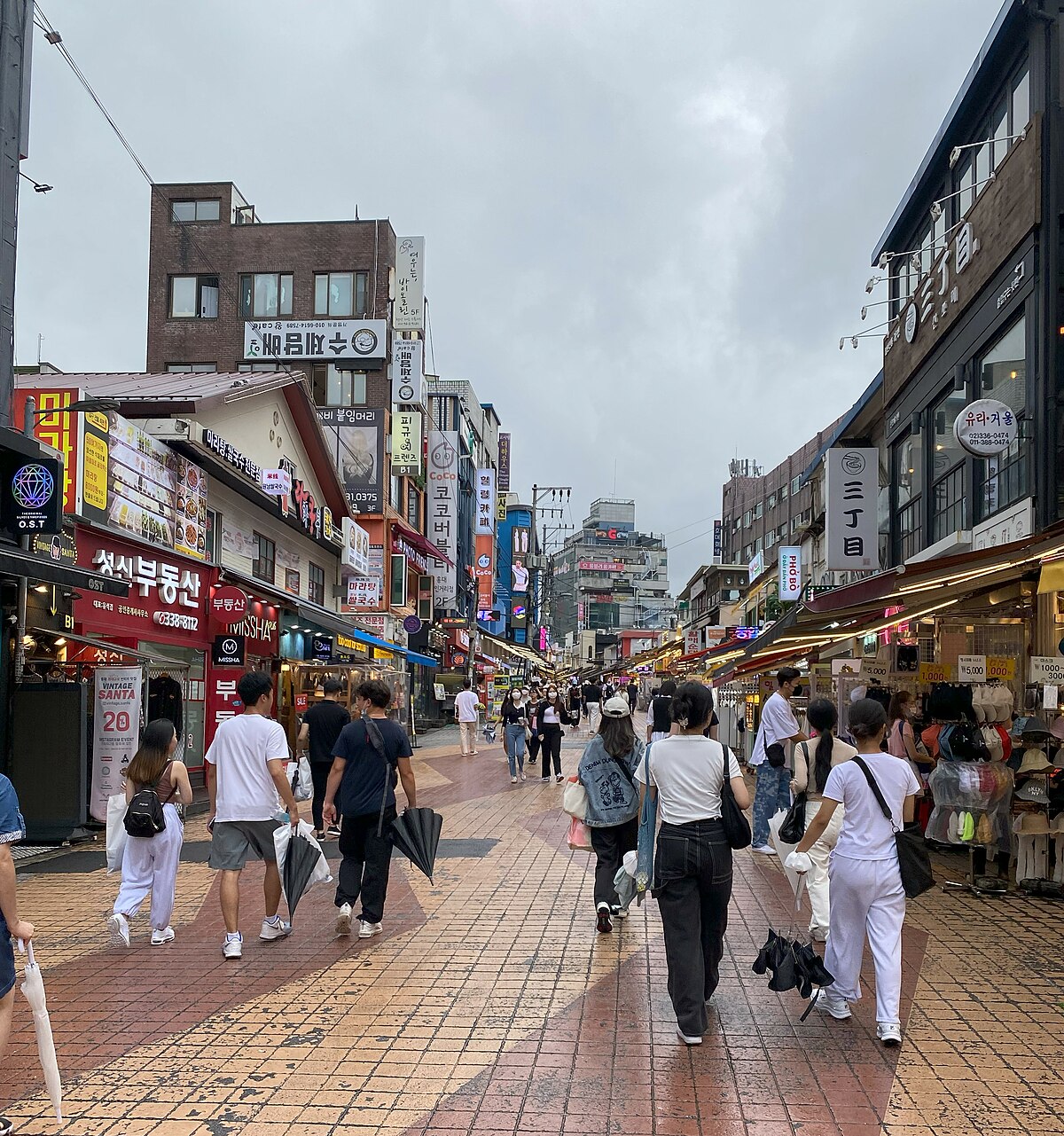
Hongdae: Seoul's Creative Youth Capital
Seoul's most vibrant arts and nightlife district, Hongdae pulses with indie music, street performances, quirky cafés, and the creative energy of Korea's top arts university.
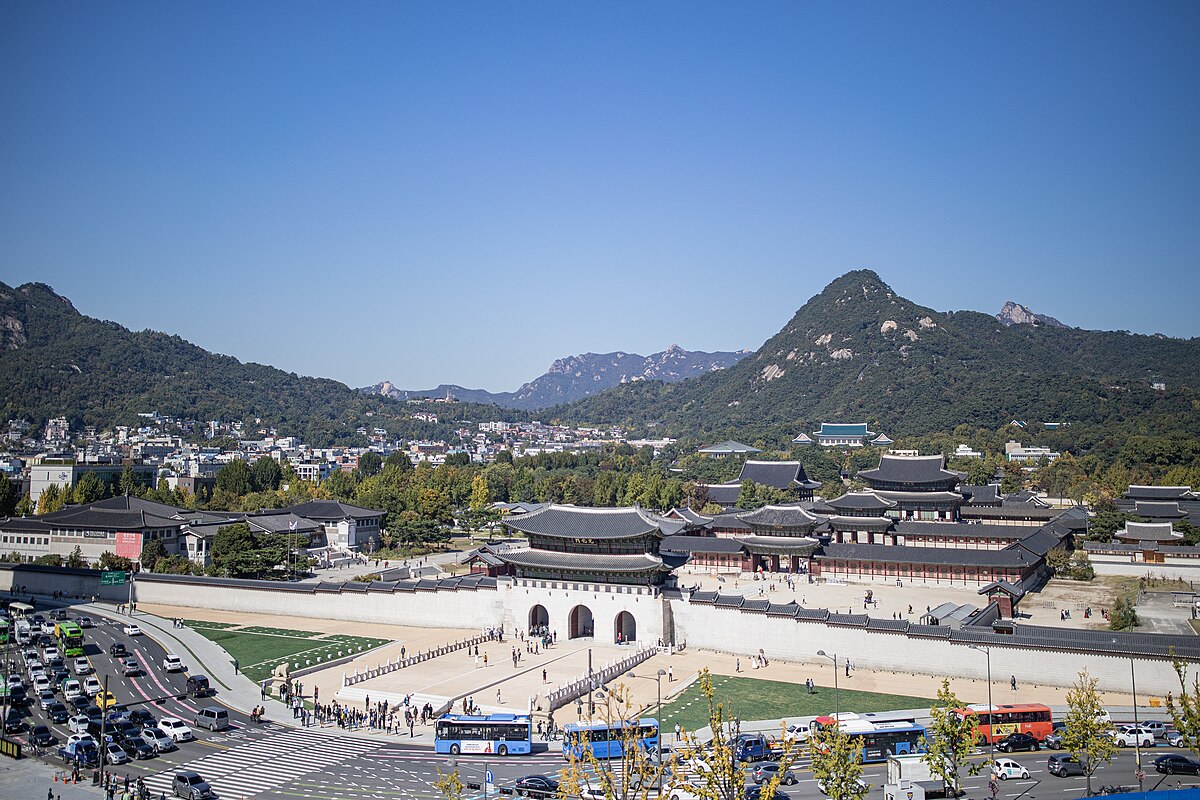
Gyeongbokgung: Seoul's Grand Joseon Palace
The largest and most magnificent of Seoul's Five Grand Palaces, Gyeongbokgung served as the heart of the Joseon Dynasty for over 500 years.