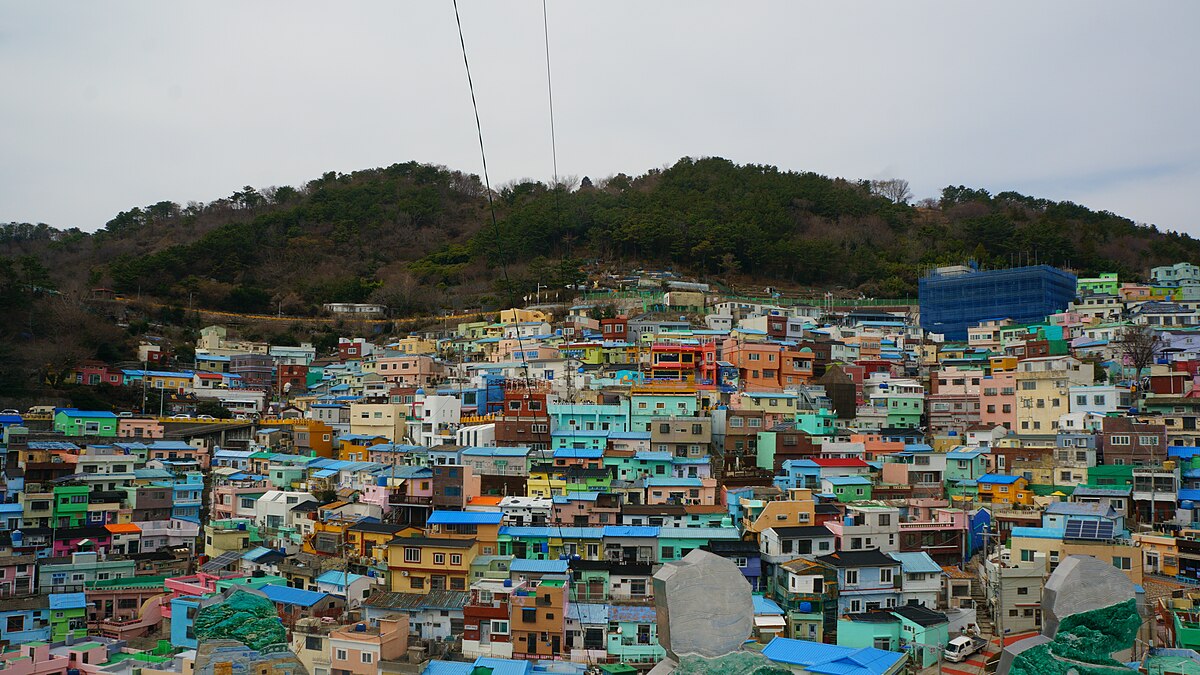
Gamcheon Culture Village: Busan's Rainbow Hillside Neighborhood
Once a shantytown for Korean War refugees, Gamcheon Culture Village has been transformed into a vibrant open-air gallery of colorful houses, murals, and artistic alleyways.
Photo: Wikipedia Commons
What Is Gamcheon Culture Village?
Gamcheon Culture Village (감천문화마을) is one of Busan's most photographed and beloved neighborhoods — a densely packed hillside community of brightly colored houses cascading down toward the harbor, threaded with narrow alleyways, public art installations, and small galleries. Often called the 'Machu Picchu of Busan' or the 'Santorini of Korea,' it's a uniquely photogenic place where art and community life intermingle. The village covers the steep hillsides of the Gamcheon neighborhood in Saha-gu, in the western part of Busan. Houses are stacked tightly on the slope, with a labyrinth of pedestrian alleyways connecting different levels. The overall effect, especially when viewed from above, is of a colorful mosaic of buildings against the urban landscape of Busan stretching to the harbor below. What makes Gamcheon particularly special is that it remains a living, inhabited neighborhood rather than a preserved museum. Real residents live in the colorful houses, run small cafés and shops in converted spaces, and are part of the ongoing story of the village. The art installations and murals are integrated into this everyday life, creating an authentic and layered experience.
History & Significance
Gamcheon's story begins in the turbulent aftermath of the Korean War (1950-1953). As the war ended and refugees flooded into Busan, which had served as a wartime capital, many of the displaced built temporary homes on the steep hillsides of Gamcheon using whatever materials they could find. The Taegeukdo religious community (a Korean new religious movement) established a significant presence here, helping to organize the settlement. For decades, Gamcheon remained a poor, overlooked neighborhood — its steep topography made development difficult and its wartime origins stigmatized it. Many of the original residents stayed as the neighborhood aged around them. By the early 2000s, Gamcheon faced population decline and urban decay. The transformation began in 2009 when the Busan Metropolitan Government, in partnership with the Ministry of Culture, launched the 'Dreaming Marymond in Gamcheon' project, inviting artists to create public installations throughout the village and encouraging the renovation of homes and public spaces. The project was a remarkable success — it revitalized the community, created economic opportunities for residents, and turned Gamcheon into a major tourist destination without displacing the original community.
What to See & Do
Exploring Gamcheon is best done without a rigid plan — get a map from the visitor center near the main entrance (stamp rally maps are available for a small fee) and wander the alleyways, discovering art installations, viewpoints, and small shops as you go. The path is clearly marked with color-coded routes for visitors. Key art installations include the famous 'Little Prince and the Fox' sculpture at a high viewpoint overlooking the village and harbor — one of the most photographed spots in all of Busan. Numerous murals cover building walls throughout the village, ranging from whimsical to thought-provoking. Small galleries in converted houses showcase local and visiting artists. The cafés and food vendors scattered throughout the village are an important part of the experience. Many are run by local residents and offer drinks and snacks with spectacular views from terraces perched on the hillside. Fish-shaped bread (bungeoppang) and local Busan snacks are popular.
- ·Follow the stamp rally trail with a village map to discover all key installations
- ·Find the 'Little Prince and Fox' sculpture for the iconic Gamcheon photo
- ·Stop at a hillside café for coffee with a panoramic view of the neighborhood
- ·Browse the small galleries and artist studios in converted village houses
- ·Visit on a weekday morning when the light is beautiful and crowds are smaller
Visitor Tips
The village is open daily and free to enter (some gallery spaces may have small entrance fees). The easiest way to reach Gamcheon is by taxi from Busan's Toseong-dong area or by taking Bus 1-1 or 2 from Toseong Station (Metro Line 1) to the Gamcheon Culture Village stop. Wear comfortable shoes with good grip — the alleyways are steep and involve many stairs. The village is compact but the hilly terrain means even a short distance takes time. Summer weekends are very crowded; early mornings or weekday visits are strongly recommended. The village can get very hot in summer and the narrow alleyways provide limited shade, so bring water and sun protection. The visitor center near the entrance provides free maps and hosts a small exhibition about the village's history.
Tips
- 💡Pick up a stamp rally map at the entrance — it guides you to all the key art installations
- 💡Wear non-slip shoes — the steep alleyways can be challenging especially in wet weather
- 💡The best light for photography is in the morning; arrive early to avoid afternoon crowds
Last updated: March 30, 2026
You might also like
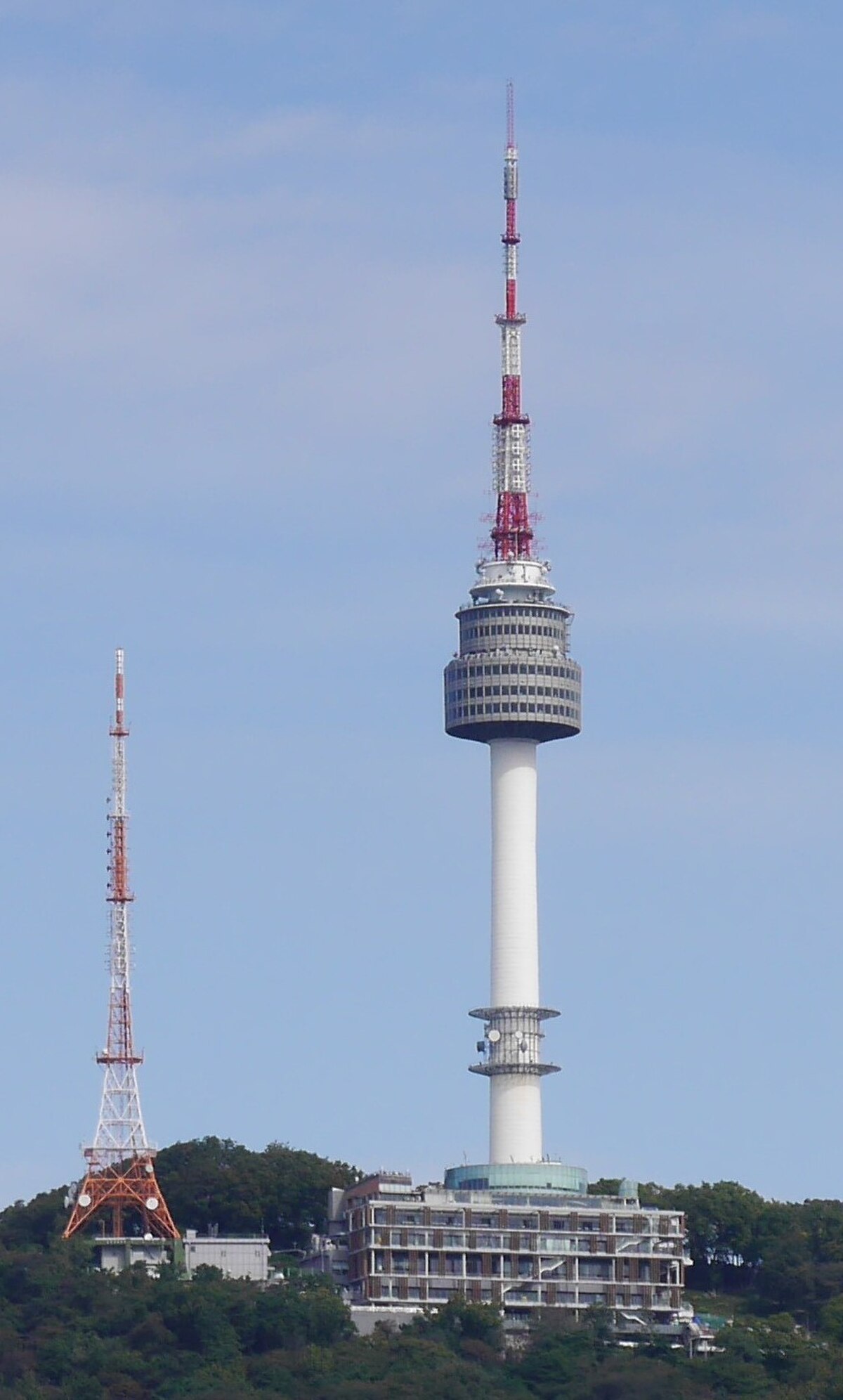
N Seoul Tower: Seoul's Most Iconic Landmark
Perched atop Namsan mountain, N Seoul Tower offers breathtaking 360-degree views of the city and has become a beloved symbol of Seoul's modern romance.
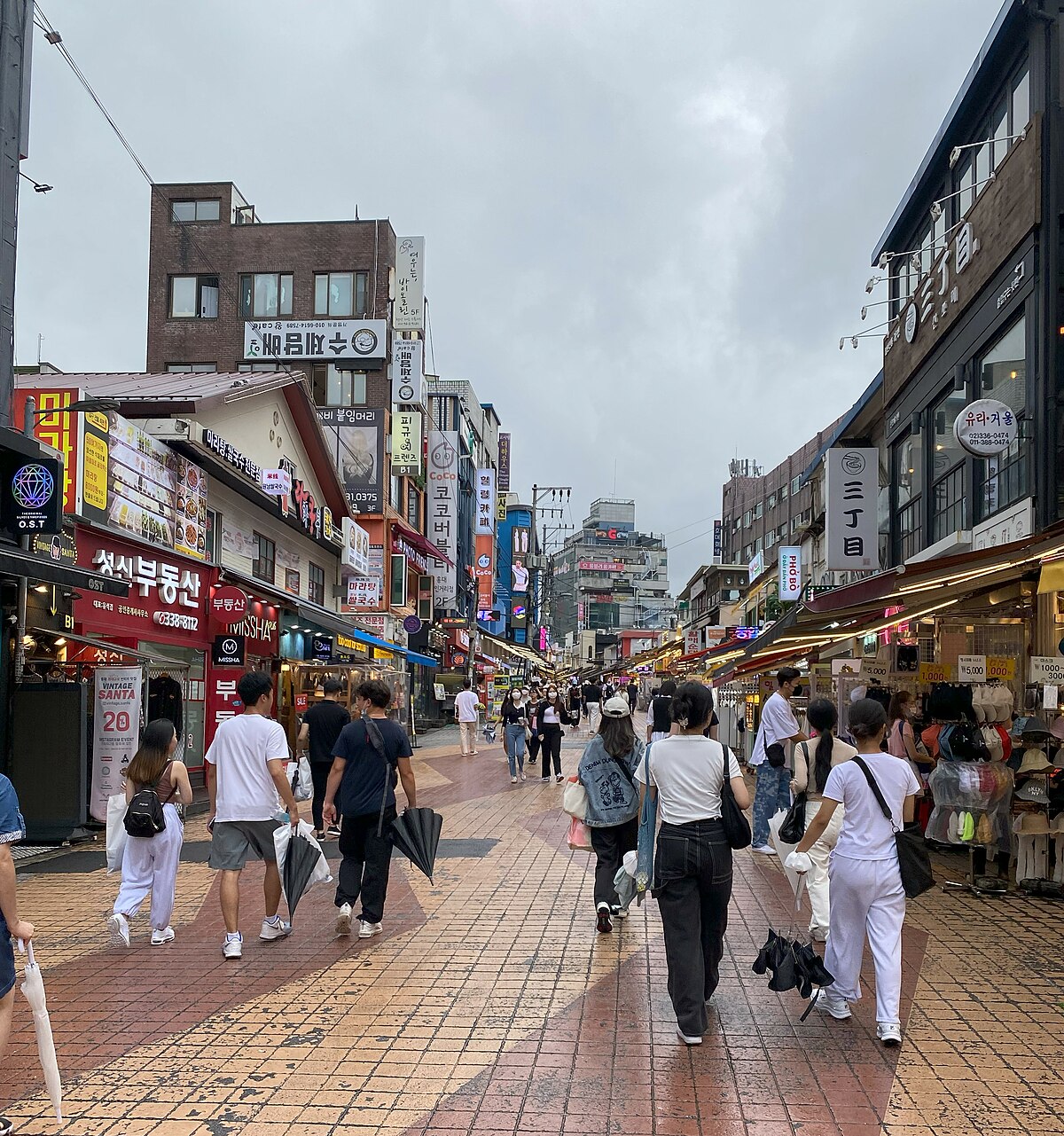
Hongdae: Seoul's Creative Youth Capital
Seoul's most vibrant arts and nightlife district, Hongdae pulses with indie music, street performances, quirky cafés, and the creative energy of Korea's top arts university.
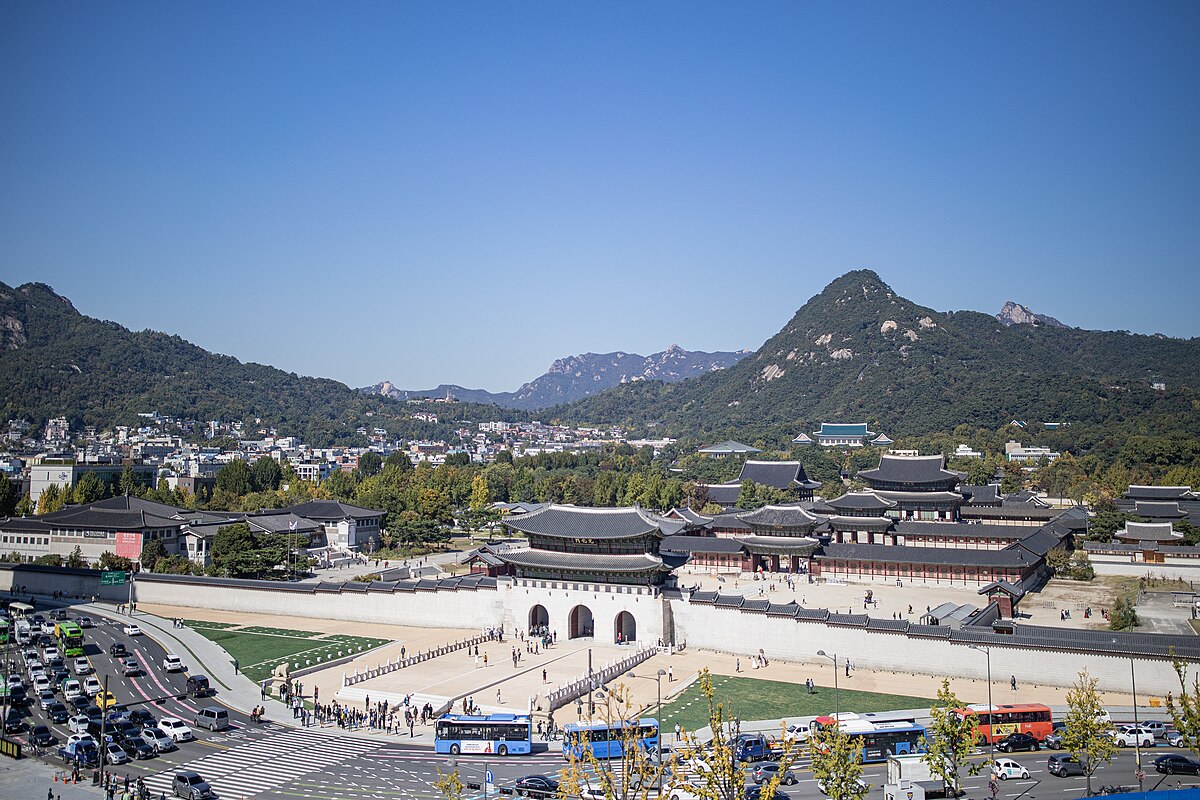
Gyeongbokgung: Seoul's Grand Joseon Palace
The largest and most magnificent of Seoul's Five Grand Palaces, Gyeongbokgung served as the heart of the Joseon Dynasty for over 500 years.