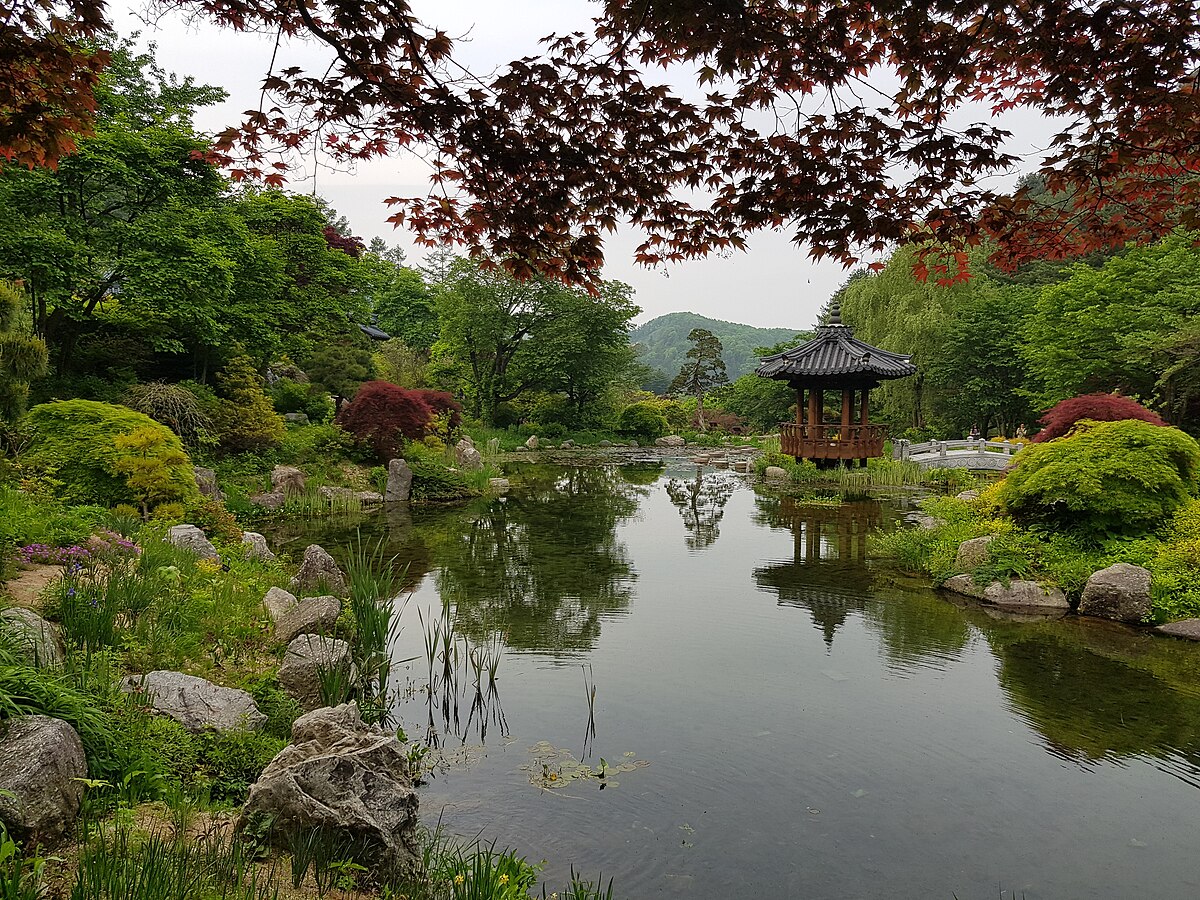
Garden of Morning Calm: Korea's Most Beautiful Botanical Garden
Set in the mountains of Gapyeong, the Garden of Morning Calm is Korea's oldest privately-owned arboretum with 5,000 plant species across beautifully themed gardens, spectacular in every season.
Photo: Wikipedia Commons
What Is the Garden of Morning Calm?
The Garden of Morning Calm (아침고요수목원), whose English name derives from a historical name for Korea ('Joseon,' which translates to 'Morning Calm'), is a private botanical garden and arboretum located in Gapyeong County, Gyeonggi Province, approximately 75 kilometers northeast of Seoul. It is Korea's oldest private arboretum and one of the most beautiful gardens in the entire country. Founded in 1996 by Professor Han Sang-kyung of Sahmyook University, the garden covers approximately 330,000 square meters of rolling mountain terrain and contains over 5,000 species of Korean and international plants across 20 themed garden sections. The garden's design philosophy blends traditional Korean garden aesthetics — harmony with nature, asymmetry, and the use of native plants — with contemporary horticultural practice, creating spaces that feel simultaneously timeless and expertly curated. The garden is exceptional in every season: spring brings waves of azaleas, magnolias, and spring bulbs; summer provides lush green canopies and water features; autumn turns the maple and ginkgo trees gold and red; and winter hosts spectacular illumination festivals that transform the garden into a magical landscape of lights after dark. This year-round appeal makes it one of Korea's most consistently popular garden destinations.
History & Significance
The garden was established by Professor Han Sang-kyung, a horticulture professor whose vision was to create a Korean garden that could stand comparison with the great gardens of Europe and Japan. Having studied gardens internationally, he chose a site in the mountains of Gapyeong for its natural topography — the valleys, slopes, and streams of the area provided the perfect canvas for a garden that works with the natural landscape rather than imposing upon it. The initial establishment of the garden on what had been agricultural and forested land was a massive undertaking involving years of soil preparation, planting, and infrastructure development. The professor and his family were personally involved in the physical work of establishing the garden, and this hands-on commitment is part of the garden's founding story. Over the 30 years since its founding, the garden has expanded and evolved, adding new themed sections while maturing the original plantings into the magnificent specimens seen today. The garden has received numerous national and international recognitions and has become a model for private garden development in Korea. Its winter illumination festival, which began in 2000, is considered one of Korea's most beautiful seasonal events.
What to See & Do
The garden's 20 themed sections include the Korean Garden (featuring traditional Korean design elements), the Bonsai Garden, the Wild Flower Garden, the Herb Garden, the Sunrise Garden with panoramic mountain views, and the Forest Path Garden. Each section has a distinct character and planting palette, and a full circuit of the garden takes 1.5-2.5 hours depending on pace. The winter illumination festival (typically November through March) is a spectacular evening event where the garden's trees, structures, and pathways are decorated with millions of lights, creating themed light installations and a magical atmosphere that is completely different from the daytime garden. This is one of Korea's most popular winter outdoor events. Spring (April-May) brings cherry blossoms, azaleas, and tulips in succession, with the garden at its most colorful. Autumn (October-November) offers maple and ginkgo foliage. Photography is excellent in all seasons, and the garden's design provides countless framing opportunities.
- ·Visit during the winter illumination festival for a magical evening experience
- ·Come in April-May for the spring flower displays — azaleas and cherry blossoms are spectacular
- ·Walk all 20 themed sections — each has distinct plants and character
- ·Photograph in the Korean Garden section for traditional aesthetics
- ·Plan for October for the autumn foliage combined with the opening of the illumination festival
Visitor Tips
The Garden of Morning Calm is open daily from 8:30 AM (summer) or 9 AM (winter), with closing times varying by season and event. Admission is approximately 11,000 KRW for adults (higher during special events like the illumination festival). The garden is located in Gapyeong County, Gyeonggi Province. From Seoul, take the ITX-Cheongchun train from Cheongnyangni Station to Cheongpyeong Station, then a shuttle bus to the garden (approximately 20 minutes). The garden also runs shuttle services from Gapyeong Station. A car makes visiting easier and allows combining with Nami Island on the same day — both are in the Gapyeong area. The garden is genuinely worth visiting in multiple seasons — the experience is completely different in spring, autumn, and winter. Pack layers as the mountain location means temperatures can be significantly cooler than Seoul.
Tips
- 💡The winter illumination festival (Nov-Mar) is the most magical time to visit — go after dark
- 💡Combine with Nami Island on the same day for a full Gapyeong nature experience
- 💡Buy tickets online in advance during peak seasons (spring blooms, autumn foliage, winter festival)
Last updated: March 30, 2026
You might also like
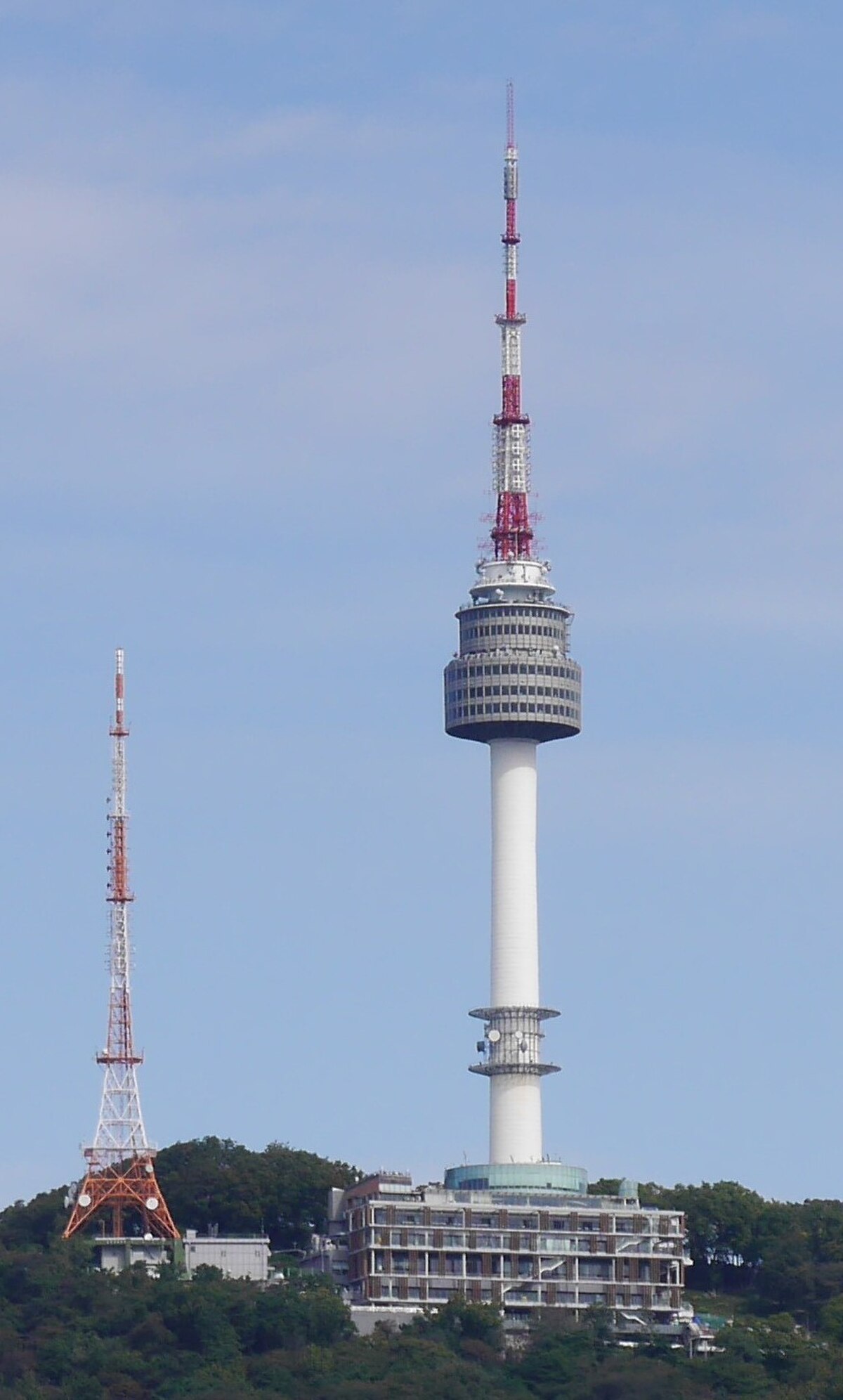
N Seoul Tower: Seoul's Most Iconic Landmark
Perched atop Namsan mountain, N Seoul Tower offers breathtaking 360-degree views of the city and has become a beloved symbol of Seoul's modern romance.
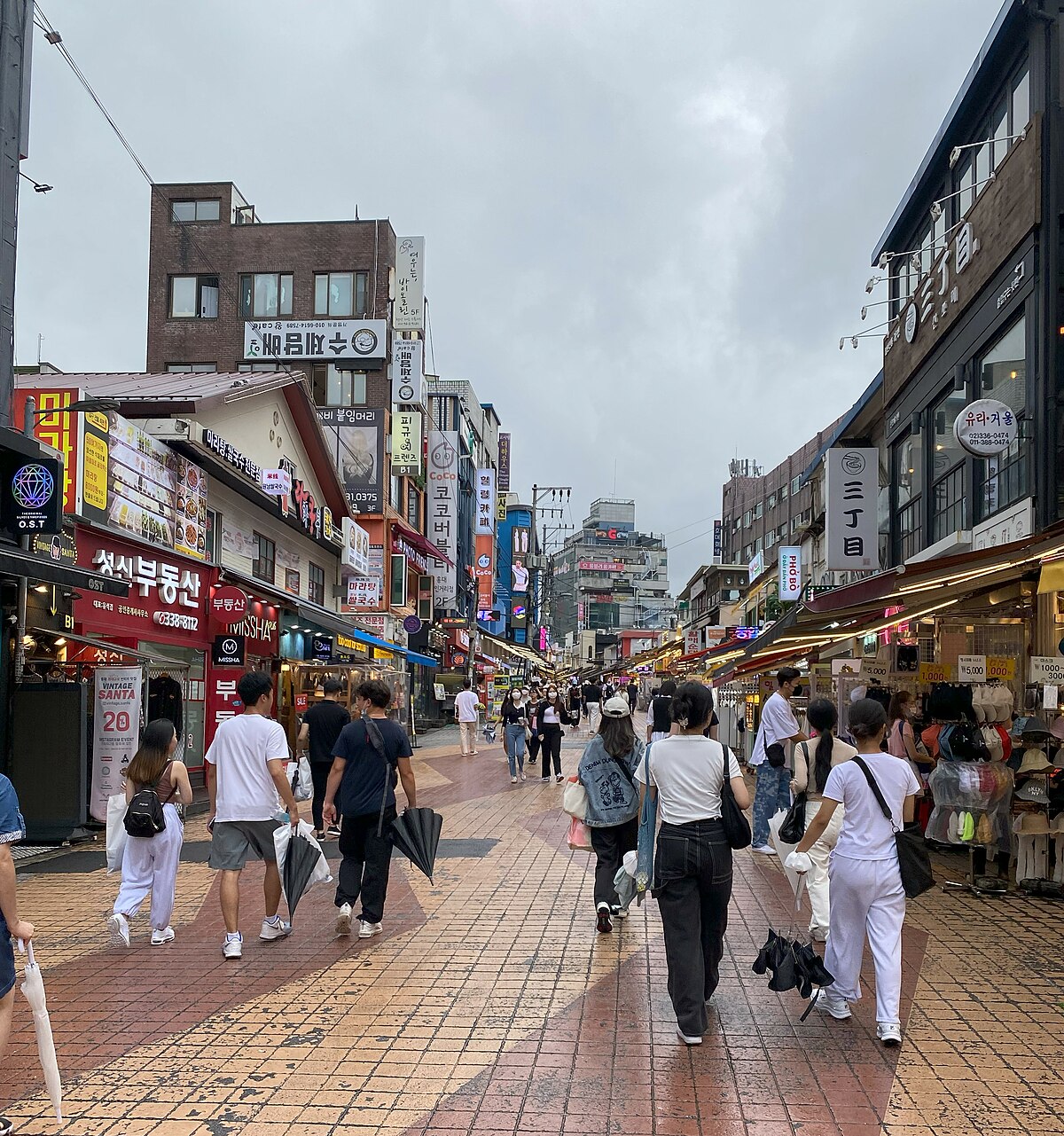
Hongdae: Seoul's Creative Youth Capital
Seoul's most vibrant arts and nightlife district, Hongdae pulses with indie music, street performances, quirky cafés, and the creative energy of Korea's top arts university.
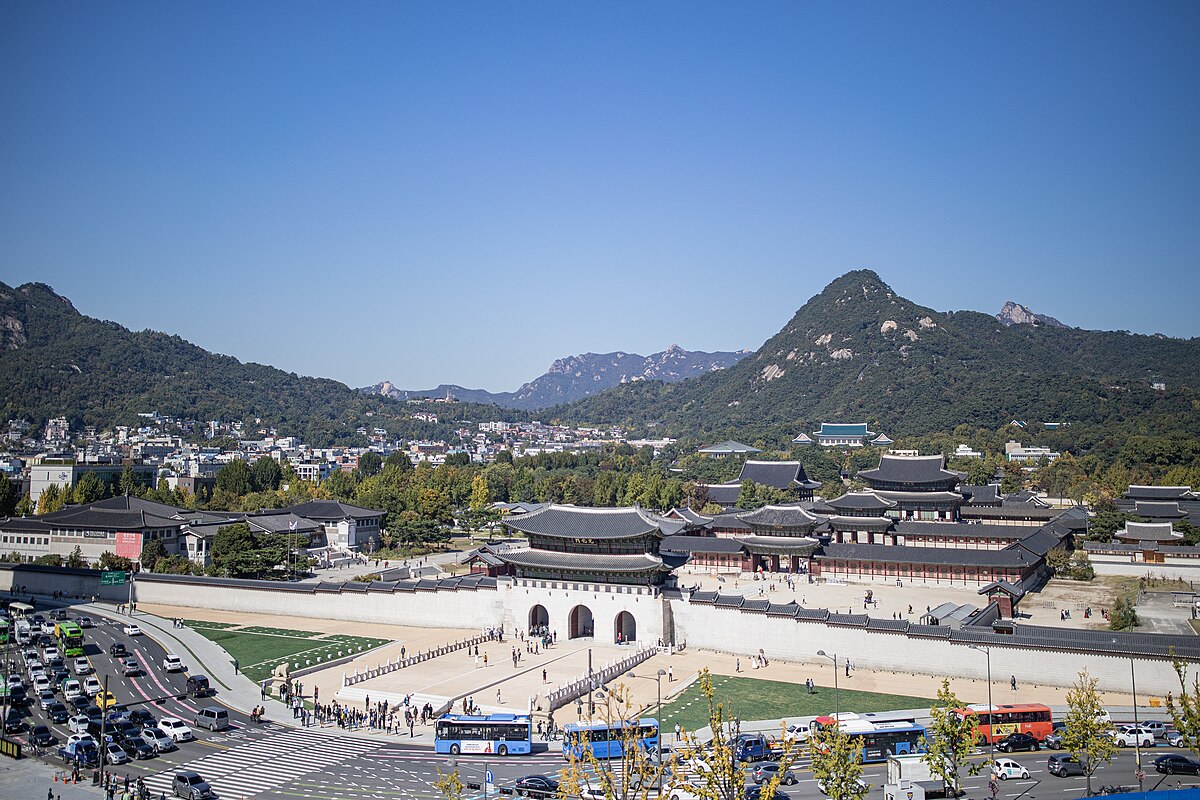
Gyeongbokgung: Seoul's Grand Joseon Palace
The largest and most magnificent of Seoul's Five Grand Palaces, Gyeongbokgung served as the heart of the Joseon Dynasty for over 500 years.