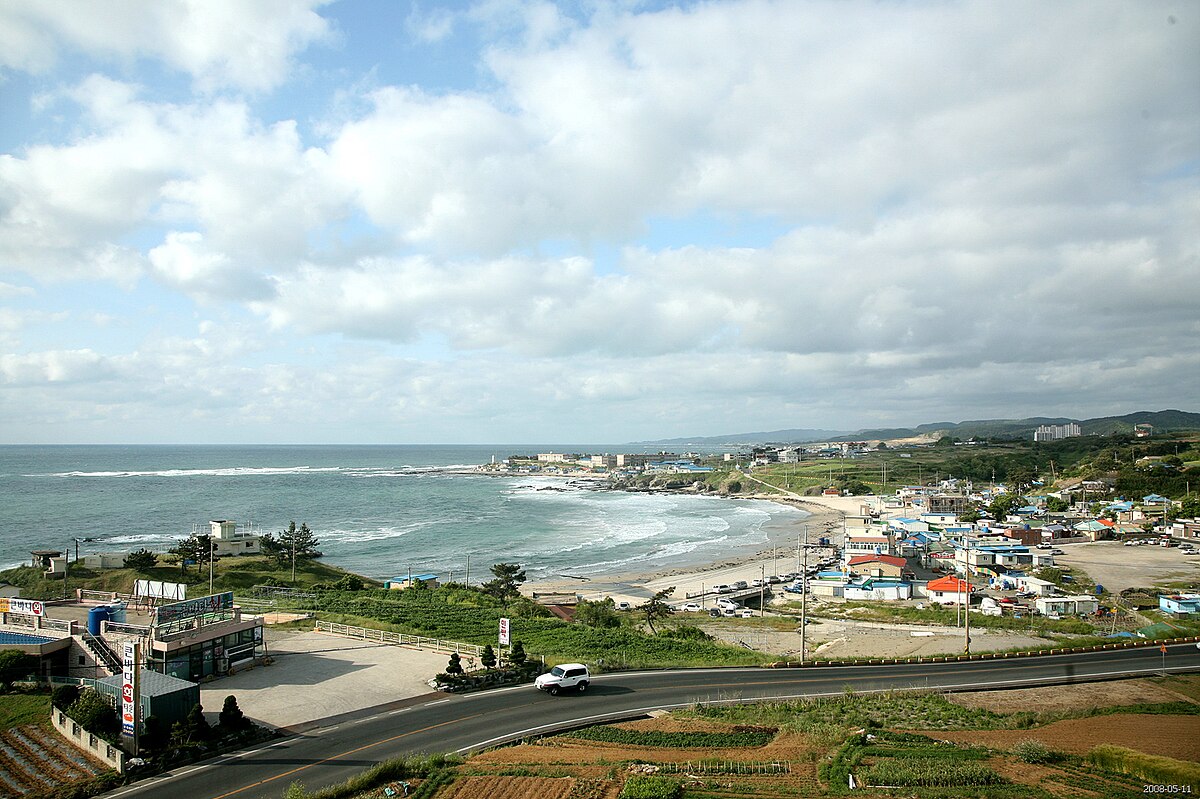
Guryongpo Japanese Village: A Preserved Colonial Streetscape
Guryongpo's Japanese colonial-era street in Pohang is one of Korea's best-preserved examples of early twentieth-century Japanese merchant architecture, offering a layered walk through a complicated historical period when Japanese fishermen dominated this East Sea port.
Photo: Wikipedia Commons
What Is Guryongpo Japanese Village?
Guryongpo Japanese Village (구룡포 일본인 가옥거리) is a 200-metre preserved street of early twentieth-century wooden buildings in the fishing port of Guryongpo, south of Pohang. The buildings follow the traditional Japanese merchant house (machiya) style: narrow two-storey wooden structures with latticed facades and interior courtyards. The street was home to Japanese fishing families and merchants who settled in Guryongpo after Japanese colonisation of Korea intensified in the 1910s, and it remained largely intact after their departure at liberation in 1945.
History & Significance
Guryongpo developed as a significant fishing port during the Japanese colonial period (1910–1945) when Japanese fishermen were encouraged to settle on Korea's coasts to exploit the rich East Sea fishing grounds. At its peak, the Japanese population of Guryongpo numbered several hundred families, and the street they built became the commercial heart of the port. After liberation the Japanese residents repatriated to Japan and Korean fishing families moved into the vacant buildings. The street survived subsequent development largely intact, and a restoration project completed in the 2010s cleaned the facades and added interpretive signage, turning it into a heritage walking trail.
What to See & Do
Walking the street takes around 45 minutes and passes restored merchant houses, a small colonial-era school building, and a traditional Japanese garden. Several buildings have been converted into cafes, craft shops, and a historical exhibition hall documenting the colonial period with photographs and artefacts. The adjacent Guryongpo harbour is still an active fishing port and its morning fish auction is accessible to visitors from around 5 AM.
Visitor Tips
The street is most atmospheric in early morning before tour groups arrive. Maps with English and Korean descriptions are available from the small visitor centre at the street entrance. Guryongpo is 30 kilometres south of central Pohang and is served by local buses from Pohang Bus Terminal.
Tips
- 💡Combine with the Guryongpo morning fish auction for an early start and fresh seafood breakfast.
- 💡Several cafes in restored colonial buildings serve pour-over coffee — a popular photo backdrop.
- 💡The interpretive hall inside the street provides essential historical context before you walk.
Last updated: April 1, 2026
You might also like
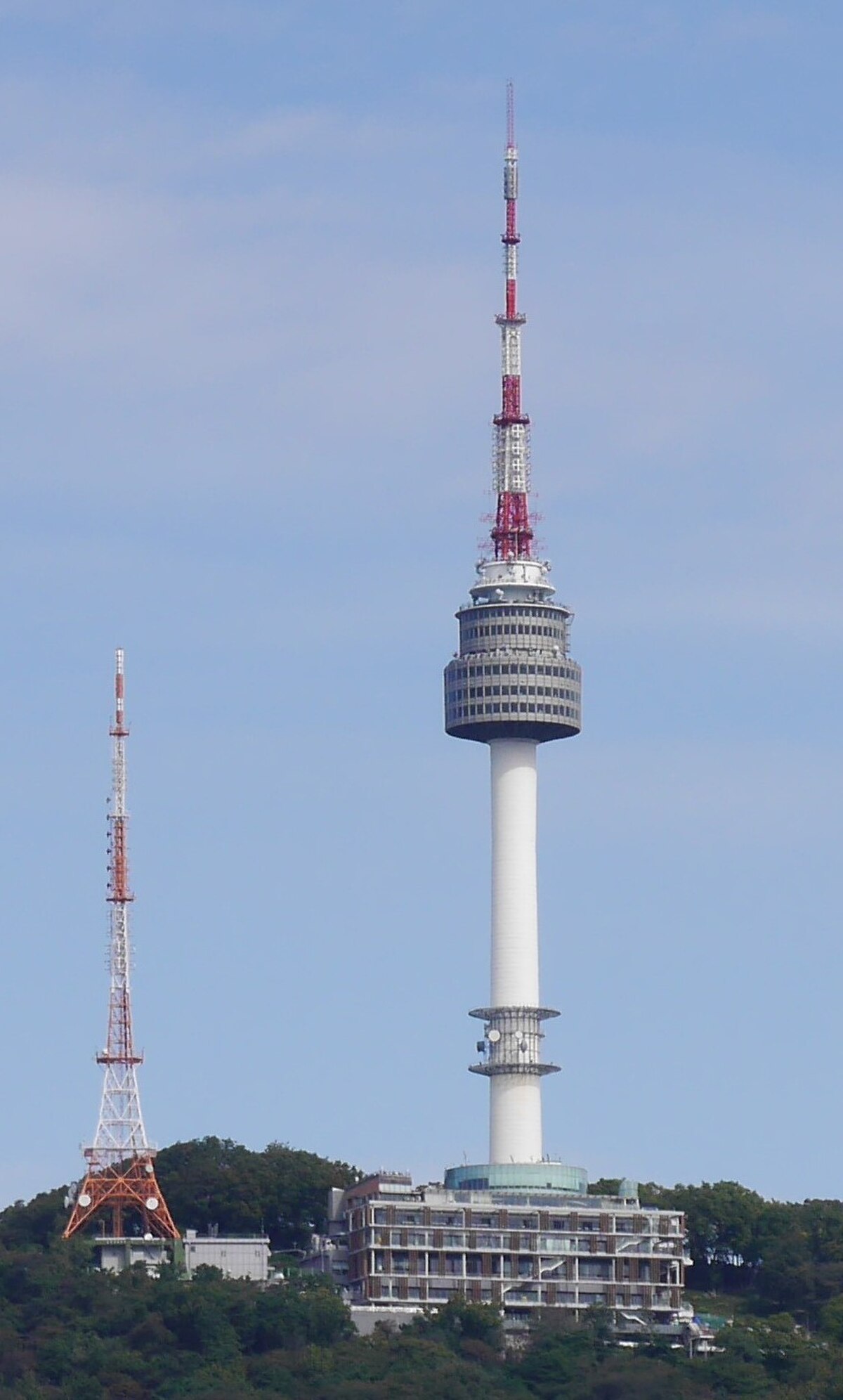
N Seoul Tower: Seoul's Most Iconic Landmark
Perched atop Namsan mountain, N Seoul Tower offers breathtaking 360-degree views of the city and has become a beloved symbol of Seoul's modern romance.
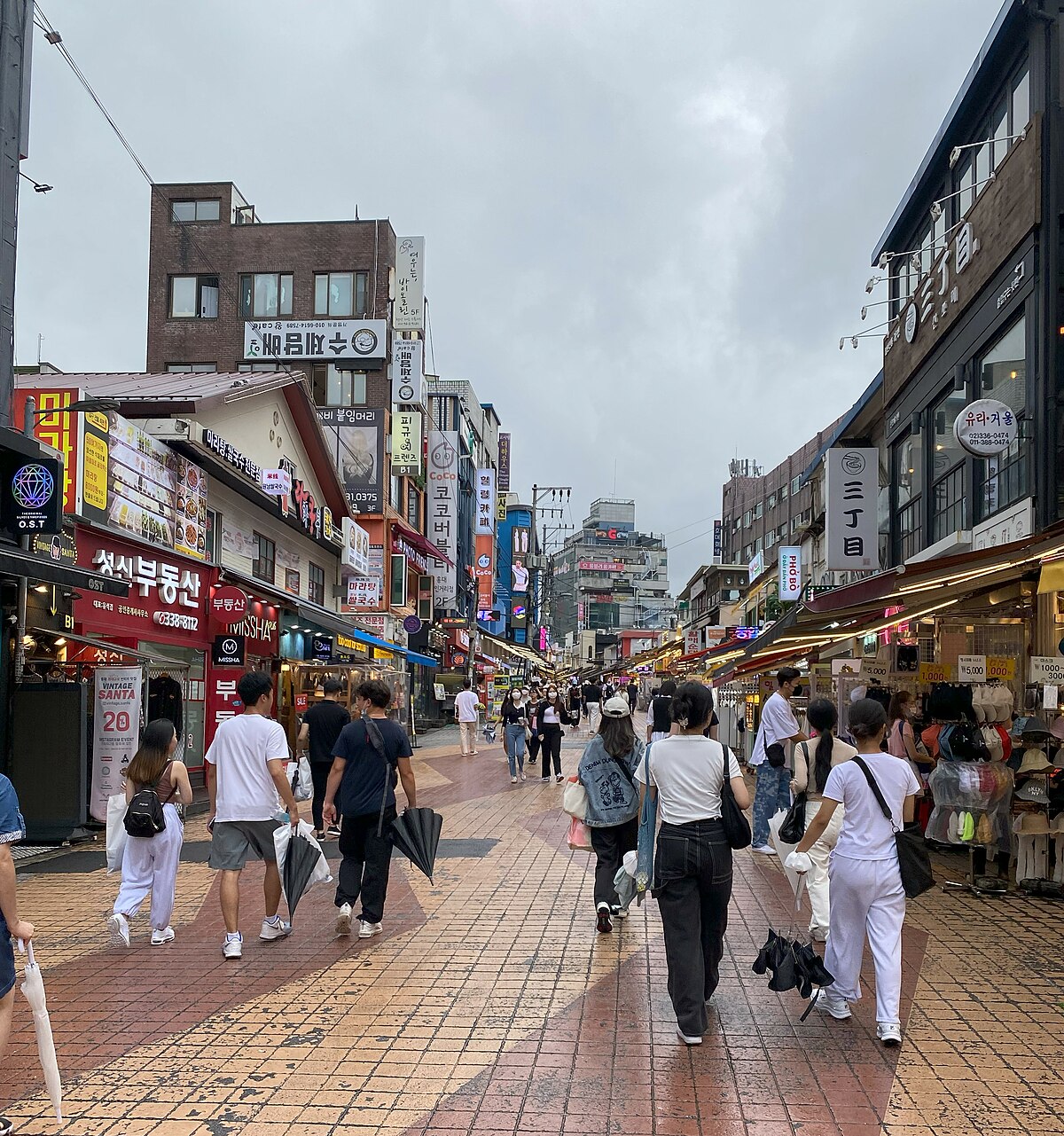
Hongdae: Seoul's Creative Youth Capital
Seoul's most vibrant arts and nightlife district, Hongdae pulses with indie music, street performances, quirky cafés, and the creative energy of Korea's top arts university.
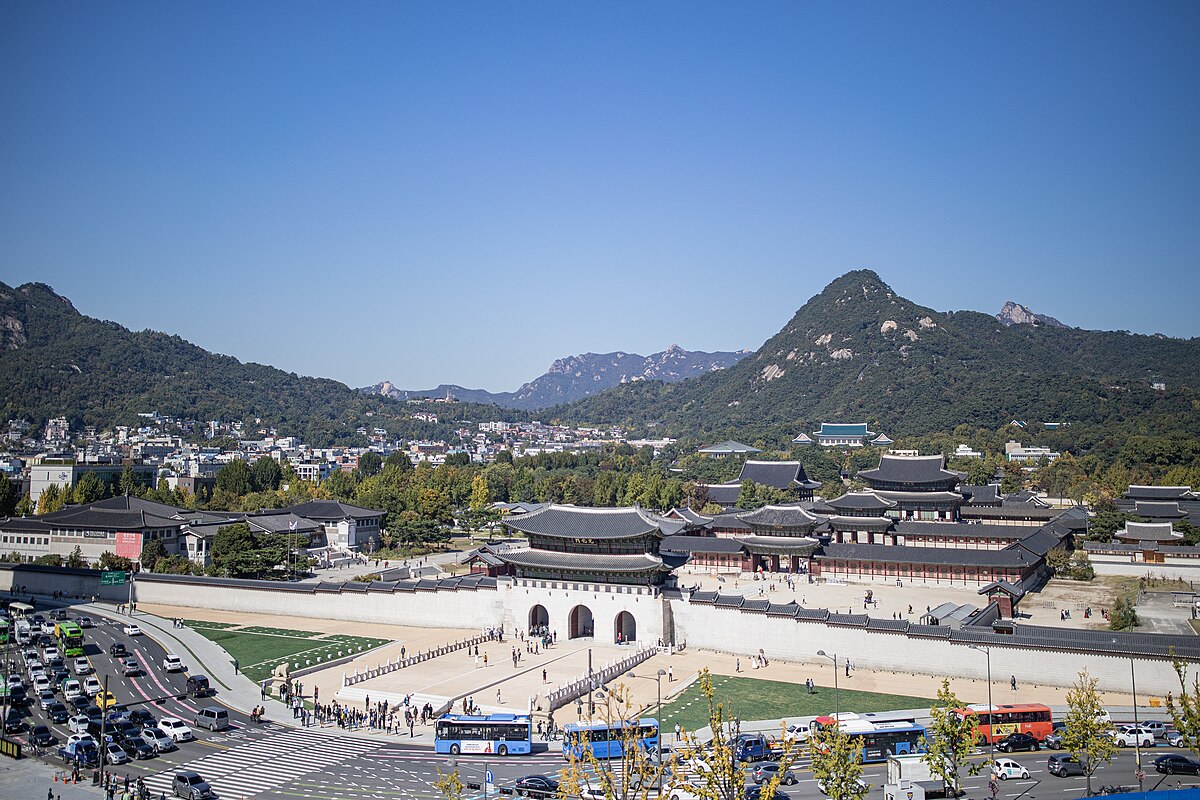
Gyeongbokgung: Seoul's Grand Joseon Palace
The largest and most magnificent of Seoul's Five Grand Palaces, Gyeongbokgung served as the heart of the Joseon Dynasty for over 500 years.