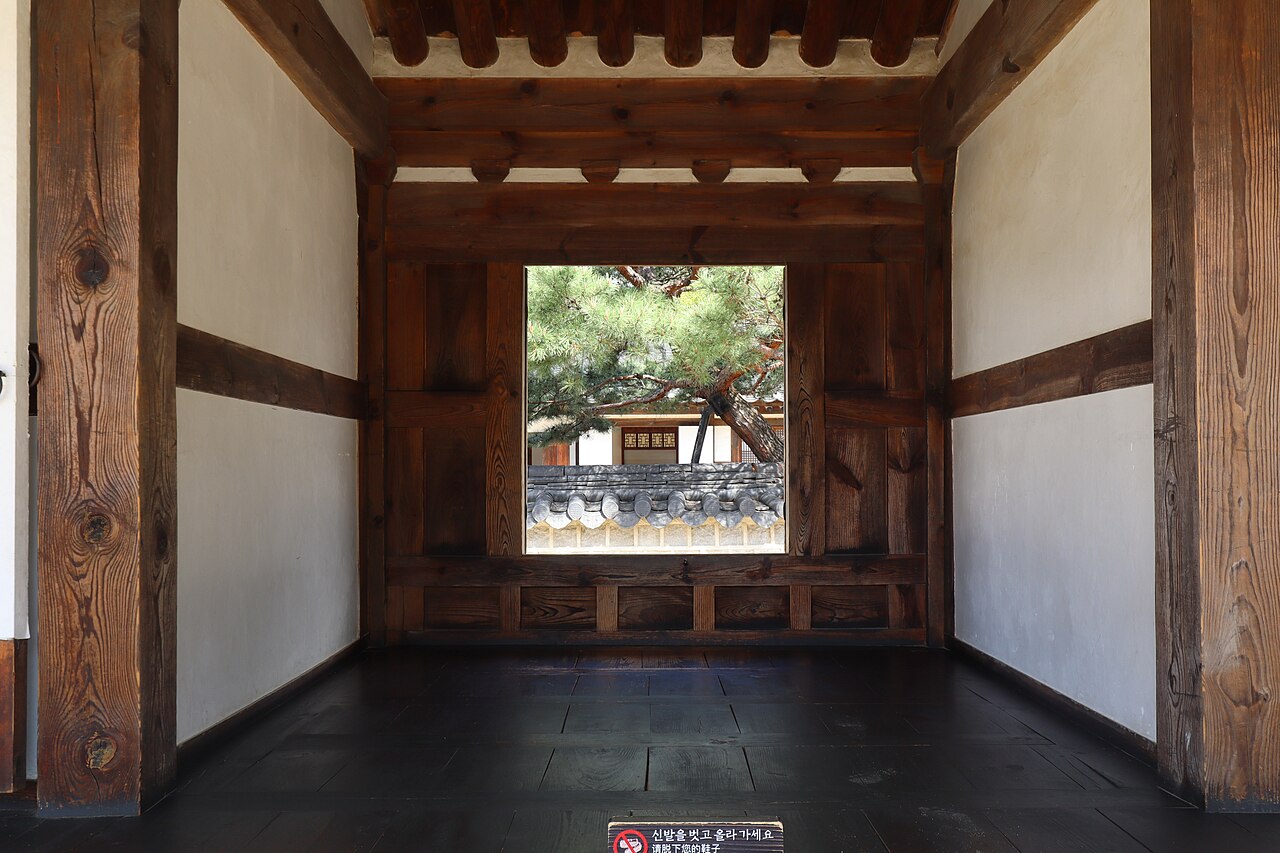
Gyeonggijeon Shrine: Jeonju's Royal Portrait Hall
Built in 1410 to enshrine the portrait of King Taejo, founder of the Joseon Dynasty, Gyeonggijeon is one of the most significant royal shrines in Korea — and home to a secret bamboo forest few visitors find.
Photo: Wikipedia Commons
What Is Gyeonggijeon?
Gyeonggijeon (경기전) is a royal shrine complex located within Jeonju Hanok Village, established in 1410 during the reign of King Taejong, the third ruler of the Joseon Dynasty. Its primary purpose was to house and venerate the official portrait (어진, eohjin) of King Taejo, the dynasty's founder and a native of the Jeonju area. The complex is arranged according to Confucian ritual principles, with a series of gates, courtyards, and ceremonial halls leading to the main shrine building. The portrait of King Taejo on display today is the only surviving original royal portrait from the Joseon Dynasty — all others were lost to fire or war.
History & Significance
Gyeonggijeon was originally built to honour the Jeonju Yi clan, the royal family of Joseon, who traced their ancestral roots to this city. The shrine was burned by Japanese forces during the Imjin War (1592–1598) and subsequently rebuilt in 1614. It was one of several royal portrait shrines across Korea, but Gyeonggijeon gained special prominence because it safeguarded the last surviving royal portrait through repeated conflicts, including the Japanese colonial period. In 1991, the original portrait was painstakingly restored over several years by master craftsmen using traditional pigments and materials. The shrine complex was designated a Historic Site of Korea (사적) and remains an active site of ancestral rites.
What to See & Do
The main shrine hall houses the restored portrait of King Taejo, visible through the ceremonial hall entrance during visiting hours. The grounds also contain a Joseon Dynasty history museum (조선왕조실록 전시관) that displays replicas of the Annals of the Joseon Dynasty — the comprehensive historical record kept by royal scholars for 472 years. Behind the main compound, a bamboo grove (대나무숲) is reached via a short path and is almost entirely overlooked by visitors who stay near the entrance. The dense bamboo, filtering light in shafts and producing a hollow clacking in the wind, creates one of the most meditative spaces in the entire Hanok Village.
Visitor Tips
Entrance to Gyeonggijeon costs ₩3,000 (adults). Opening hours are typically 9am–6pm in summer and 9am–5pm in winter. Plan to spend 45–90 minutes exploring the full compound. Head directly to the bamboo forest at the rear first, before the day-trip crowds arrive — it is at its most peaceful before 10am. The shrine is located in the heart of Jeonju Hanok Village, making it easy to combine with a full village walk, street food tasting, and the Nambu Market. Wearing rented hanbok (available throughout the village for ₩10,000–15,000) grants free entry to Gyeonggijeon, as at most Jeonju heritage sites.
Tips
- 💡The bamboo grove behind the main compound is 5 minutes from the entrance and almost always empty.
- 💡Wearing rented hanbok grants free entry to Gyeonggijeon.
- 💡The Joseon Annals museum inside the compound is often missed but offers fascinating historical context.
Last updated: April 1, 2026
You might also like
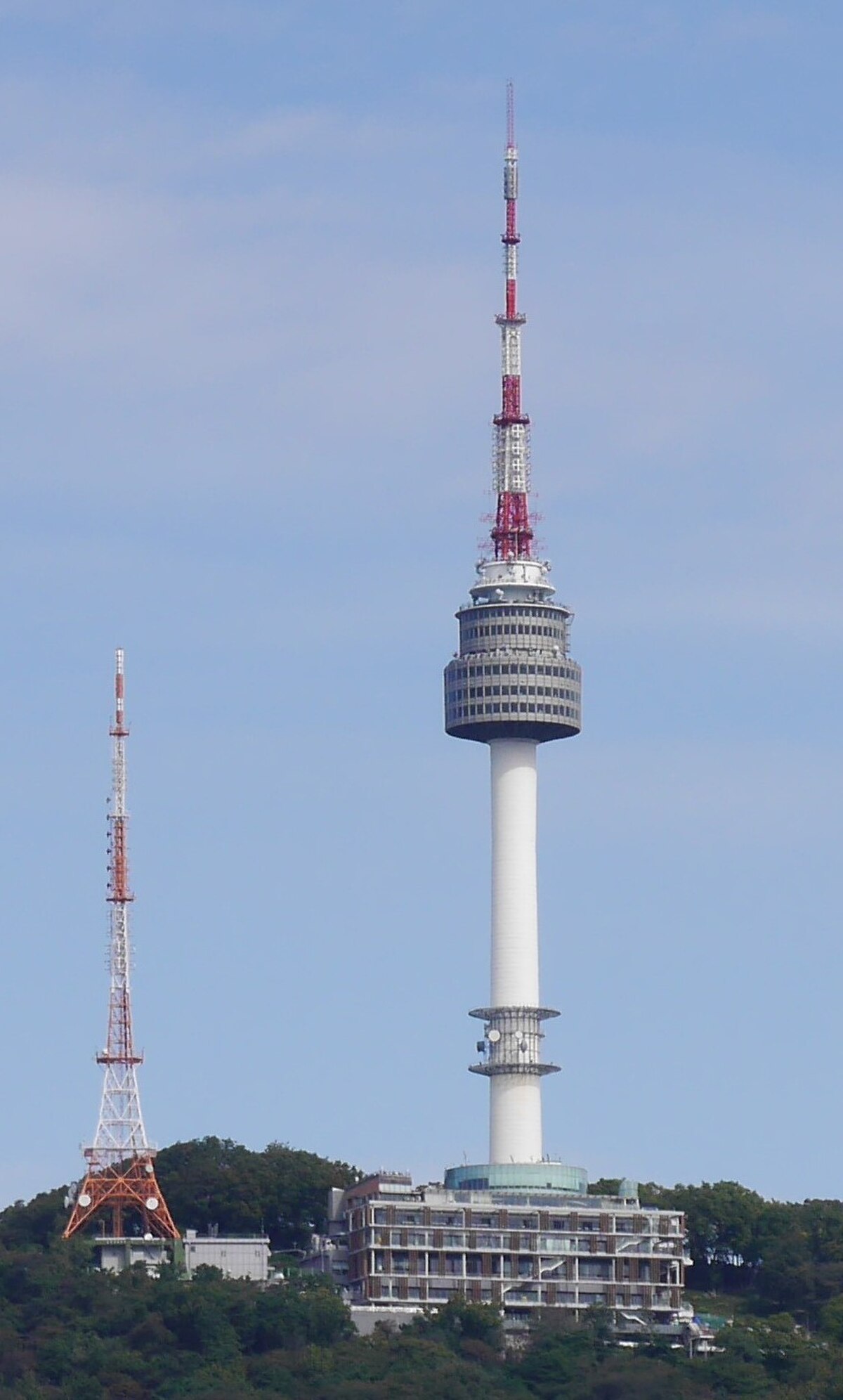
N Seoul Tower: Seoul's Most Iconic Landmark
Perched atop Namsan mountain, N Seoul Tower offers breathtaking 360-degree views of the city and has become a beloved symbol of Seoul's modern romance.
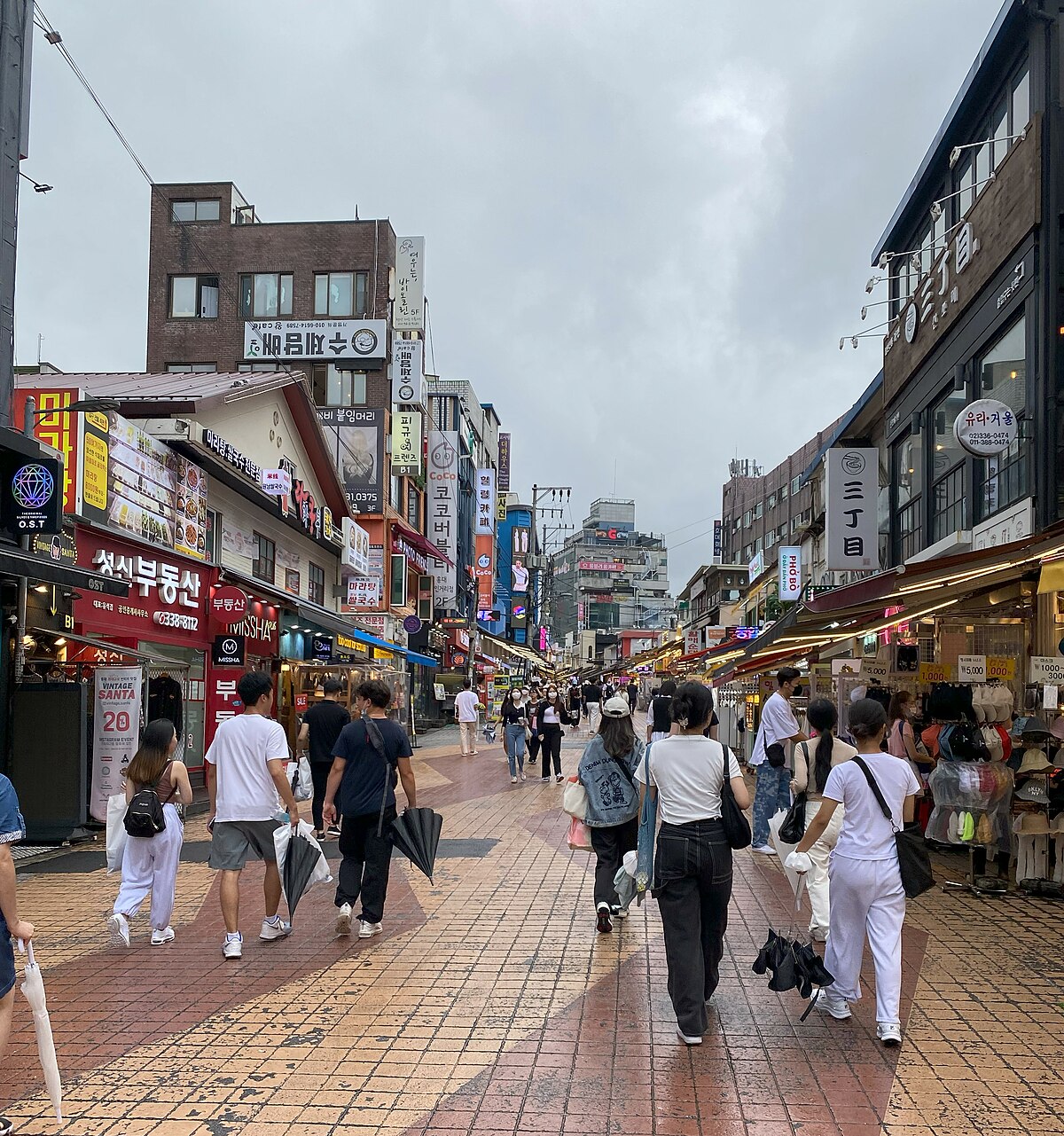
Hongdae: Seoul's Creative Youth Capital
Seoul's most vibrant arts and nightlife district, Hongdae pulses with indie music, street performances, quirky cafés, and the creative energy of Korea's top arts university.
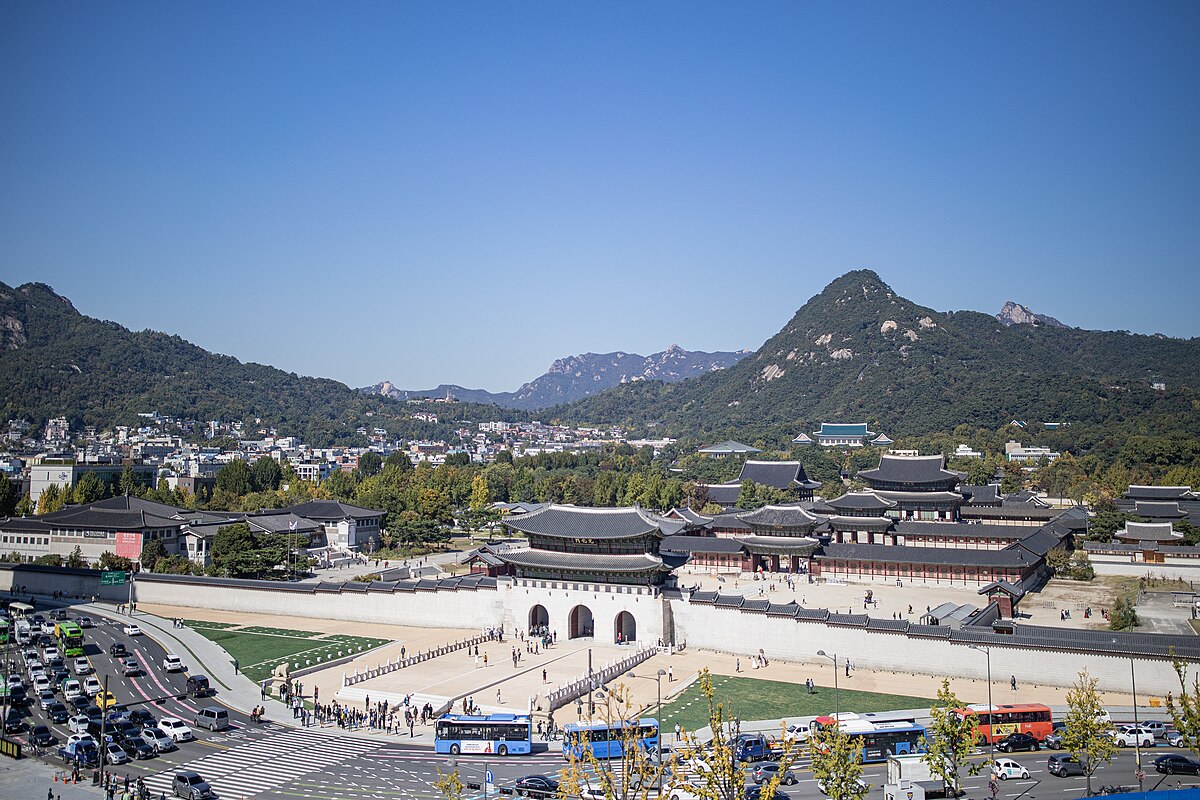
Gyeongbokgung: Seoul's Grand Joseon Palace
The largest and most magnificent of Seoul's Five Grand Palaces, Gyeongbokgung served as the heart of the Joseon Dynasty for over 500 years.