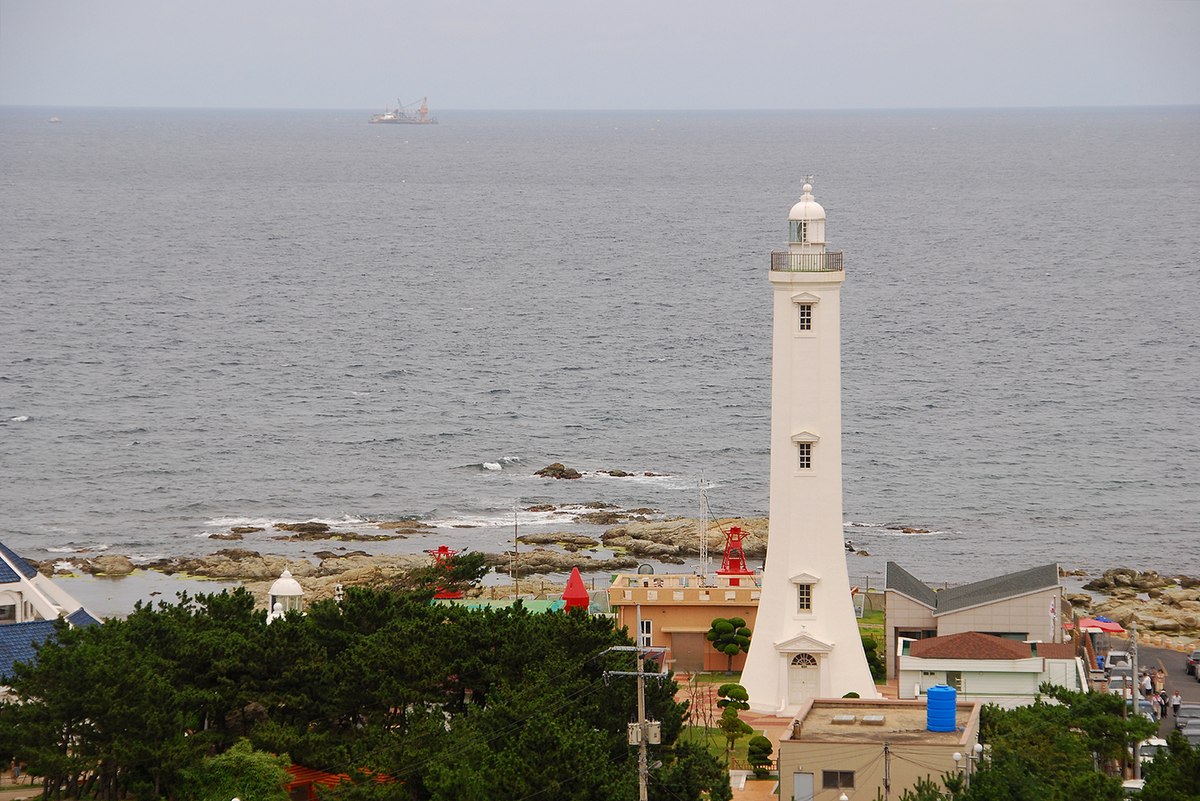
Homigot Sunrise: The Giant Hand on Korea's East Coast
Homigot in Pohang is famous for its dramatic New Year's sunrise over the East Sea and the iconic Sangsengeui Son (Hands of Harmony) sculpture — two giant bronze hands emerging from the sea — symbolising the hope and new beginnings of a fresh year.
Photo: Wikipedia Commons
What Is Homigot?
Homigot (호미곶) is the tip of the Guryongpo Peninsula in Pohang, North Gyeongsang Province, forming the easternmost point of the Korean peninsula's tiger-shaped outline — traditionally described as the tiger's tail. The site is best known for the Sangsengeui Son (상생의 손, Hands of Harmony) sculpture: a pair of enormous bronze hands, one on land and one rising from the sea, which together symbolise harmony between people and nature. The installation was created in 2000 to mark the new millennium and has since become one of the most photographed coastal sculptures in Korea.
History & Significance
Homigot has been a navigational landmark since the Joseon era, when it was recorded in royal geographical surveys as a treacherous but important headland. The current lighthouse, built in 1908 during the Japanese occupation, is one of Korea's oldest functioning lighthouses and is now a protected heritage structure. The cape gained national fame when it was chosen as the venue for the Millennium Sunrise Festival on 1 January 2000, and the Hands of Harmony sculpture was installed to commemorate the occasion. The festival has continued annually and now rivals Ganjeolgot as Korea's premier sunrise destination.
What to See & Do
Beyond the sunrise and the hand sculpture, the Homigot Lighthouse Museum documents the history of Korean lighthouses and maritime navigation. The coastal trail around the cape offers panoramic East Sea views and is lined with seasonal wildflowers in spring. The Homigot Sunrise Festival on New Year's Day includes fireworks, traditional performances, and a market selling local Pohang specialities including fresh crab and oysters.
Visitor Tips
The land hand and the sea hand are best photographed together from the beach at low tide, when you can walk out close to the sea sculpture. Sunrise occurs between 7:20 and 7:32 AM depending on the season. The site is 40 kilometres east of central Pohang, accessible by intercity bus from Pohang Bus Terminal.
Tips
- 💡Arrive 30 minutes before sunrise for the best position facing the sea hand sculpture.
- 💡Visit the lighthouse museum to understand the history of the cape before exploring the coast.
- 💡Fresh raw oysters sold at the beachside market are a local speciality — try them with soy sauce and wasabi.
Last updated: April 1, 2026
You might also like
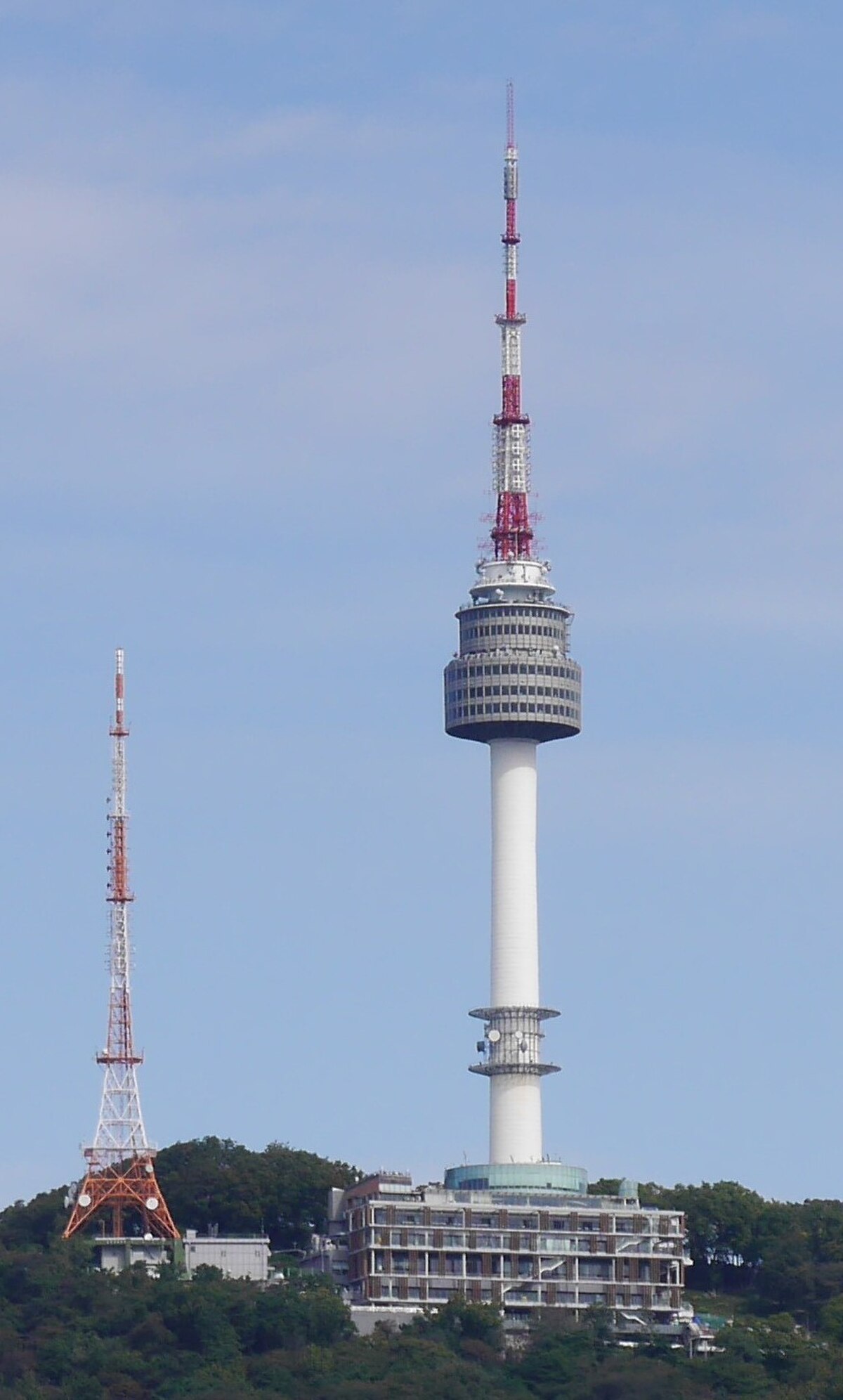
N Seoul Tower: Seoul's Most Iconic Landmark
Perched atop Namsan mountain, N Seoul Tower offers breathtaking 360-degree views of the city and has become a beloved symbol of Seoul's modern romance.
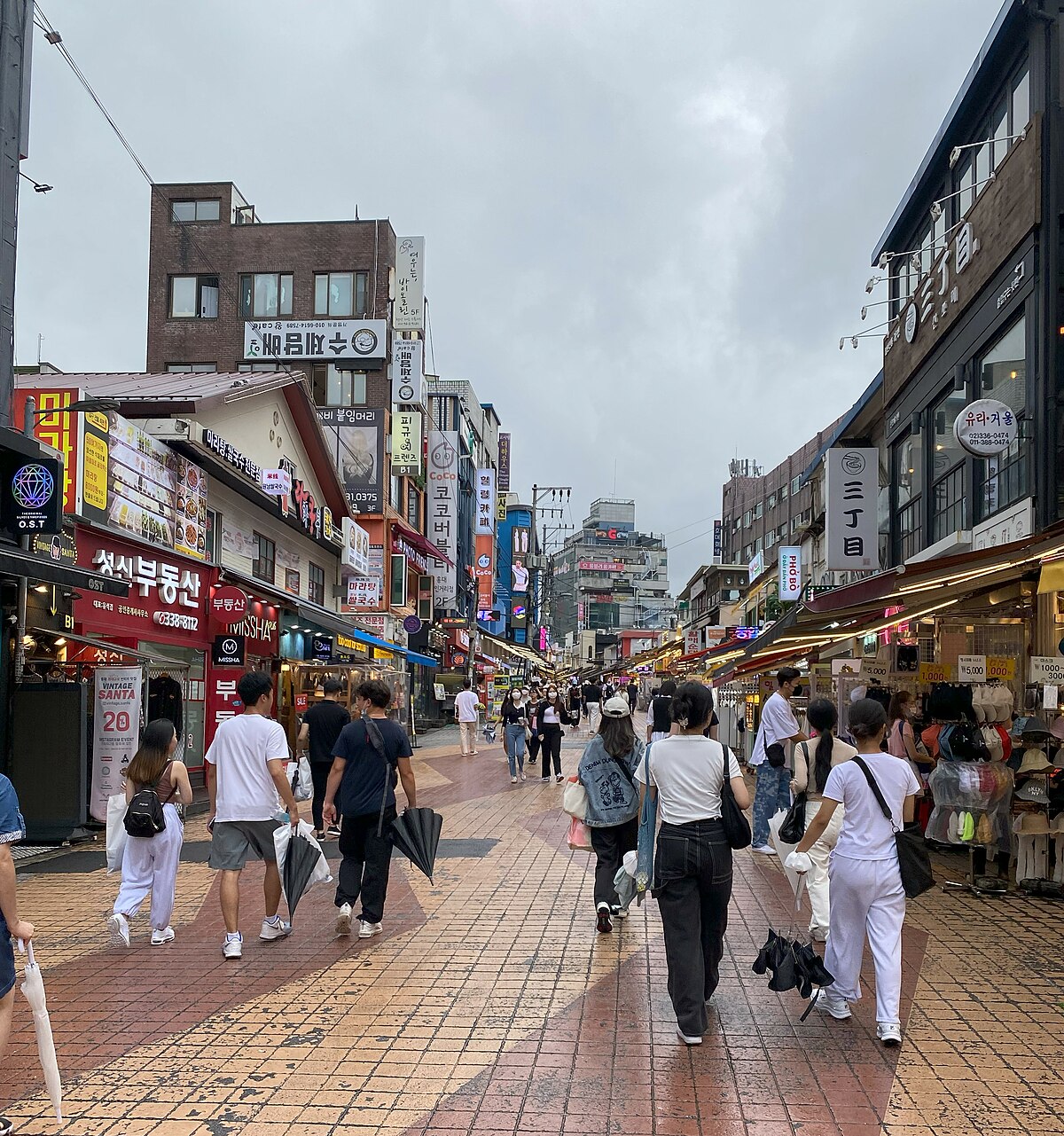
Hongdae: Seoul's Creative Youth Capital
Seoul's most vibrant arts and nightlife district, Hongdae pulses with indie music, street performances, quirky cafés, and the creative energy of Korea's top arts university.
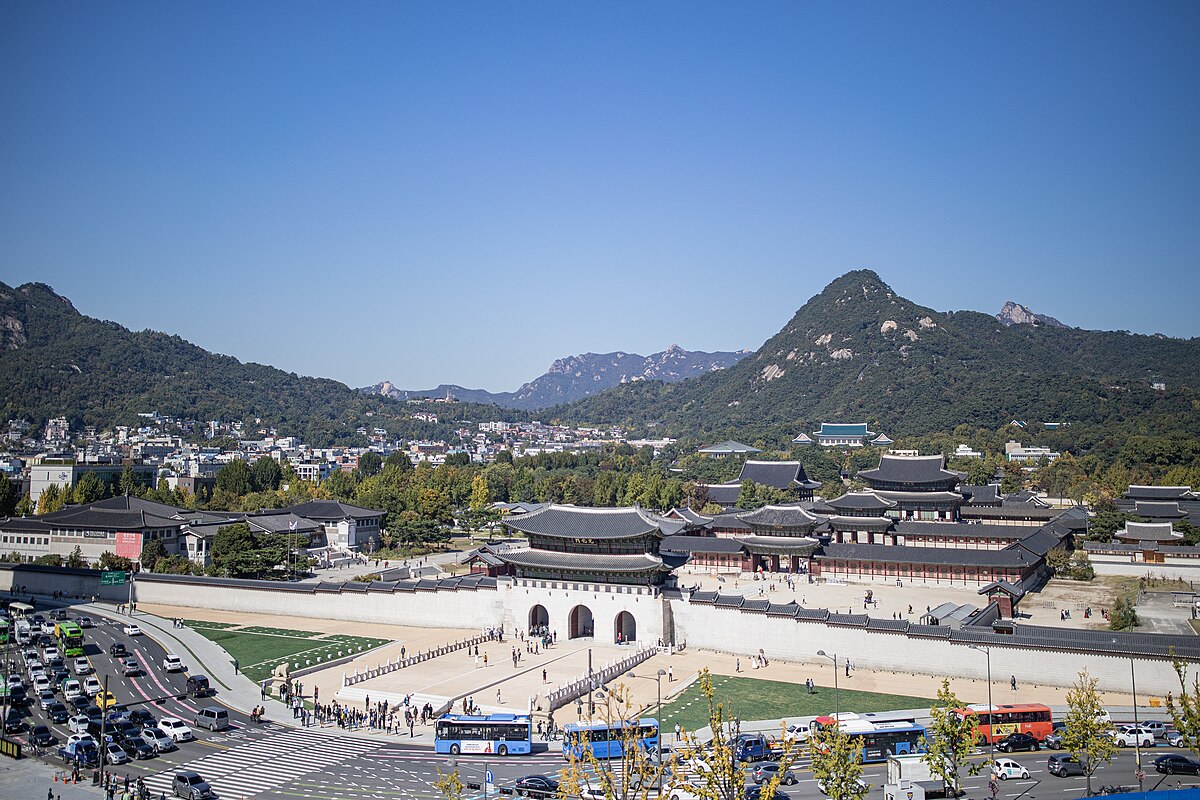
Gyeongbokgung: Seoul's Grand Joseon Palace
The largest and most magnificent of Seoul's Five Grand Palaces, Gyeongbokgung served as the heart of the Joseon Dynasty for over 500 years.