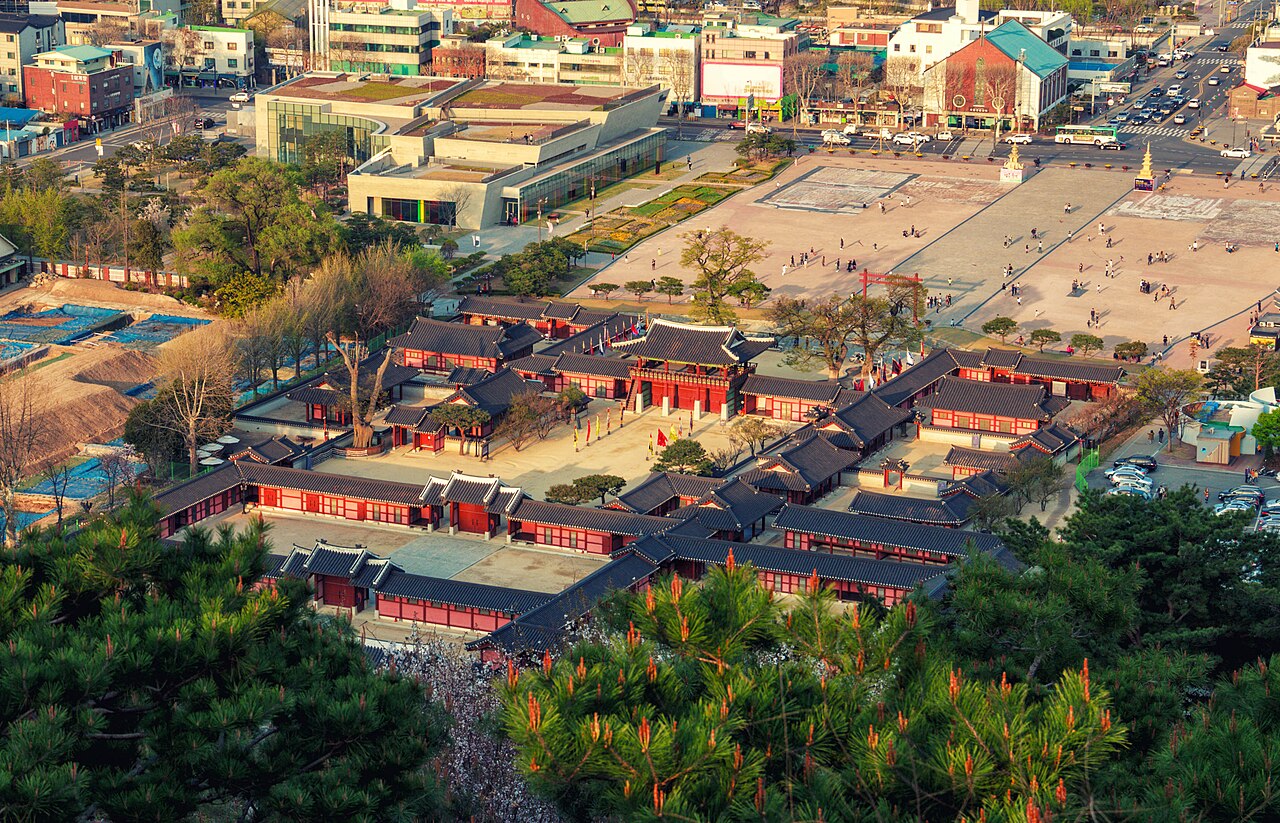
Hwaseong Haenggung: The Largest Temporary Palace in Joseon
The largest detached royal palace ever built in Joseon Korea, Hwaseong Haenggung served as King Jeongjo's base during his annual pilgrimages to Suwon. Its 576 rooms and ceremonial grounds are now fully restored.
Photo: Wikipedia Commons
What Is Hwaseong Haenggung?
Hwaseong Haenggung (화성행궁) is a detached royal palace located within Hwaseong Fortress in Suwon, South Korea. Built in 1789, it served as a temporary royal residence (행궁, haenggung) for King Jeongjo during his annual visits to the tomb of his father, Prince Sado, who was famously executed by his own father (Jeongjo's grandfather, King Yeongjo) by being sealed in a rice chest. The complex comprises 576 rooms spread across 48 buildings, making it the largest haenggung constructed during the entire Joseon Dynasty. It also functioned as an administrative centre for Suwon and was used during the king's training exercises with his new military corps.
History & Significance
Hwaseong Haenggung was integral to King Jeongjo's vision for Suwon as the capital of a new era of enlightened governance. In 1795, Jeongjo staged a spectacular royal visit to Suwon coinciding with his mother's 60th birthday — a procession recorded in the 8-volume illustrated document Wonhaeng Eulmyo Jeongri Uigwe (원행을묘정리의궤), which survives today and was used as the blueprint for the palace's restoration. The palace was severely damaged during the Japanese colonial period and Korean War and was reduced to a single building by the 1980s. A major restoration project beginning in 1989 rebuilt the complex to its original configuration based on the surviving historical documents.
What to See & Do
The palace grounds are expansive and take about 90 minutes to explore thoroughly. The main hall (봉수당, Bongsudang) is where King Jeongjo held the 60th birthday banquet for his mother — the occasion is reenacted in costume during spring and autumn festivals. The changing of the guards ceremony takes place daily at the palace entrance (check current schedules at the gate). The adjacent Suwon Museum of History is built into the hillside and contains exhibits about the construction of Hwaseong Fortress and the palace. From the palace grounds, the western section of Hwaseong Fortress wall is accessible directly, allowing a seamless transition between the two sites.
Visitor Tips
Entry to Hwaseong Haenggung costs ₩1,500 for adults (combined tickets with Hwaseong Fortress available at a discount). Opening hours are 9am–6pm daily. The changing of the guards ceremony happens twice daily; times vary seasonally — check the posted schedule. The spring and autumn Hwaseong Cultural Festival (화성문화제) brings large-scale costume reenactments of the 1795 royal procession, which is among the most elaborate traditional performance events in Korea. The palace and fortress are 10–15 minutes on foot from Suwon Station; a tourist train (화성어차, Hwaseong Eоcha) also runs circuits around the fortress walls.
Tips
- 💡The changing of the guards ceremony happens daily — check the posted schedule at the gate.
- 💡Spring and autumn Hwaseong Cultural Festival features elaborate reenactments of the 1795 royal procession.
- 💡Combined tickets for the palace and Hwaseong Fortress offer better value than purchasing separately.
Last updated: April 1, 2026
You might also like
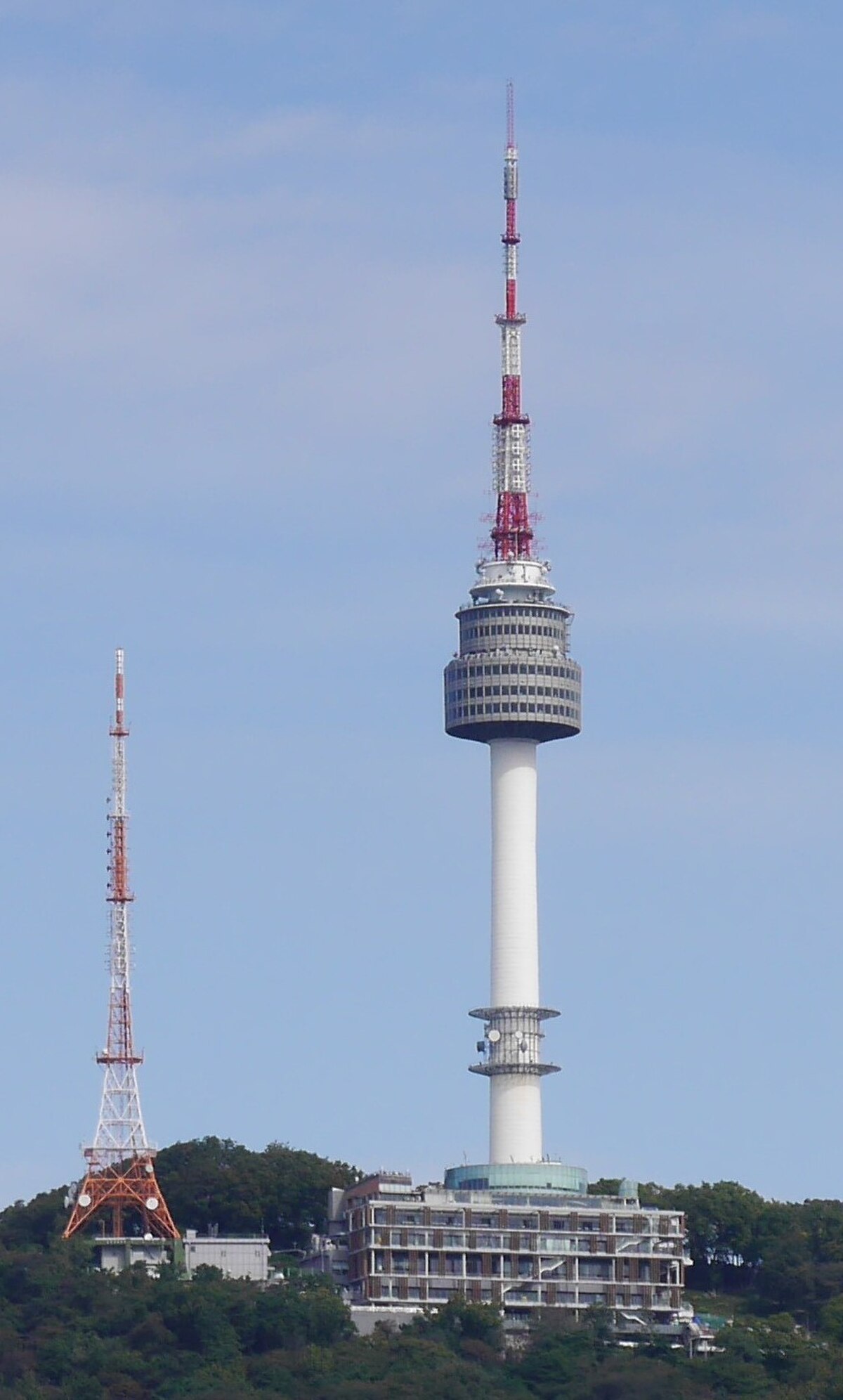
N Seoul Tower: Seoul's Most Iconic Landmark
Perched atop Namsan mountain, N Seoul Tower offers breathtaking 360-degree views of the city and has become a beloved symbol of Seoul's modern romance.
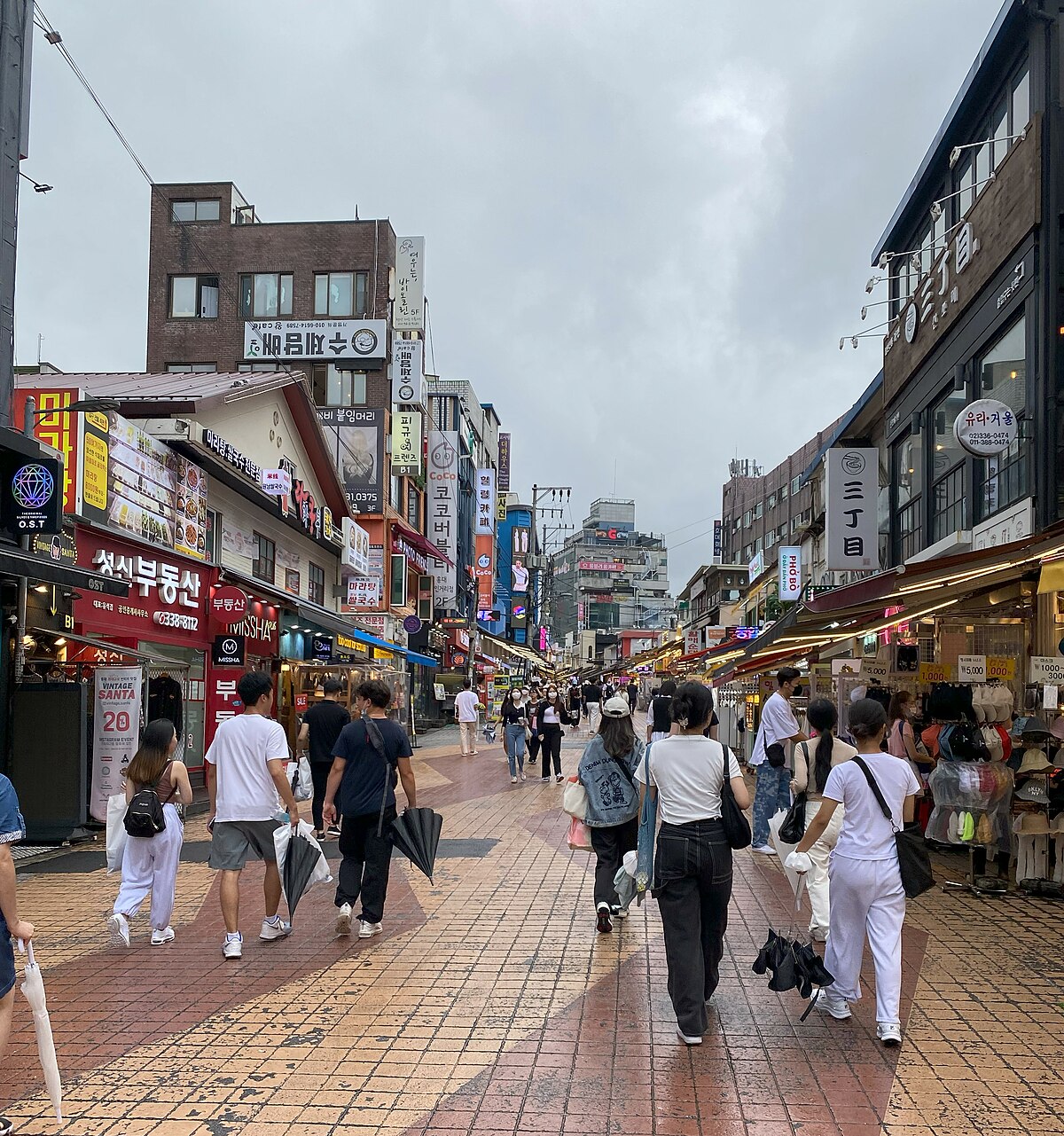
Hongdae: Seoul's Creative Youth Capital
Seoul's most vibrant arts and nightlife district, Hongdae pulses with indie music, street performances, quirky cafés, and the creative energy of Korea's top arts university.
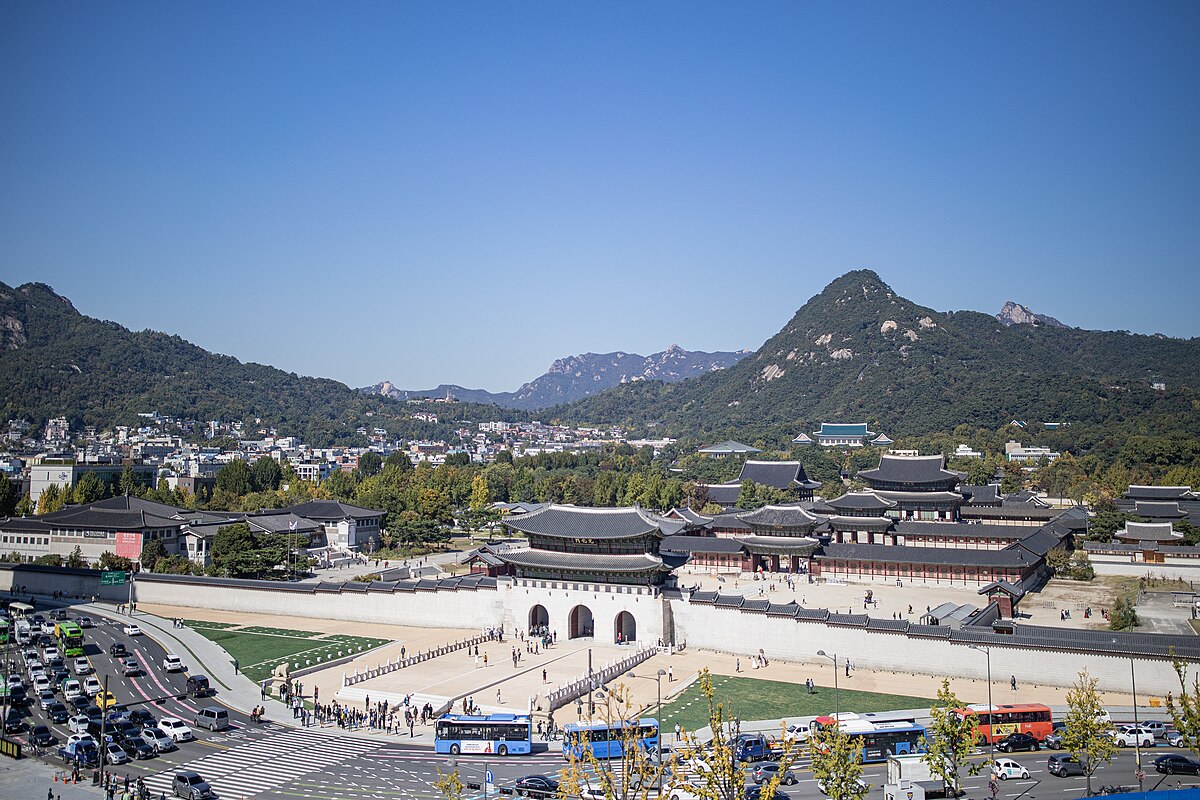
Gyeongbokgung: Seoul's Grand Joseon Palace
The largest and most magnificent of Seoul's Five Grand Palaces, Gyeongbokgung served as the heart of the Joseon Dynasty for over 500 years.