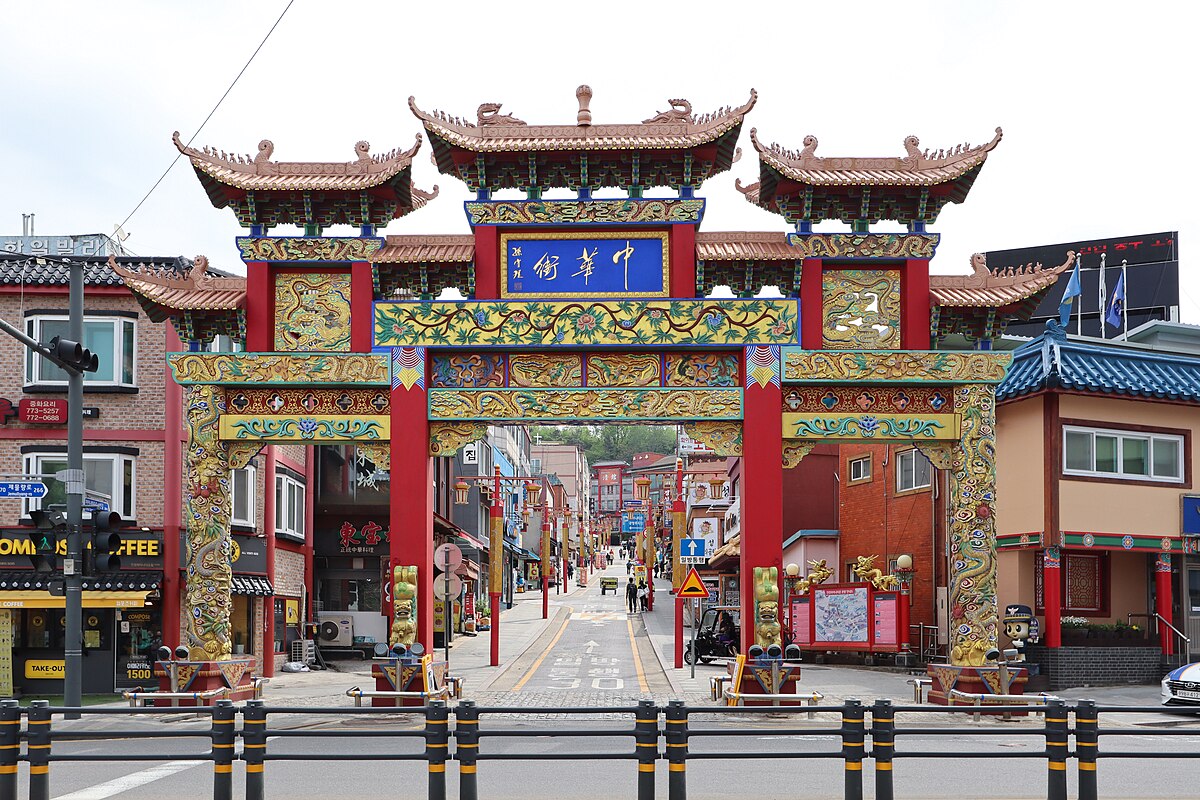
Incheon Chinatown: Korea's Original Chinese Quarter
Established in 1884, Incheon Chinatown is the only surviving Chinese settlement in Korea and the birthplace of jjajangmyeon. Its red gates, lantern-lit alleys, and century-old buildings preserve a unique slice of Sino-Korean history.
Photo: Wikipedia Commons
What Is Incheon Chinatown?
Incheon Chinatown (인천 차이나타운) is located in Jung-gu district, a 10-minute walk from Incheon Station. It was established in 1884 when China leased the area as a commercial settlement following the opening of Incheon Port. The district covers several blocks of streets lined with red gates (패루), paper lanterns, Chinese-style tile-roofed buildings, and restaurants. Unlike Chinatowns in many other countries, Incheon's version reflects the culture of the Shandong (산동) Chinese community specifically — most early immigrants came from that region and their culinary and architectural traditions shaped the neighbourhood's distinct character.
History & Significance
The Incheon Chinese community established a settlement here in the 1880s following the Korea-China trade agreement, making it one of the oldest surviving ethnic enclaves in Korea. The district's most significant culinary contribution to Korea is jjajangmyeon (짜장면) — black bean paste noodles created in 1905 at the Gonghwachun restaurant (공화춘), which still operates today. The dish has become so nationally beloved that April 14th is celebrated as 'Jjajang Day' (짜장면의 날) across Korea. The neighbourhood survived Japanese colonial rule, the Korean War, and rapid post-war development largely intact, and was designated a Cultural District in the early 2000s.
What to See & Do
Walking through the ornamental gates and along the main Chinatown street, the dense concentration of Chinese-Korean fusion restaurants provides a gauntlet of excellent food. Beyond jjajangmyeon, the district is known for jjamppong (spicy seafood noodles), tangsuyuk (sweet and sour pork), and gonggal ppang (hollow crispy pastry sold at street stalls). Directly adjacent is the Japanese Colonial District (개항장), where 1920s-era colonial buildings create a jarring architectural contrast with the Chinese architecture next door. The Incheon Open Port History Museum and Jjajangmyeon Museum provide historical context. Walking the full route from the Chinese gates to the Japanese district to the port area takes about 2 hours.
Visitor Tips
Incheon Chinatown is best visited on an empty stomach — eat jjajangmyeon at Gonghwachun (the original) or any of the established restaurants before exploring further. Lunchtime queues at the most famous restaurants can run 30–45 minutes on weekends; weekday visits are significantly calmer. From Seoul, take Subway Line 1 directly to Incheon Station (about 70 minutes) — Chinatown is immediately in front of the station exit. The Incheon Open Port area (개항장) is best explored on foot, and the entire cultural route including Chinatown, Japanese Colonial District, and the waterfront can be done in a half-day. Evening lighting turns the lantern-hung gates into a genuinely beautiful scene.
Tips
- 💡Walk straight through to the adjacent Japanese Colonial District — the architectural contrast is fascinating.
- 💡Eat jjajangmyeon at Gonghwachun, the 1905 original where the dish was invented.
- 💡Evening lantern lighting transforms the gates and alleys — worth staying until dark.
Last updated: April 1, 2026
You might also like
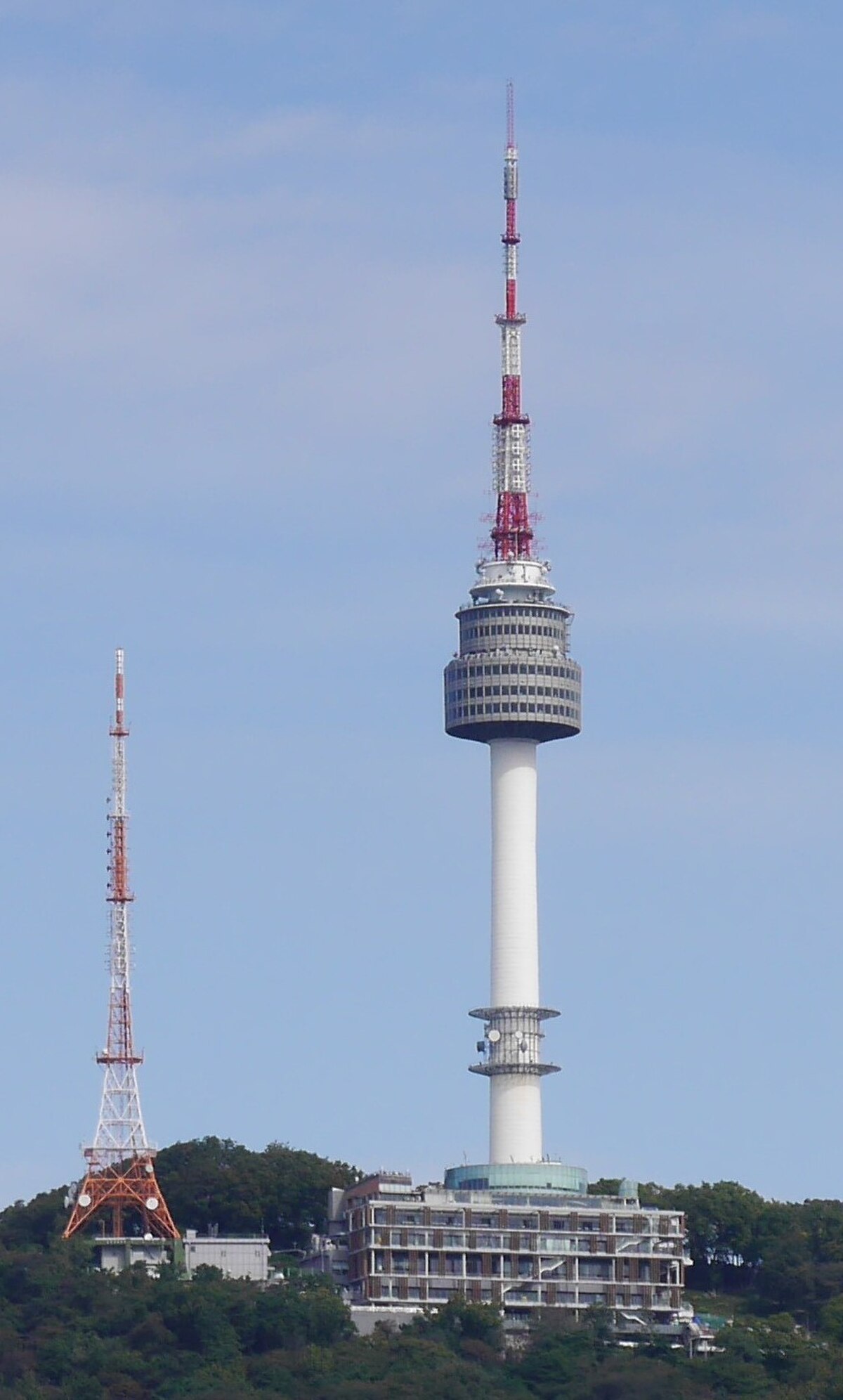
N Seoul Tower: Seoul's Most Iconic Landmark
Perched atop Namsan mountain, N Seoul Tower offers breathtaking 360-degree views of the city and has become a beloved symbol of Seoul's modern romance.
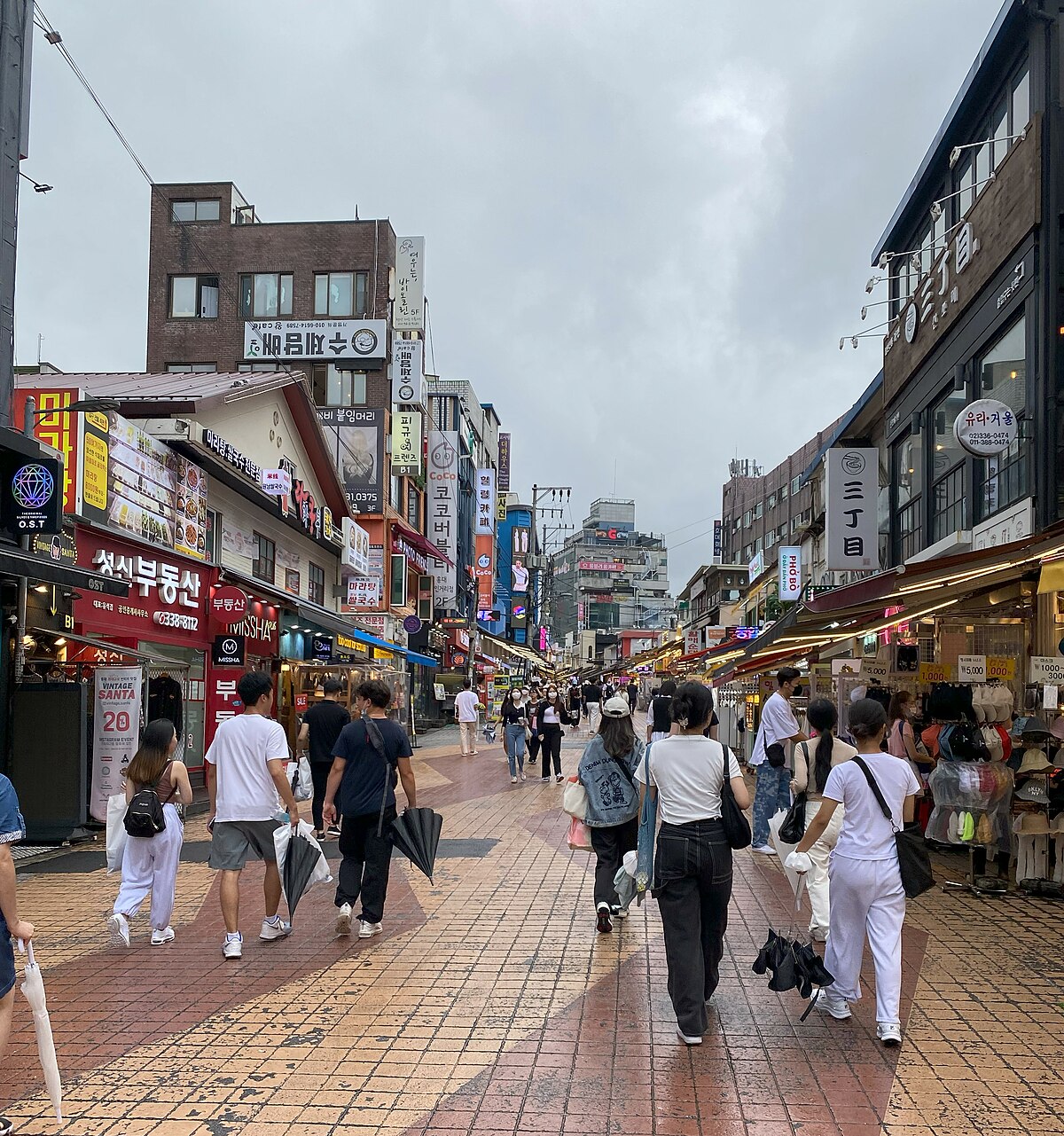
Hongdae: Seoul's Creative Youth Capital
Seoul's most vibrant arts and nightlife district, Hongdae pulses with indie music, street performances, quirky cafés, and the creative energy of Korea's top arts university.
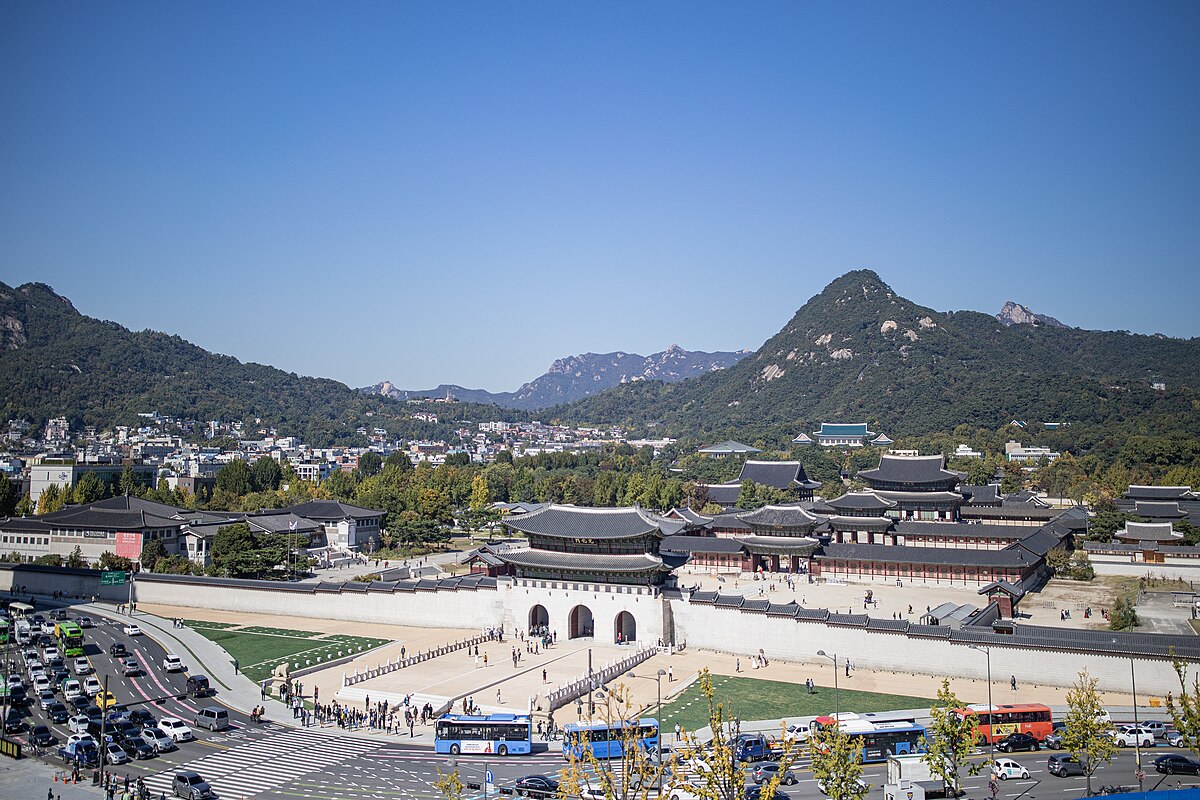
Gyeongbokgung: Seoul's Grand Joseon Palace
The largest and most magnificent of Seoul's Five Grand Palaces, Gyeongbokgung served as the heart of the Joseon Dynasty for over 500 years.