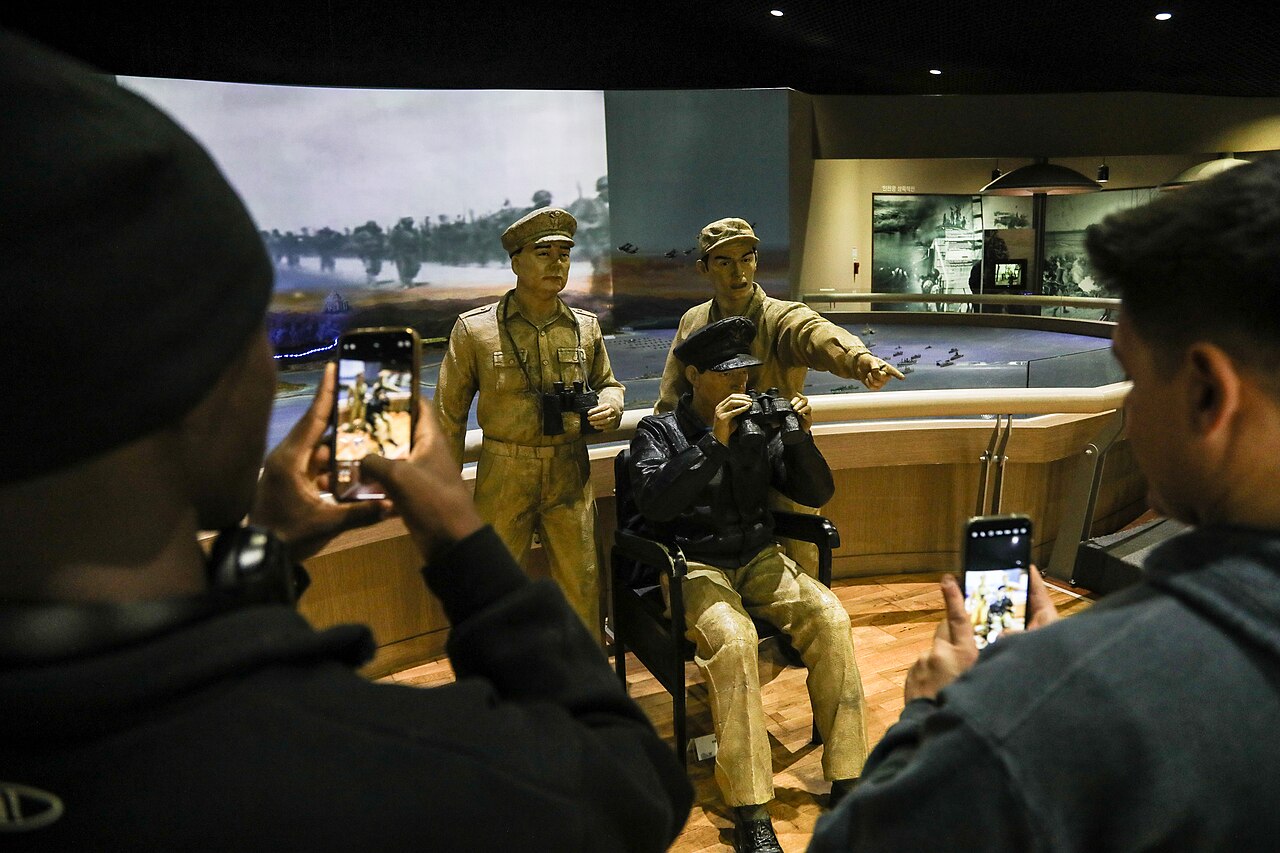
Incheon Landing Operation Memorial Hall: Where the War Turned
The site commemorating MacArthur's 1950 amphibious assault that changed the course of the Korean War. The Memorial Hall houses warships, military artefacts, and historical exhibits about the operation that saved South Korea.
Photo: Wikipedia Commons
What Is the Incheon Landing Operation Memorial Hall?
The Incheon Landing Operation Memorial Hall (인천상륙작전기념관) is a military history museum on the hillside above Incheon Harbour, established to commemorate the amphibious assault of September 15, 1950 — one of the most decisive operations of the Korean War. The complex includes an indoor exhibition hall with weapons, vehicles, uniforms, maps, and documents from the landing, as well as a large outdoor area displaying warships, fighter jets, tanks, and artillery pieces. The memorial stands on elevated ground near the harbour the assault targeted, offering direct views over the waters where the operation took place.
History & Significance
By early September 1950, North Korean forces had driven South Korean and UN troops to a small defensive perimeter around Busan. General Douglas MacArthur proposed a daring amphibious counter-attack at Incheon — a location considered nearly impossible due to its extreme tidal range (up to 9 metres), narrow approach channels, and heavily defended harbour. Despite resistance from military planners, the landing proceeded on September 15. UN forces captured Wolmido Island within hours and the main city within two days. The operation allowed UN forces to cut North Korean supply lines, capture Seoul, and push north rapidly — fundamentally changing the war's trajectory. September 15 is commemorated annually in Incheon.
What to See & Do
The outdoor naval and land equipment display is impressive in scale — an LST (landing ship tank) similar to those used in the actual operation is the centrepiece, along with a destroyer, jet fighters, and a large collection of ground vehicles. The indoor exhibitions use dioramas, photographs, and artefacts to reconstruct the planning and execution of the landing. A section covers the roles of the different nations that participated in the UN coalition. The MacArthur statue and Freedom Park (자유공원) are a 10-minute walk away and provide additional historical context alongside panoramic harbour views. Together, the two sites form a comprehensive Korean War history circuit.
Visitor Tips
Entry to the Memorial Hall is free. It is open Tuesday through Sunday (closed Mondays) from 9am to 6pm. Allow 1–2 hours depending on your interest in the exhibitions. The outdoor displays are particularly good for children and photography enthusiasts. Incheon Station (Line 1) is about 2 kilometres away; taxis from the station take approximately 10 minutes. Pairing with Incheon Chinatown (15 minutes by taxi or 30 minutes on foot) creates a logical and historically rich half-day itinerary. Informational panels are in Korean with some English; English audio guides are available at the entrance.
Tips
- 💡Pair with the MacArthur statue at Freedom Park (10-minute walk) for the full historical context.
- 💡The outdoor warship and aircraft displays are free to explore and excellent for photography.
- 💡September 15 commemorations each year make that date particularly atmospheric to visit.
Last updated: April 1, 2026
You might also like
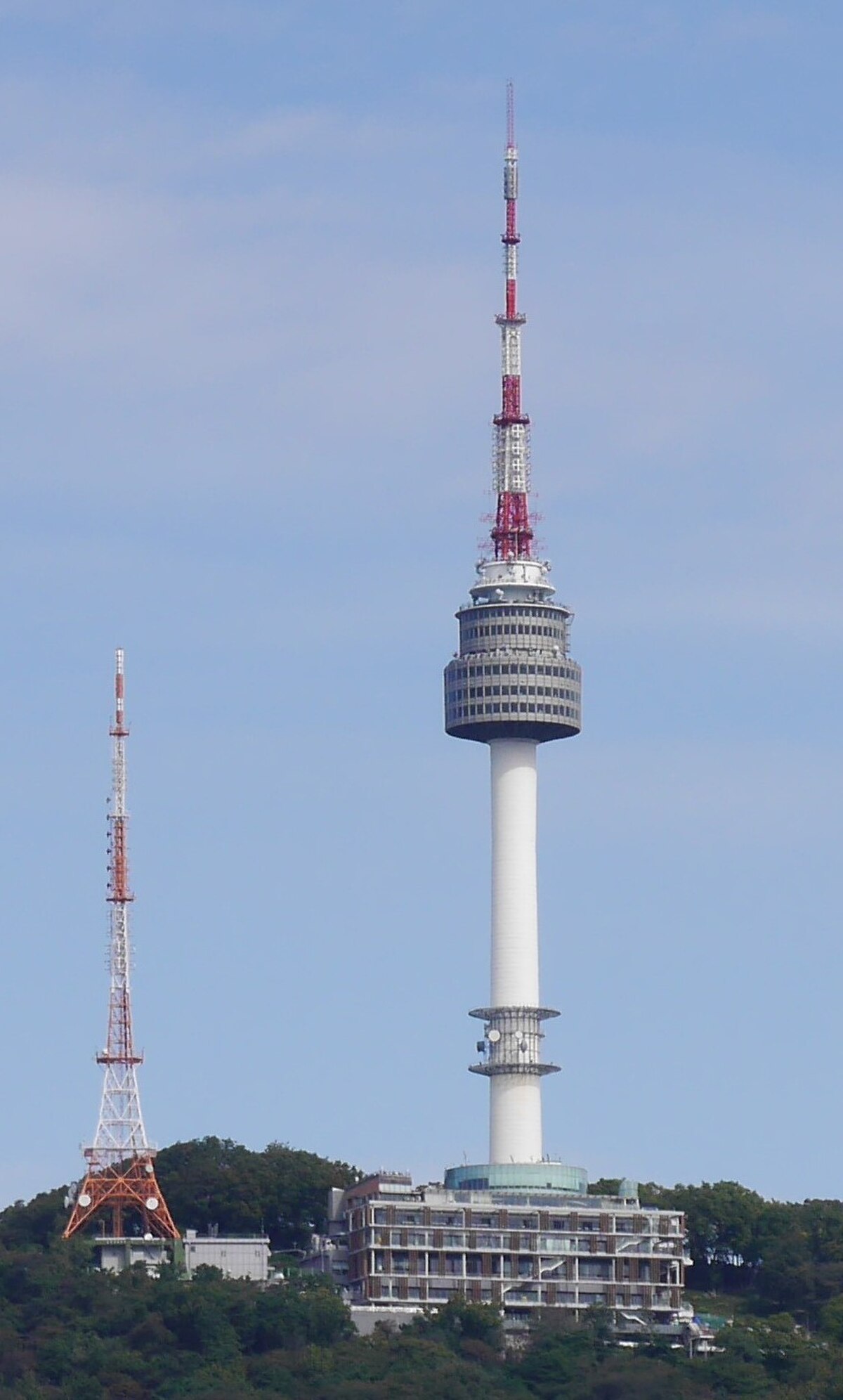
N Seoul Tower: Seoul's Most Iconic Landmark
Perched atop Namsan mountain, N Seoul Tower offers breathtaking 360-degree views of the city and has become a beloved symbol of Seoul's modern romance.
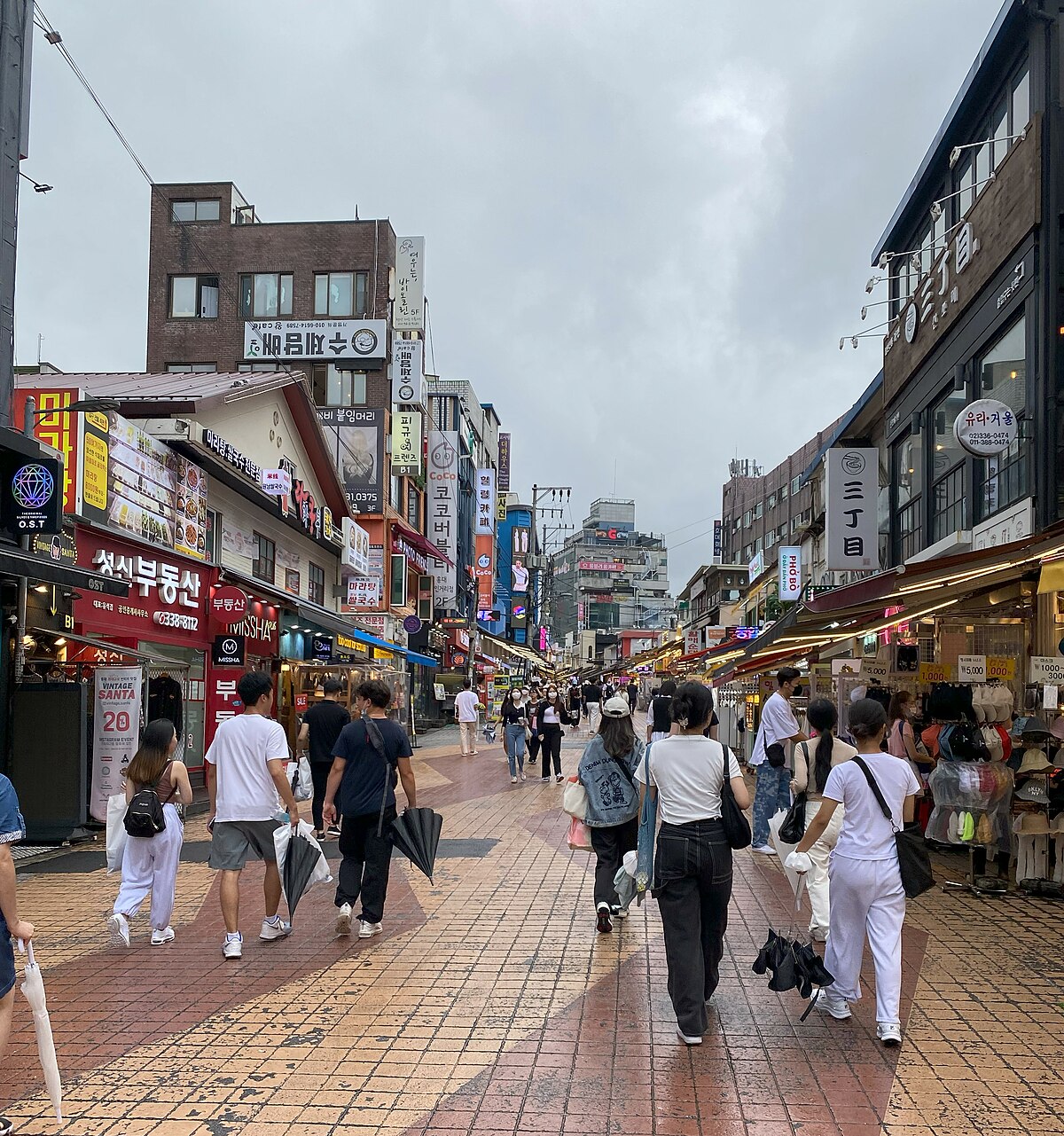
Hongdae: Seoul's Creative Youth Capital
Seoul's most vibrant arts and nightlife district, Hongdae pulses with indie music, street performances, quirky cafés, and the creative energy of Korea's top arts university.
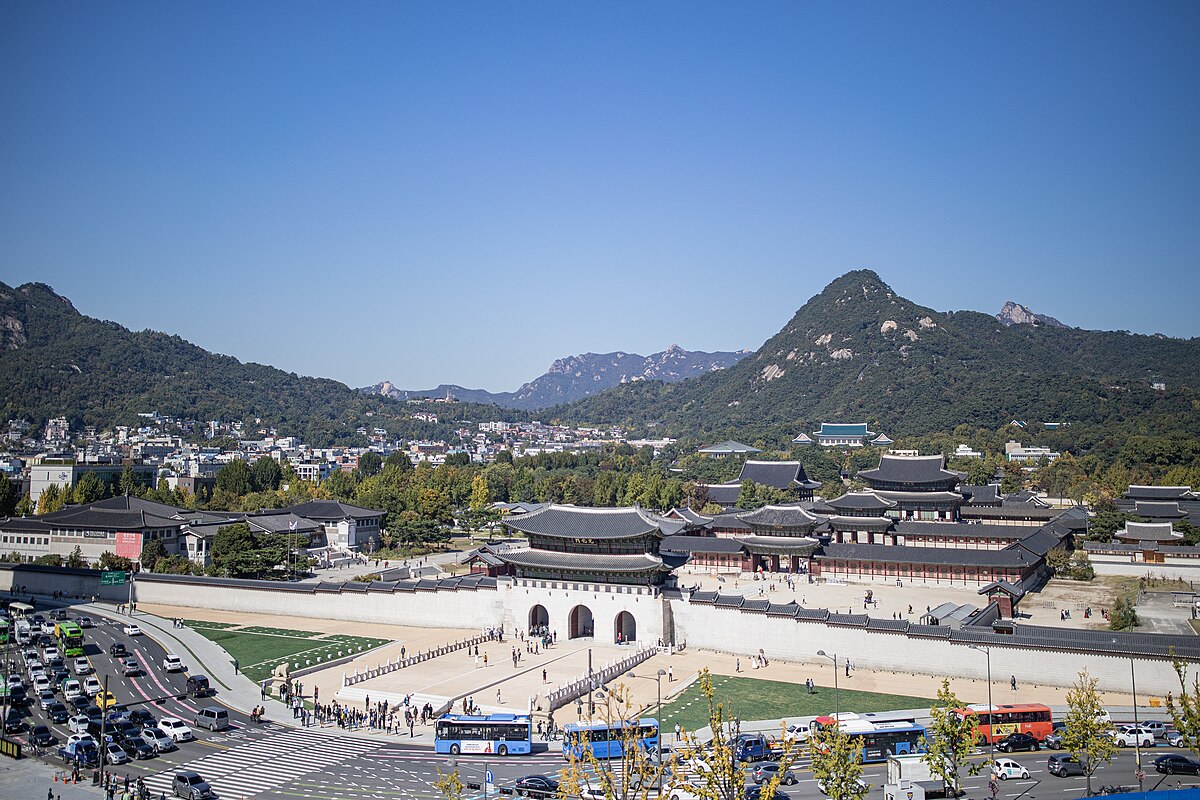
Gyeongbokgung: Seoul's Grand Joseon Palace
The largest and most magnificent of Seoul's Five Grand Palaces, Gyeongbokgung served as the heart of the Joseon Dynasty for over 500 years.