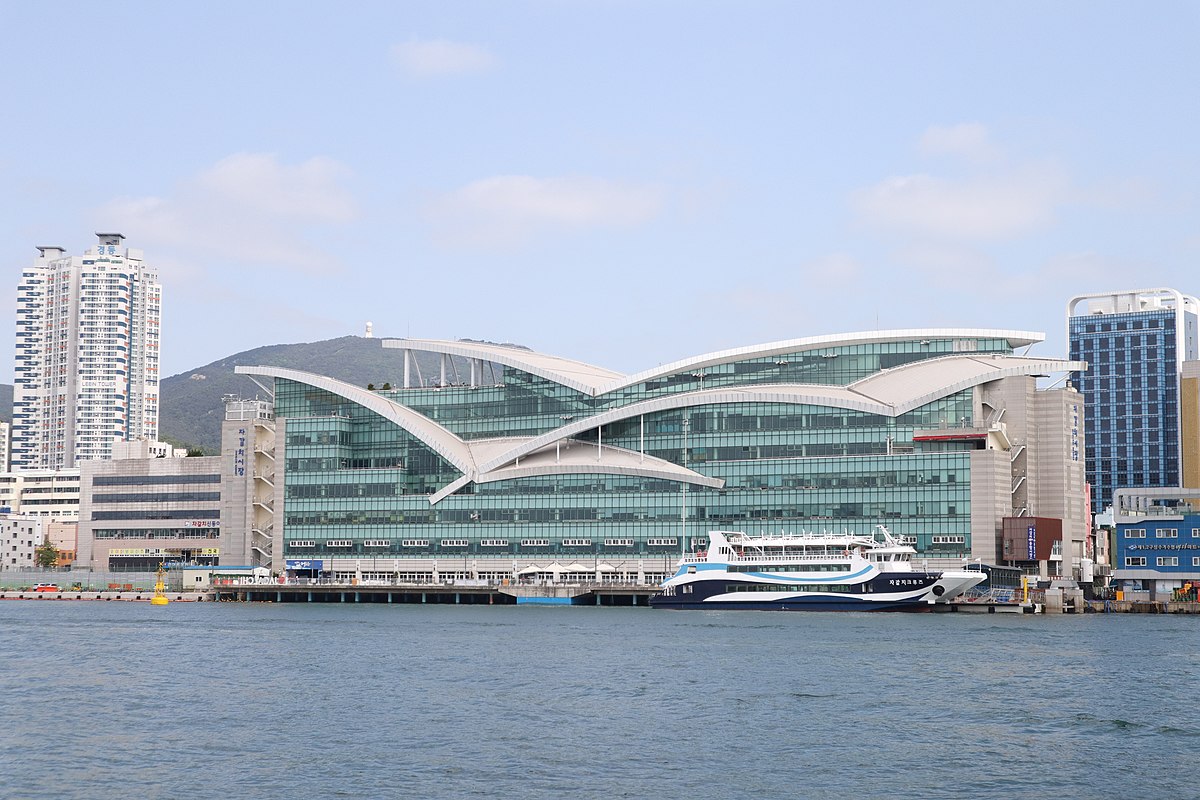
Jagalchi Fish Market: Korea's Largest Seafood Market
The largest seafood market in Korea, Jagalchi Market in Busan offers the freshest catch direct from the sea, a vibrant market atmosphere, and the ultimate Korean seafood dining experience.
Photo: Wikipedia Commons
What Is Jagalchi Market?
Jagalchi Market (자갈치시장) is Korea's largest seafood market and one of the country's most famous culinary institutions. Located along the Busan waterfront near Nampo Port, it has been the heart of Busan's seafood trade for generations. The market's name comes from 'jagal,' meaning gravel or pebbles, referring to the pebble beach where vendors originally gathered to sell their catch. The market consists of a large modern indoor building (completed in 2006) alongside older outdoor vendor stalls stretching along the waterfront. Together they form a sprawling marketplace where hundreds of vendors display a dazzling array of marine life — from live fish and shellfish still in tanks to dried seafood, fish cakes, and every manner of ocean produce imaginable. Jagalchi is famous throughout Korea for the hardworking women vendors (아줌마, ajumma) who run most of the stalls — a tradition that has continued for generations. They are known for their direct sales techniques, warm hospitality to genuine customers, and encyclopedic knowledge of seafood. The market's motto, displayed prominently, is 'Come, and experience!'
History & Significance
Jagalchi's origins trace back to the early 20th century when Busan developed as a major port city and fishing hub. Fishing boats began bringing their catches directly to the waterfront near Nampo-dong, and vendors, mostly women, established themselves as intermediaries between the fishing fleet and consumers. During the Korean War, Busan served as a refuge for millions of displaced Koreans, and the Jagalchi area became critically important as a food supply hub. The market's women vendors — many of them war widows and refugees who needed to support their families — became iconic figures. Their resilience and business acumen in difficult times gave them a legendary status in Korean culture. 'Jagalchi ajumma' became a term of respect for hard-working, strong Korean women. The market has been rebuilt and modernized several times, most recently with the construction of the current multi-story building in 2006. However, the outdoor traditional market alongside continues to operate, preserving the rawer, more traditional atmosphere alongside the modern facilities.
What to See & Do
The ground floor of the indoor market building houses vendors selling live seafood from tanks — you select what you want, it's cleaned and prepared on the spot, and you can eat it either at the vendor's table or take it to one of the restaurants on the floors above. This is the place to try hoe (회, Korean raw fish/sashimi) — fresher than this is nearly impossible to find. The outdoor section of the market along the waterfront is more chaotic and traditional, with vendors calling out to passersby and the smell of the sea mixing with the aroma of grilling and frying. This is where you'll find dried fish, salted seafood, seaweed, and all manner of processed marine products. Eomuk (어묵, fish cake) made fresh on the spot is a perfect walking snack. The upper floors of the main building contain restaurants that prepare the seafood you've selected below. One of the most popular Jagalchi experiences is choosing a live fish, having it cleaned and sliced as sashimi, and eating it with traditional Korean sides including ssamjang, garlic, and perilla leaves.
- ·Select live seafood from the tanks on the ground floor and have it prepared fresh
- ·Eat hoe (raw fish sashimi) — Jagalchi is one of the best places in Korea for this
- ·Explore the outdoor stalls for dried seafood, fish cakes, and traditional market atmosphere
- ·Try eomuk (fish cake) hot from the vendor — a quintessential Busan street food
- ·Visit early morning to see the market at its most lively when fresh catch arrives
Visitor Tips
Jagalchi Market is open daily from approximately 5 AM to 10 PM (some vendors close earlier). It is located near Jagalchi Station on Busan Metro Line 1 (Exit 10). The market is busiest in the morning when fresh catch is arriving from overnight fishing. Bring cash for outdoor vendors, though many indoor restaurants accept cards. If selecting live seafood to be prepared, negotiate the price before selection — check a rough price list or ask other customers to get a sense of fair market rates. The market is particularly atmospheric during the annual Jagalchi Festival held each October, which includes seafood tastings, performances, and events. Jagalchi combines well with visits to nearby Nampo-dong shopping streets and the historic Gukje Market.
Tips
- 💡Visit early morning (6-9 AM) for the most active trading and freshest catch
- 💡For raw fish (hoe), choose vendors on the ground floor of the main building and eat upstairs
- 💡Try the fish cake (eomuk) from outdoor street vendors — it's a quintessential Busan experience
Last updated: March 30, 2026
You might also like
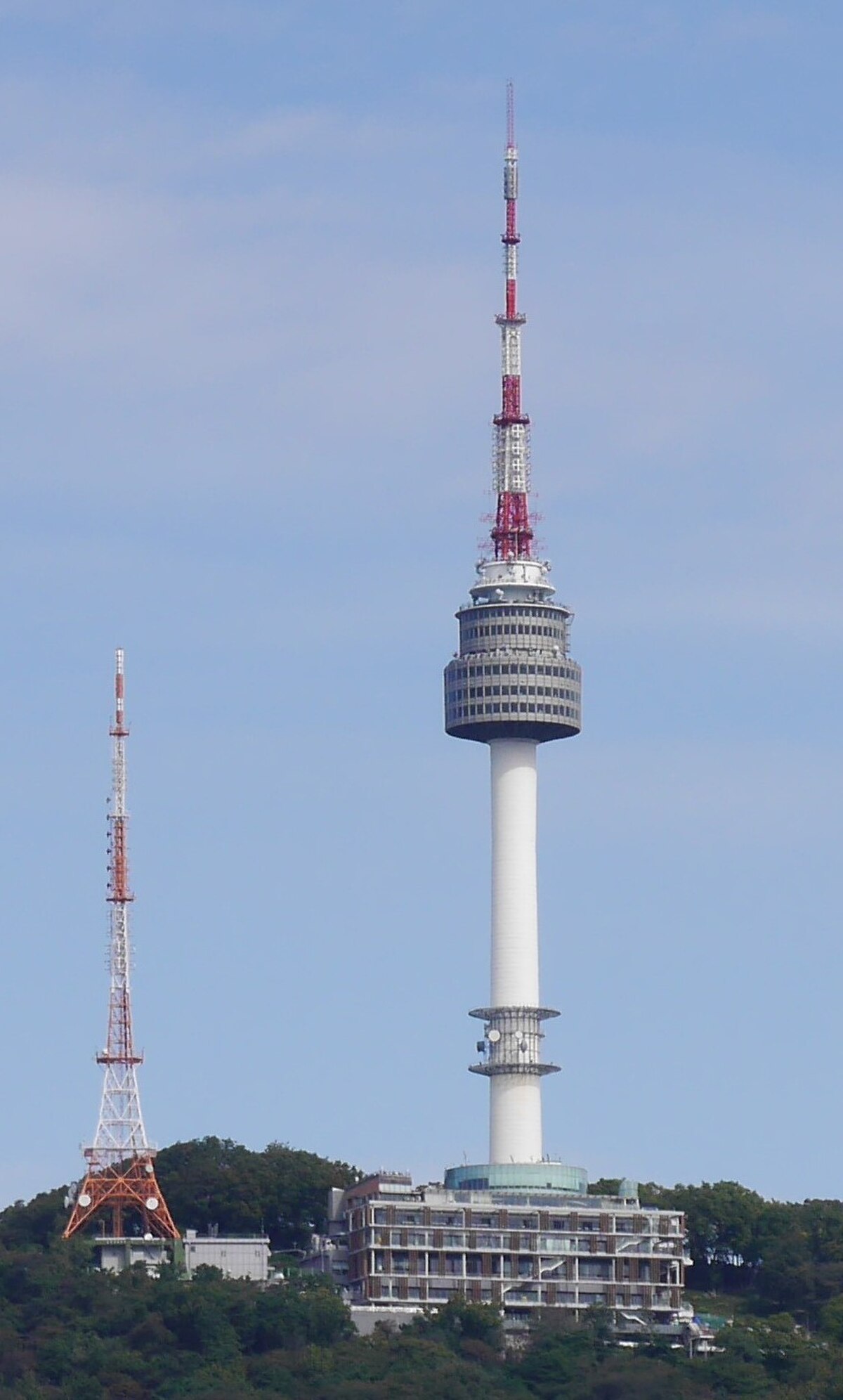
N Seoul Tower: Seoul's Most Iconic Landmark
Perched atop Namsan mountain, N Seoul Tower offers breathtaking 360-degree views of the city and has become a beloved symbol of Seoul's modern romance.
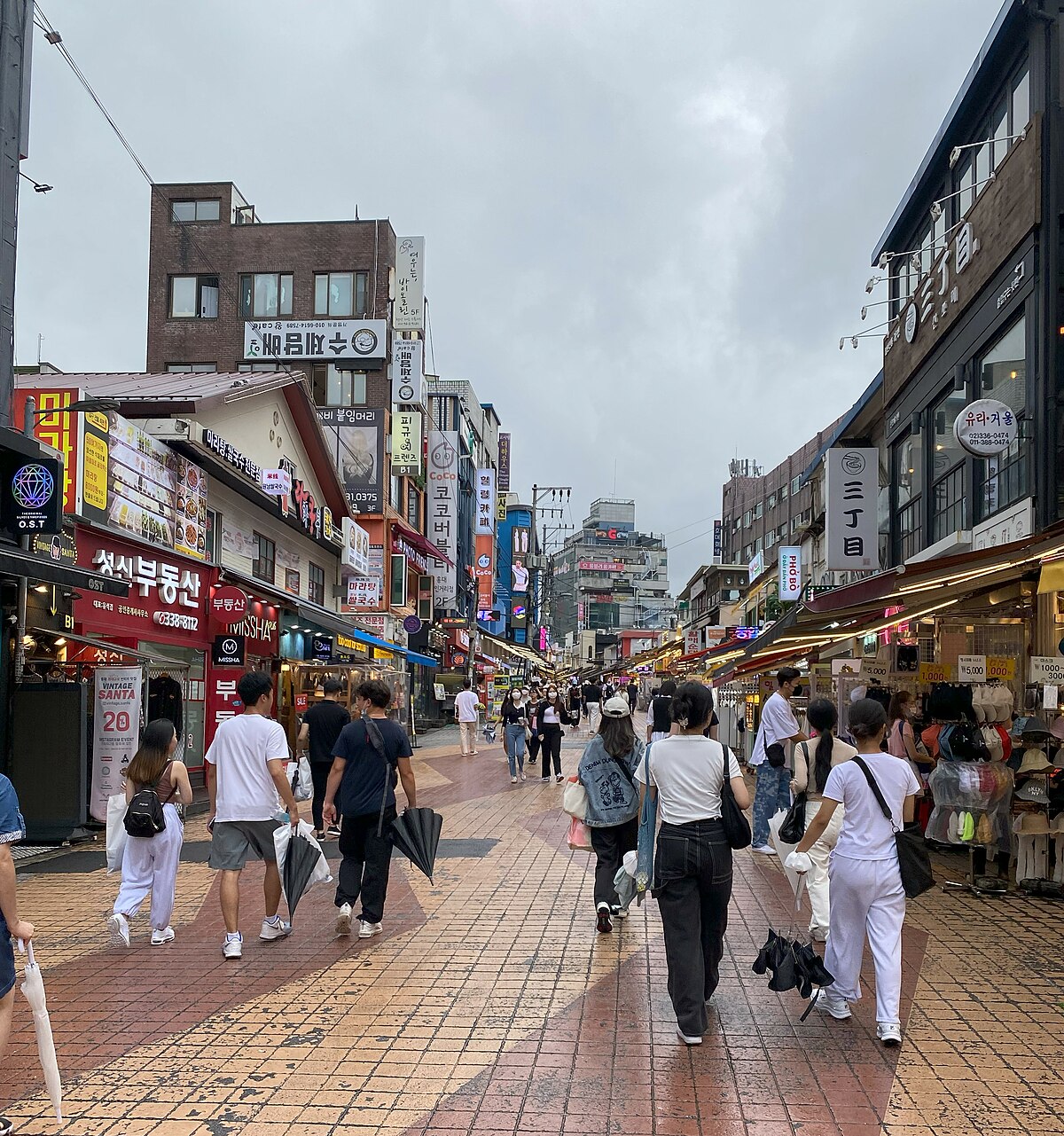
Hongdae: Seoul's Creative Youth Capital
Seoul's most vibrant arts and nightlife district, Hongdae pulses with indie music, street performances, quirky cafés, and the creative energy of Korea's top arts university.
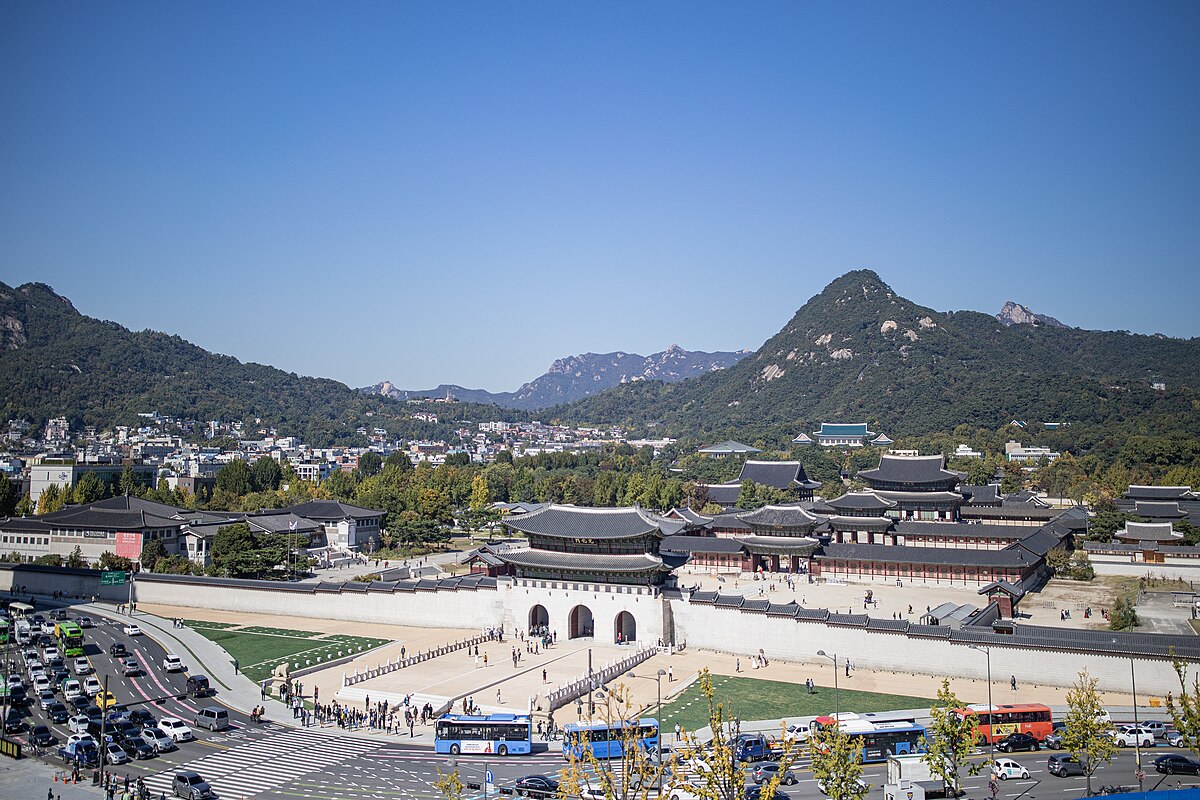
Gyeongbokgung: Seoul's Grand Joseon Palace
The largest and most magnificent of Seoul's Five Grand Palaces, Gyeongbokgung served as the heart of the Joseon Dynasty for over 500 years.