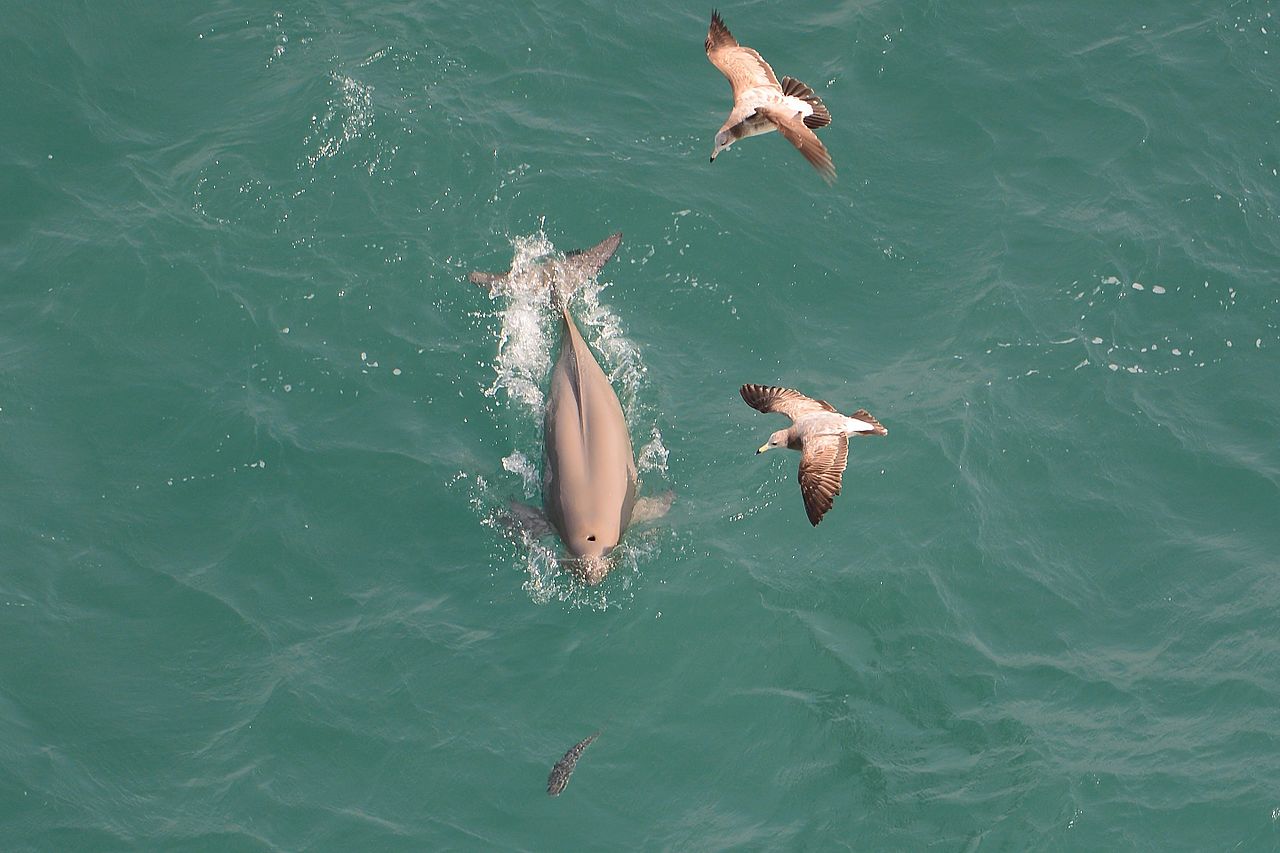
Jangsaengpo Whale Culture Village: Ulsan's Whaling Heritage
Jangsaengpo Whale Culture Village in Ulsan preserves the living memory of Korea's last commercial whaling port through open-air museums, life-size whale sculptures, and a working harbour that once dispatched fleets to hunt sperm and minke whales in the East Sea.
Photo: Wikipedia Commons
What Is Jangsaengpo Whale Culture Village?
Jangsaengpo Whale Culture Village (장생포고래문화마을) is a themed heritage district in Nam-gu, Ulsan, built around the historic Jangsaengpo harbour that served as Korea's primary commercial whaling base from the early twentieth century until international bans ended large-scale whaling in 1986. The village features life-size fibreglass whale models, a whale museum housing actual skeletons and hunting equipment, and a recreated 1970s fishing village streetscape. A monorail loops around the waterfront, giving visitors aerial views of the harbour and the East Sea beyond.
History & Significance
Jangsaengpo's whaling industry began under Japanese colonial rule when Norwegian harpoon techniques were introduced to Korean fishermen. After liberation, the port continued operating under Korean ownership, and by the 1960s the town's economy revolved almost entirely around whale processing. At its peak, the port landed hundreds of whales annually, and whale meat became a staple food in Ulsan. The IWC moratorium of 1986 ended commercial operations overnight, devastating the local economy. The village was established in 2008 to interpret this complex history without glorifying the hunt, focusing on the human stories of the fishermen and the ecological comeback of whales in the East Sea.
What to See & Do
The Ulsan Whale Museum holds the most comprehensive collection of whale-related artefacts in Korea, including a full sperm whale skeleton suspended from the ceiling and original harpoon guns from the 1950s. The recreated 1970s village street has costumed guides and period props that bring the era to life. Whale-watching boat tours depart seasonally from the adjacent harbour, as minke whales have returned to local waters in significant numbers.
Visitor Tips
Allow at least two hours to cover the museum, the village streetscape, and a monorail ride. The whale-watching tours run from May to October and book up quickly on weekends — reserve in advance through the Ulsan tourism office. The village is a 15-minute taxi ride from Ulsan Station.
Tips
- 💡Book whale-watching boat tours at least a day ahead during peak summer season.
- 💡The 1970s village recreation is especially popular with Korean visitors for nostalgic photography.
- 💡Combine with a visit to Jangsaengpo harbour fish market for fresh catch at lunchtime.
Last updated: April 1, 2026
You might also like
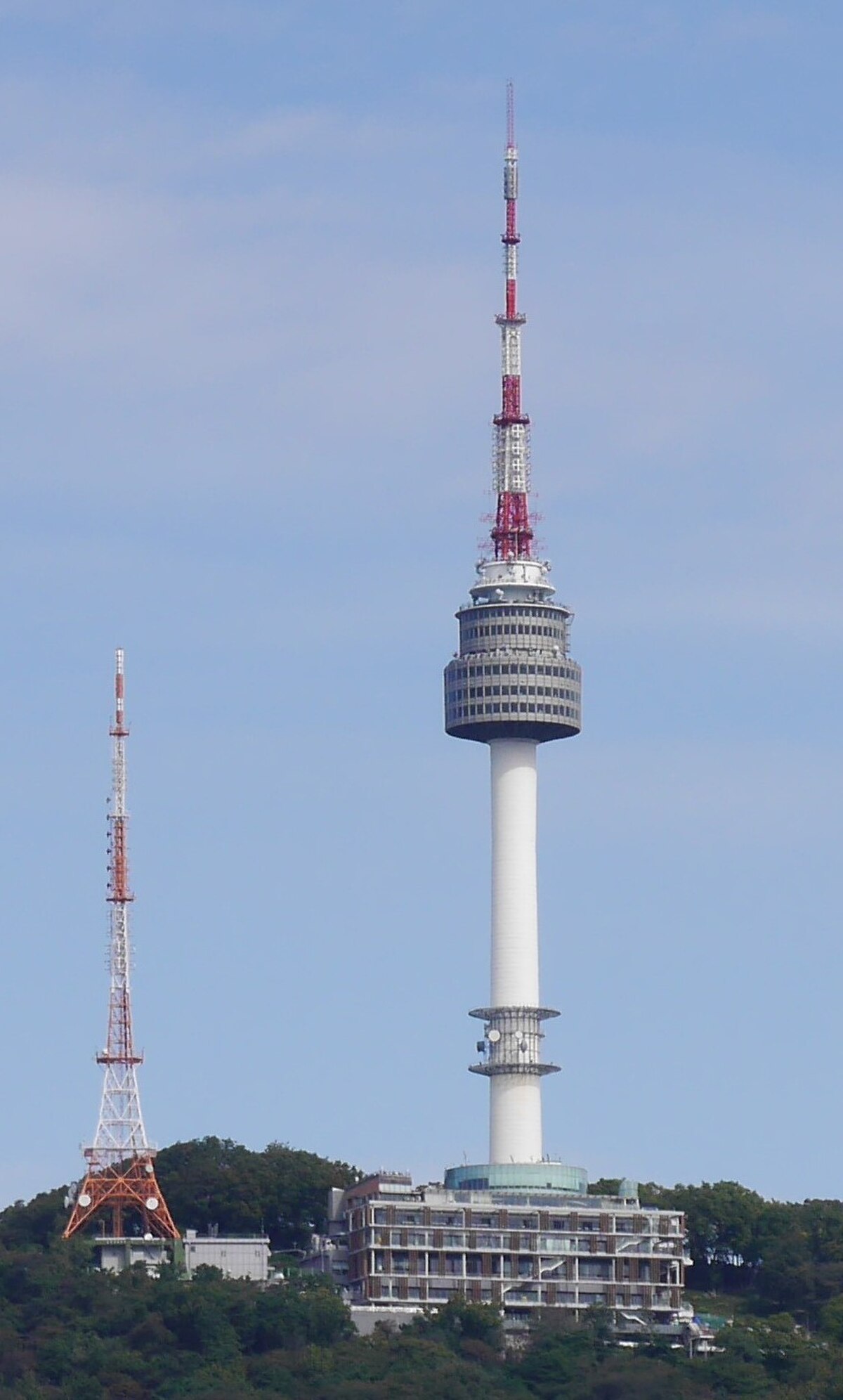
N Seoul Tower: Seoul's Most Iconic Landmark
Perched atop Namsan mountain, N Seoul Tower offers breathtaking 360-degree views of the city and has become a beloved symbol of Seoul's modern romance.
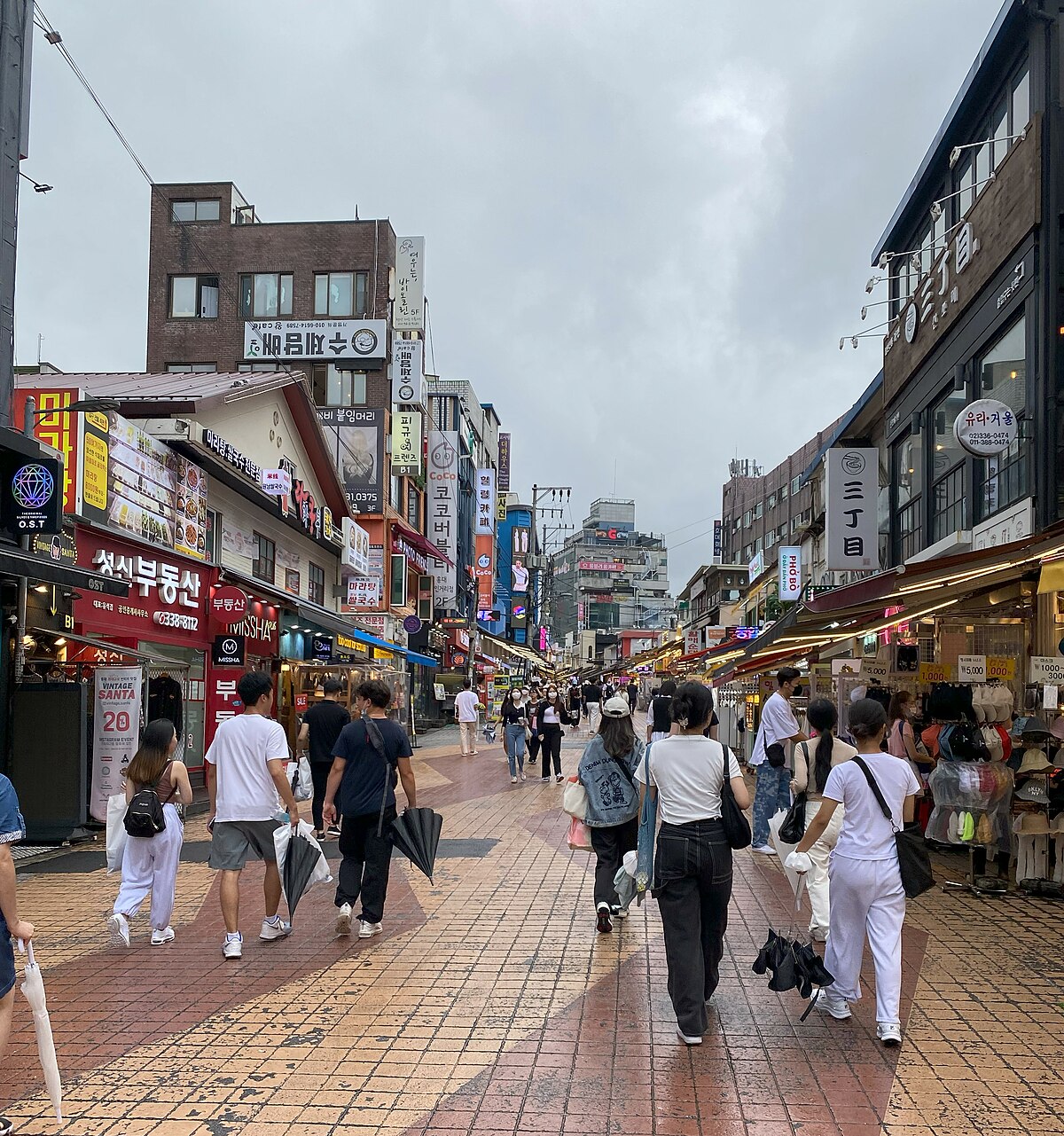
Hongdae: Seoul's Creative Youth Capital
Seoul's most vibrant arts and nightlife district, Hongdae pulses with indie music, street performances, quirky cafés, and the creative energy of Korea's top arts university.
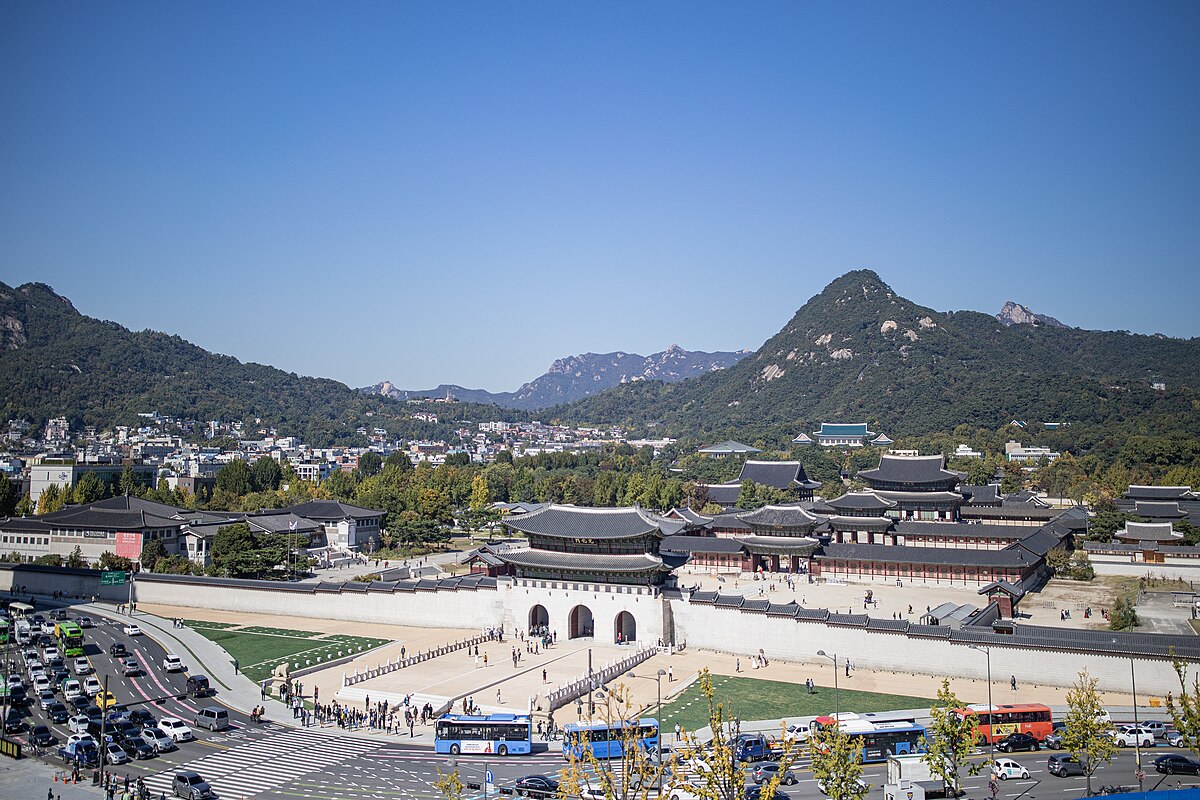
Gyeongbokgung: Seoul's Grand Joseon Palace
The largest and most magnificent of Seoul's Five Grand Palaces, Gyeongbokgung served as the heart of the Joseon Dynasty for over 500 years.