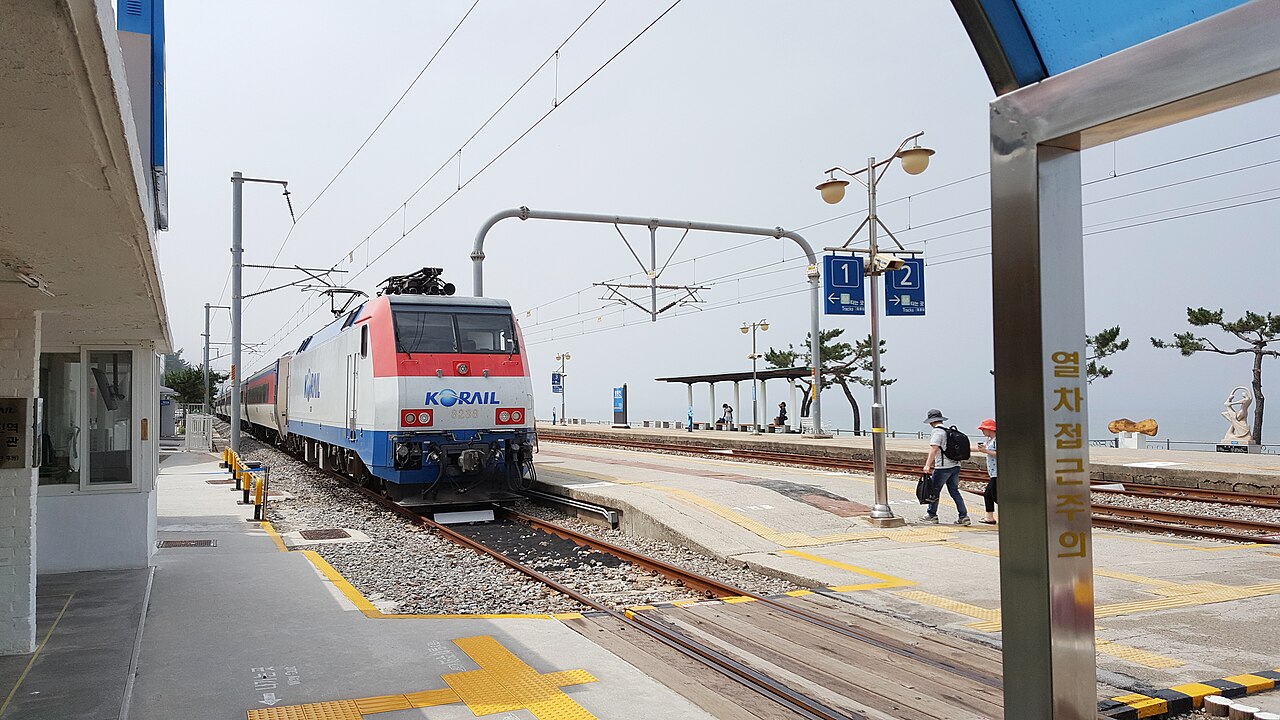
Jeongdongjin: Korea's Most Dramatic Sunrise Village
A tiny East Sea village with a train station built metres from the waterline — the closest railway station to the sea in Korea. Famous for its legendary sunrise and the giant hourglass that turns once a year.
Photo: Wikipedia Commons
What Is Jeongdongjin?
Jeongdongjin (정동진) is a small coastal village in Gangneung, Gangwon Province, located directly on the East Sea. Its name means 'true east of the capital (Seoul) crossing' — it sits precisely on the east-west axis through the Gwanghwamun gate in Seoul. The village is best known for its Jeongdongjin Station, a train station whose platform extends to within metres of the beach, making it the closest railway station to the sea in Korea. The station gained national fame after appearing in a popular 1995 Korean drama, turning it into a pilgrimage site for couples and sunrise seekers. It is one of a very small number of places in Korea where you can step off a train directly onto a beach.
History & Significance
Jeongdongjin was a quiet fishing village until 1995, when the Korean drama 'Sand Clock' (모래시계) featured the station in one of its most iconic scenes. Almost overnight, the station transformed from an obscure regional stop into one of Korea's most visited romantic destinations. The village became associated with sunrises, farewells, and melancholy reflection — themes the drama explored. In 1999, a 1-metre³ hourglass monument was installed on the cliff above the beach. Weighing 40 tonnes and filled with sand, it completes one full turn precisely at midnight on New Year's Eve, symbolising the turning of the year. Thousands of Koreans gather here annually for New Year's sunrise ceremonies.
What to See & Do
The sunrise at Jeongdongjin is the primary draw — the East Sea horizon is unobstructed and the sun rises directly from the water. Arriving before dawn and watching the sky transition from ink-black to violet to red to gold, with the waves crashing at your feet, is a genuine experience. The Sunken Cruise Ship Hotel (썬크루즈 호텔), a cruise-ship-shaped structure built on the clifftop, is visually extraordinary and its restaurants offer elevated sea views. The Hourglass Park (모래시계공원) on the cliff behind the station contains the famous monument and sculpture garden. The beach itself is a gravel and sand mix, backed by pine trees, with a quiet character very different from the big resort beaches.
Visitor Tips
The most popular way to visit is the overnight train from Seoul — board a late-night train from Cheongnyangni Station and arrive at dawn in time for sunrise. Tickets sell out for this service during holiday periods and New Year; book weeks in advance. The village is small and all major sights are within 15 minutes' walk of the station. Accommodation is available in the area, including the Sunken Cruise Ship Hotel if you want the full theatrical experience. Outside of New Year and summer weekends, Jeongdongjin is extremely quiet — which makes it one of the more peaceful coastal escapes accessible from Seoul.
Tips
- 💡Take the overnight train from Seoul and arrive at dawn for the legendary sunrise.
- 💡The 40-tonne hourglass monument turns once a year at midnight on New Year's Eve — a powerful ritual.
- 💡Outside peak seasons, the village is nearly empty — one of Korea's quietest coastal retreats.
Last updated: April 1, 2026
You might also like
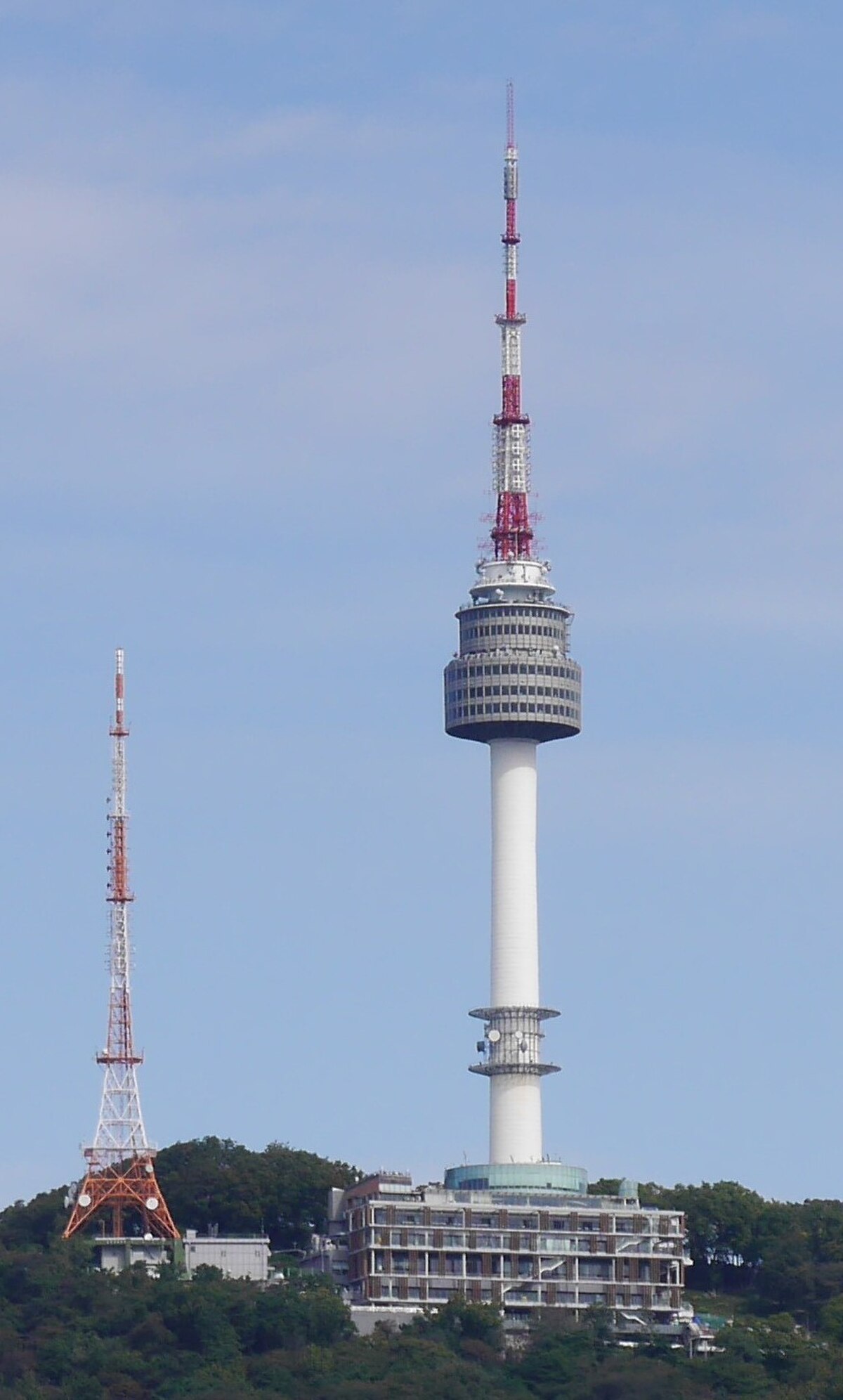
N Seoul Tower: Seoul's Most Iconic Landmark
Perched atop Namsan mountain, N Seoul Tower offers breathtaking 360-degree views of the city and has become a beloved symbol of Seoul's modern romance.
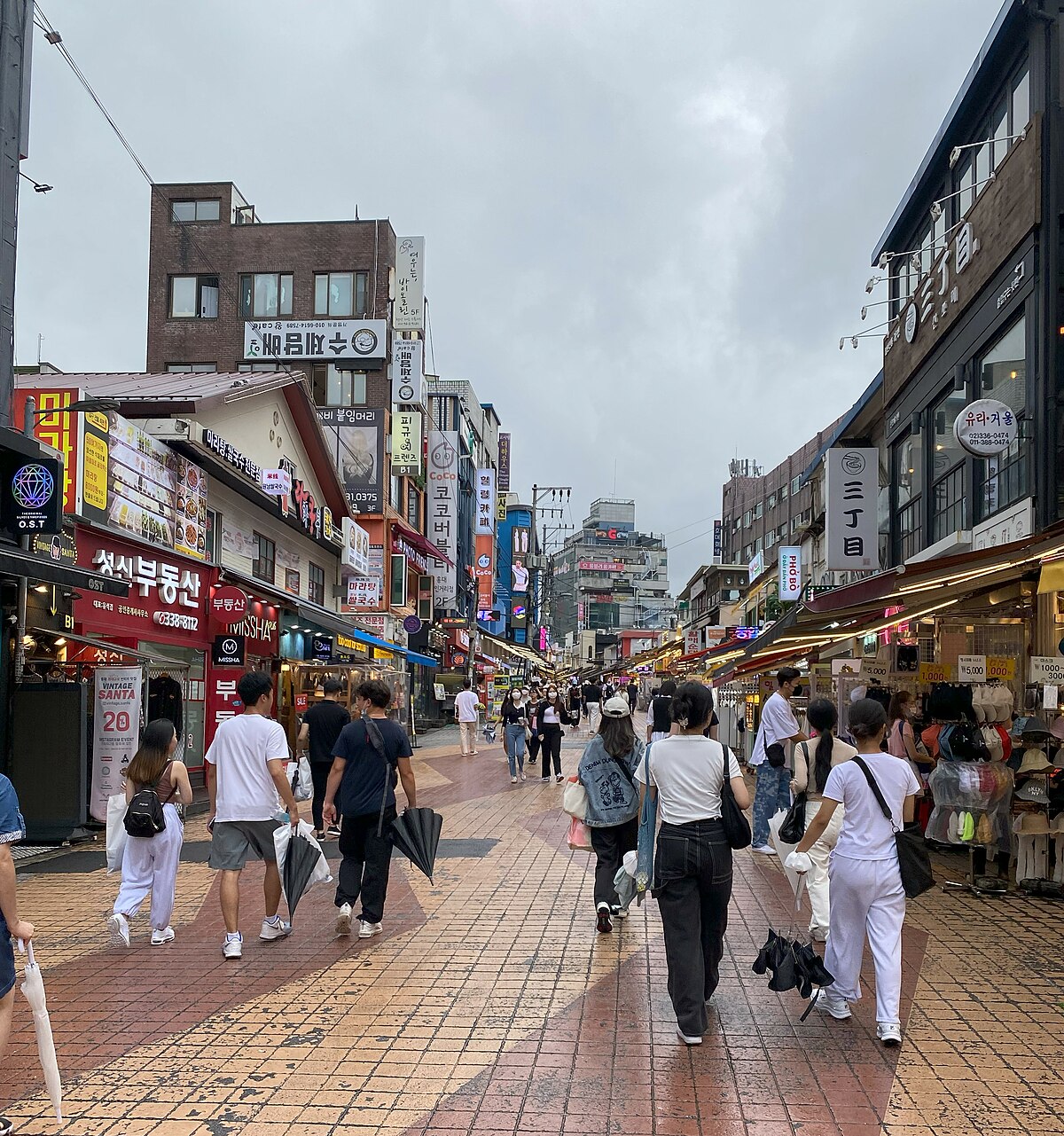
Hongdae: Seoul's Creative Youth Capital
Seoul's most vibrant arts and nightlife district, Hongdae pulses with indie music, street performances, quirky cafés, and the creative energy of Korea's top arts university.
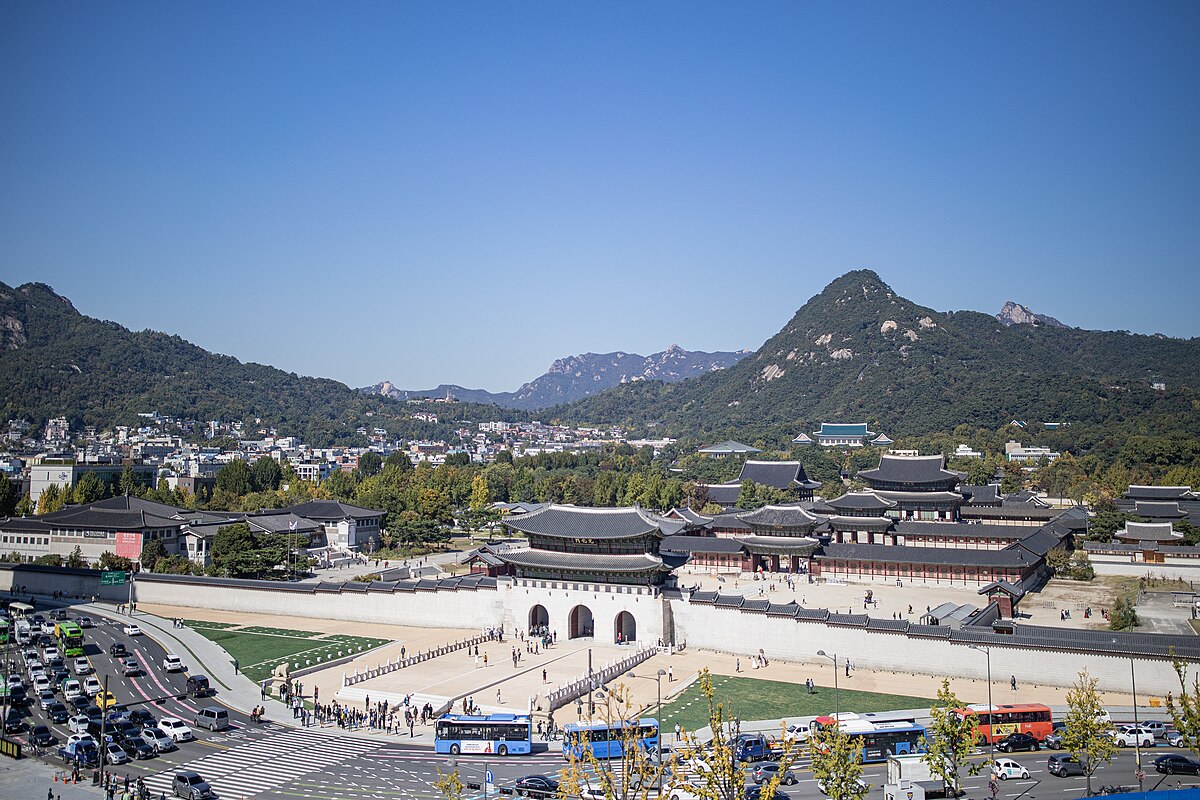
Gyeongbokgung: Seoul's Grand Joseon Palace
The largest and most magnificent of Seoul's Five Grand Palaces, Gyeongbokgung served as the heart of the Joseon Dynasty for over 500 years.