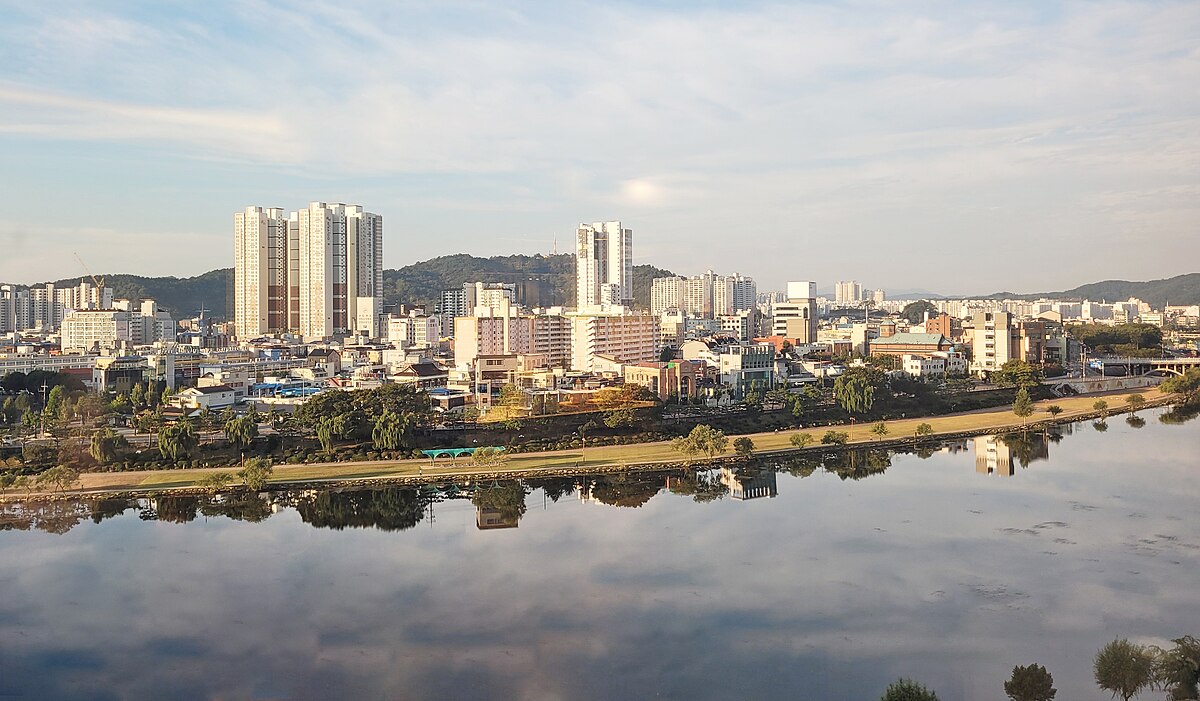
Jinju Jungang Market: Traditional Commerce in a Historic City
Jinju Jungang Market is the central traditional market of Jinju, a historic city in South Gyeongsang Province. Known for its local produce, Jinju-style bibimbap, and traditional crafts, the market reflects the cultural depth of a city that has been a regional capital for over a thousand years.
Photo: Wikipedia Commons
What Is Jinju Jungang Market?
Jinju Jungang Market (진주 중앙시장) is the main traditional market in Jinju city, located in the central commercial district near the Nam River. It is a large indoor-outdoor market selling fresh produce, meat, seafood, dried goods, clothing, and traditional Korean products. The market has food stalls serving local Jinju specialties, making it a culinary as well as commercial destination for visitors.
History & Significance
Jinju has been the administrative and commercial centre of the Gyeongnam (South Gyeongsang) region for over a millennium, and formal market activity in the city centre dates to the Joseon Dynasty. The city is famous for Jinju bibimbap — a distinctive version of the mixed rice dish that traditionally included raw beef (yukhoe) as a topping, reflecting the city's historical identity as a cattle-trading centre. Jinju is also closely associated with the Gisaeng Nongae, who sacrificed herself during the 1593 Battle of Jinju, whose story is central to Korean cultural memory.
What to See & Do
The most important culinary experience is Jinju bibimbap at one of the restaurants in or near the market — served in a stone pot with yukhoe (raw seasoned beef), various namul vegetables, and a fried egg. Heotjesabap (허재사밥) is another Jinju specialty, a royal-court-style mixed dish served with multiple side courses. The market's produce section reflects the agricultural richness of the Gyeongnam region. Nearby Jinnam Castle and Chokseongnu Pavilion are a short walk from the market.
Visitor Tips
Jinju bibimbap restaurants are concentrated in the market area and on the streets immediately surrounding it — look for restaurants displaying 진주비빔밥 on their signage. Meal prices range from 10,000–15,000 KRW. The market is most active on weekday mornings. Jinju is best reached by express bus from Busan (about 90 minutes) or by KTX to Jinju Station. Combine a market visit with Jinnam Castle and plan around festival dates in October.
Tips
- 💡Jinju bibimbap with yukhoe (raw beef) is the signature dish — order it at a traditional restaurant near the market.
- 💡The market is most vibrant on weekday mornings when produce is freshest.
- 💡Pair a market visit with Jinnam Castle (Chokseongnu Pavilion) — both are central Jinju must-sees.
Last updated: April 1, 2026
You might also like
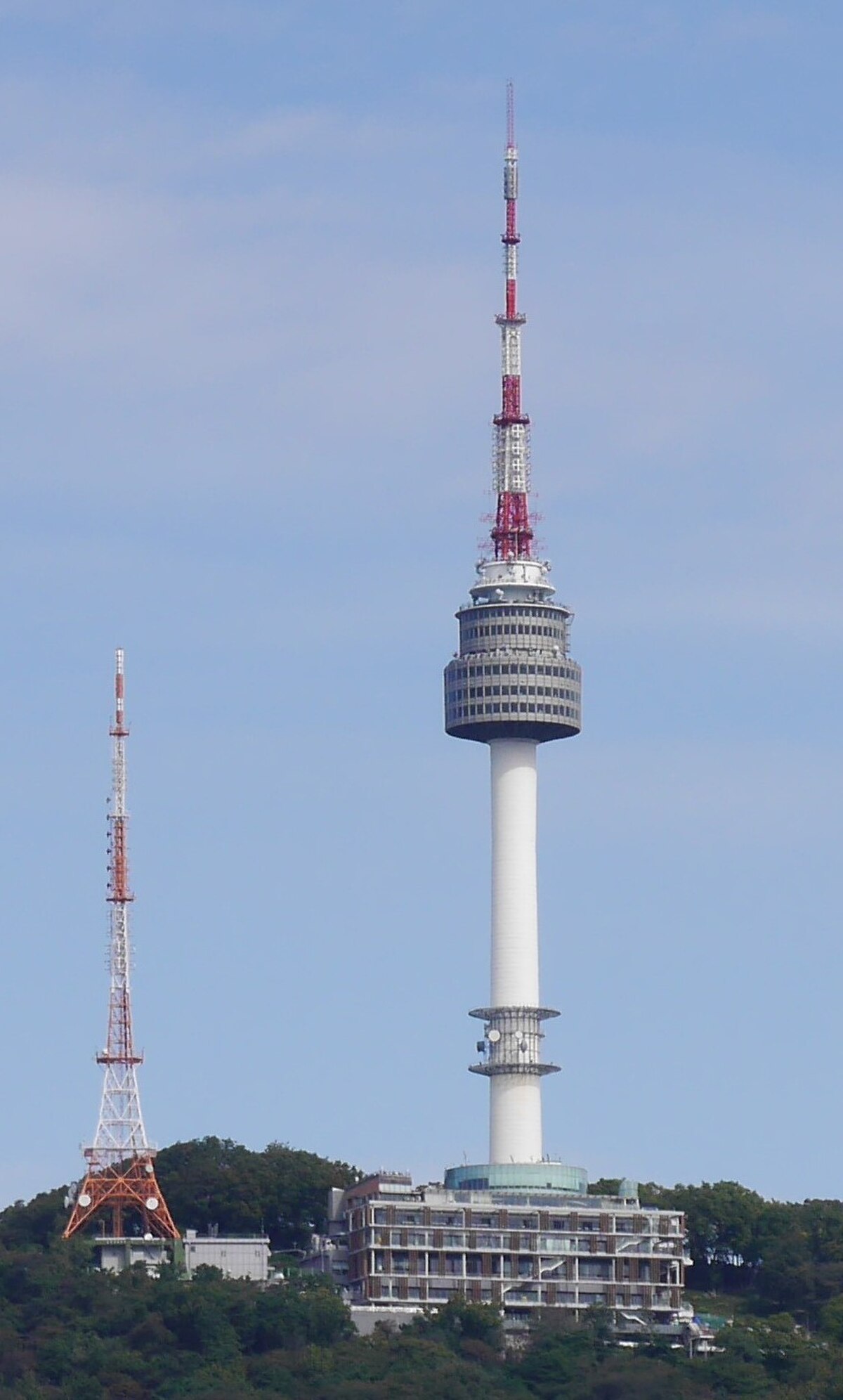
N Seoul Tower: Seoul's Most Iconic Landmark
Perched atop Namsan mountain, N Seoul Tower offers breathtaking 360-degree views of the city and has become a beloved symbol of Seoul's modern romance.
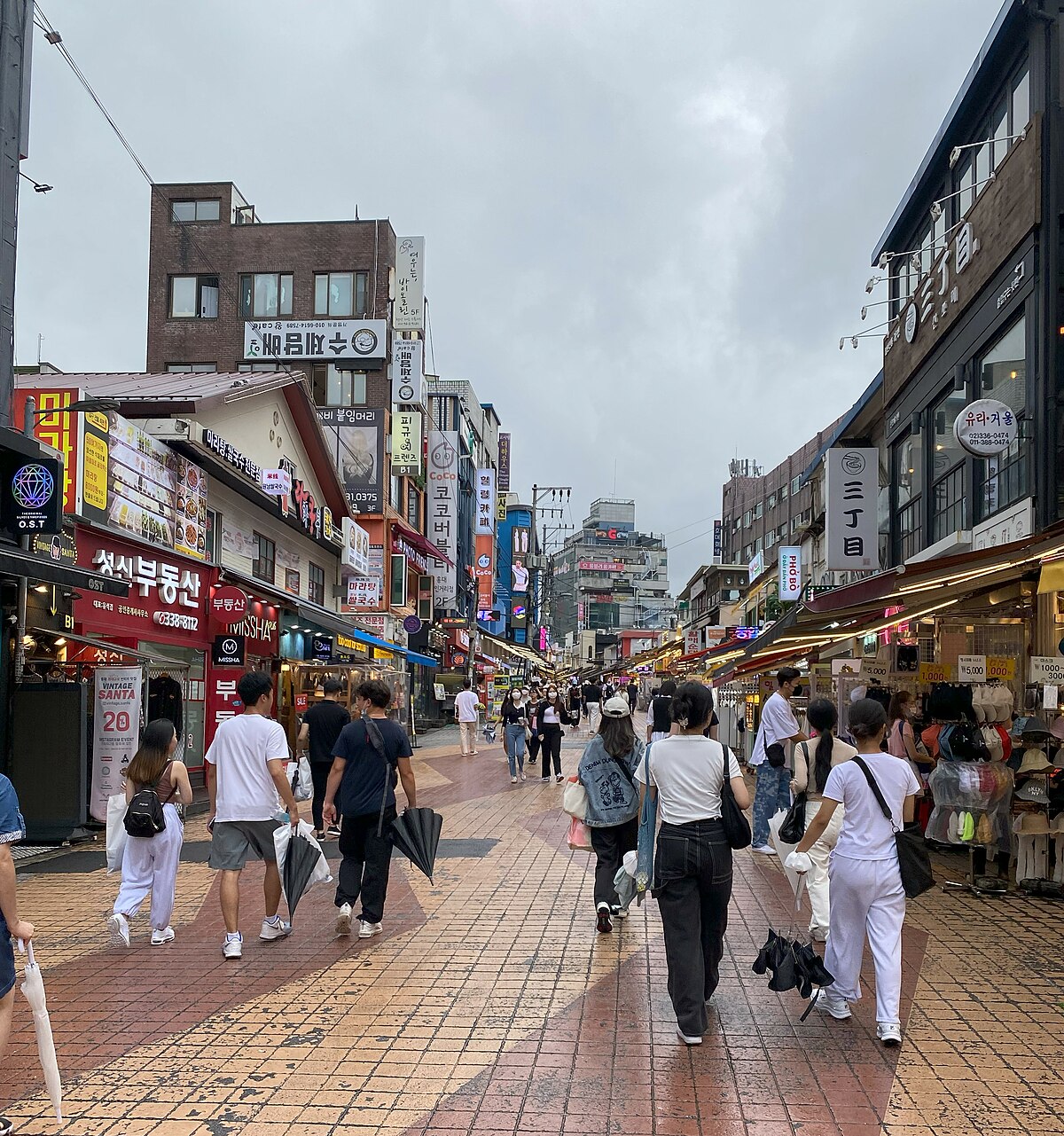
Hongdae: Seoul's Creative Youth Capital
Seoul's most vibrant arts and nightlife district, Hongdae pulses with indie music, street performances, quirky cafés, and the creative energy of Korea's top arts university.
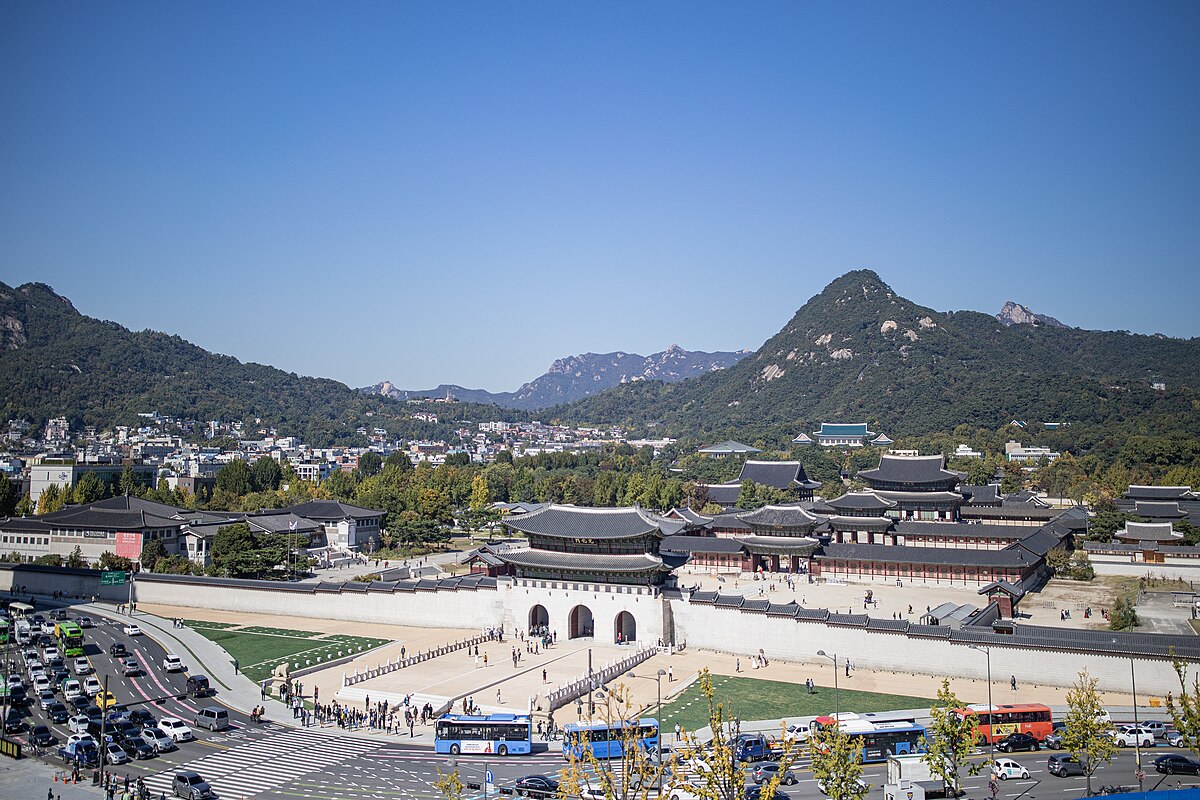
Gyeongbokgung: Seoul's Grand Joseon Palace
The largest and most magnificent of Seoul's Five Grand Palaces, Gyeongbokgung served as the heart of the Joseon Dynasty for over 500 years.