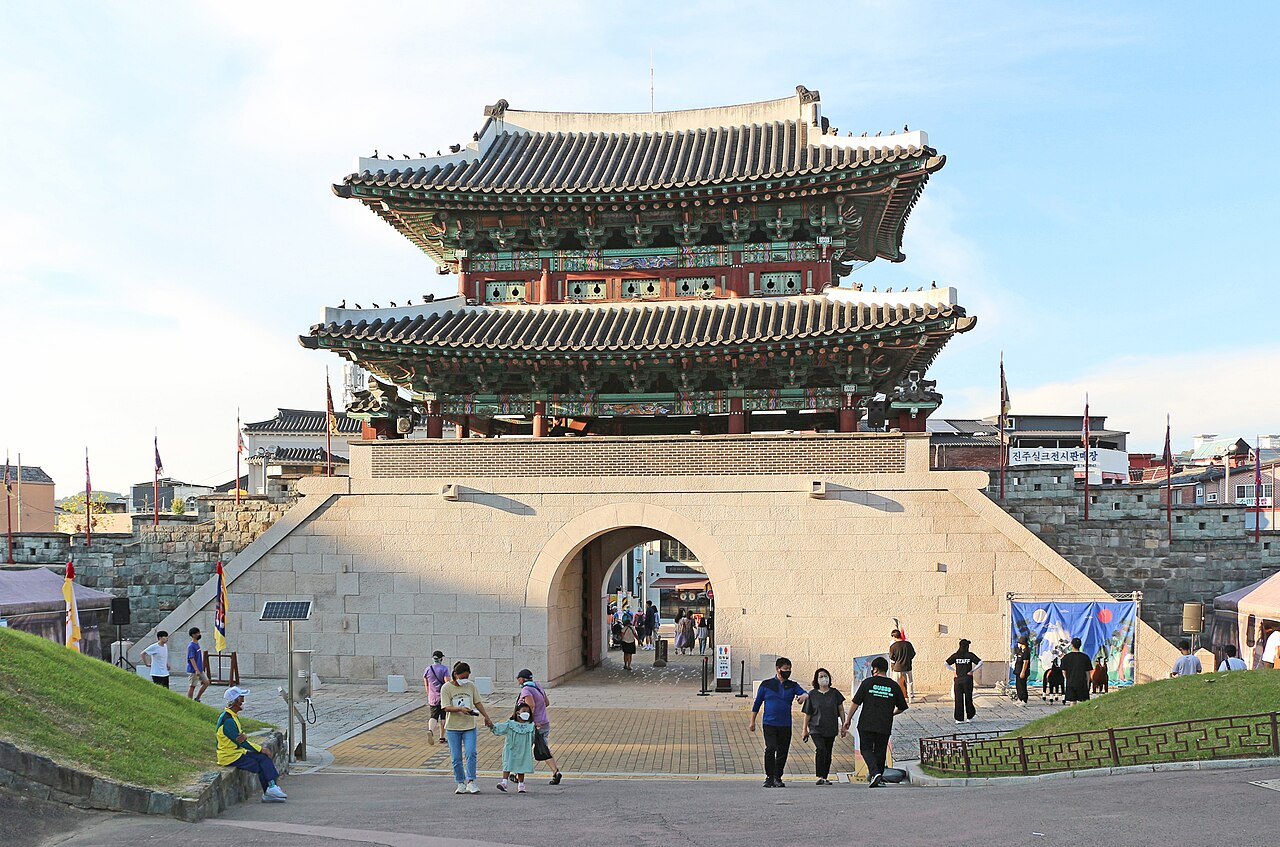
Jinjuseong Fortress: Where Korea's Heroic Battle Was Fought
Jinjuseong is a historic riverside fortress in Jinju, site of the heroic 1592 battle against Japanese invasion, now a beautiful cliffside park illuminated during the spectacular annual Lantern Festival.
Photo: Wikipedia Commons
What Is Jinjuseong?
Jinjuseong (진주성, Jinju Castle or Jinju Fortress) is a historic walled fortress that crowns a rocky cliff above the Nam River in the center of Jinju city in South Gyeongsang Province. The fortress walls, rebuilt and preserved over centuries, enclose a large park area containing temples, memorial halls, museums, and gardens on the high ground above the river. The fortress area covers approximately 18,800 square meters and its stone walls average 5 meters in height, running along the cliff edge and through the surrounding terrain. Several traditional gate structures, the most impressive being Gongjeommun (Gate) and the Chokseongnu Pavilion at the river's edge, are key architectural highlights. The Chokseongnu Pavilion, positioned at the most dramatic point above the river, is one of Korea's most beautiful traditional wooden structures in its setting. Today Jinjuseong functions primarily as a public park — a green, historically layered space where locals walk, exercise, and relax amid the historical structures. The National Museum of Jinju is located within the fortress, and the grounds contain memorials to the heroes of the Battle of Jinju.
History & Significance
Jinjuseong's most defining historical moment came in October 1592 during the Japanese invasions led by Toyotomi Hideyoshi. In what became known as the First Battle of Jinju, a vastly outnumbered Korean force of approximately 3,800 soldiers under General Kim Si-min defended the fortress against a Japanese army estimated at 30,000 men. The Koreans held out for six days, inflicting enormous casualties on the attacking force, and the Japanese ultimately withdrew — a stunning defensive victory that became one of the most celebrated events of the war. The fortress is also the site of a legendary story of sacrifice: Nongae (논개), a gisaeng (female entertainer and courtesan) who, during the Japanese occupation of the fortress after its fall in 1593, is said to have lured a Japanese general to the clifftop at Uiamnu Pavilion and thrown herself into the river with him, killing them both. Nongae is celebrated as a patriotic heroine throughout Korea, and her story is commemorated at the fortress with a statue and memorial. Jinjuseong and the surrounding city are now also famous for the Jinju Lantern Festival (진주 남강 유등축제), held each October on the Nam River below the fortress. This is one of Korea's largest and most spectacular festivals — thousands of traditional lanterns, including enormous elaborate displays, illuminate the river for nearly two weeks, drawing visitors from throughout Korea and internationally.
What to See & Do
Walking the fortress walls and exploring the park within is the central experience. Chokseongnu Pavilion, positioned on the highest cliff above the river bend, offers extraordinary views down to the Nam River and across the city — this is the most dramatic viewpoint and the most photographed spot in the fortress. The pavilion's architecture, with its traditional multi-tiered roofline, is also beautiful in its own right. The National Museum of Jinju within the fortress grounds houses excellent collections of artifacts from the Jinju area, including items from the Imjin War period. The Nongae memorial and the General Kim Si-min statue are important historical monuments within the complex. The various temple buildings and smaller pavilions scattered around the fortress grounds add to the layers of history visible within the park. During the Jinju Lantern Festival (October), the fortress becomes part of one of Korea's most visually spectacular events. The festival's lanterns are launched on the river below, while elaborate themed lantern installations are displayed throughout the fortress park above — the combination of illuminated fortress, lanterns on water, and reflection makes for unforgettable nighttime scenery.
- ·Walk to Chokseongnu Pavilion for the most dramatic views of the Nam River below the cliff
- ·Visit the National Museum of Jinju within the fortress for Imjin War history and artifacts
- ·Attend the Jinju Lantern Festival in October for one of Korea's most spectacular annual events
- ·Find the Nongae memorial and learn about this extraordinary story of Korean patriotism
- ·Walk the full fortress perimeter walls for changing views of the river and city
Visitor Tips
Jinjuseong is open daily from 9 AM to 9 PM (extended during the Lantern Festival). Admission is approximately 2,000 KRW for adults, with access to the National Museum requiring a separate ticket. The fortress is located in central Jinju and is easily walkable from the Jinju bus terminal or reached by local bus or taxi. Jinju is accessible from Seoul by KTX train to Jinju Station (approximately 2.5 hours) or by express bus. The city is a manageable day trip from Busan (approximately 1 hour by bus). The Jinju Lantern Festival (진주 남강 유등축제) is held annually in October and is one of Korea's most popular festivals — accommodation books up quickly during this period. Outside of festival season, the fortress is a peaceful and uncrowded destination with genuine historical depth. Combine with the nearby Jiri Mountain area for a multi-day South Gyeongsang Province itinerary.
Tips
- 💡The Jinju Lantern Festival in October is one of Korea's most spectacular events — plan well in advance
- 💡Chokseongnu Pavilion at sunset offers one of the most beautiful river views in southern Korea
- 💡The National Museum of Jinju is free on the first Sunday of each month
Last updated: March 30, 2026
You might also like
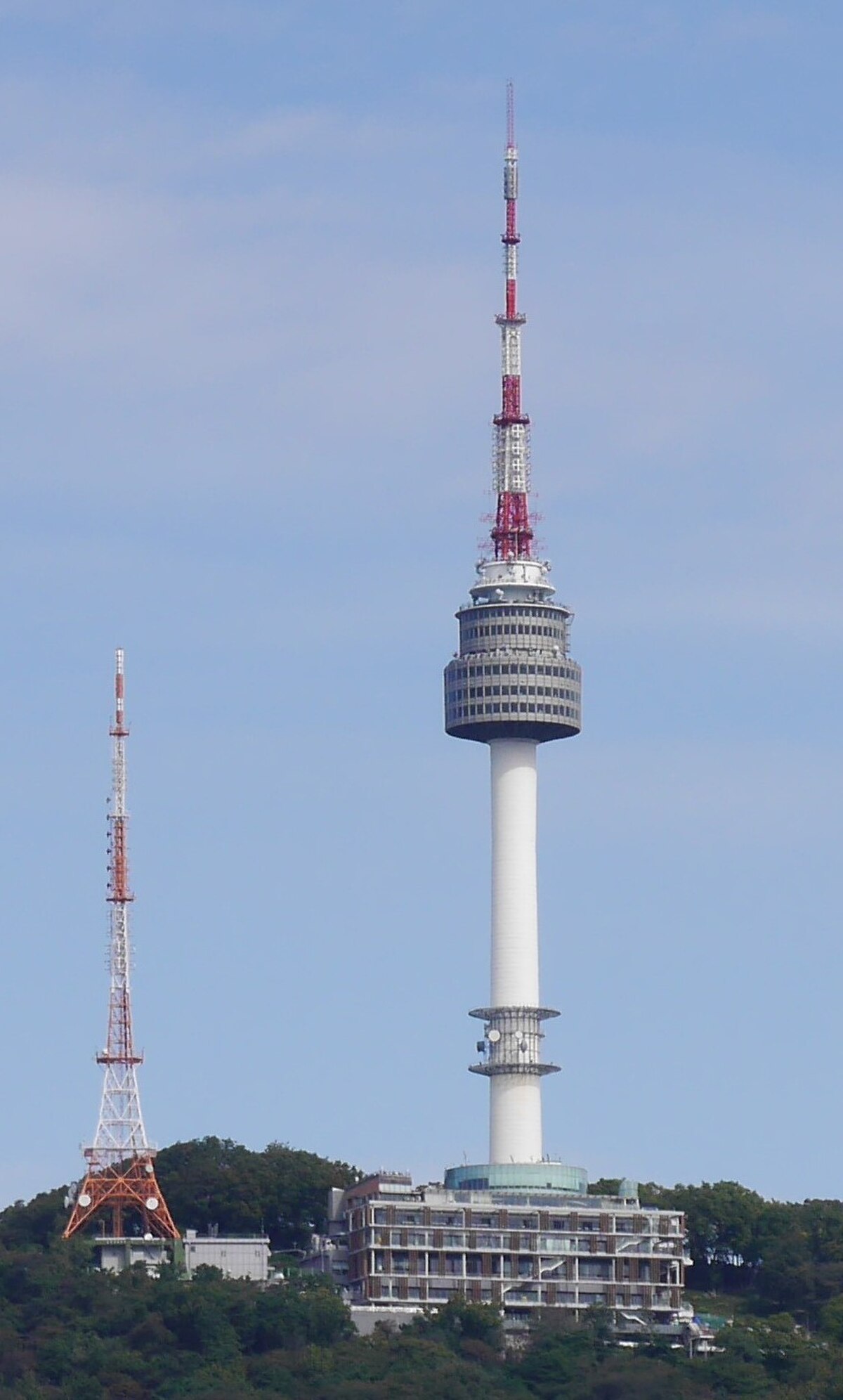
N Seoul Tower: Seoul's Most Iconic Landmark
Perched atop Namsan mountain, N Seoul Tower offers breathtaking 360-degree views of the city and has become a beloved symbol of Seoul's modern romance.
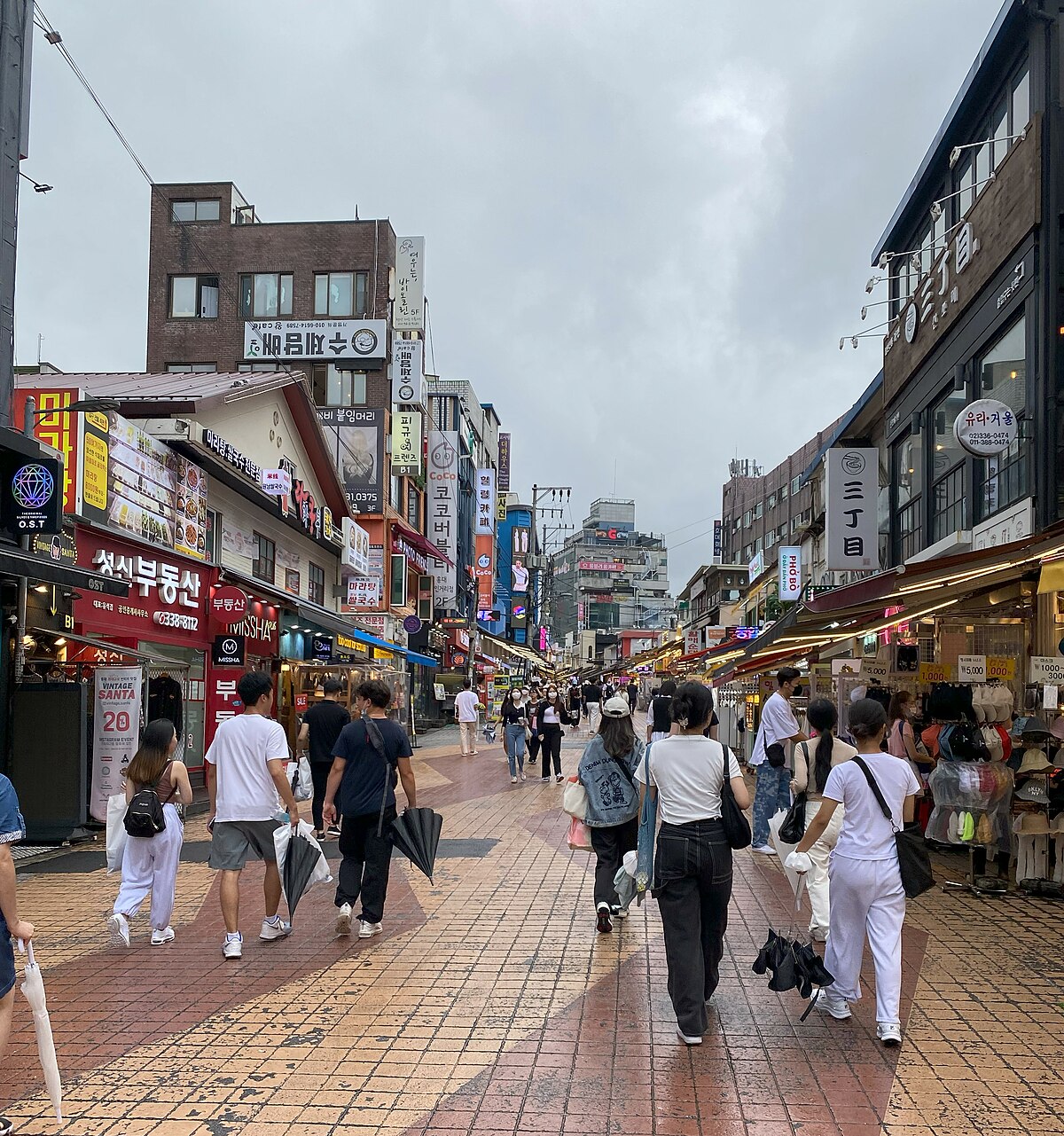
Hongdae: Seoul's Creative Youth Capital
Seoul's most vibrant arts and nightlife district, Hongdae pulses with indie music, street performances, quirky cafés, and the creative energy of Korea's top arts university.
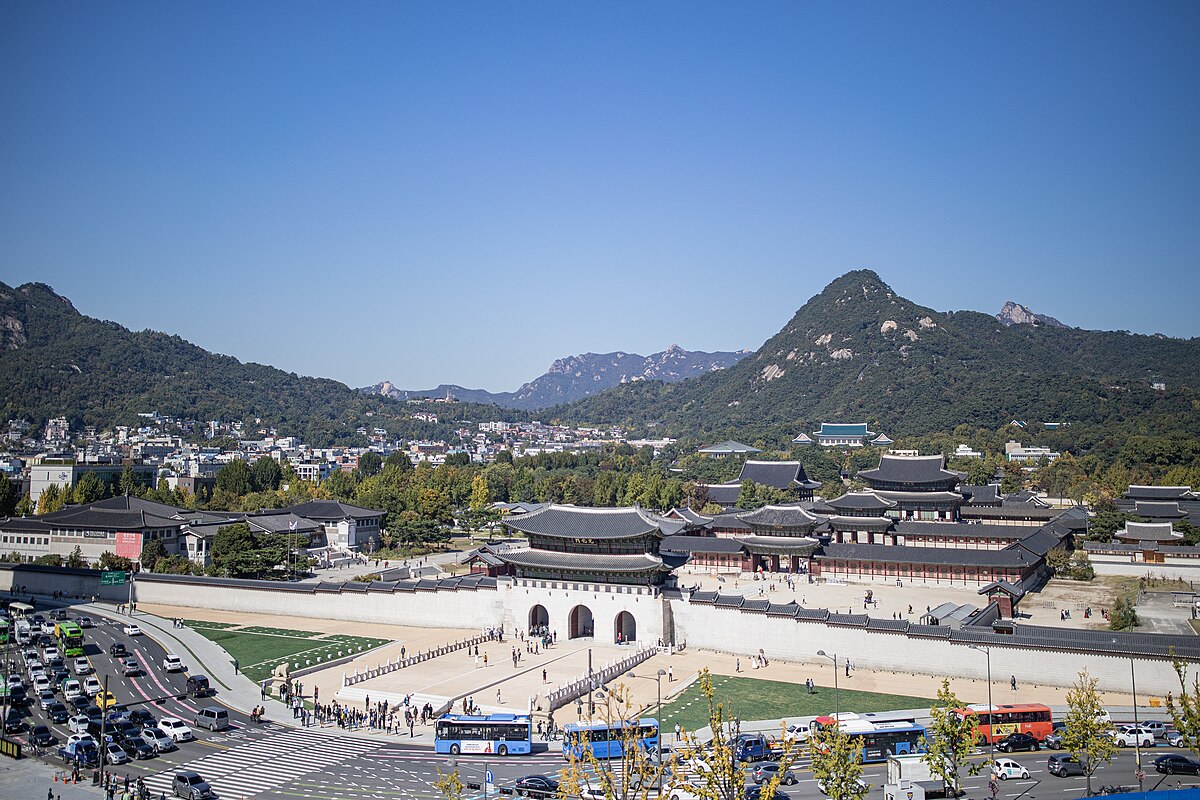
Gyeongbokgung: Seoul's Grand Joseon Palace
The largest and most magnificent of Seoul's Five Grand Palaces, Gyeongbokgung served as the heart of the Joseon Dynasty for over 500 years.