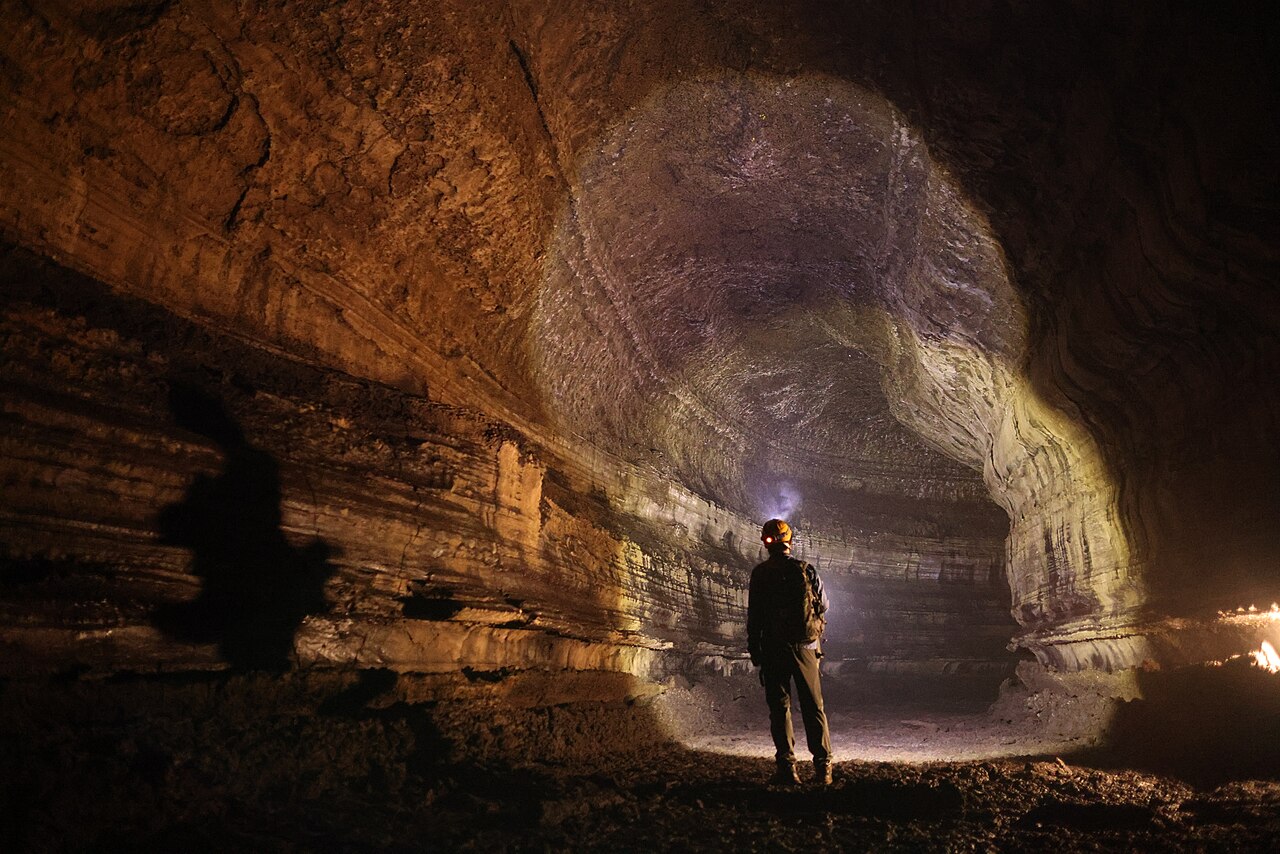
Manjanggul: One of the World's Longest Lava Tubes
A UNESCO World Heritage Site, Manjanggul is a 7.4km-long lava tube cave on Jeju Island featuring spectacular geological formations and a giant lava column.
Photo: Wikipedia Commons
What Is Manjanggul?
Manjanggul (만장굴) is one of the longest and most well-preserved lava tube systems in the world. Stretching approximately 7.4 kilometers in total length, with a maximum width of 23 meters and height of 30 meters, it is one of the largest lava tubes on Earth. Located in Jeju's Gujwa-eup, approximately 30 kilometers from Jeju City, it was formed between 100,000 and 300,000 years ago when Hallasan volcano was active and lava flowed to the sea. The tube was created when the outer surface of a lava flow cooled and hardened while molten rock continued to flow inside, eventually draining out and leaving the hollow tube behind. Manjanggul's exceptional preservation — its sealed environment has protected the interior from weathering for millennia — makes it extraordinarily valuable scientifically and visually spectacular for visitors. Of the 7.4km total length, only about 1km is open to the public (the third of three sections). This accessible section is itself an extraordinary geological treasure, lined with lava formations including lava stalactites, lava stalagmites, lava bridges, and most impressively, a 7.6-meter-high lava column at the end of the accessible section — the largest known lava column in the world.
History & Significance
While the cave has existed for hundreds of thousands of years, its modern significance begins with its discovery and exploration by Japanese researchers in 1946. Further exploration was conducted in the 1950s and 1960s, and the cave was opened to the public in 1971 after appropriate pathways were installed. Manjanggul is part of the Jeju Volcanic Island and Lava Tubes complex, which was designated a UNESCO World Heritage Site in 2007. The UNESCO committee specifically cited Manjanggul as an outstanding example of lava tube morphology and listed several unique features that make it exceptional at a global scale, including the pristine nature of the cave's interior and the quality of the lava formations. The cave also has ecological significance — it provides habitat for several endemic Jeju cave species including the Jeju cave beetle. The constant interior temperature of approximately 11°C year-round has preserved organic materials and provided a stable microenvironment for these unique organisms.
What to See & Do
Walking through the accessible section of Manjanggul is an otherworldly experience. The path descends into the earth and enters a vast, dark chamber where visitors follow an illuminated walkway through the ancient lava tube. The scale of the cave is humbling — the ceiling arches high overhead and the walls extend into darkness on both sides. Along the path, explanatory signs and displays explain the geological features. Look for lava stalactites hanging from the ceiling, formed when liquid lava dripped from the ceiling and hardened; the 'lava bench' — a ledge along the cave wall formed when the lava level dropped; and various ripple patterns and flow marks left by the ancient lava river. The highlight at the end of the accessible path is the 7.6-meter lava column — created when a stalactite dripping from above met a stalagmite growing from below and they fused. This column is record-breaking and truly impressive in scale. A photography area near the column allows for good photos with adequate lighting.
- ·Walk the 1km accessible section of the lava tube for a complete geological experience
- ·Photograph the world-record 7.6-meter lava column at the far end of the path
- ·Look for the different types of lava formations — stalactites, stalagmites, benches, and ripple marks
- ·Note the consistent 11°C temperature — bring a layer regardless of outside weather
- ·Combine with nearby Gimnyeonggul cave for a comprehensive Jeju lava tube experience
Visitor Tips
Manjanggul is open daily from 9 AM to 6 PM (last entry 5:10 PM), closed on the first Wednesday of every month. Admission is 4,000 KRW for adults. The cave maintains a year-round temperature of about 11°C — bring a light jacket even in summer, as the contrast from hot Jeju summers can feel quite cold. The cave is accessed via bus from Jeju City (Bus 810 or 970) or by rental car/scooter, which is the recommended way to explore Jeju's northern coast. The path inside the cave requires stepping over some uneven terrain and ducking in places where the ceiling is low. The cave is generally accessible for most visitors but is not wheelchair accessible due to the uneven rocky floor. Photography is permitted throughout. Allow approximately 1-1.5 hours for the cave visit including the walk in and back.
Tips
- 💡Bring a light jacket — the cave is 11°C year-round, refreshing in summer but cold if you're not prepared
- 💡Wear sturdy shoes with good grip as the cave floor is uneven rock
- 💡Visit on a weekday for a quieter, more atmospheric experience in the cave
Last updated: March 30, 2026
You might also like
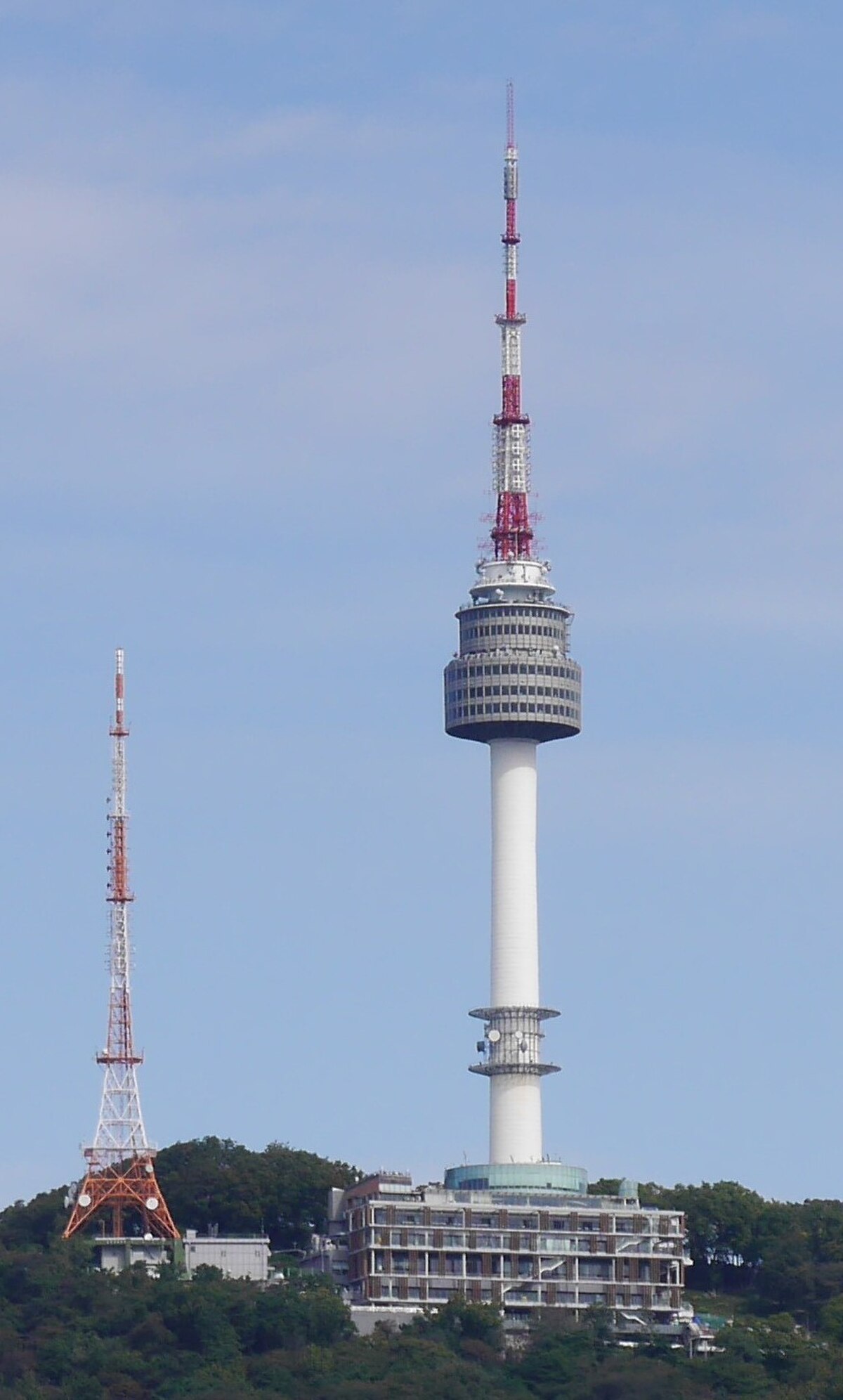
N Seoul Tower: Seoul's Most Iconic Landmark
Perched atop Namsan mountain, N Seoul Tower offers breathtaking 360-degree views of the city and has become a beloved symbol of Seoul's modern romance.
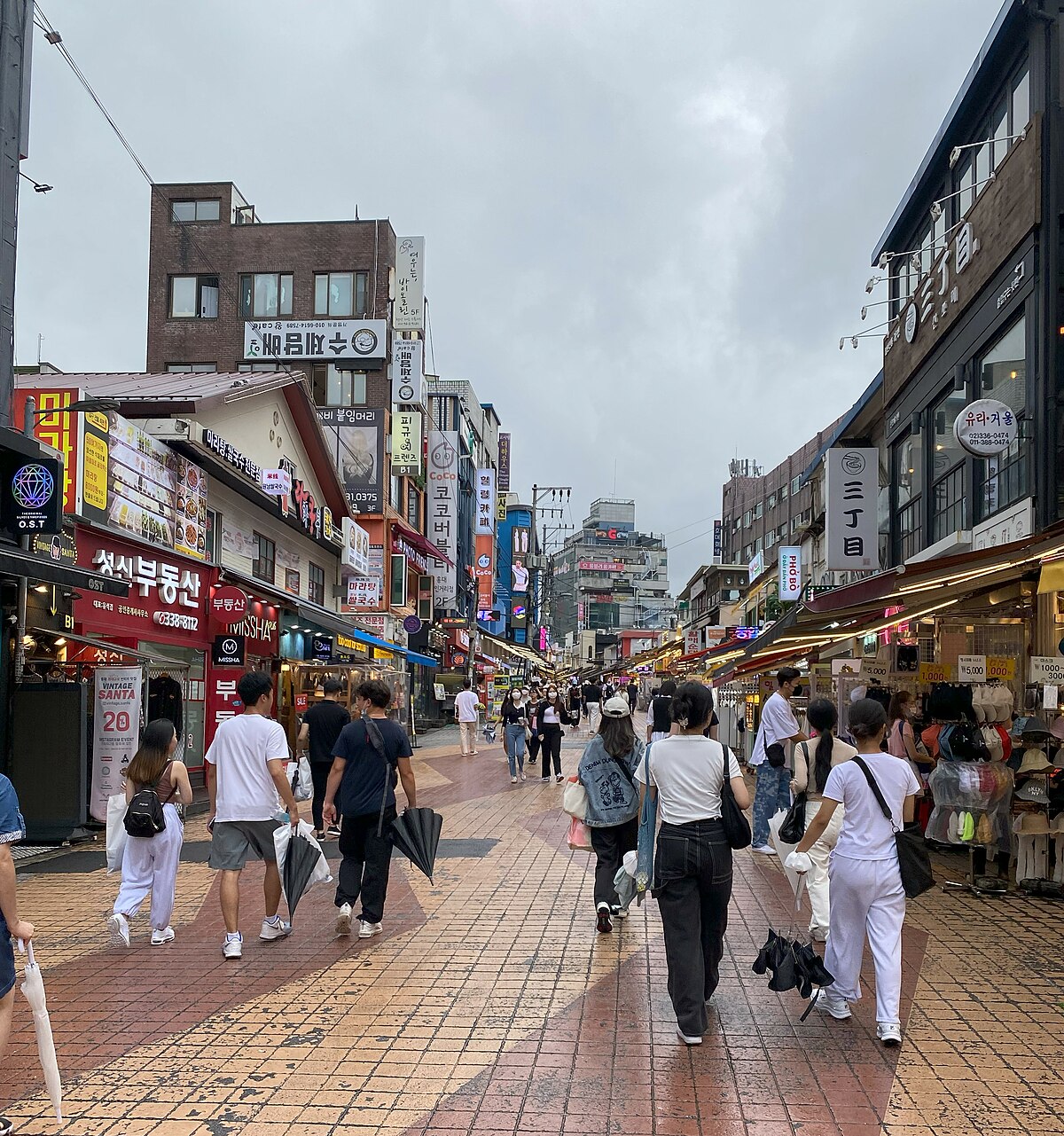
Hongdae: Seoul's Creative Youth Capital
Seoul's most vibrant arts and nightlife district, Hongdae pulses with indie music, street performances, quirky cafés, and the creative energy of Korea's top arts university.
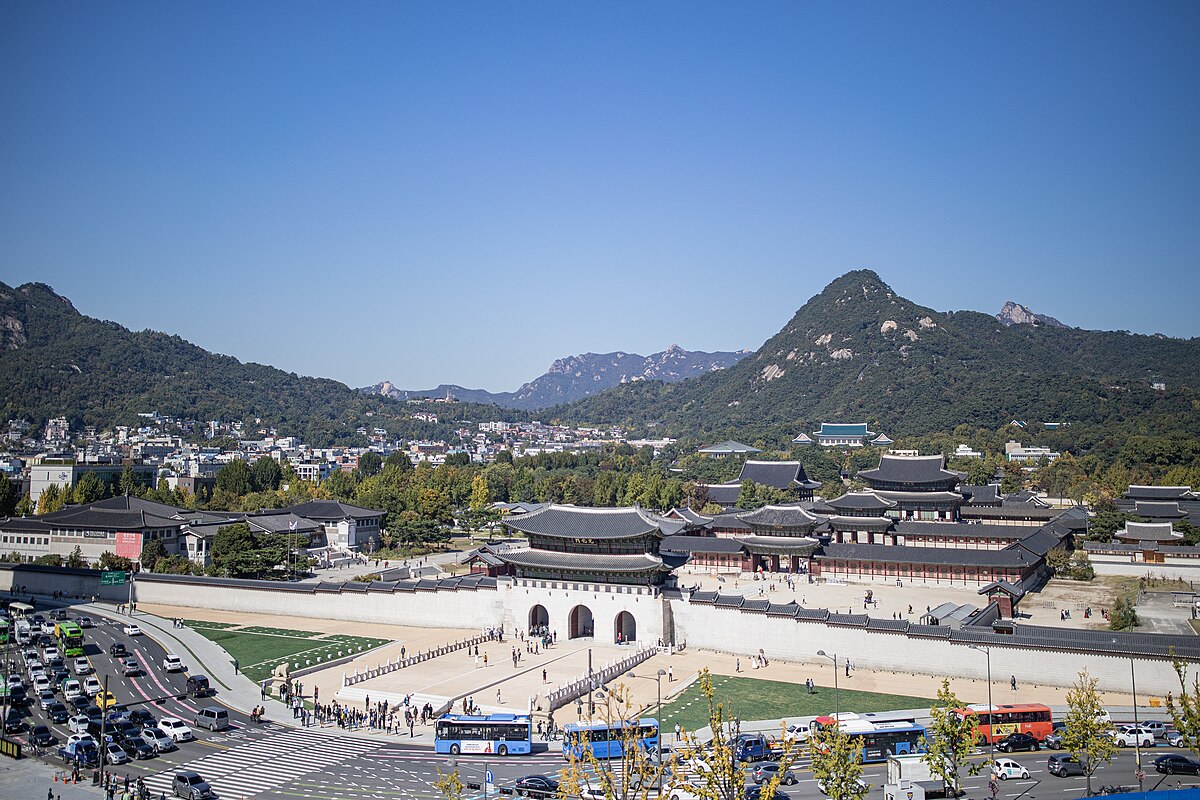
Gyeongbokgung: Seoul's Grand Joseon Palace
The largest and most magnificent of Seoul's Five Grand Palaces, Gyeongbokgung served as the heart of the Joseon Dynasty for over 500 years.