Mujangpo Beach: Korea's Moses Miracle Tidal Parting
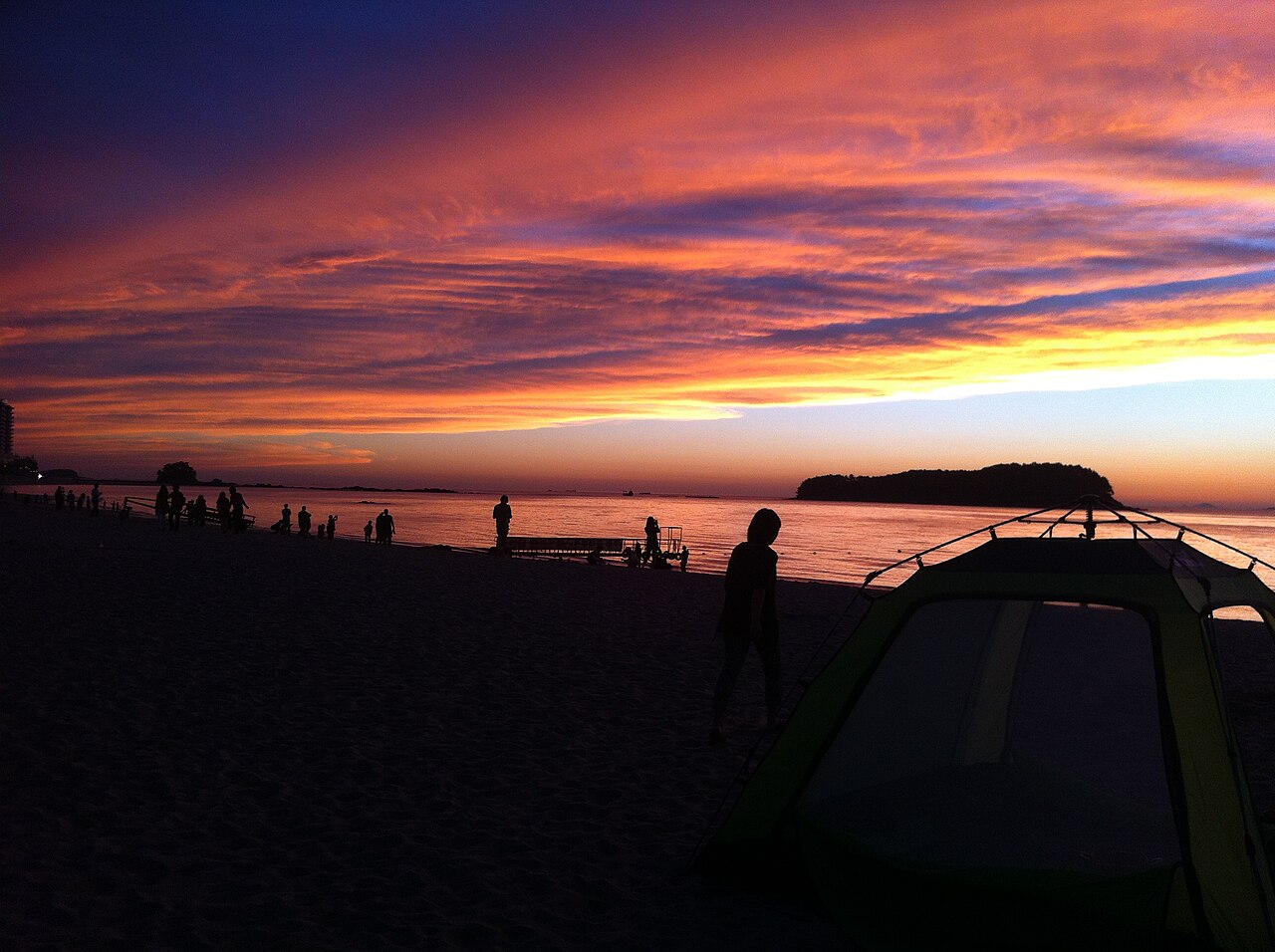
Mujangpo Beach near Boryeong is famous for its dramatic tidal parting phenomenon — when low tide recedes to its extreme, a 1.5-kilometre land bridge emerges connecting the mainland to the offshore island of Seokdaedo, a natural spectacle Koreans call "the Moses miracle."
Photo: Wikipedia Commons
What Is Mujangpo Beach?
Mujangpo Beach (무창포해수욕장) is a curved sandy beach on the Yellow Sea coast of Boryeong, South Chungcheong Province, approximately 20 kilometres south of Daecheon Beach. The beach itself is pleasant and relatively uncrowded, but its fame rests almost entirely on a geological quirk of the surrounding shallow tidal flats: at extreme low tides during spring tidal cycles, the seabed between the beach and the small island of Seokdaedo (석대도) emerges above water, creating a walkable stone and sand path across the sea floor roughly 1.5 kilometres long.
History & Significance
The tidal parting at Mujangpo has been documented since the Joseon period but gained wide public attention in the 1990s when Korean media began reporting it as Korea's own "Moses miracle" — a reference to the biblical parting of the Red Sea. The comparison caught the imagination of the Korean public and tourism to the beach surged. The phenomenon occurs approximately 12 to 15 times per year when lunar cycles produce extreme spring tides; local authorities publish precise tidal calendars in advance. Similar tidal partings exist at Jindo and Muuido but Mujangpo's is among the most accessible from Seoul.
What to See & Do
When the path opens, visitors walk across the sea floor in wellies or bare feet, collecting shellfish from the exposed tidal flat and exploring the small island, which has a lighthouse and basic walking trails. A community festival accompanies each major tidal parting event, with musicians, food stalls, and communal shellfish cooking. Outside tidal parting events, the beach offers calm swimming, clam digging in the flats, and fresh West Sea seafood at the beachside restaurants.
Visitor Tips
Tidal calendars for the year are published by Boryeong City and Mujangpo Beach operators in January — plan your visit by these dates. Wear waterproof shoes you can get wet as the path is muddy and the crossing passes through shallow rock pools. Mujangpo is served by local bus from Boryeong Bus Terminal.
Tips
- 💡Check the annual tidal calendar published by Boryeong City to plan your visit around a parting event.
- 💡Bring a bucket and small rake for clam digging on the exposed tidal flat — tools are also rented on site.
- 💡The path opens for approximately 1–2 hours at maximum low tide — do not linger as the sea returns quickly.
Last updated: April 1, 2026
You might also like
N Seoul Tower: Seoul's Most Iconic Landmark
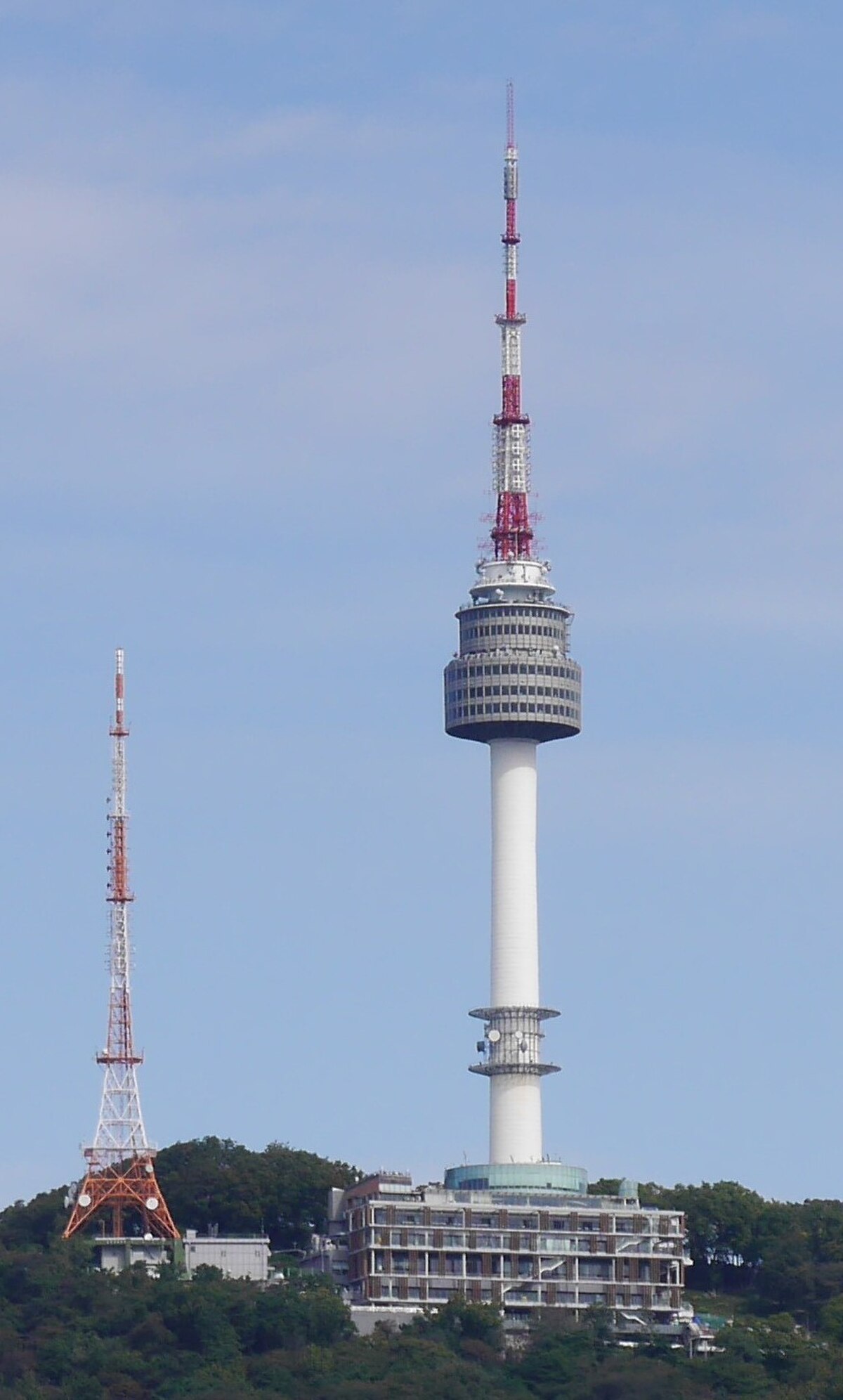
Perched atop Namsan mountain, N Seoul Tower offers breathtaking 360-degree views of the city and has become a beloved symbol of Seoul's modern romance.
Hongdae: Seoul's Creative Youth Capital
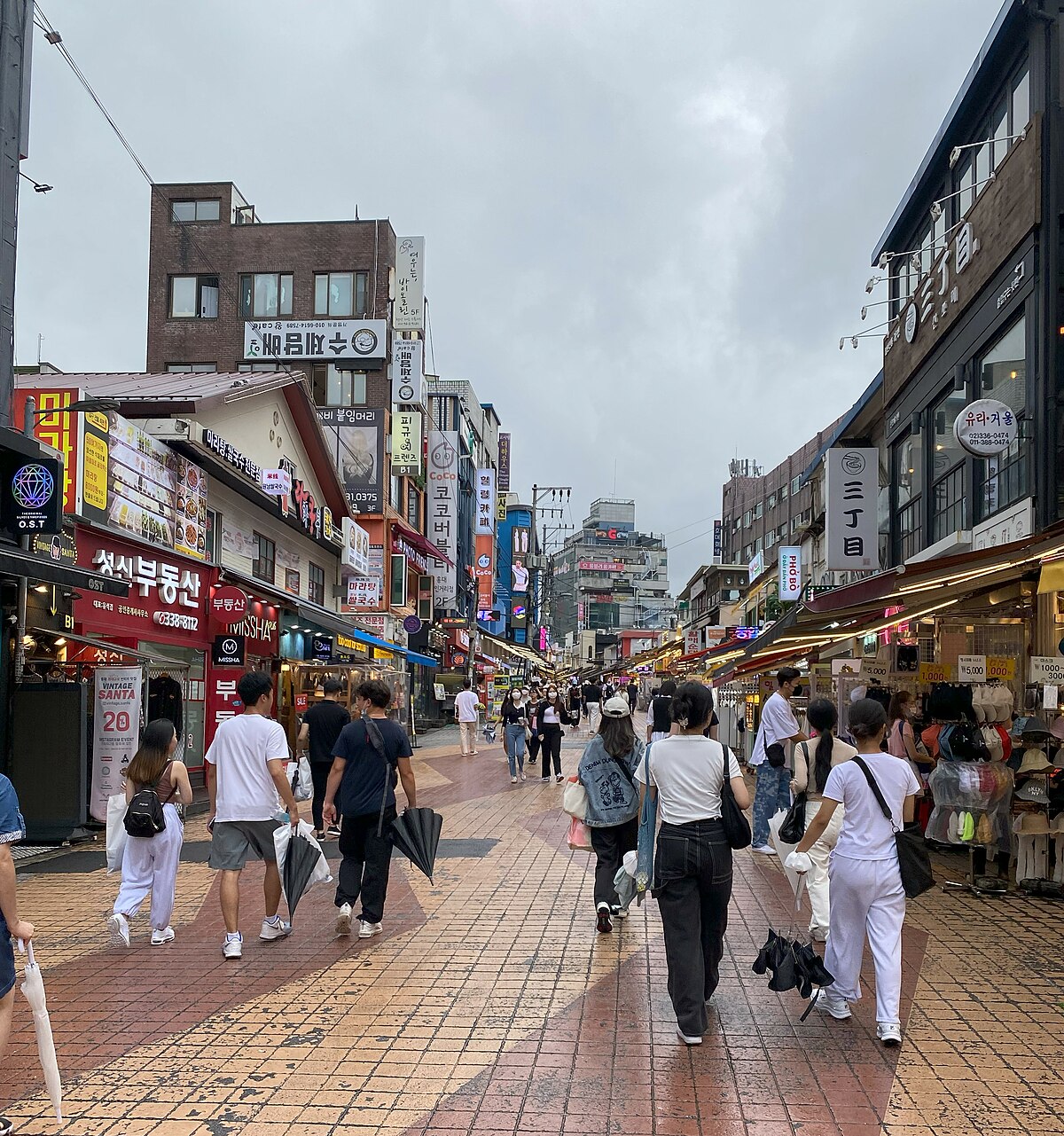
Seoul's most vibrant arts and nightlife district, Hongdae pulses with indie music, street performances, quirky cafés, and the creative energy of Korea's top arts university.
Gyeongbokgung: Seoul's Grand Joseon Palace
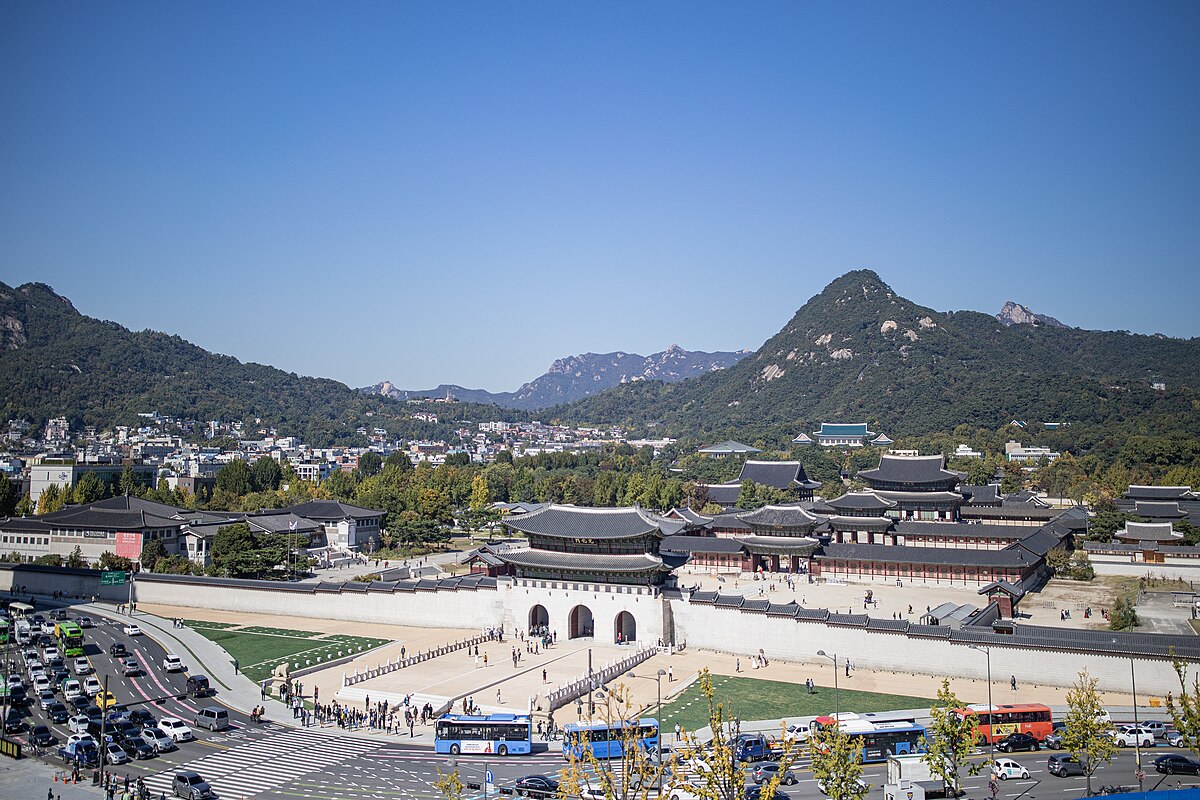
The largest and most magnificent of Seoul's Five Grand Palaces, Gyeongbokgung served as the heart of the Joseon Dynasty for over 500 years.