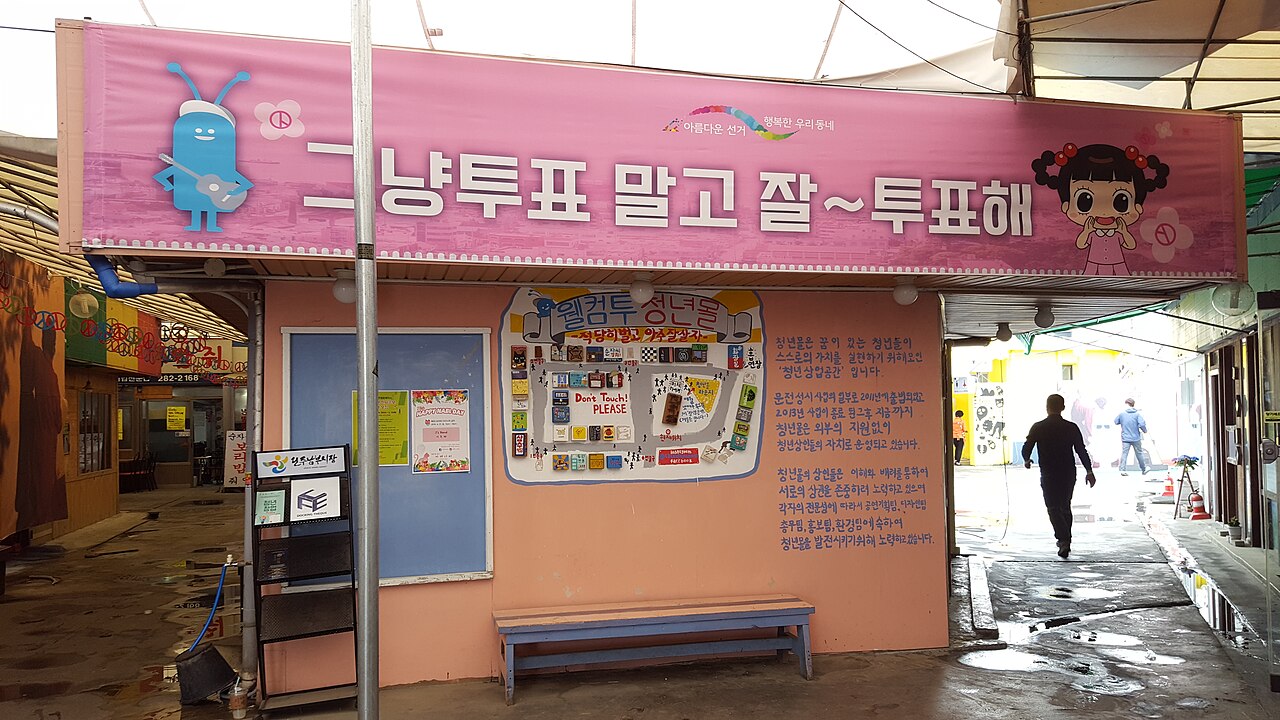
Jeonju Nambu Market Night Market: Alleys Come Alive
Running every Friday and Saturday evening, Jeonju's Nambu Market Night Market transforms a century-old indoor market into a festival of street food, craft vendors, and live music — beloved by locals and visitors alike.
Photo: Wikipedia Commons
What Is Nambu Market Night Market?
Jeonju Nambu Market (남부시장) is one of the oldest traditional markets in Jeonju, with roots dating back over 100 years. During the day it operates as a standard covered market selling fresh produce, dried goods, and everyday goods used by local residents. On Friday and Saturday evenings from April through October, it transforms into a vibrant night market where the interior alleys fill with food stalls, artisan craft vendors, and live musicians. The event is called the Cheongnyeon Moru Jeonju Night Market (청년 몰 야시장) and was launched as part of a young-entrepreneur initiative that revitalised the traditional market space.
History & Significance
Traditional markets (시장, sijang) have been central to Korean social and economic life for centuries. Jeonju's Nambu Market was established during the early 20th century and grew as a hub for agricultural produce from the surrounding Jeollabuk-do region. As large supermarkets and online shopping eroded traditional market traffic, many Korean cities launched efforts to revitalise these historic commercial spaces. Jeonju's night market initiative, launched around 2012, became a national model for how traditional markets could be reinvented — by creating an event destination that attracted young people, tourists, and locals rather than just shoppers. The market's success contributed to Jeonju's reputation as a city that takes cultural experience seriously.
What to See & Do
Arrive at 6pm when vendors are setting up and the atmosphere is building — by 8pm the alley is at full energy. The food selection covers Jeonju specialities (pajeon, bibimbap variations, makgeolli) alongside more experimental street food like fusion tteok and Korean-style crepes. Young artisan vendors sell handmade jewellery, ceramics, illustrated goods, and clothing from small stalls. Live performances — folk music, indie bands, sometimes traditional samulnori percussion — happen throughout the evening. The combination of low lantern light, the smell of frying foods, and the casual social atmosphere creates one of the most characteristically Korean evening experiences available in the city.
Visitor Tips
The night market runs on Fridays and Saturdays from approximately April to October, typically from 6pm to 11pm. Arriving at 6–7pm means shorter queues at popular stalls and more interaction with vendors setting up. Come genuinely hungry — the portions are designed for grazing across multiple stalls rather than a single large meal. Cash is still preferred by many vendors, though card readers are increasingly common. The market is adjacent to Jeonju Hanok Village (10-minute walk) so it pairs well with a daytime village exploration followed by an evening at the night market. Rainy evenings actually work well since most of the market is under the covered market roof.
Tips
- 💡Arrive at 6pm when vendors set up — locals say the pajeon (green onion pancakes) here are the best in the city.
- 💡Cash is preferred by many stalls; bring some won in small denominations.
- 💡Pairs perfectly with a daytime Jeonju Hanok Village walk — end the day here after dark.
Last updated: April 1, 2026
You might also like
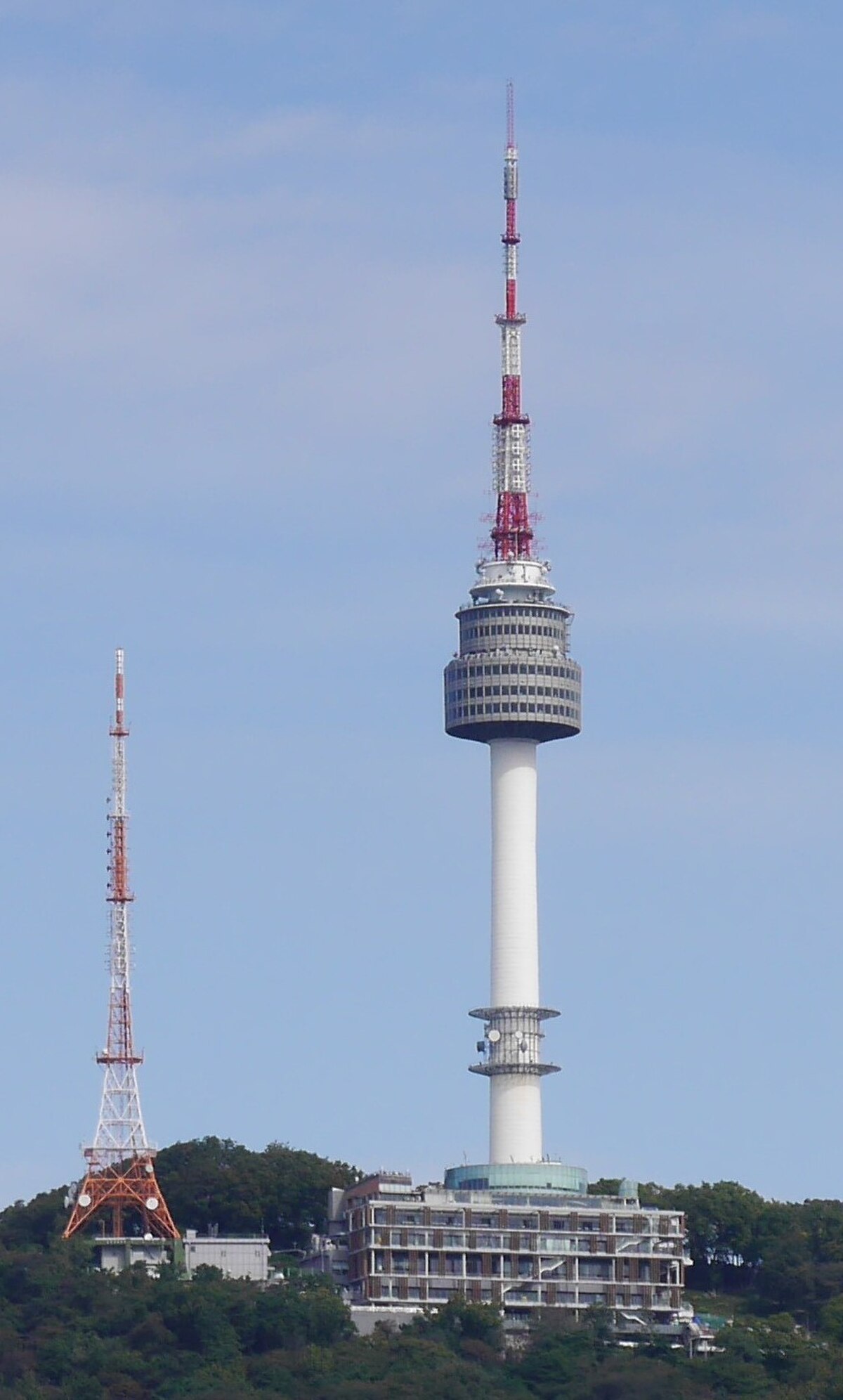
N Seoul Tower: Seoul's Most Iconic Landmark
Perched atop Namsan mountain, N Seoul Tower offers breathtaking 360-degree views of the city and has become a beloved symbol of Seoul's modern romance.
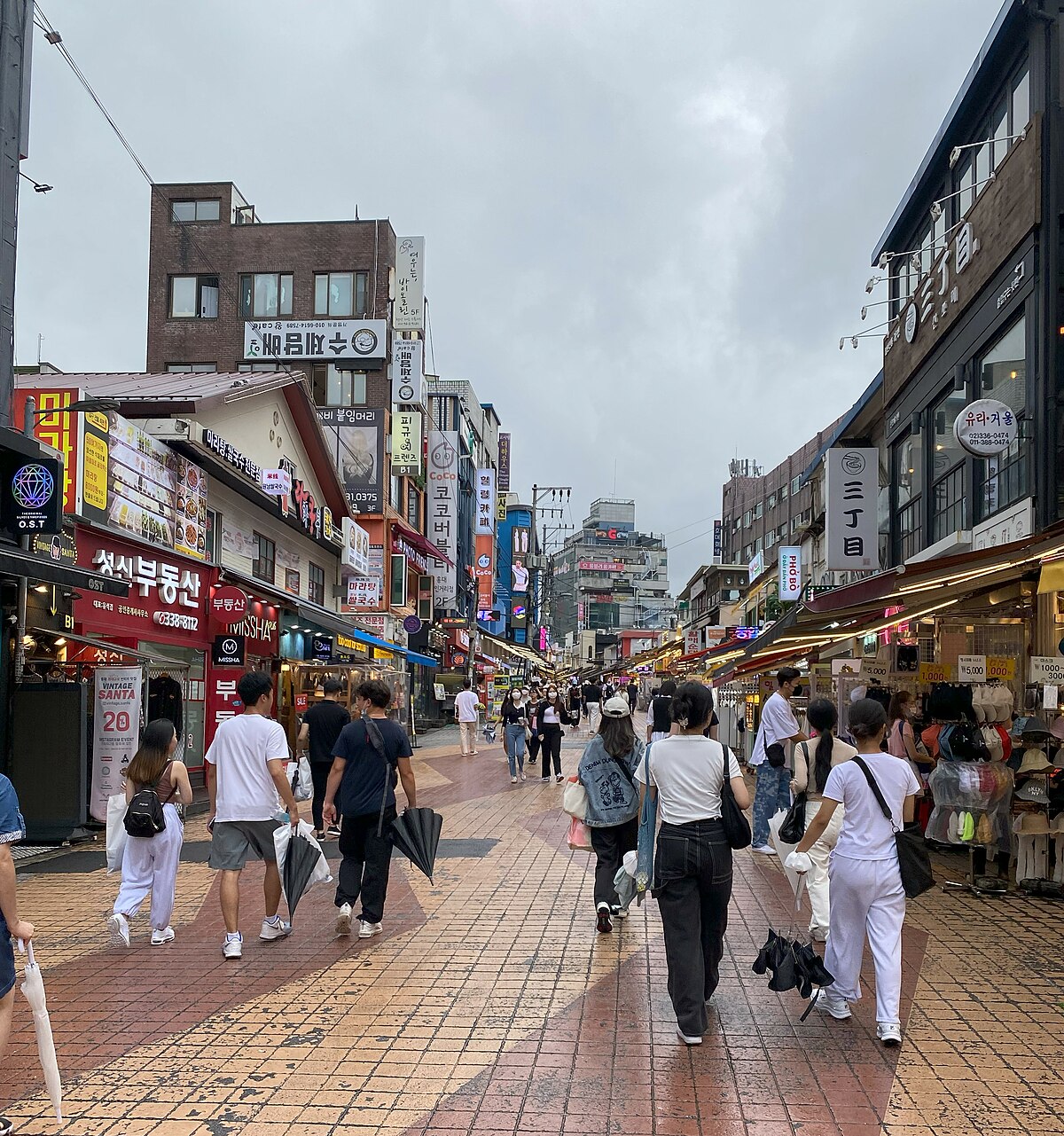
Hongdae: Seoul's Creative Youth Capital
Seoul's most vibrant arts and nightlife district, Hongdae pulses with indie music, street performances, quirky cafés, and the creative energy of Korea's top arts university.
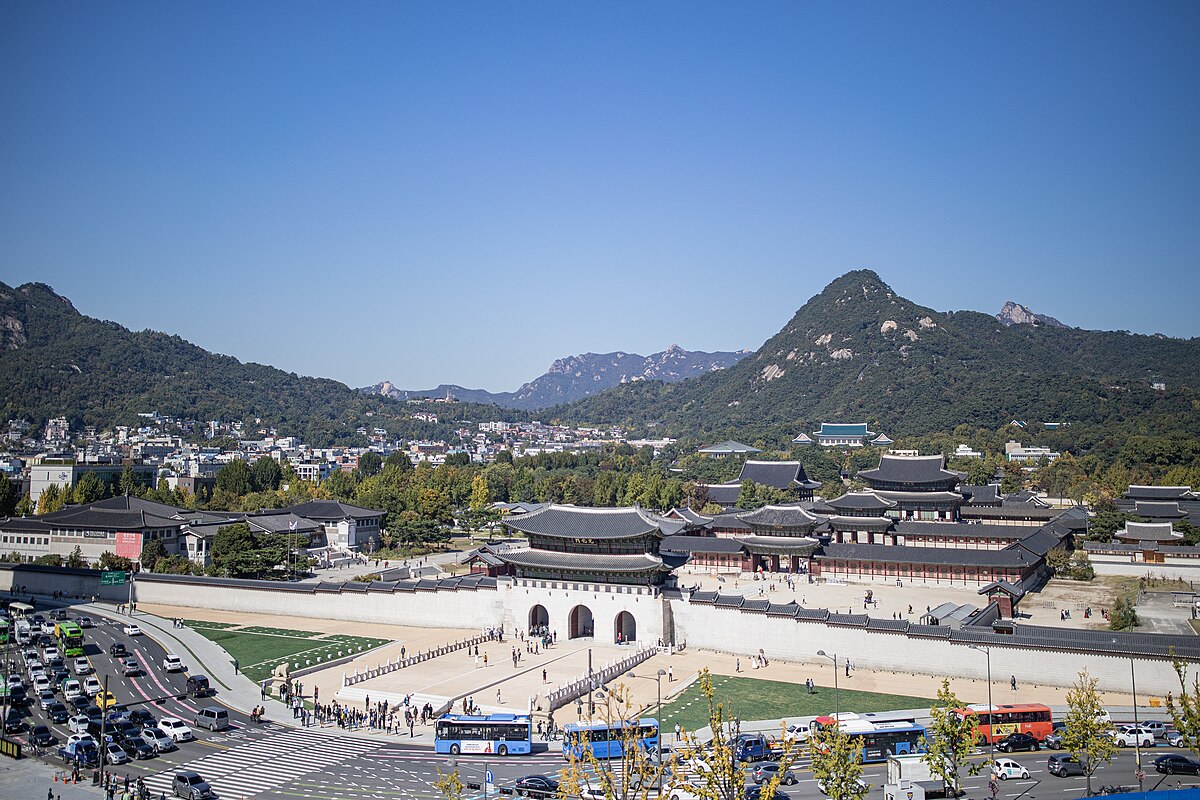
Gyeongbokgung: Seoul's Grand Joseon Palace
The largest and most magnificent of Seoul's Five Grand Palaces, Gyeongbokgung served as the heart of the Joseon Dynasty for over 500 years.