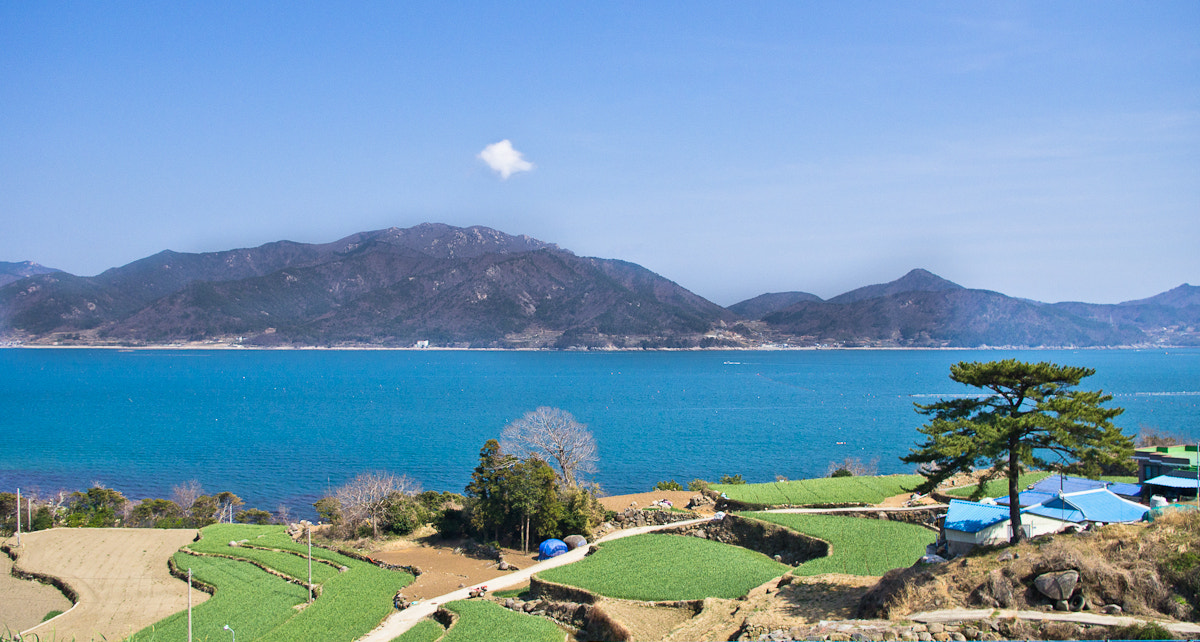
Namhae Garlic Fields: Terraced Farming on a Southern Island
The terraced garlic fields of Namhae Island are among the most visually striking agricultural landscapes in Korea, cascading down hillsides toward the South Sea in geometric tiers that turn luminous green in spring and are harvested by hand in the traditional way each June.
Photo: Wikipedia Commons
What Are the Namhae Garlic Fields?
Namhae Island's terraced garlic fields (남해마늘밭) are a network of small hillside farms that have been cultivated for centuries by island communities using hand-built stone retaining walls to create level planting terraces on steep south-facing slopes. The island's mild climate — moderated by the warm South Sea — and its mineral-rich volcanic soil produce garlic with a distinct sweetness and pungency prized across Korea. The fields are concentrated in the Changseon and Seolcheon areas, where the stepped terraces create a visual staircase running from the ridgelines down to the sea.
History & Significance
Namhae garlic has been cultivated since at least the early Joseon period and appears in historical records as a tribute product sent to the royal court. The island's isolation — it was accessible only by boat until a bridge was built in 1973 — preserved traditional farming methods that have been lost elsewhere in Korea. The terracing technique used on Namhae is similar to that found in Bali and the Yunnan province of China, and agricultural historians have used it to study the diffusion of terrace farming across East Asia. Namhae garlic now carries a geographical indication certification from the Korean government.
What to See & Do
The fields are most spectacular from late March to May when the garlic plants form a dense green carpet across the terraces, and again in late May to early June when the scapes (flower stalks) curl dramatically before harvest. Several farms welcome visitors to participate in the manual harvest in June — an experience involving communal work and shared meals. The Namhae Garlic Festival held in late June celebrates the harvest with cooking competitions, garlic product markets, and traditional farming performances.
Visitor Tips
The best photographic viewpoints are on the hillside above Changseon village, accessible via a short unmarked track from the main road. Garlic products — braided strings, black garlic, and garlic-infused oil — are sold at farm stalls and the local cooperative at significantly lower prices than in supermarkets. The fields are accessible by local bus from Namhae town, with a 10-minute walk to the main terrace area.
Tips
- 💡Late May is the best time for dramatic scape photography before the harvest removes them.
- 💡Buy braided garlic directly from farmers at the cooperative for the best price and quality.
- 💡The Garlic Festival in late June lets visitors join the communal harvest — sign up early through Namhae tourism.
Last updated: April 1, 2026
You might also like
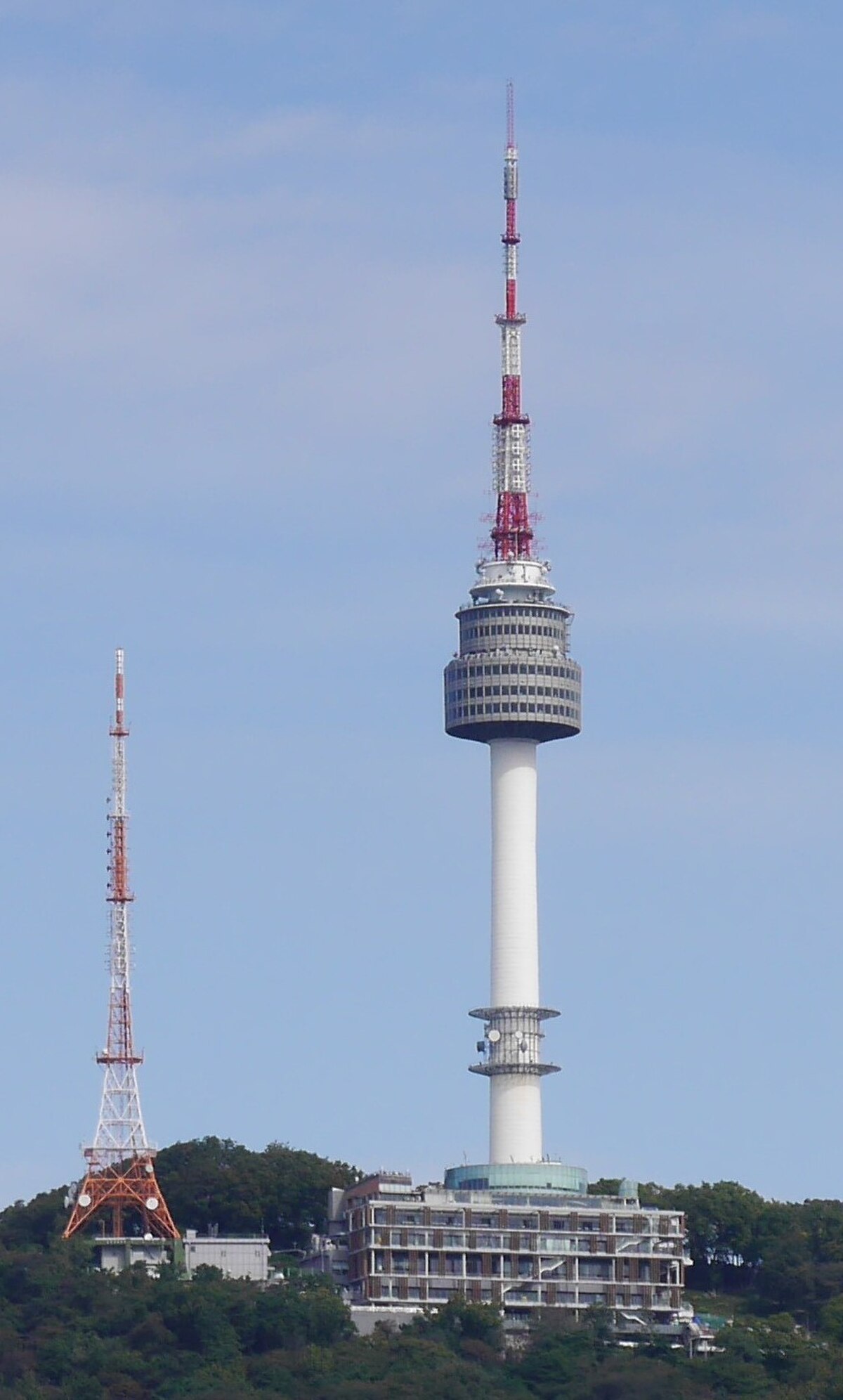
N Seoul Tower: Seoul's Most Iconic Landmark
Perched atop Namsan mountain, N Seoul Tower offers breathtaking 360-degree views of the city and has become a beloved symbol of Seoul's modern romance.
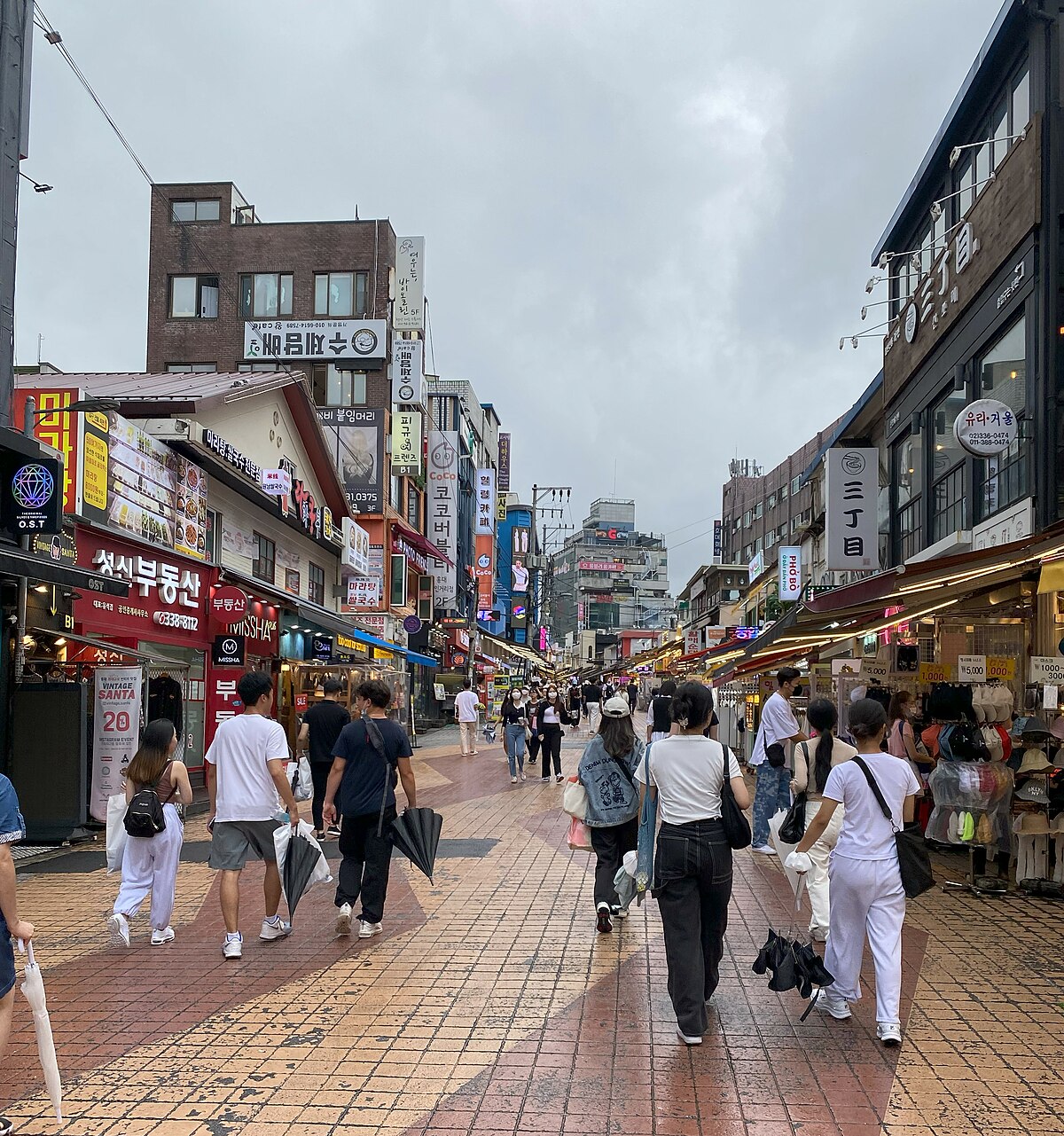
Hongdae: Seoul's Creative Youth Capital
Seoul's most vibrant arts and nightlife district, Hongdae pulses with indie music, street performances, quirky cafés, and the creative energy of Korea's top arts university.
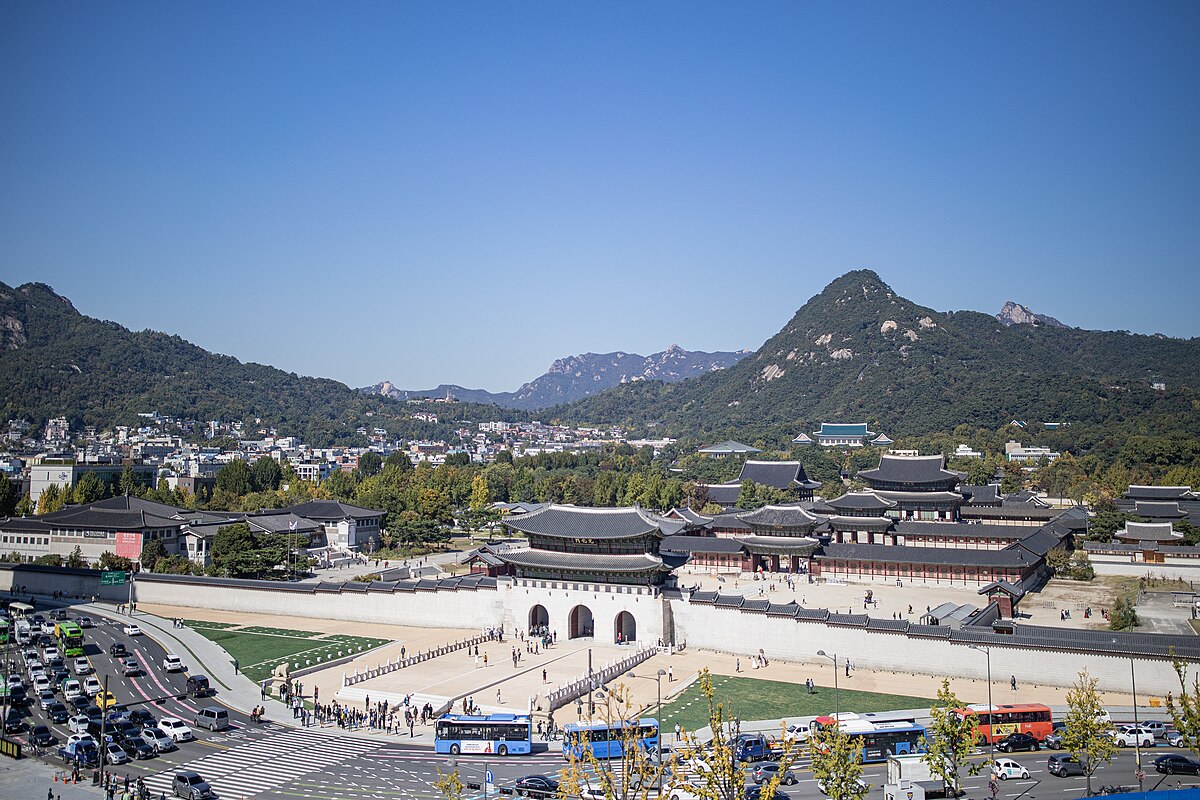
Gyeongbokgung: Seoul's Grand Joseon Palace
The largest and most magnificent of Seoul's Five Grand Palaces, Gyeongbokgung served as the heart of the Joseon Dynasty for over 500 years.