
Nami Island: Korea's Romantic Tree-Lined Island Escape
A semi-moon-shaped river island in Gapyeong, Nami Island is famous throughout Asia for its breathtaking tree-lined avenues, seasonal beauty, and connection to the iconic K-drama Winter Sonata.
Photo: Wikipedia Commons
What Is Nami Island?
Nami Island (남이섬), officially Naminara Republic, is a small half-moon-shaped island in the North Han River in Gapyeong County, Gyeonggi Province, about 75 kilometers northeast of Seoul. The island measures approximately 430,000 square meters and is operated as a unique cultural and natural park with a playful 'country' theme — it has its own flag, passport stamps, and 'currency' (Naminara won), embracing its identity as an imaginative destination outside the ordinary. The island takes its name from General Nami, a young military hero of the early Joseon Dynasty, who was executed at age 28 and is said to be buried here (though the tomb on the island is a cenotaph). Today the island is a meticulously managed landscape featuring enormous tree-lined avenues, manicured gardens, outdoor sculpture installations, cafés, restaurants, and cultural spaces — all maintained with a high aesthetic standard that distinguishes it from typical tourist parks. Nami Island is famous throughout Asia primarily because of the 2002 Korean drama 'Winter Sonata' (겨울연가), a massively successful K-drama starring Bae Yong-joon and Choi Ji-woo that was filmed partly on the island. The drama's enormous popularity, especially in Japan, China, and Southeast Asia, transformed Nami Island into one of Korea's most recognizable destinations for international visitors.
History & Significance
The island as a modern destination owes its existence to the construction of Cheongpyeong Dam in 1944, which flooded the surrounding area and turned what had been a riverside hilltop into an island. In the 1960s and 1970s, the island was developed as a picnic and camping area for Koreans, and systematic tree planting began — creating the enormous metasequoia, ginkgo, and chestnut avenues that are the island's defining visual feature today. The decisive moment in Nami Island's transformation came with the filming of Winter Sonata in 2001-2002. The drama featured extended scenes on the island's iconic tree-lined paths in winter, with snow-covered metasequoia creating the romantic backdrop for one of K-drama's most celebrated love stories. When the drama became a cultural phenomenon in Japan — triggering the first major wave of Korean Wave (Hallyu) tourism — Nami Island was suddenly on the itinerary of tourists traveling specifically from Japan to see the filming locations. The current management, which took over in 2006, redesigned the island as an art and culture park — the 'Naminara Republic' concept — with significant investment in landscaping, public art, and guest experience. This elevated approach distinguished Nami Island from ordinary tourist sites and helped it maintain appeal beyond the initial K-drama pilgrimage traffic.
What to See & Do
The island's tree-lined avenues are the main attraction and are spectacular in every season: the metasequoia avenue in winter snow, ginkgo avenues in autumn gold, cherry blossom trees in spring, and lush green canopies in summer. Walking slowly along these avenues, with their cathedral-like arches of branches, is genuinely beautiful and unlike anything else in Korea. The island contains numerous art installations, including a forest of paintings, sculpture gardens, and whimsical decorations throughout the natural landscape. Several cafés and restaurants with distinctive design are scattered around the island, including ones built in trees and others with beautiful views of the surrounding river. For families, the island has bicycle rentals, ostrich (walking alongside the famous ostriches that roam freely), and children's play areas. Various cultural performances and events take place on weekends. Zip-line riders can arrive to the island over the river on a 940-meter zip-line from the opposite shore — a dramatic entrance by any standard.
- ·Walk the metasequoia and ginkgo avenues slowly in every season — each offers different beauty
- ·Arrive by zip-line from the mainland for a dramatic and thrilling entrance to the island
- ·Visit in November for the peak autumn foliage along the iconic tree avenues
- ·Find the Winter Sonata filming locations for K-drama fans and memory-lane moments
- ·Cycle around the island for a relaxed exploration — rentals are available on the island
Visitor Tips
Nami Island is accessible by ferry from Gapyeong Wharf (10-minute crossing, ferries run frequently). Round-trip ferry fare and admission is approximately 16,000 KRW for adults. The island is also accessible by zip-line from the Gapyeong area (separate fee, approximately 35,000-55,000 KRW). From Seoul, take the ITX-Cheongchun train from Cheongnyangni or Sangbong Station to Gapyeong Station (approximately 70-80 minutes), then a local bus or taxi to the ferry dock. Nami Island combines naturally with a visit to the nearby Garden of Morning Calm — both are in the Gapyeong area and a combined day trip is a popular and rewarding itinerary. Weekends and Korean national holidays can be very crowded; weekday visits are far more relaxed. The island charges admission regardless of weather, so it's worth checking forecasts.
Tips
- 💡November autumn foliage is the most spectacular season — the ginkgo avenue turns pure gold
- 💡Combine with Garden of Morning Calm in Gapyeong for a full day's beautiful scenery
- 💡Arrive by zip-line for the most memorable entrance — book in advance on weekends
Last updated: March 30, 2026
You might also like
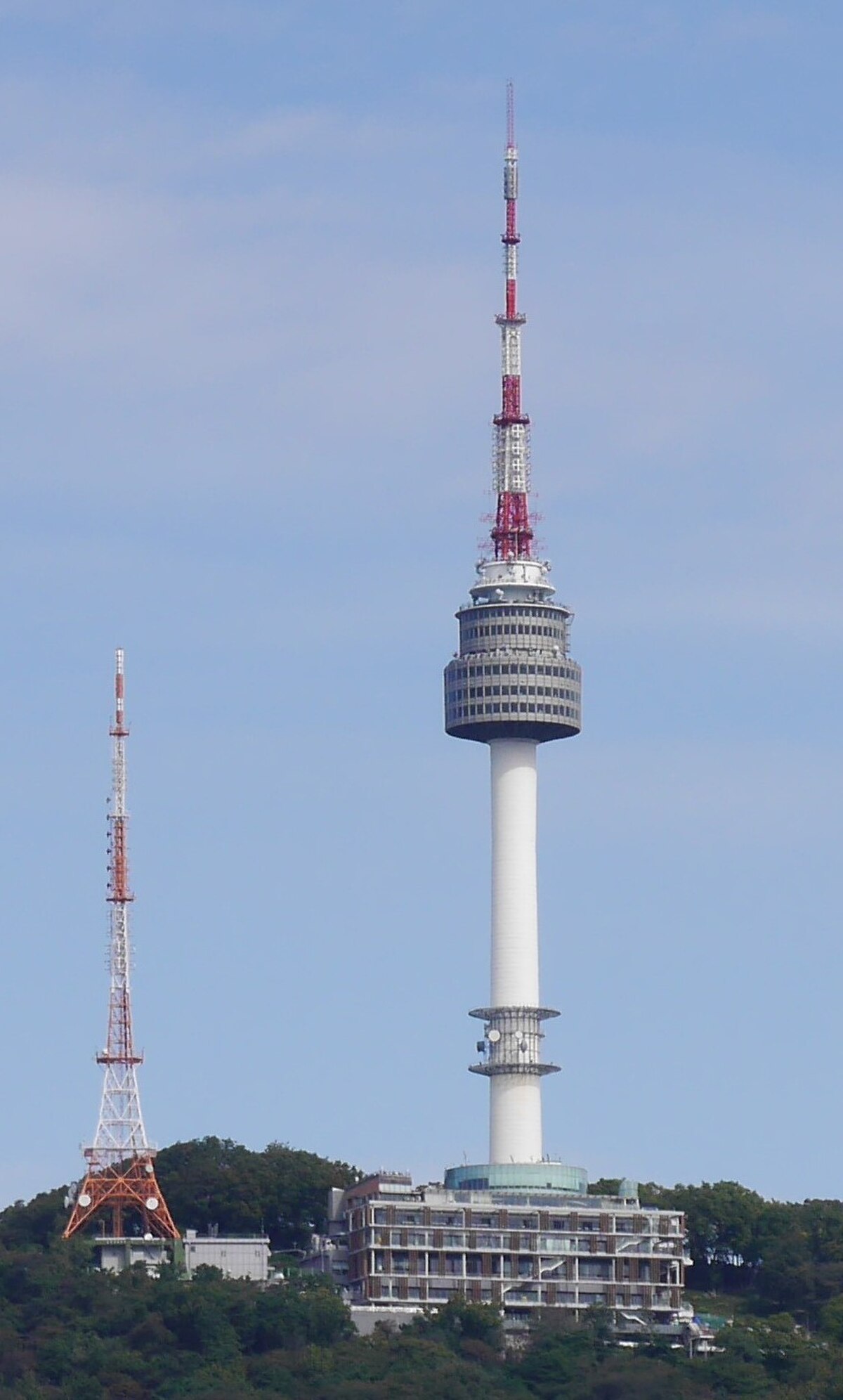
N Seoul Tower: Seoul's Most Iconic Landmark
Perched atop Namsan mountain, N Seoul Tower offers breathtaking 360-degree views of the city and has become a beloved symbol of Seoul's modern romance.
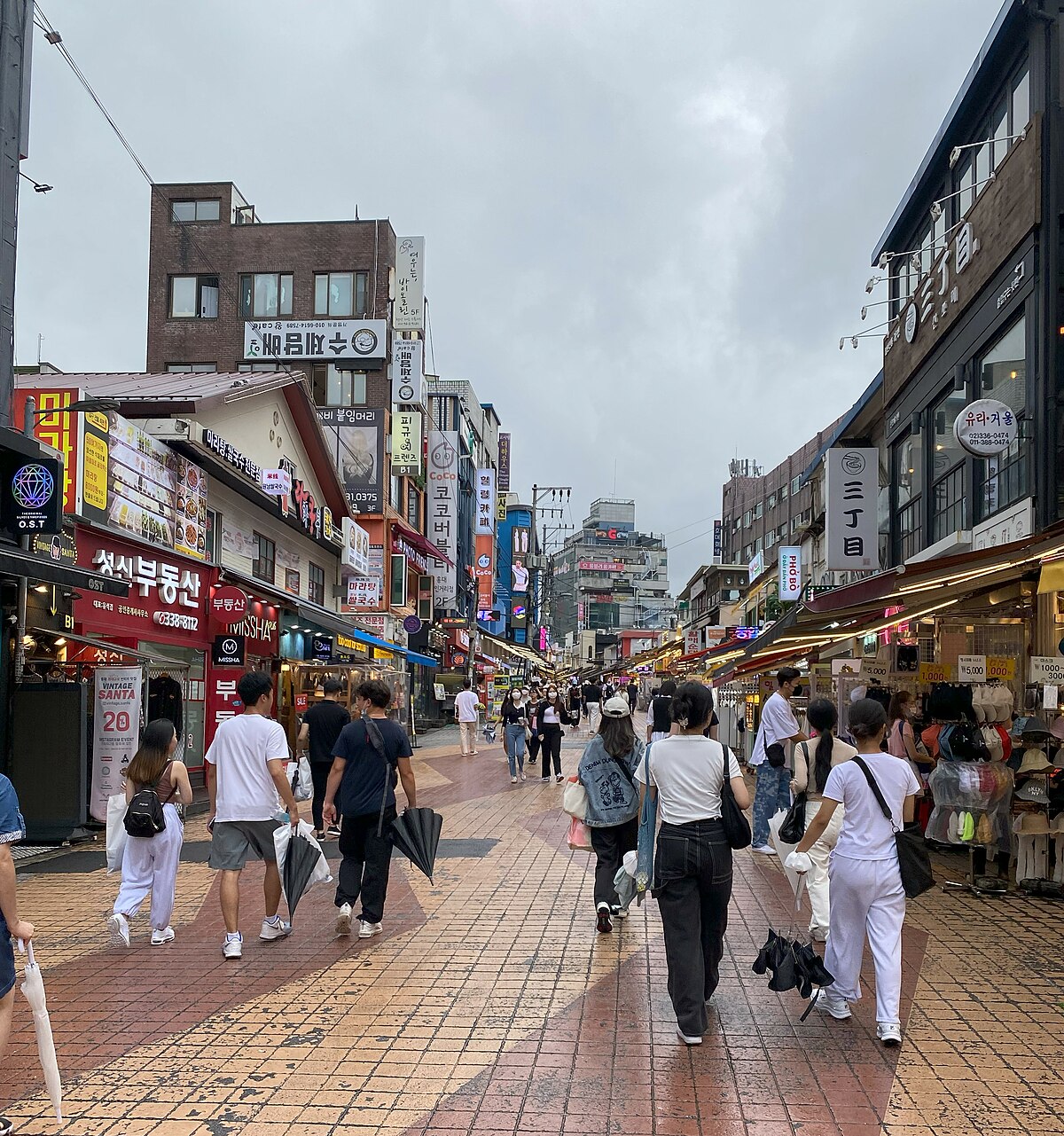
Hongdae: Seoul's Creative Youth Capital
Seoul's most vibrant arts and nightlife district, Hongdae pulses with indie music, street performances, quirky cafés, and the creative energy of Korea's top arts university.
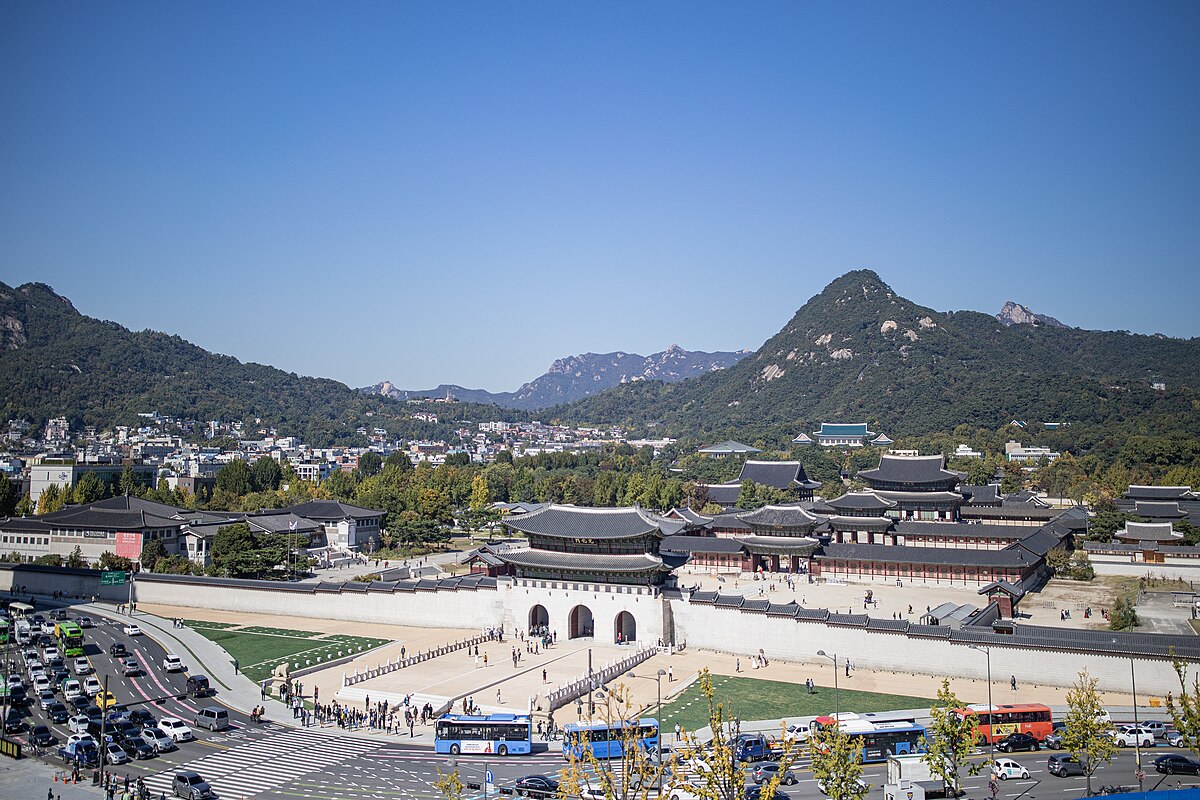
Gyeongbokgung: Seoul's Grand Joseon Palace
The largest and most magnificent of Seoul's Five Grand Palaces, Gyeongbokgung served as the heart of the Joseon Dynasty for over 500 years.