Odongdo Island: Yeosu's Garden of Winter Camellias
Connected to Yeosu by a narrow breakwater, Odongdo is a small island paradise famous for its winter camellia blooms, exotic subtropical plants, and dramatic East Sea coastal scenery.
Photo: Wikipedia Commons
What Is Odongdo?
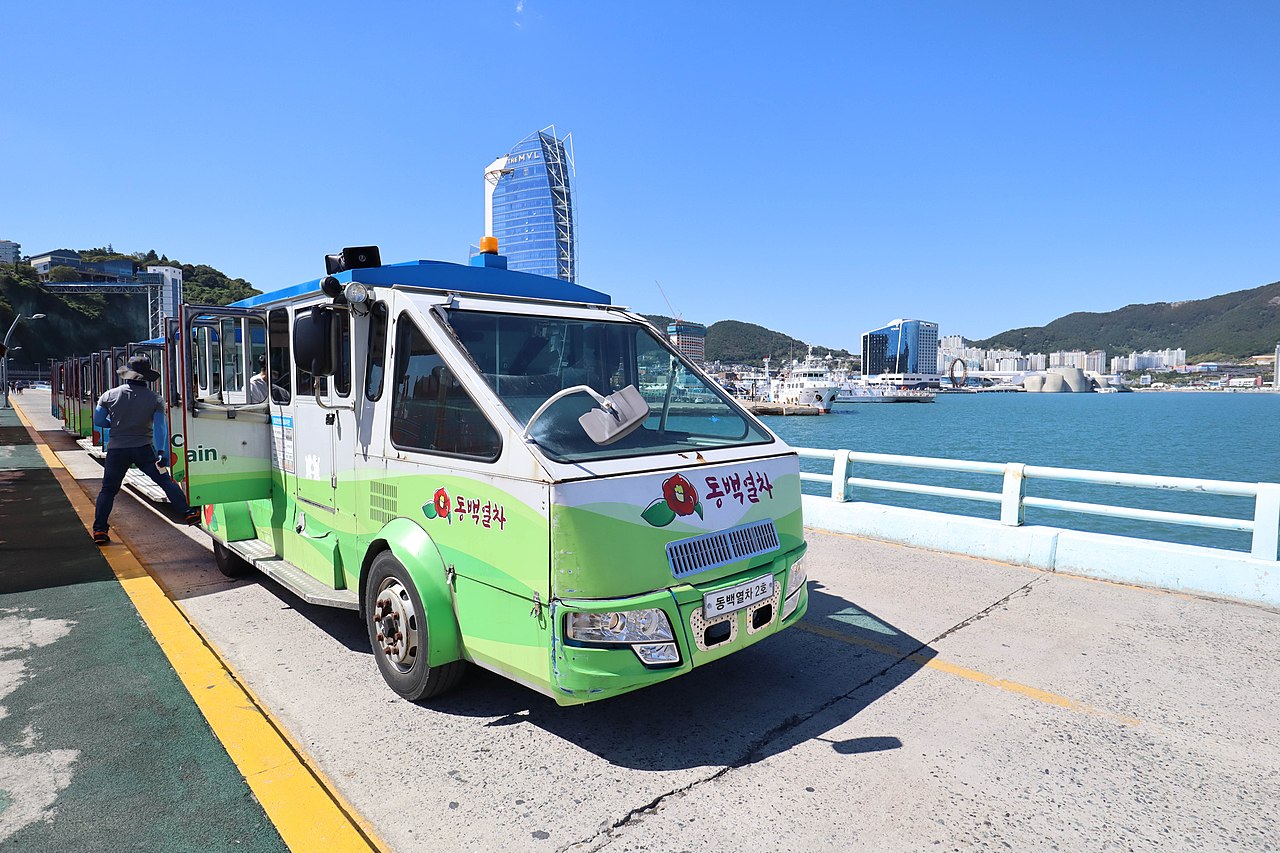
Odongdo (오동도) is a small island connected to the harbor city of Yeosu in South Jeolla Province by a 768-meter-long concrete breakwater that visitors can walk or ride a small railway along. The island covers approximately 125,000 square meters and rises to a lighthouse at its highest point, with coastal cliffs, forests, and a lighthouse walk that circles the rocky perimeter. The island is named after the paulownia tree (오동나무, odong namu) that was said to grow there in ancient times, though the tree that now defines the island's character is the camellia (동백나무, dongbaek namu). Approximately 3,000 camellia trees grow across the island, creating Korea's most famous camellia forest. In winter (typically February-March), when the rest of Korea is brown and cold, Odongdo erupts in brilliant red camellia blooms — a spectacular and unusual sight. Beyond camellias, the island contains a remarkable botanical diversity — over 200 species of subtropical and temperate plants grow in the mild climate moderated by the surrounding sea. Dense bamboo groves, giant tree ferns, subtropical palms, and towering forest trees create an unusually lush and varied landscape for a small coastal island. The island's coastal cliffs and rock formations, carved by centuries of wave action, provide dramatic scenery and excellent viewpoints.
History & Significance
Odongdo has been a landmark of the Yeosu port area throughout the city's history as a naval and commercial harbor. The island's lighthouse, first built in the early 20th century during the Japanese colonial period (the current lighthouse dates to 1952), has guided ships through the complex channel waters of the South Sea, making the island an important navigational landmark. Yeosu's significance in Korean history is substantial — the city served as the headquarters of Admiral Yi Sun-sin during his famous naval campaigns against the Japanese invasions of 1592-98. Yi Sun-sin's turtle ships (거북선, geobukseon) were built and launched from Yeosu harbor. The city's maritime and military heritage runs deep, and this historical context adds meaning to visiting Odongdo as part of the broader Yeosu experience. In 2012, Yeosu hosted the International Expo (Yeosu Expo), with the theme 'The Living Ocean and Coast.' The expo brought major development to the Yeosu waterfront and significantly raised the city's international profile. Odongdo was a central attraction during the expo and continued to benefit from the improved infrastructure and visitor interest afterward.
What to See & Do
The walk along the breakwater (or the dongchagwondong, a small trackless train that also runs along the breakwater) is a pleasant approach, with views of Yeosu harbor and the surrounding islands on both sides. The island itself has a well-maintained circular trail (approximately 2km) that visits the lighthouse, coastal viewpoints, camellia forests, and botanical garden areas. The camellia forest walk in February-March is the island's signature experience — walking beneath trees laden with brilliant red blooms, with carpets of fallen petals on the ground, is genuinely beautiful. Korean thrushes (동박새, dongbaksae), small birds that feed on camellia nectar, fill the forest with their calls during bloom season, adding an acoustic dimension to the visual spectacle. The lighthouse area at the island's peak offers panoramic views of the South Sea with its hundreds of small islands scattered to the horizon — a classic Korean coastal landscape. On a clear day the view encompasses dozens of named islands and countless unnamed ones, giving a sense of the extraordinary island geography of this part of Korea.
- ·Visit in February-March for the spectacular camellia bloom season
- ·Walk the 2km island circuit trail to see the lighthouse, coastal cliffs, and botanical areas
- ·Ride the Odongdo mini-train along the breakwater for a relaxed island arrival
- ·Climb to the lighthouse for panoramic South Sea island views
- ·Listen for the dong-bak-sae (Korean thrush) birds singing in the camellia trees in bloom season
Visitor Tips
Odongdo is open daily from 9 AM to 6 PM (May-August) or 9 AM to 5:30 PM (September-April). Entry to the island is free; the mini-train (monorail) costs approximately 2,000 KRW round trip. The island is within walking distance (about 20 minutes) from central Yeosu or accessible by taxi. Yeosu is accessible from Seoul by KTX (approximately 2-2.5 hours) or by bus. The city and its island scenery deserve at least a full day. Combine the Odongdo visit with a Yeosu night cruise on the harbor (spectacular views of the Dolsan Bridge and city lights), a visit to the Expo area and aquarium, and a meal of the local specialty hanjeongsik (전통 한정식, full Korean-course meal) or fresh raw fish. The cable car from the Old Town area across Dolsan Strait is another excellent Yeosu attraction to combine with an Odongdo visit.
Tips
- 💡Visit in February-March for the winter camellia blooms — peak season is relatively short, check local reports
- 💡The Yeosu Night Marine Cable Car (돌산 케이블카) offers spectacular harbor views and pairs well with Odongdo
- 💡Combine with a Yeosu harbor night cruise for a comprehensive Yeosu experience
Last updated: March 30, 2026
You might also like
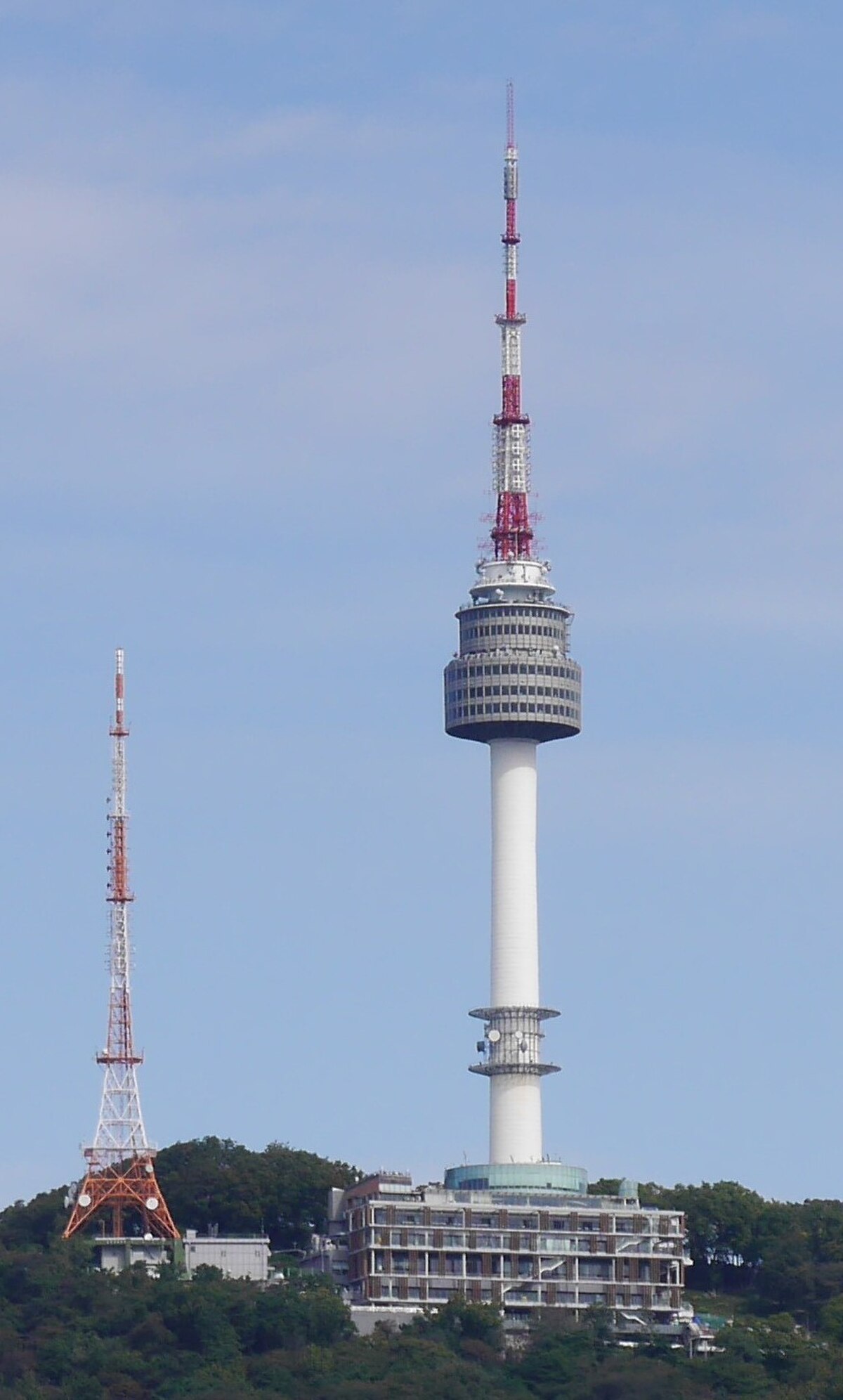
N Seoul Tower: Seoul's Most Iconic Landmark
Perched atop Namsan mountain, N Seoul Tower offers breathtaking 360-degree views of the city and has become a beloved symbol of Seoul's modern romance.
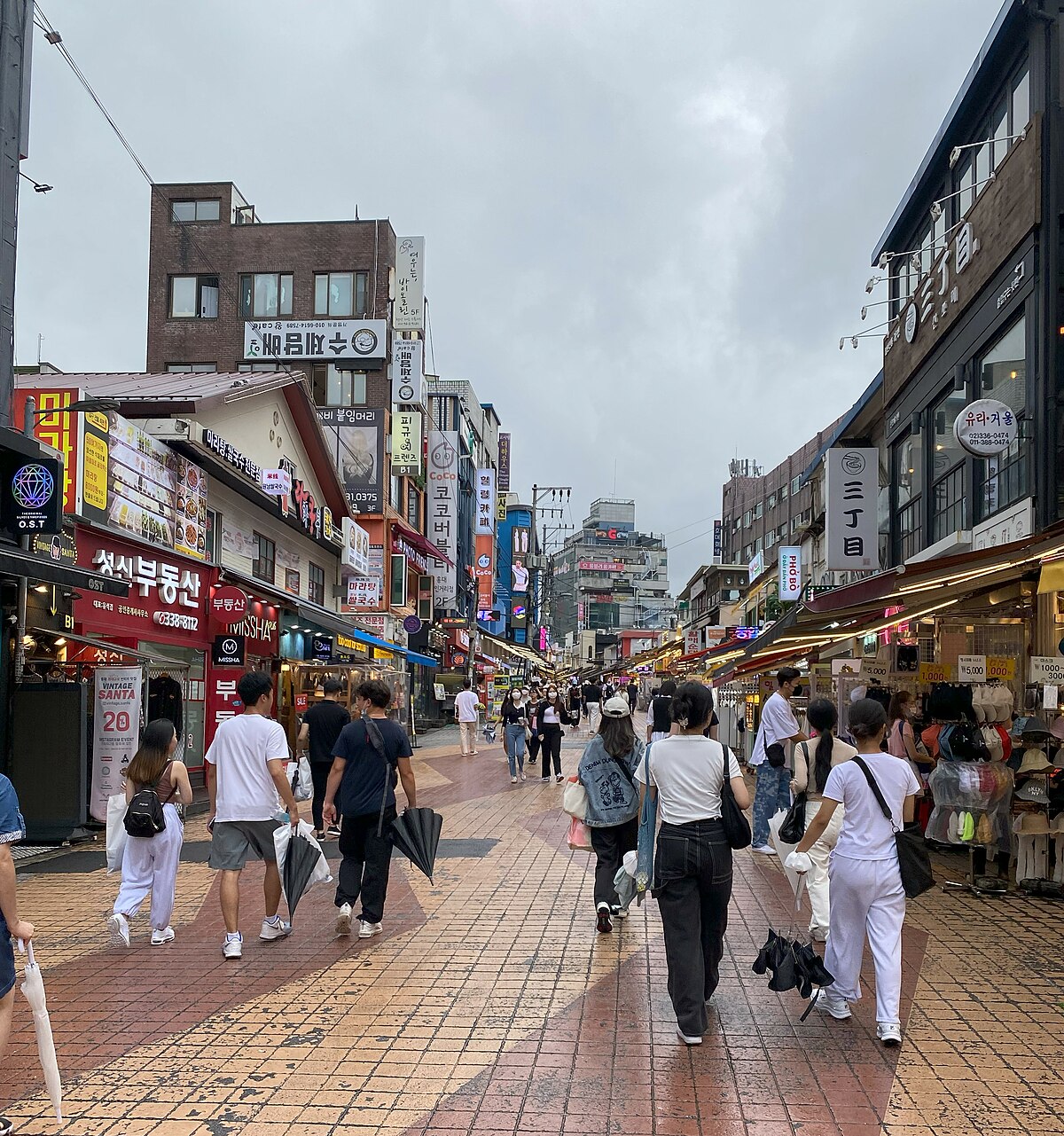
Hongdae: Seoul's Creative Youth Capital
Seoul's most vibrant arts and nightlife district, Hongdae pulses with indie music, street performances, quirky cafés, and the creative energy of Korea's top arts university.
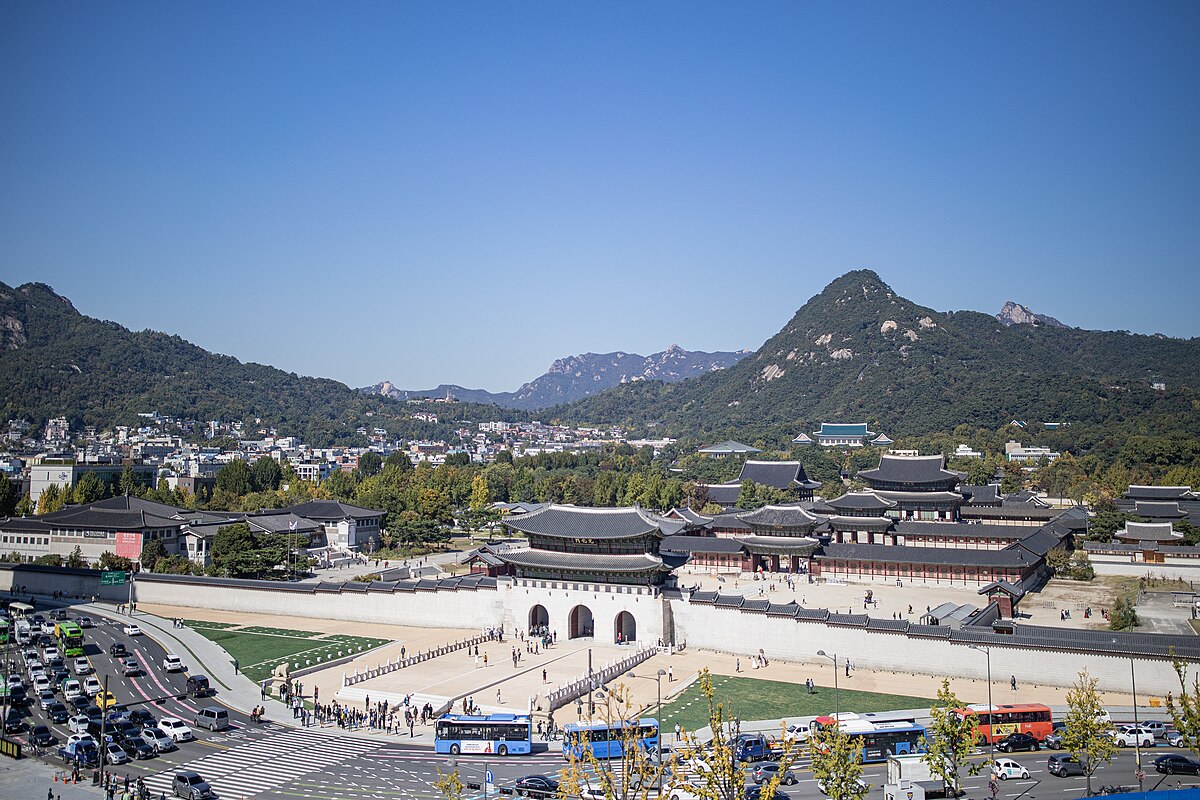
Gyeongbokgung: Seoul's Grand Joseon Palace
The largest and most magnificent of Seoul's Five Grand Palaces, Gyeongbokgung served as the heart of the Joseon Dynasty for over 500 years.