Paldalmun: An Ancient Gate in a Modern Roundabout
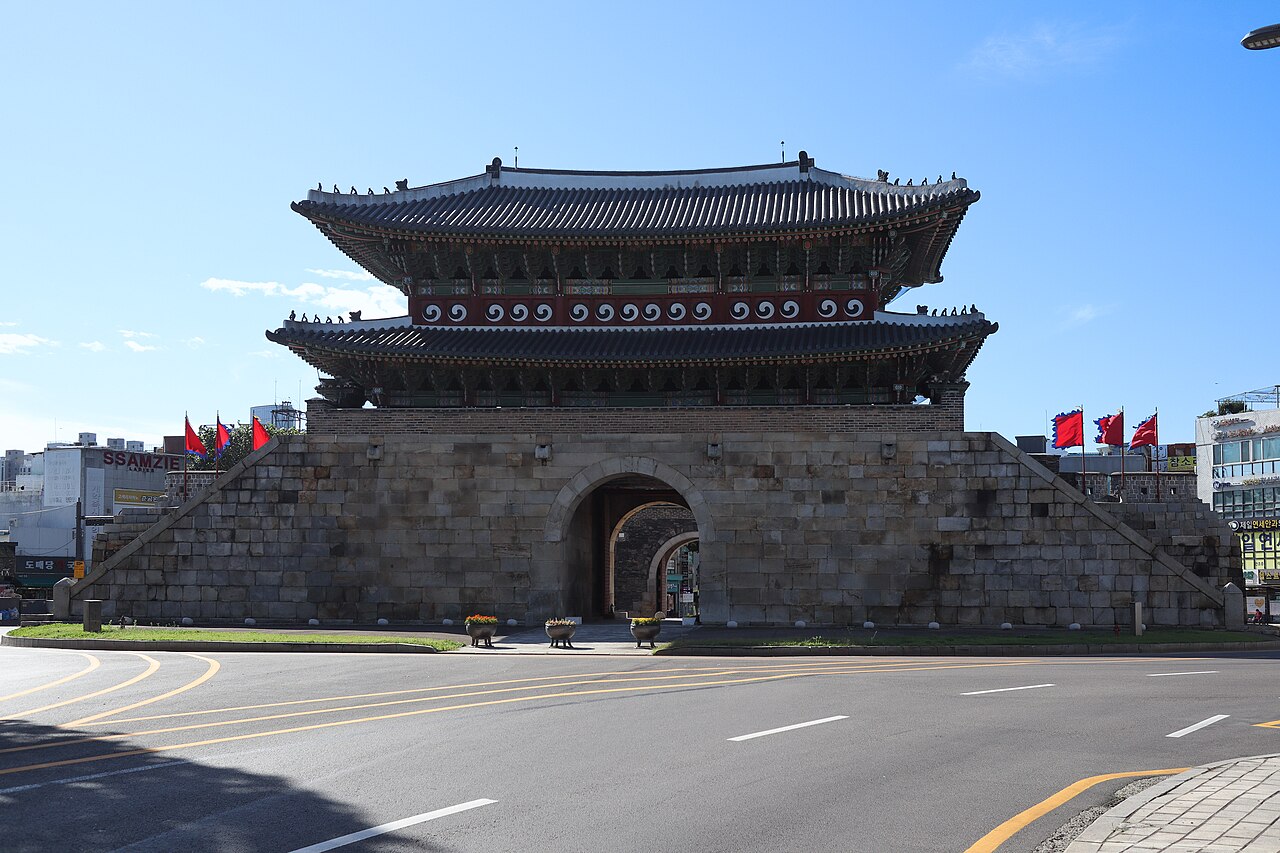
The southern gate of Hwaseong Fortress, Paldalmun stands at the heart of modern Suwon's busiest traffic roundabout — a 200-year-old gate surrounded by city traffic, traditional markets, and street food stalls.
Photo: Wikipedia Commons
What Is Paldalmun?
Paldalmun (팔달문, meaning 'Gate of Eight Directions Reaching') is the southern gate of Hwaseong Fortress, built in 1794 by King Jeongjo as part of the construction of Suwon's new city fortification. The gate is a two-storey wooden pavilion structure built on a stone-arch base, following the traditional Korean gate design (홍예문, arched gateway). It is designated National Treasure No. 402. The gate now stands entirely enclosed by a modern traffic roundabout in central Suwon, cars circulating around its base while the wooden structure rises above — one of the most visually arresting examples of ancient architecture persisting within a modern Korean city.
History & Significance
Paldalmun served as the main southern entrance to Suwon during the Joseon Dynasty, controlling access between the city and the road to Seoul to the north and the southern provinces beyond. It was used by King Jeongjo's royal processions during his visits to Suwon from 1795. Unlike many historic gates across Korea that were demolished during Japan's colonial urban modernisation projects, Paldalmun survived because of its structural integrity and local preservation efforts. It was restored in the 1970s and again as part of the Hwaseong Fortress UNESCO World Heritage restoration programme. The surrounding Paldalmun Traditional Market (팔달문 전통시장) has operated in the shadow of the gate for generations.
What to See & Do
Paldalmun is best appreciated as both an architectural object and as a symbol of Korean urban history — the ancient gate in its modern context. Photography around the roundabout (safely from the pedestrian pavement) captures the surreal juxtaposition. The Paldalmun Traditional Market spreads through the alleys and streets immediately around the gate — a dense, active market selling textiles, dried goods, vegetables, fish, and street food. The market is one of the best traditional markets in Gyeonggi Province and is frequently cited by food writers for its bindaetteok (mung bean pancakes) and traditional snack vendors. The Yeongdong Galbi Street (the famous giant-galbi restaurant row) is a 10-minute walk from the gate.
Visitor Tips
Paldalmun requires no ticket and is viewable at any time as it stands on a public roundabout. The traditional market operates daily, with the greatest activity on weekday mornings when fresh produce is delivered. The market is most alive early (7–10am) and best for food browsing. From Suwon Station, Paldalmun is a 10-minute walk south following signs for Hwaseong Fortress. The gate and market together form a natural starting point for exploring the fortress — from here, the southern fortress wall climbs the hill toward Paldalsan and connects to the full 5.7-kilometre circuit. Street food around the market is excellent and inexpensive; plan to eat before or after walking the walls.
Tips
- 💡The traditional market around Paldalmun is one of the best in Gyeonggi Province — textiles, produce, and excellent street food.
- 💡The gate in its roundabout setting is one of Korea's most compelling ancient-meets-modern moments.
- 💡Start the Hwaseong Fortress wall walk from here — the southern section is the most dramatic.
Last updated: April 1, 2026
You might also like
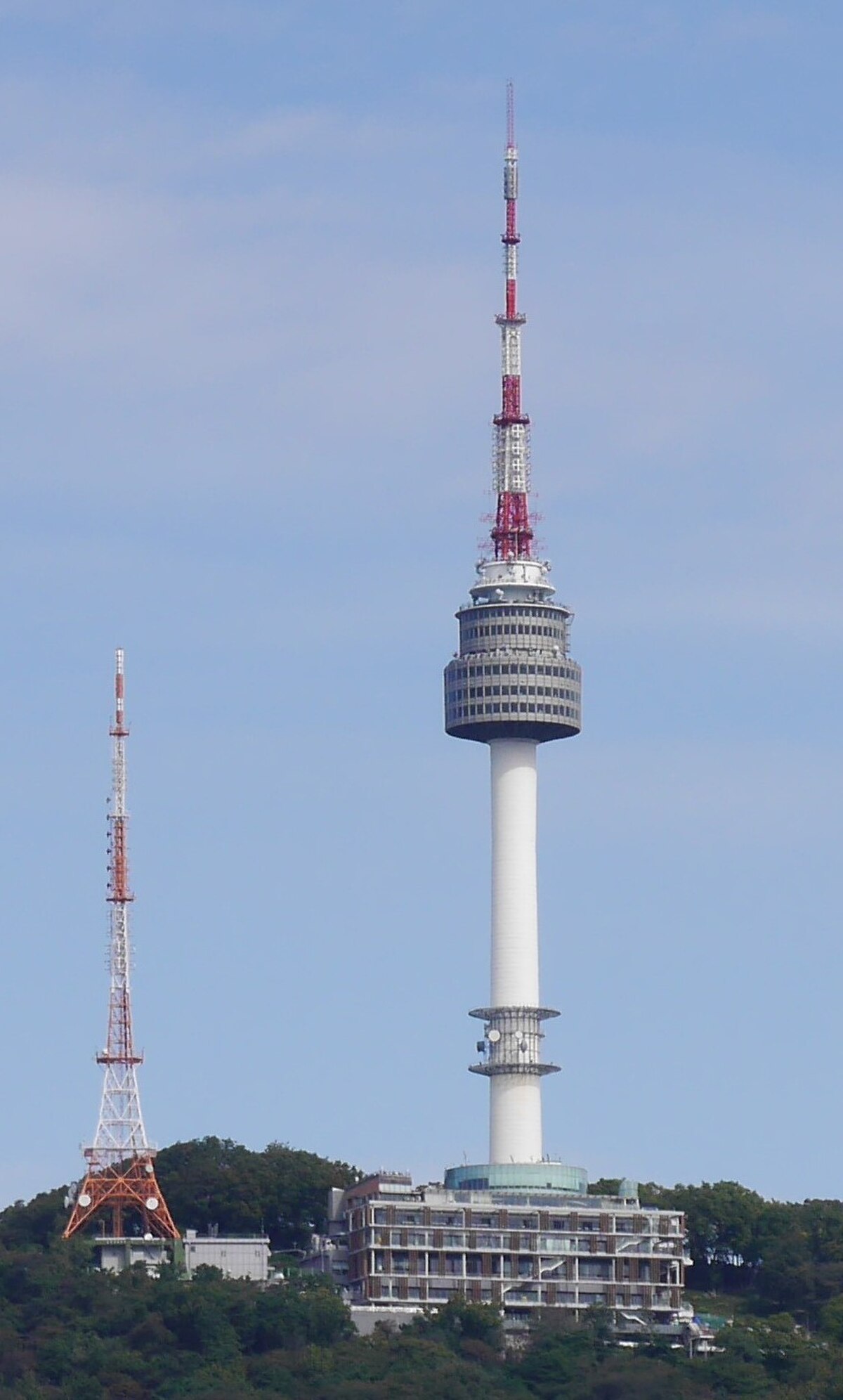
N Seoul Tower: Seoul's Most Iconic Landmark
Perched atop Namsan mountain, N Seoul Tower offers breathtaking 360-degree views of the city and has become a beloved symbol of Seoul's modern romance.
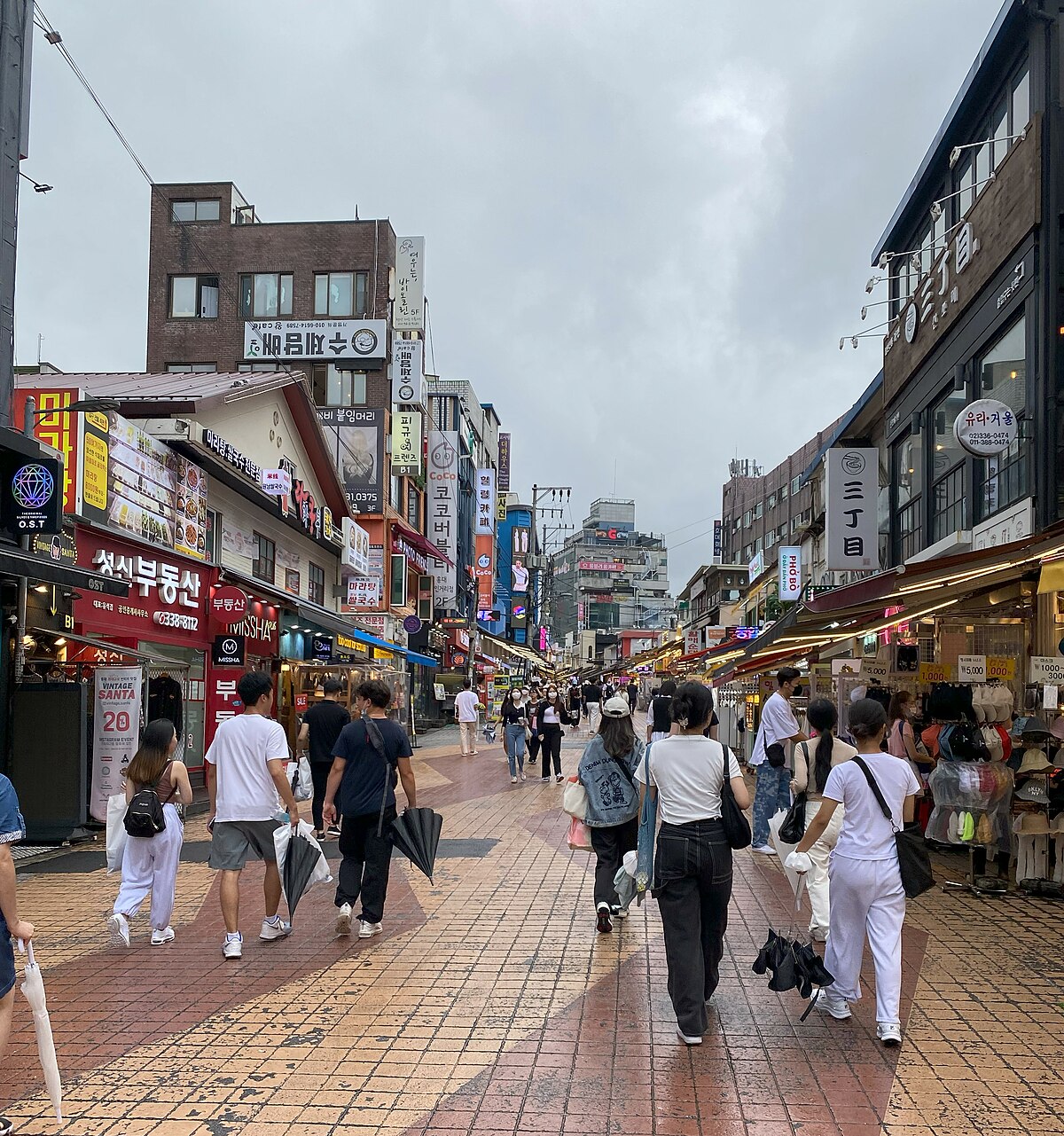
Hongdae: Seoul's Creative Youth Capital
Seoul's most vibrant arts and nightlife district, Hongdae pulses with indie music, street performances, quirky cafés, and the creative energy of Korea's top arts university.
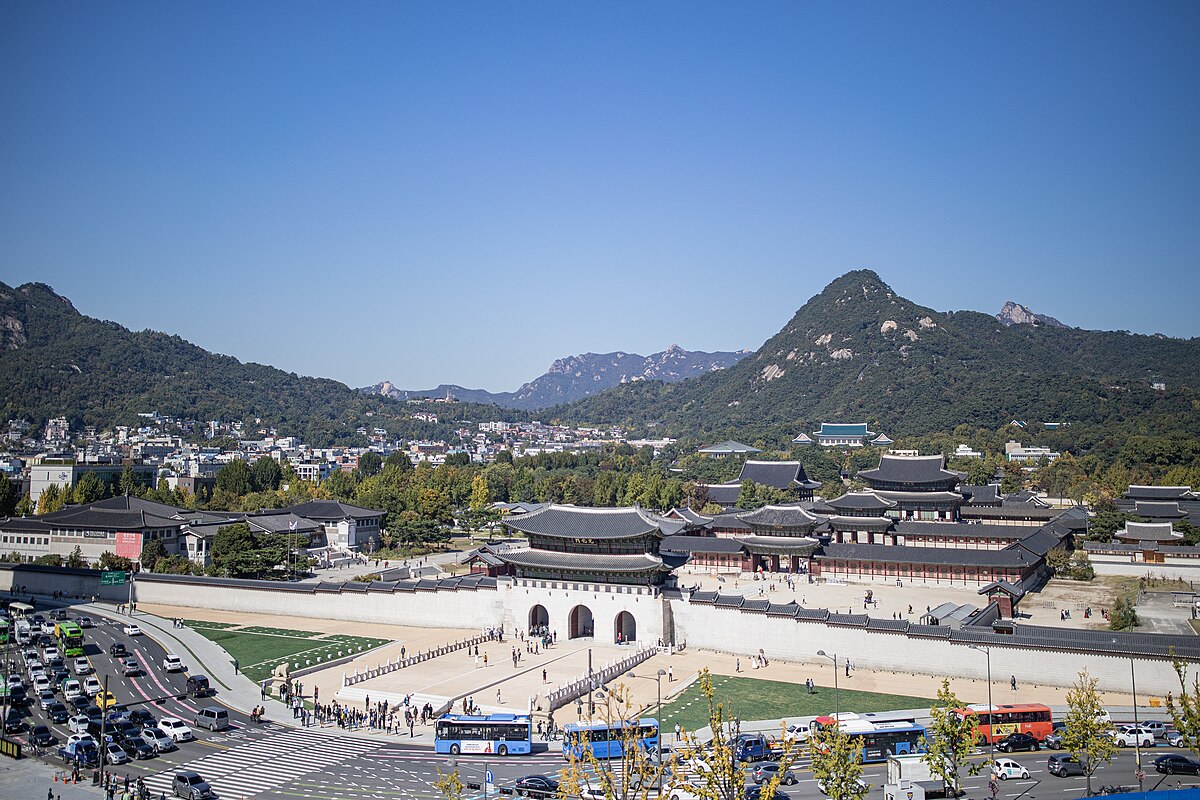
Gyeongbokgung: Seoul's Grand Joseon Palace
The largest and most magnificent of Seoul's Five Grand Palaces, Gyeongbokgung served as the heart of the Joseon Dynasty for over 500 years.