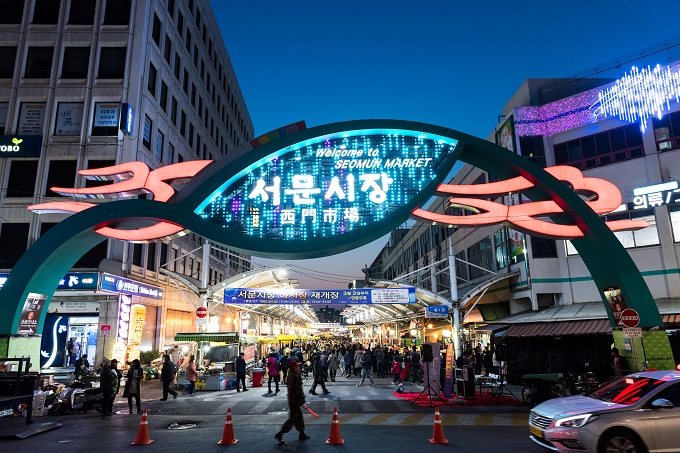
Seomun Market: One of Korea's Three Great Traditional Markets
Dating back to the Joseon Dynasty, Seomun Market is one of Korea's three historically significant traditional markets — 4,000 stalls spread across multiple buildings, with a legendary night market running until midnight on Wednesdays and Fridays.
Photo: Wikipedia Commons
What Is Seomun Market?
Seomun Market (서문시장, 'West Gate Market') is one of Korea's three historically significant traditional markets — alongside Pyeongyang's Pyeongyang Daedong Market and Seoul's Namdaemun Market — dating back to the Joseon Dynasty. Located in Jung-gu district of Daegu, the market covers approximately 40,000 square metres across six connected buildings and an outdoor area, with approximately 4,000 registered stalls. The market is particularly renowned for its textiles and garment trade, reflecting Daegu's historical role as a major Korean textile manufacturing city. Beyond textiles, Seomun sells fresh produce, dried goods, hardware, kitchenware, and street food.
History & Significance
Seomun Market's origins trace to the late Joseon period when Daegu was an important commercial centre on the trade route between Seoul and the southern coast. The market was historically held outside the western gate (서문) of Daegu's city walls — giving it the name 'West Gate Market.' During the Japanese colonial period, Daegu's textile industry expanded rapidly, and Seomun became the primary distribution point for fabrics and clothing in the region. The market was devastated by a fire in 2005 that destroyed much of the textile section; it was rebuilt and reopened in a larger, modernised configuration. Despite modernisation, Seomun retains the character and density of a traditional Korean market.
What to See & Do
The textile section is extraordinary — multiple buildings of fabric, yarn, button, and garment vendors covering every conceivable material and style, at wholesale or near-wholesale prices. The fresh produce and dried goods sections have the pungent, colour-saturated character of traditional Korean markets at their best. The Seomun Night Market (서문시장 야시장) runs on Wednesday and Friday evenings from approximately 7pm to midnight, and is widely regarded as one of the best night markets in Korea — a long lane of food stalls selling everything from standard Korean street food (tteokbokki, hotteok) to regional specialities like napjak mandu (flat Daegu-style dumplings).
Visitor Tips
Daytime visits are best for textile shopping — serious purchases from the fabric section are possible at prices significantly below retail. Arrive at the night market at 7pm when vendors are setting up; by 9pm the lane is at full capacity. The napjak mandu (납작만두) stall at the night market is the one locals direct visitors toward — ask anyone standing in a queue. Wednesday and Friday evenings are the only night market nights. From Seomun Market Station (Line 3), the market entrance is a 5-minute walk. Combine with Dongseongno (15-minute walk north) for a full central Daegu itinerary.
Tips
- 💡The night market runs Wednesday and Friday evenings — find the napjak mandu (flat dumpling) stall and do not leave without some.
- 💡The textile section operates at near-wholesale prices — a paradise for fabric buyers.
- 💡Arrive early (7pm) at the night market; by 9pm the main lane is packed.
Last updated: April 1, 2026
You might also like
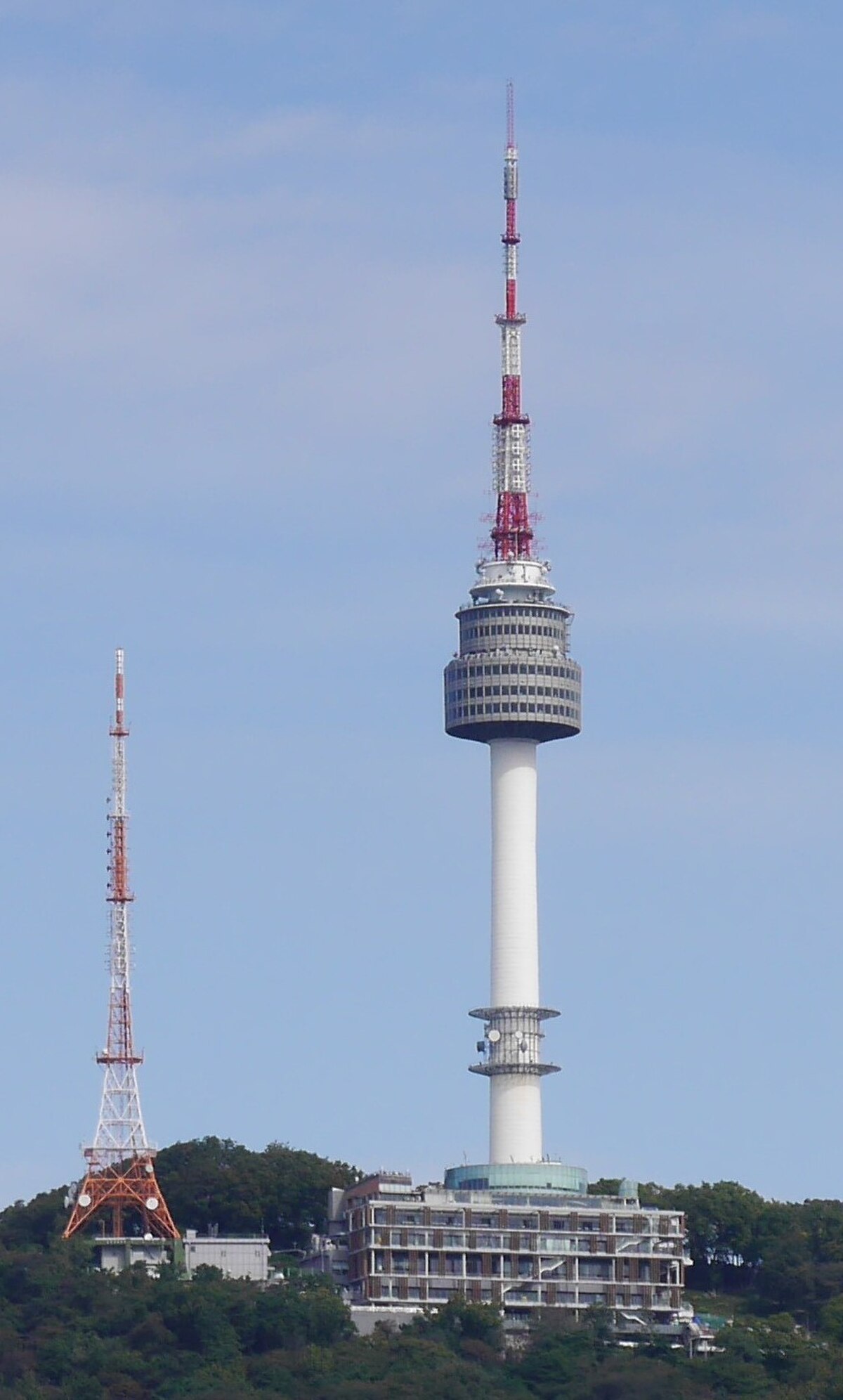
N Seoul Tower: Seoul's Most Iconic Landmark
Perched atop Namsan mountain, N Seoul Tower offers breathtaking 360-degree views of the city and has become a beloved symbol of Seoul's modern romance.
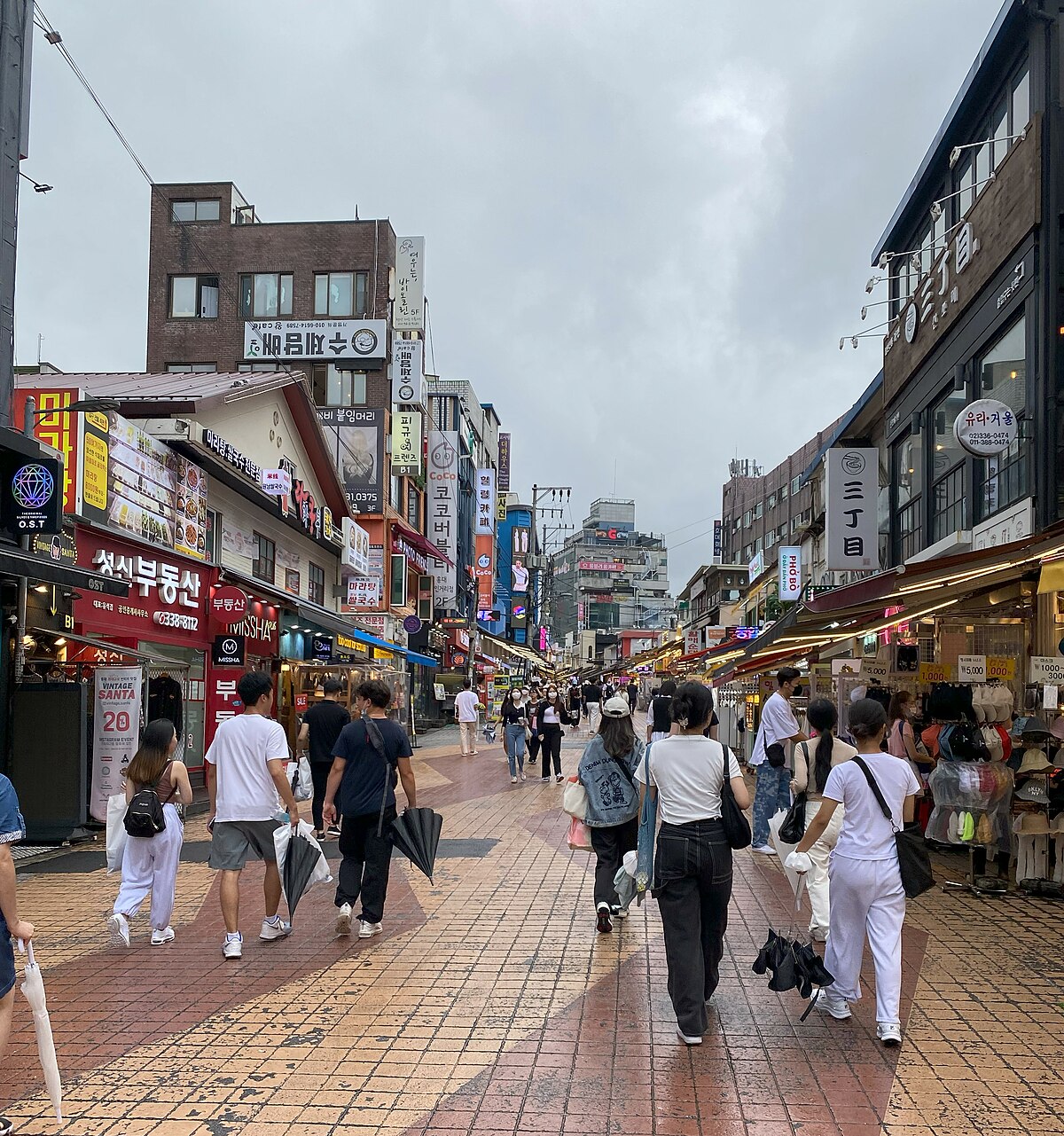
Hongdae: Seoul's Creative Youth Capital
Seoul's most vibrant arts and nightlife district, Hongdae pulses with indie music, street performances, quirky cafés, and the creative energy of Korea's top arts university.
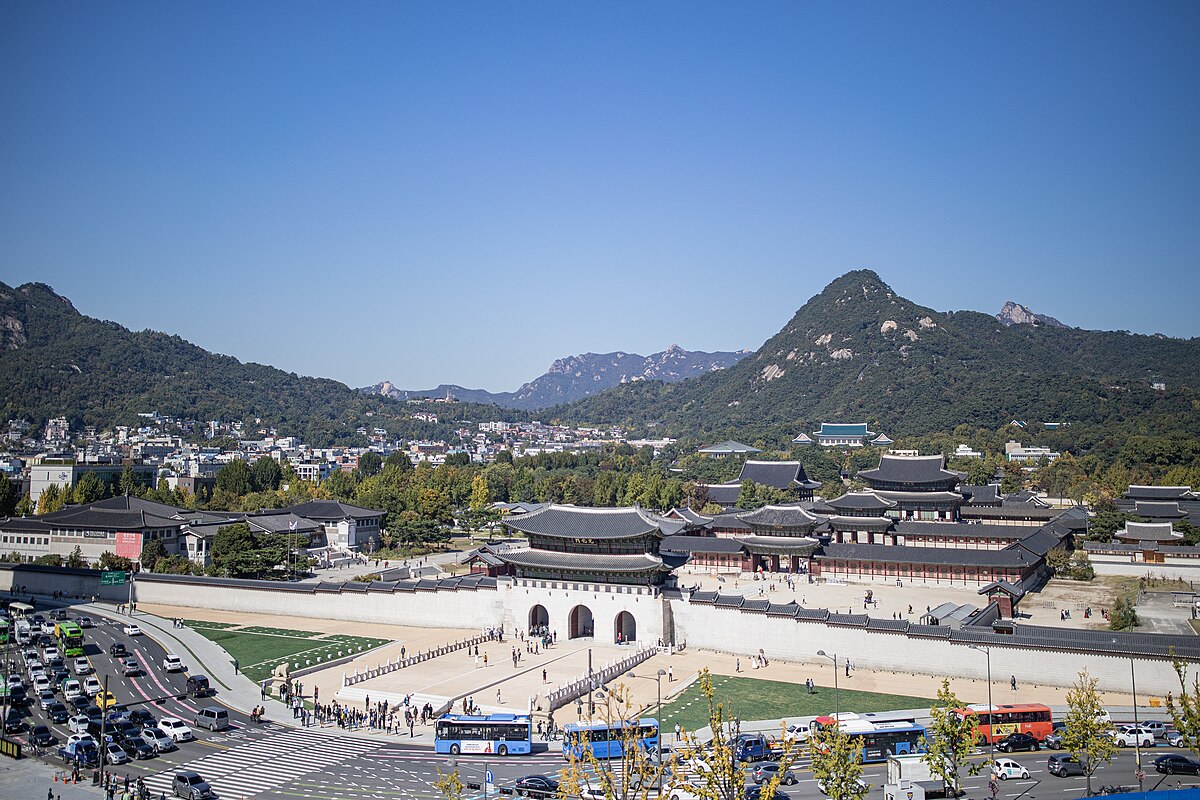
Gyeongbokgung: Seoul's Grand Joseon Palace
The largest and most magnificent of Seoul's Five Grand Palaces, Gyeongbokgung served as the heart of the Joseon Dynasty for over 500 years.