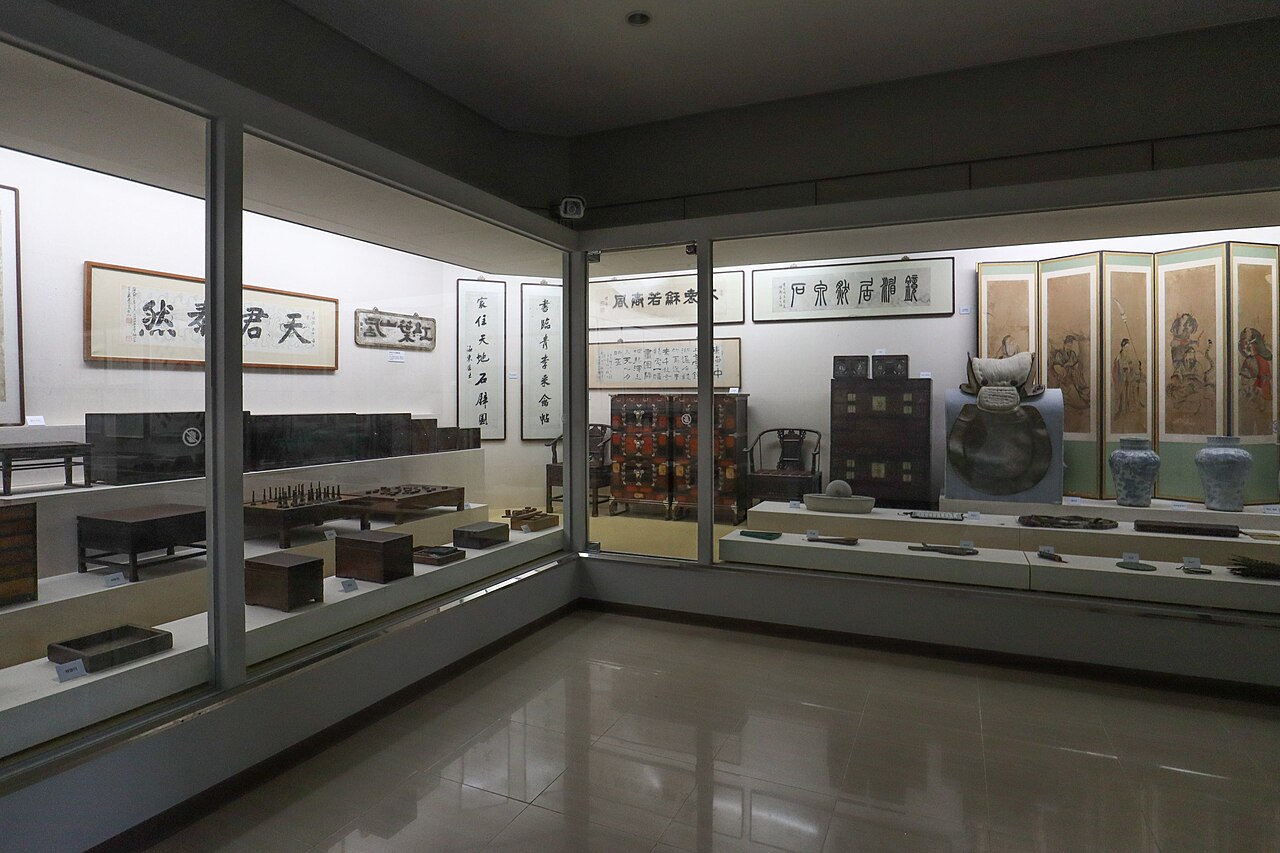
Seongyojang: A 300-Year-Old Joseon Noble Estate
The finest surviving example of a Joseon-era aristocratic estate in Korea, Seongyojang has been home to the same family for 10 generations. Visitors can stay overnight in traditional ondol rooms unchanged since the 18th century.
Photo: Wikipedia Commons
What Is Seongyojang?
Seongyojang (선교장, meaning 'house at the ferry crossing') is a 300-year-old aristocratic residence (yangban manor) in Gangneung, Gangwon Province, dating from 1703. It is considered the finest and most complete surviving example of a Joseon-era upper-class estate in Korea. The complex covers approximately 10,000 square metres and includes the main residence (안채), outer hall (사랑채), gate house (행랑채), a traditional garden pavilion called Hwallaejeong (활래정) floating on a lotus pond, and several ancillary structures. The estate was built by Yi Naebeon, a descendant of King Hyojong, and has been continuously occupied and maintained by the same Yi family for more than 10 generations.
History & Significance
Seongyojang derives its name from the ferry crossing (선교, seongyo) that once operated across the Gyeongpodae Lagoon, which the estate originally faced — the lagoon has since receded due to land development. The estate survived the Korean War without significant damage, unlike many other historic structures in the region, largely due to its remote location at the time. It was designated a Korean National Folklore Cultural Heritage Site (중요민속문화재) and has undergone careful restoration while remaining a lived-in family home. The Hwallaejeong pavilion, with its distinctive roof curving over a lotus pond, is one of the most reproduced images in Korean architectural photography.
What to See & Do
Touring the compound takes approximately 1–2 hours. Highlights include the main living quarters with original ondol floor heating, the outer reception hall where male guests were traditionally entertained, and the lotus pond with its floating pavilion — best photographed at dawn when mist rises from the water. The attached museum displays documents, household artefacts, and records from the estate's three-century history, offering a window into upper-class Joseon daily life. Traditional culture programmes (hanbok wearing, tea ceremony, calligraphy) are sometimes available, and the estate hosts educational programmes for school groups. Staying overnight in one of the traditional rooms is available to the public — an extraordinary immersive experience.
Visitor Tips
Seongyojang is located about 3 kilometres north of Gangneung city centre, reachable by taxi (10 minutes) or bus. Entry fees are minimal (around ₩3,000). Arrive early morning, especially if you want photos of the lotus pavilion — the light before 9am, with mist on the pond, is extraordinary. Overnight stays must be booked in advance through the estate's management office and fill up quickly in spring and autumn. The estate is particularly beautiful in late June when the lotus flowers bloom and in autumn when the maple leaves turn. Pair the visit with Gyeongpo Beach and Lake, which is a 15-minute walk or 5-minute drive.
Tips
- 💡You can stay overnight in the traditional ondol rooms — a morning in a 300-year-old house is something else.
- 💡The lotus pavilion (Hwallaejeong) at dawn, with mist on the pond, is one of the finest architectural moments in Gangneung.
- 💡Lotus flowers bloom in late June; autumn foliage frames the compound beautifully in October.
Last updated: April 1, 2026
You might also like
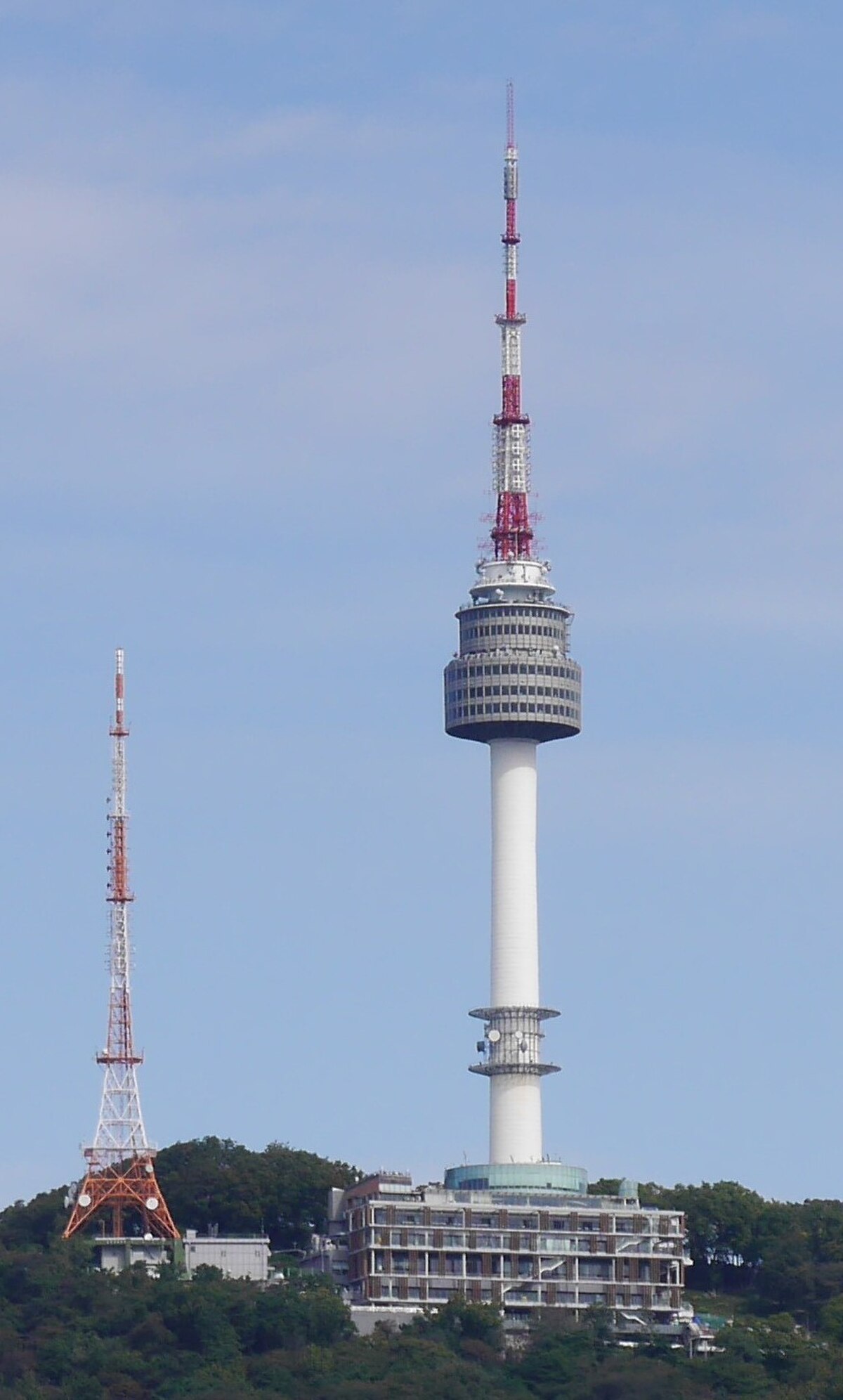
N Seoul Tower: Seoul's Most Iconic Landmark
Perched atop Namsan mountain, N Seoul Tower offers breathtaking 360-degree views of the city and has become a beloved symbol of Seoul's modern romance.
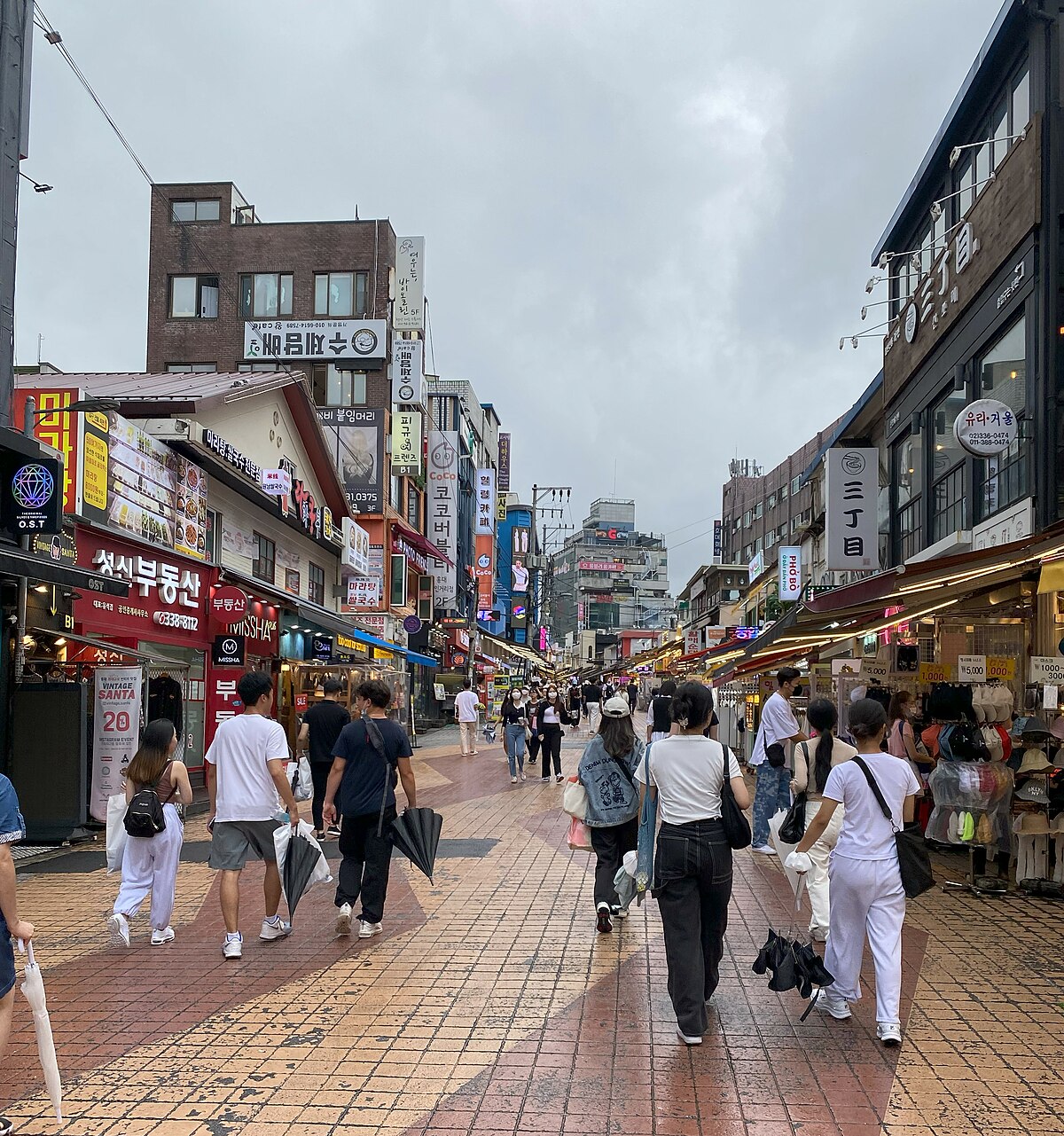
Hongdae: Seoul's Creative Youth Capital
Seoul's most vibrant arts and nightlife district, Hongdae pulses with indie music, street performances, quirky cafés, and the creative energy of Korea's top arts university.
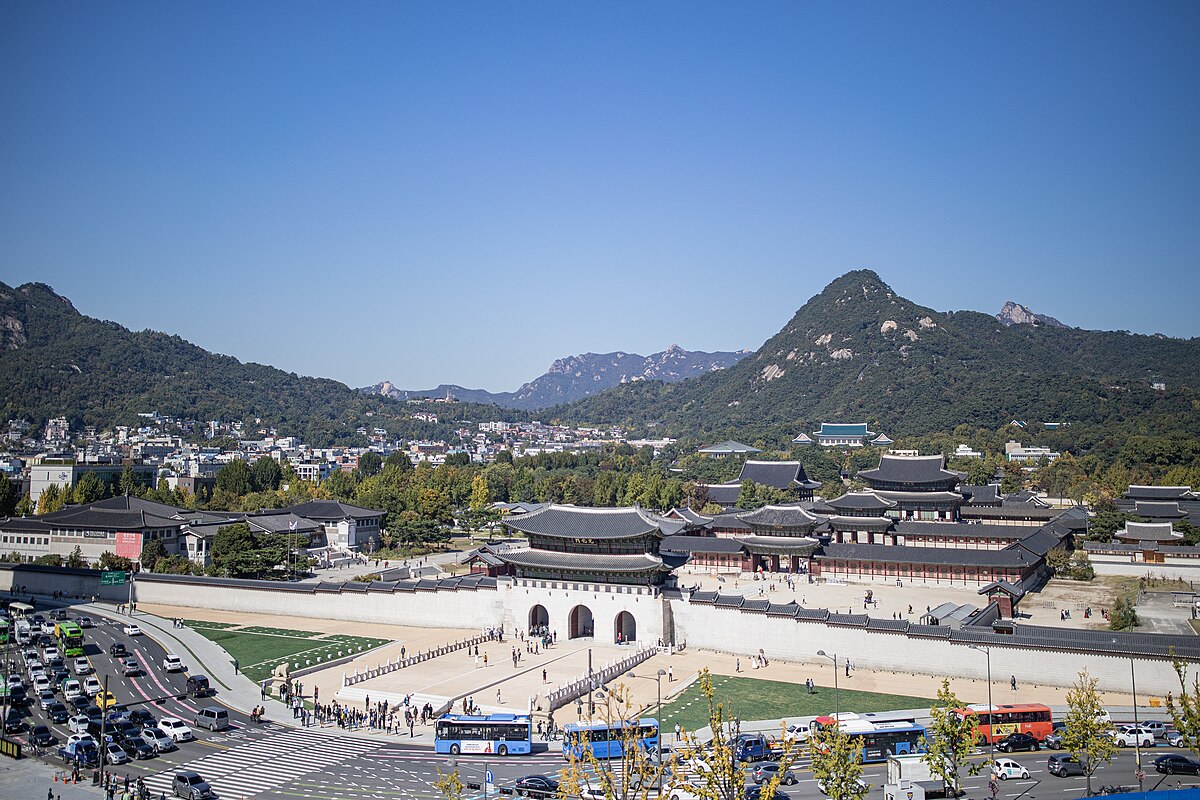
Gyeongbokgung: Seoul's Grand Joseon Palace
The largest and most magnificent of Seoul's Five Grand Palaces, Gyeongbokgung served as the heart of the Joseon Dynasty for over 500 years.