Songdo Central Park: Korea's Futuristic Smart City
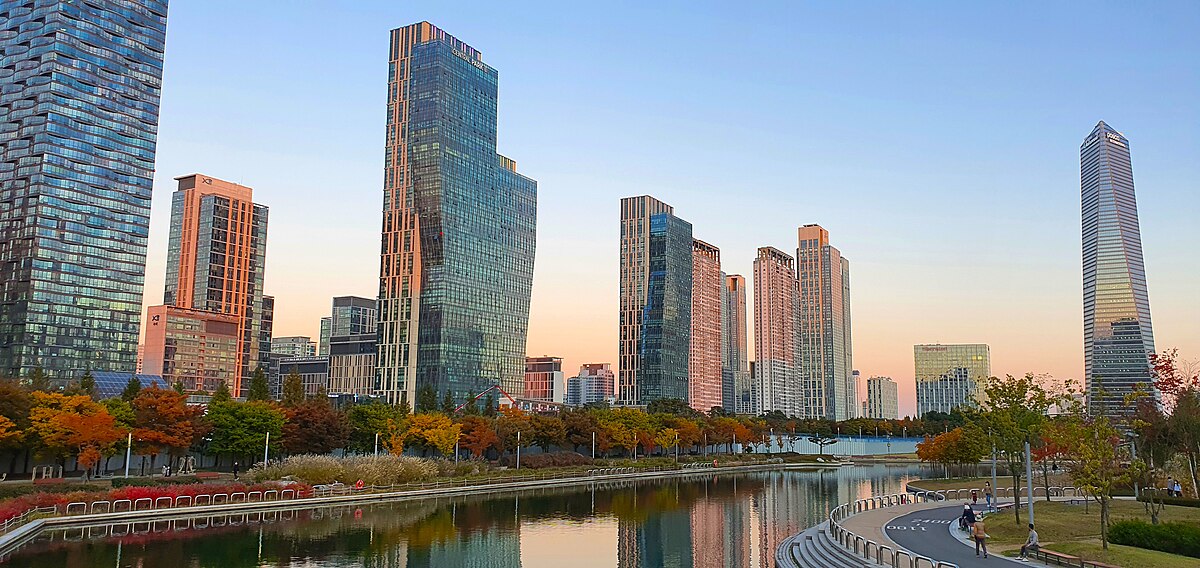
Built from scratch on reclaimed land, Songdo International Business District is one of the world's first purpose-built smart cities. Its Central Park combines urban canals, waterways, and green space in a setting that feels decades ahead of its time.
Photo: Wikipedia Commons
What Is Songdo Central Park?
Songdo Central Park (송도 센트럴파크) is the centrepiece green space of Songdo International Business District, a planned urban development built on 6 km² of land reclaimed from the Yellow Sea tidal flats of Incheon. The park covers approximately 0.4 km² and features a seawater canal system drawing directly from the Yellow Sea, surrounded by landscaped gardens, cycling paths, pedestrian bridges, and waterfront promenades. The design was partly inspired by New York's Central Park and the canals of Venice, though the result is distinctly Korean in character. The park is flanked by glass-and-steel skyscrapers, luxury apartment towers, and international business facilities.
History & Significance
Songdo International Business District was conceived in the 1990s as an ambitious project to create a purpose-built free economic zone to compete with Hong Kong and Singapore for international business activity. Construction began in 2003 and continues today; the district is approximately 75% complete. Songdo is considered one of the first large-scale attempts to build a 'smart city' from scratch, incorporating fibre-optic networks, intelligent traffic systems, automated waste collection through underground pneumatic tubes, and green building standards throughout. As a planning experiment, Songdo represents both the ambition and the challenges of top-down urban design — the infrastructure is world-class, but creating organic city life in a planned environment has proven difficult.
What to See & Do
The main activity in the park is simply wandering and observing the surreal contrast between the gleaming towers and the traditional Korean boat experience. Traditional wooden gondalas (inspired by Korean fishing craft) can be rented on the canal — paddling through the waterway with glass skyscrapers reflected in the calm water is distinctly dreamlike. Cycling is excellent; bike rental stations are scattered throughout the park and the flat terrain makes for easy exploration. The International Business District beyond the park contains several food courts, international restaurants, and the G-Tower, which has an observation deck with views across Incheon and back toward Seoul.
Visitor Tips
Songdo Central Park is best at dusk when the glass towers catch the last light and the canal reflections are at their most dramatic. Incheon Subway Line 1 connects directly to Incheon International Business District Station — the park is a short walk from the exit. The contrast with Incheon's old city (Chinatown, Wolmido, the port) is extraordinary; if visiting both in one day, go to the old city first and Songdo at sunset. The park is most pleasant in spring (April–May) and autumn (October) when temperatures are mild and the landscaping is at its best. Weekdays are significantly quieter than weekends.
Tips
- 💡Rent a traditional Korean wooden boat on the canal — the skyline reflection at dusk is Blade Runner meets traditional Korea.
- 💡Visit at sunset when the glass towers catch the last light and the canal goes gold.
- 💡Combine with Incheon's old city (Chinatown + Wolmido) earlier in the day for a compelling contrast.
Last updated: April 1, 2026
You might also like
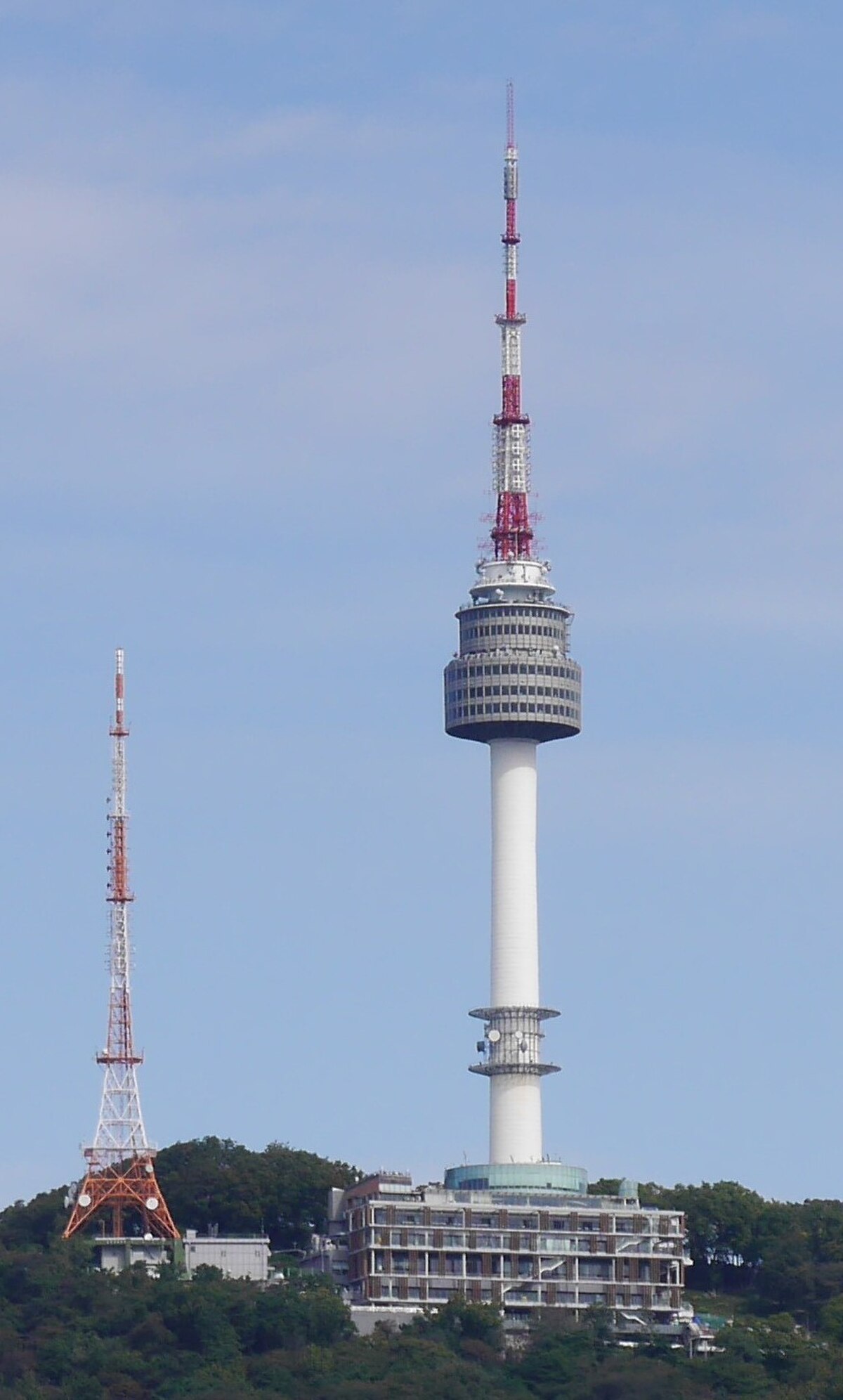
N Seoul Tower: Seoul's Most Iconic Landmark
Perched atop Namsan mountain, N Seoul Tower offers breathtaking 360-degree views of the city and has become a beloved symbol of Seoul's modern romance.
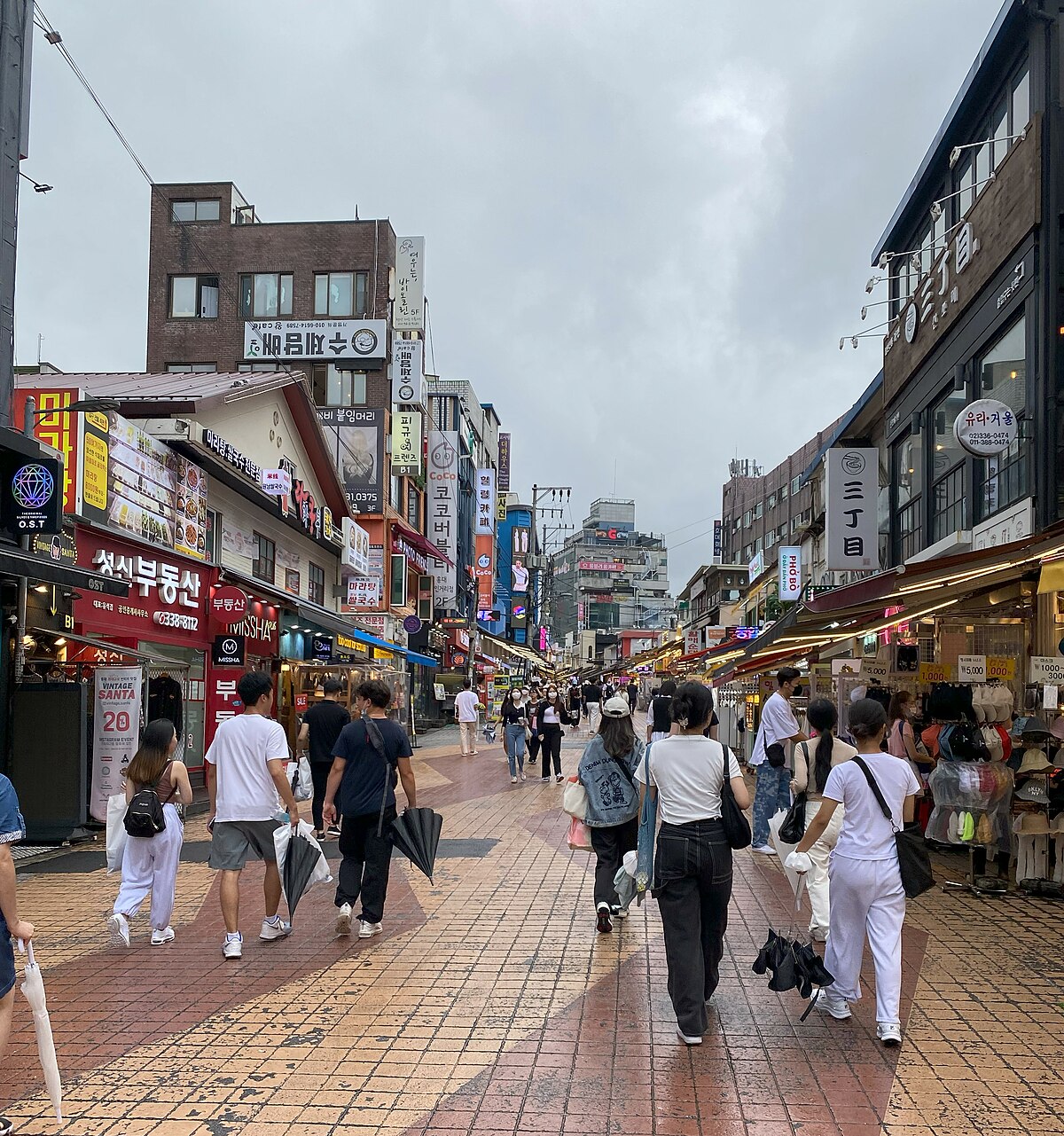
Hongdae: Seoul's Creative Youth Capital
Seoul's most vibrant arts and nightlife district, Hongdae pulses with indie music, street performances, quirky cafés, and the creative energy of Korea's top arts university.
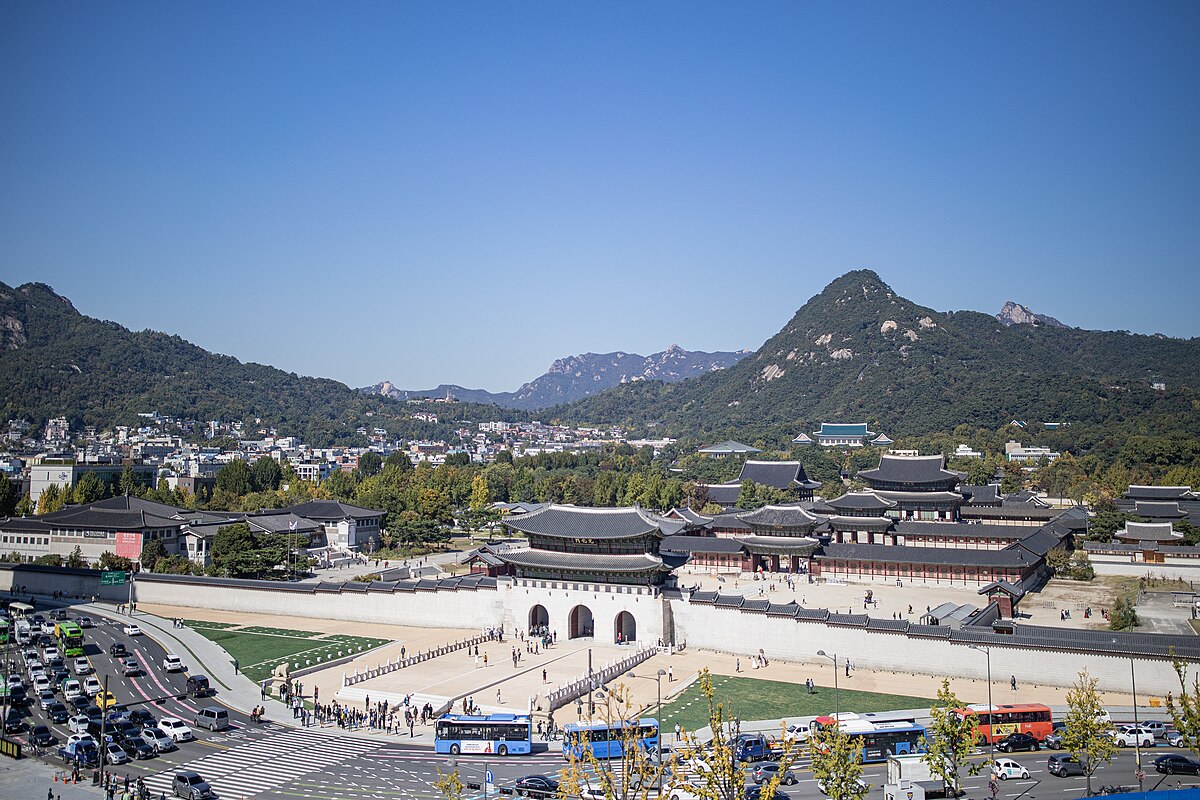
Gyeongbokgung: Seoul's Grand Joseon Palace
The largest and most magnificent of Seoul's Five Grand Palaces, Gyeongbokgung served as the heart of the Joseon Dynasty for over 500 years.