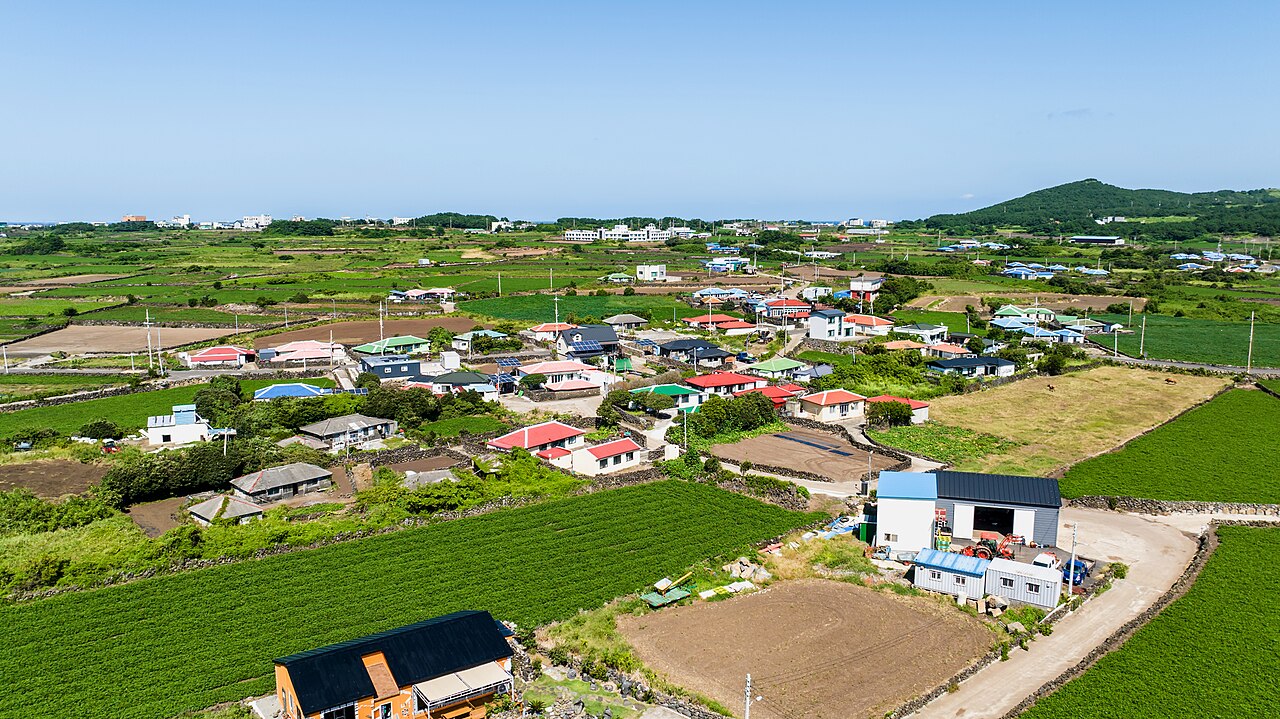
Udo Island: Jeju's Charming Island Within an Island
A small, car-free island accessible by ferry from Jeju, Udo is famous for its peanut ice cream, turquoise beaches, grazing cattle, and relaxed island pace of life.
Photo: Wikipedia Commons
What Is Udo Island?
Udo (우도), meaning 'Cow Island,' is a small volcanic island located just 3.5 kilometers off Jeju's eastern coast, near Seongsan Ilchulbong. Measuring about 6km from north to south and 3km across, with a circumference of approximately 16.7km, Udo is one of Korea's most beloved small islands — easy to reach but with a character distinctly different from the mainland and even from Jeju itself. The island earned its name from its shape when viewed from above — the gentle volcanic form resembles a reclining cow (소, so). True to this bovine identity, cattle graze peacefully across Udo's fields, giving the island a pastoral tranquility that contrasts beautifully with its coastal scenery. White fences, stone walls, yellow canola flowers in spring, and the brilliant turquoise of the Coral Sea beach (우도 산호해변) create an exceptionally photogenic landscape. Udo is known throughout Korea for two things above all else: its breathtaking turquoise beach (Haemul Beach/Coral Sea Beach) — often described as Korea's most beautiful beach for the extraordinary color of its water — and its peanut ice cream, made from locally grown peanuts and available at virtually every shop on the island. A visit to Udo without trying the peanut soft-serve is practically unthinkable.
History & Significance
Udo has been inhabited since at least the 17th century, when the Joseon government began settling people on the island to develop its agricultural potential and defend against pirates. The island was long known for its peanut cultivation — the volcanic soil and coastal climate proved ideal for growing a particularly flavorful variety of peanut — and for the fishing and Haenyeo diving traditions that continue today. The island remained relatively unknown outside Jeju until it began appearing in Korean films and dramas in the early 2000s. Its visual distinctiveness — the aquamarine water, white sand beach, grazing cows, and stone walls — made it instantly recognizable on screen. The Korean film 'Hello My Love' (2009) set much of its story on Udo and dramatically increased tourist interest. Today Udo receives over 2 million visitors per year, a remarkable number for such a small island. Managing this tourism sustainably has become a challenge — private cars have been restricted to island residents since 2008, and visitors must explore by rental electric bike, scooter, electric cart, or on foot.
What to See & Do
Rent an electric bike or scooter at the ferry terminal immediately after arriving — this is the best way to circle the island's perimeter road (about 16km, 2-3 hours at a relaxed pace). The perimeter road passes all the major sights: the famous Haemul Beach with its remarkable turquoise color, several small fishing harbors, the Udo lighthouse at the island's highest point, black rock beaches, and countless viewpoints out to Seongsan Ilchulbong and the Jeju mainland. Haemul Beach (also called Coral Sea Beach) is the island's showpiece — the water is genuinely an extraordinary turquoise-blue that makes it look more like Southeast Asia than Korea. The color comes from the shallow white sand and coral underwater. Swimming here is popular in summer, and even in other seasons the view is spectacular. Peanut soft-serve ice cream is available at dozens of shops throughout the island — try it rolled in crushed peanut powder for the full experience. Fresh seafood is also excellent here, with small restaurants near the harbor serving catch straight from the sea.
- ·Rent an electric bike or scooter at the ferry terminal for a leisurely island circuit
- ·Visit Haemul Beach (Coral Sea Beach) for the extraordinary turquoise water
- ·Try the famous Udo peanut soft-serve ice cream — every shop on the island makes it
- ·Hike or bike to the Udo lighthouse for panoramic views of both Udo and Seongsan Ilchulbong
- ·Watch for Haenyeo divers working in the shallow waters around the island's coast
Visitor Tips
Ferries to Udo depart from Seongsan Port and Jongdal Port, with Seongsan being more convenient for most visitors. The crossing takes 15 minutes. Ferries run every 30 minutes from approximately 8 AM to 6 PM; the last ferry back depends on season. The round-trip ferry fare is approximately 8,800 KRW for adults, plus a Udo National Marine Park entry fee of about 1,000 KRW. Private cars are not allowed on Udo (only Udo-registered vehicles). Rent transportation at the harbor — electric bikes (1-2 hours), scooters, or golf carts are all available. Spring (April-May for canola flowers and azaleas) and early summer are the most beautiful seasons. The island is very popular and the harbor can be crowded on summer weekends — consider going midweek or in the shoulder seasons. Allow a minimum of 4-5 hours to properly explore the island.
Tips
- 💡Take the first morning ferry to get ahead of the crowds and have the island feeling peaceful
- 💡Don't leave without trying the peanut ice cream — it's available everywhere but quality varies, choose busy shops
- 💡Visit in April-May for spectacular yellow canola flower fields across the island
Last updated: March 30, 2026
You might also like
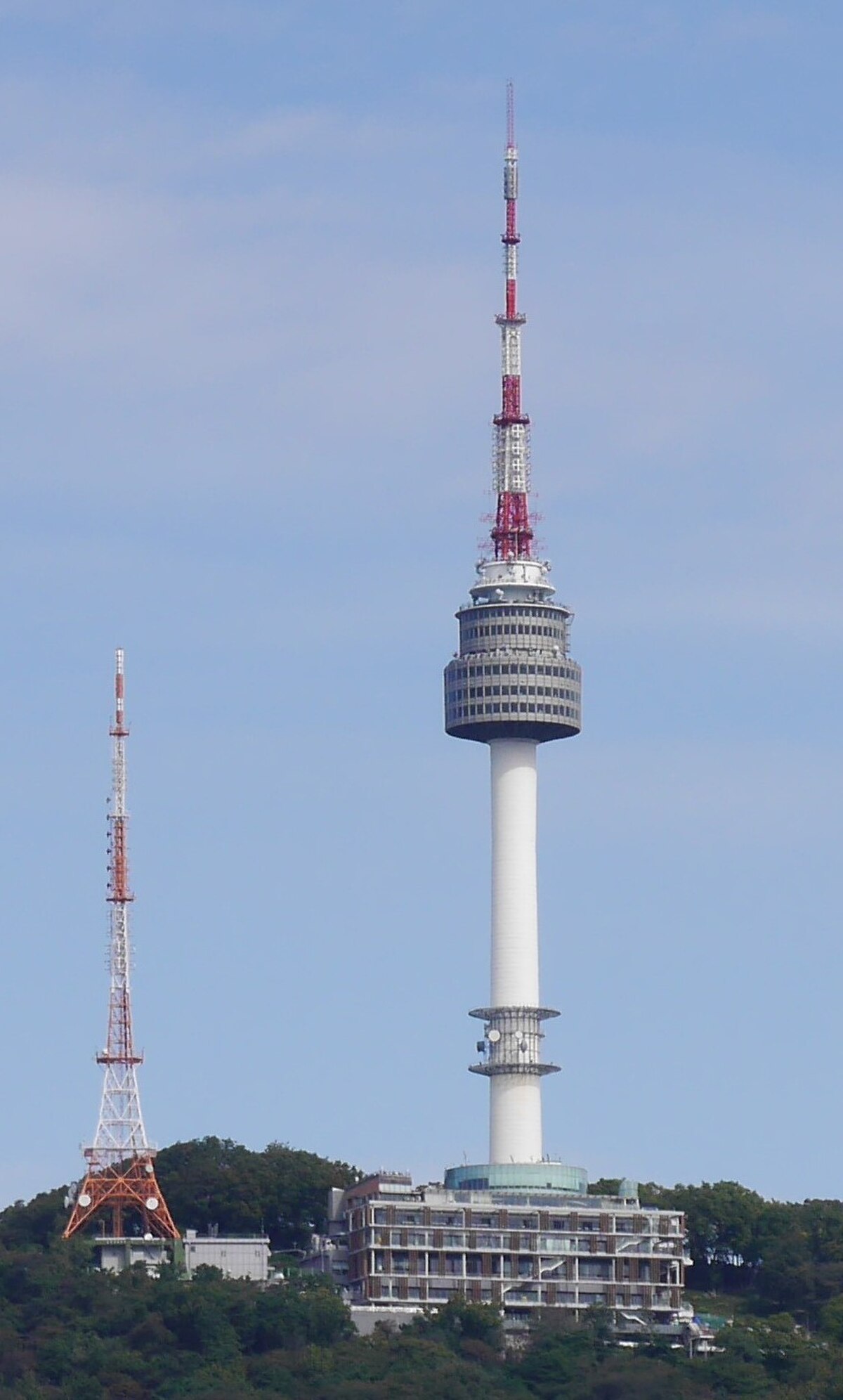
N Seoul Tower: Seoul's Most Iconic Landmark
Perched atop Namsan mountain, N Seoul Tower offers breathtaking 360-degree views of the city and has become a beloved symbol of Seoul's modern romance.
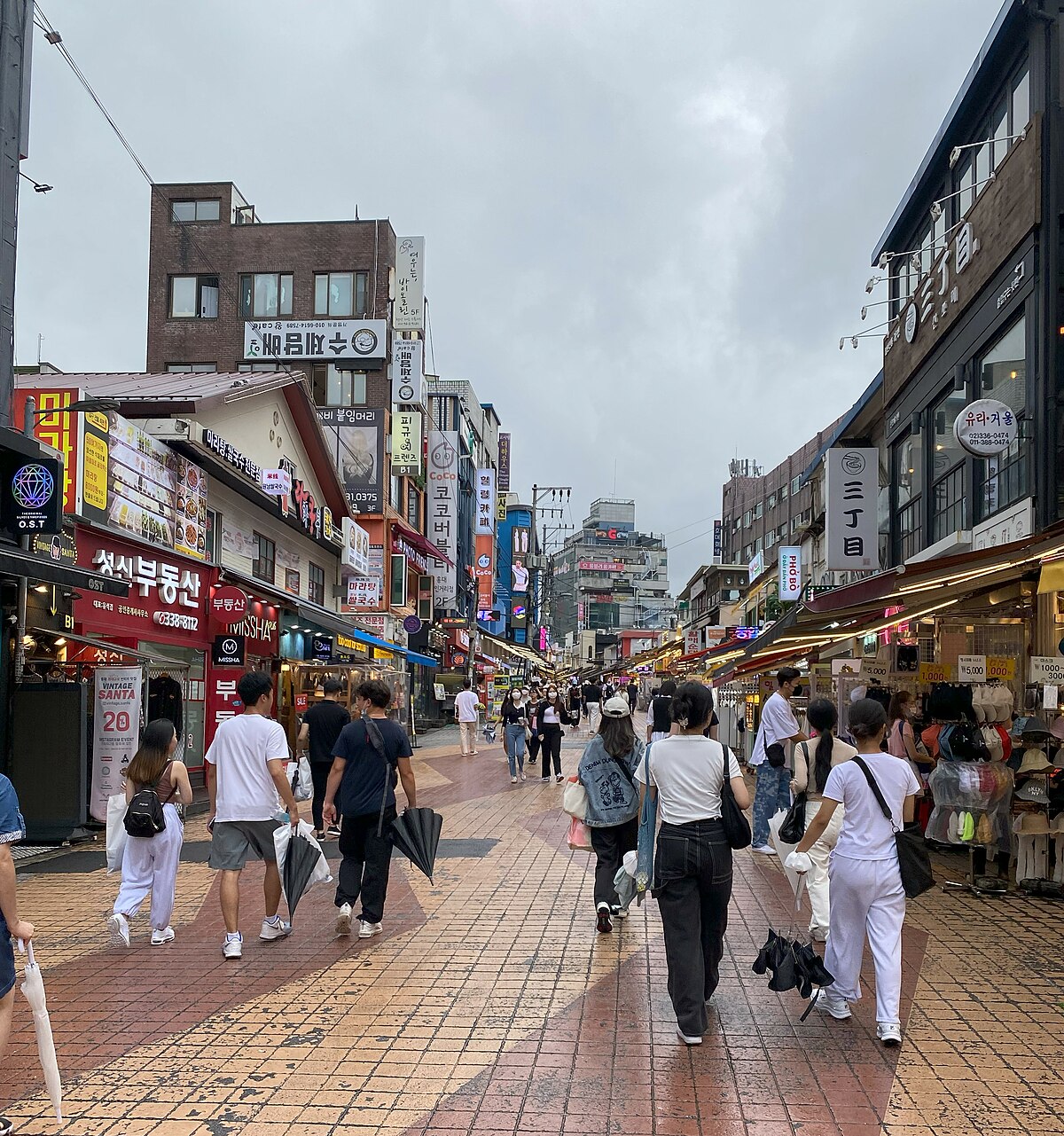
Hongdae: Seoul's Creative Youth Capital
Seoul's most vibrant arts and nightlife district, Hongdae pulses with indie music, street performances, quirky cafés, and the creative energy of Korea's top arts university.
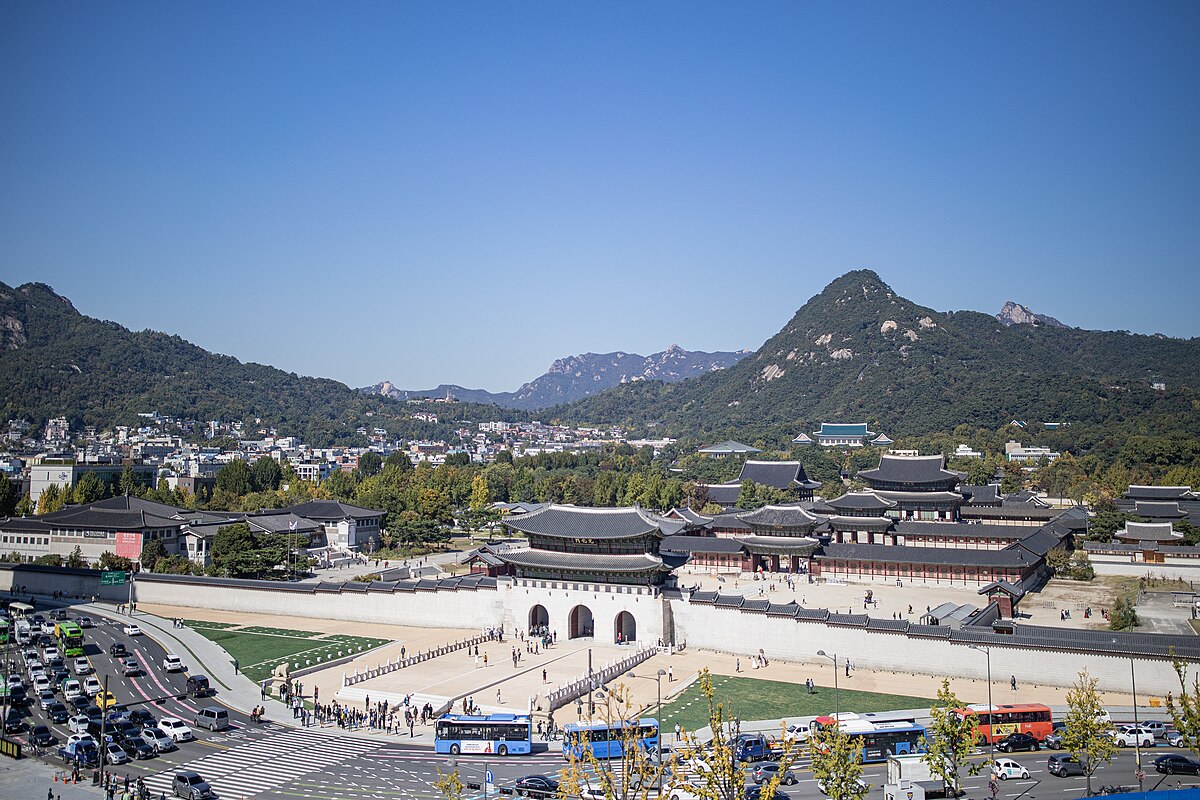
Gyeongbokgung: Seoul's Grand Joseon Palace
The largest and most magnificent of Seoul's Five Grand Palaces, Gyeongbokgung served as the heart of the Joseon Dynasty for over 500 years.