Uirimji: Korea's Oldest Reservoir
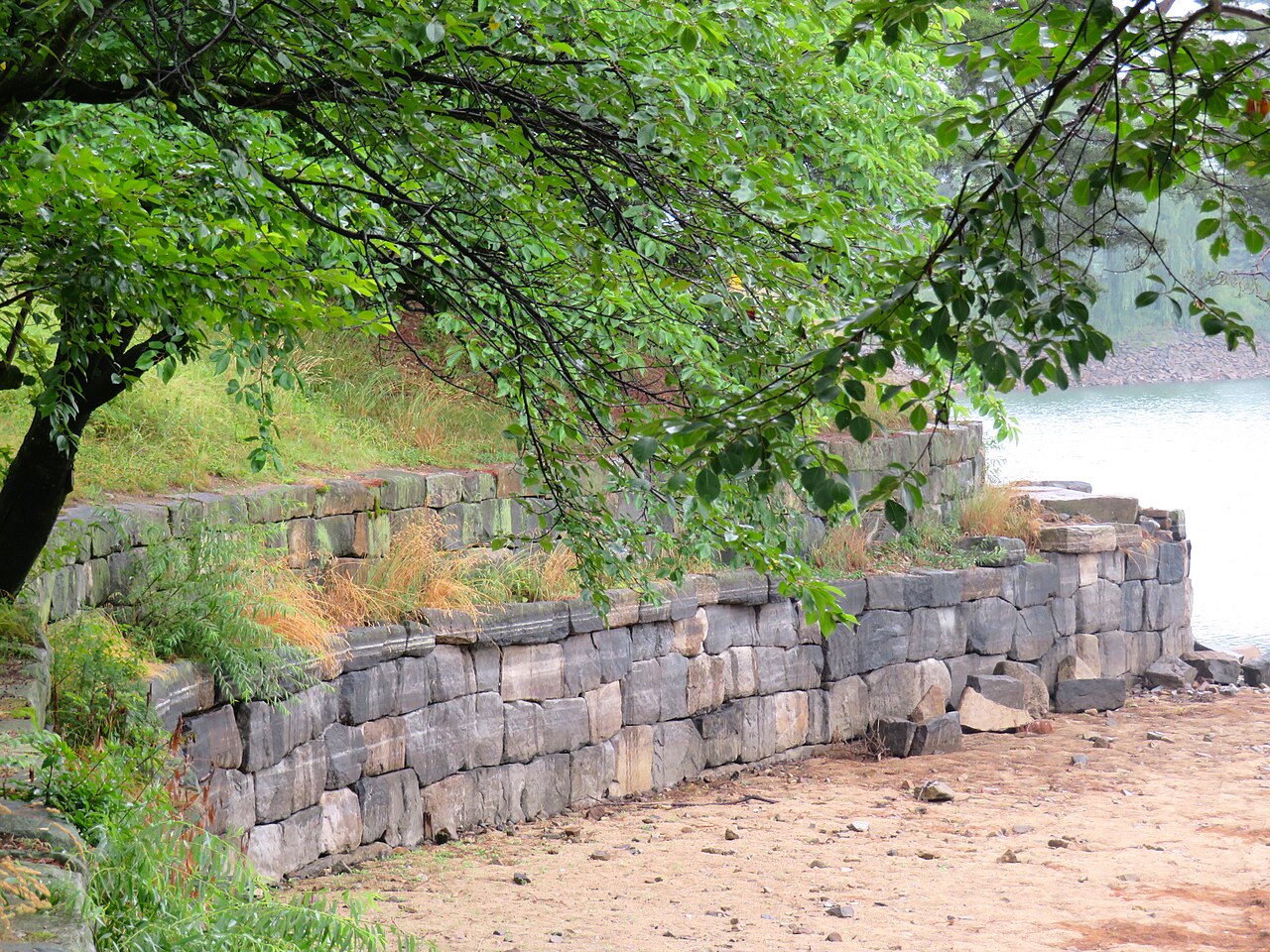
Uirimji in Jecheon is one of Korea's three oldest reservoirs, believed to have been constructed over 1,500 years ago during the Three Kingdoms period, and today surrounded by a scenic park famous for its cherry blossoms, weeping willows, and traditional pavilions.
Photo: Wikipedia Commons
What Is Uirimji?
Uirimji (의림지) is a man-made reservoir in Jecheon, North Chungcheong Province, covering approximately 150,000 square metres and surrounded by a 1.8-kilometre lakeside walking trail. The reservoir is fed by mountain springs and has maintained a consistent water level for centuries, a fact that earned it status as a Historic and Scenic Site under Korean Cultural Heritage Law. The lake's surface reflects the surrounding hills and the two historic pavilions — Yeonghoru and Gyeonghoeru — built on the eastern bank in the Joseon period.
History & Significance
Historical records attribute the construction of Uirimji to Ugye Bokho, an agricultural engineer of the Three Kingdoms period, making it potentially 1,500 years old — though some historians date earlier earthworks to the prehistoric period. The reservoir was a critical irrigation source for the Jecheon basin throughout the Joseon dynasty and remained in active agricultural use until the twentieth century. It is listed alongside Byeokgolje in Gimje and Susanje in Miryang as one of Korea's three great ancient reservoirs, all of which testify to the sophisticated hydraulic engineering of early Korean civilisations.
What to See & Do
The lakeside path is lined with weeping willows and cherry trees that create one of North Chungcheong Province's most celebrated spring blossom walks. The two pavilions are open to visitors and provide elevated views across the reservoir to the forested hills. A small waterfall at the reservoir's overflow weir adds movement and sound to the otherwise tranquil setting. The adjacent Uirimji Theme Park includes a traditional garden and herb plots connected to Jecheon's herbal medicine heritage.
Visitor Tips
Spring (late March to mid-April) is the peak season for cherry and willow blossoms — weekends are crowded. The reservoir is a 15-minute walk from Jecheon city centre or accessible by local bus. Admission to the lakeside park is free, though the adjacent theme park charges a small entry fee.
Tips
- 💡The pavilions are most photogenic in early morning when mist rises from the reservoir surface.
- 💡The lakeside path is fully flat and suitable for pushchairs and wheelchairs.
- 💡Combine with a visit to Jecheon's traditional herbal medicine market, a 20-minute drive away.
Last updated: April 1, 2026
You might also like
N Seoul Tower: Seoul's Most Iconic Landmark
Perched atop Namsan mountain, N Seoul Tower offers breathtaking 360-degree views of the city and has become a beloved symbol of Seoul's modern romance.
Hongdae: Seoul's Creative Youth Capital
Seoul's most vibrant arts and nightlife district, Hongdae pulses with indie music, street performances, quirky cafés, and the creative energy of Korea's top arts university.
Gyeongbokgung: Seoul's Grand Joseon Palace
The largest and most magnificent of Seoul's Five Grand Palaces, Gyeongbokgung served as the heart of the Joseon Dynasty for over 500 years.