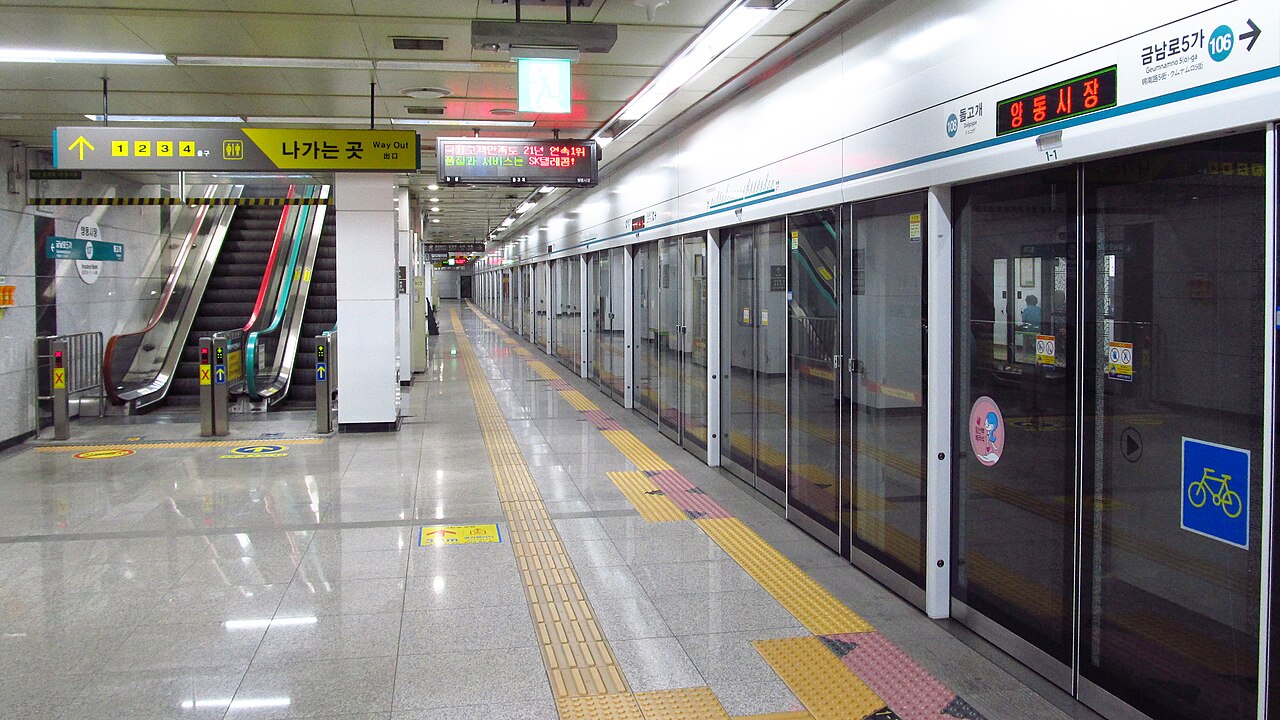
Yangdong Market: The Beating Heart of Gwangju's Food Scene
Yangdong Market is the largest traditional market in Gwangju and one of the biggest in the Honam region. It is a sensory feast of local produce, street food, and the legendary cuisine of Jeolla Province — considered Korea's culinary heartland.
Photo: Wikipedia Commons
What Is Yangdong Market?
Yangdong Market (양동시장) is a large covered traditional market in Gwangju, operating continuously since the 1950s. With over 1,500 stalls selling fresh produce, dried goods, seafood, clothing, and cookware, it is the commercial and culinary hub of the city. The market is especially famous for its food alleys, where vendors serve Jeolla-style home cooking at communal tables.
History & Significance
Yangdong Market grew from the post-war reconstruction era as Gwangju urbanised rapidly. It became the primary market supplying restaurants and households across the city. Jeolla Province is historically celebrated as Korea's breadbasket and culinary capital — its food culture, characterised by abundant banchan (side dishes) and fermented flavours, is considered more diverse and refined than that of other regions. Yangdong is the place where that tradition is most viscerally alive.
What to See & Do
The inner food alleys are the main draw: look for stalls serving bindaetteok (mung bean pancakes), gukbap (rice soup), and fresh makgeolli (rice wine). The produce section displays varieties of kimchi, fermented pastes, and regional vegetables not easily found elsewhere. Several vendors sell traditional Gwangju-style pork dishes. The market atmosphere is loud, warm, and entirely local — very few tourists venture inside.
Visitor Tips
Morning is the best time to visit when produce is freshest and the market is most active. Most food stalls operate from early morning until mid-afternoon. Prices are very low by any standard — a full meal costs around 5,000–8,000 KRW. The market is a short taxi or bus ride from the ACC or downtown Gwangju. Bring cash as most vendors do not accept cards.
Tips
- 💡Try bindaetteok (mung bean pancakes) with a cup of makgeolli — the classic Yangdong pairing.
- 💡Visit in the morning for the best selection of fresh produce and hot food.
- 💡Bring cash; the majority of stalls are cash-only.
Last updated: April 1, 2026
You might also like
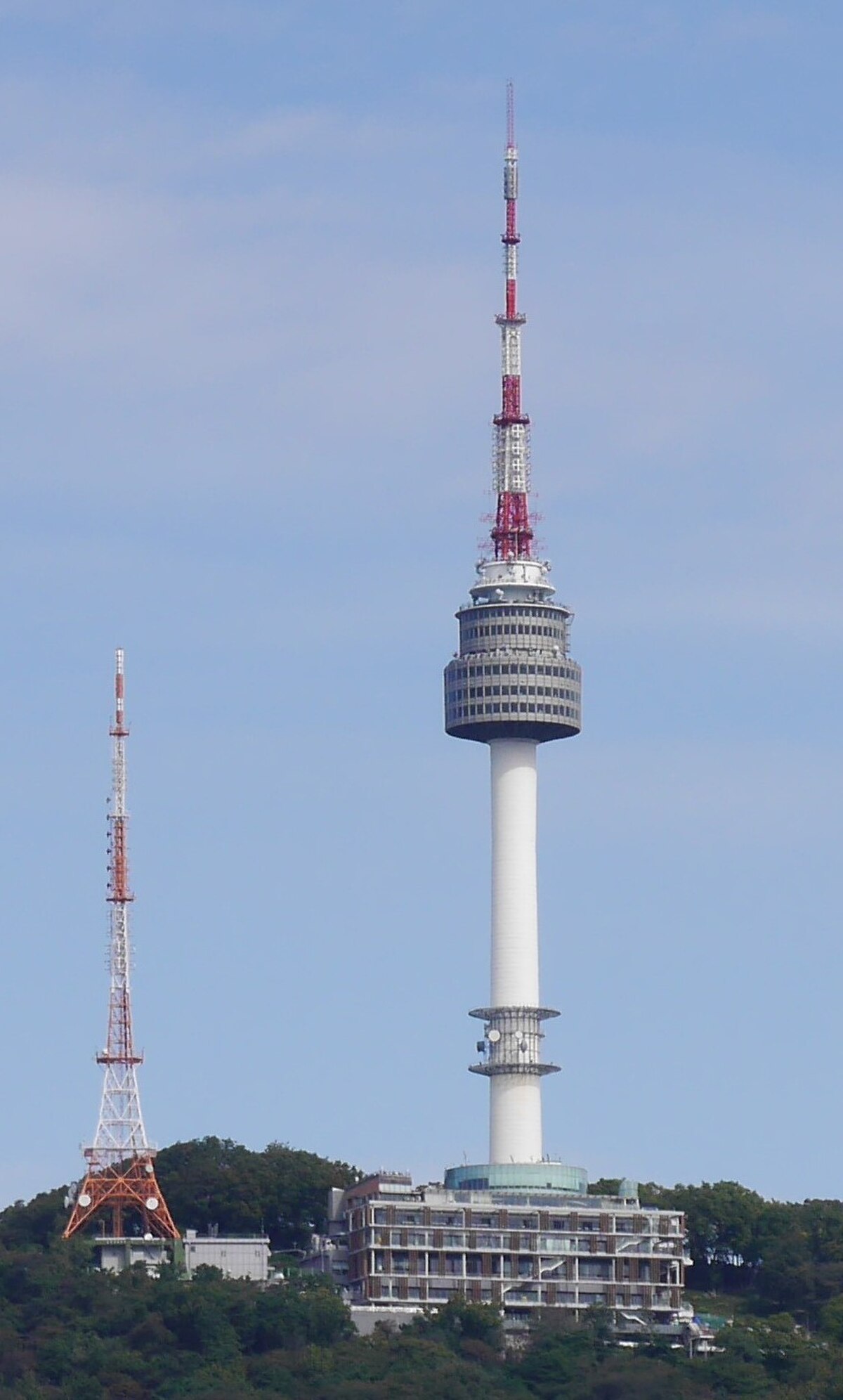
N Seoul Tower: Seoul's Most Iconic Landmark
Perched atop Namsan mountain, N Seoul Tower offers breathtaking 360-degree views of the city and has become a beloved symbol of Seoul's modern romance.
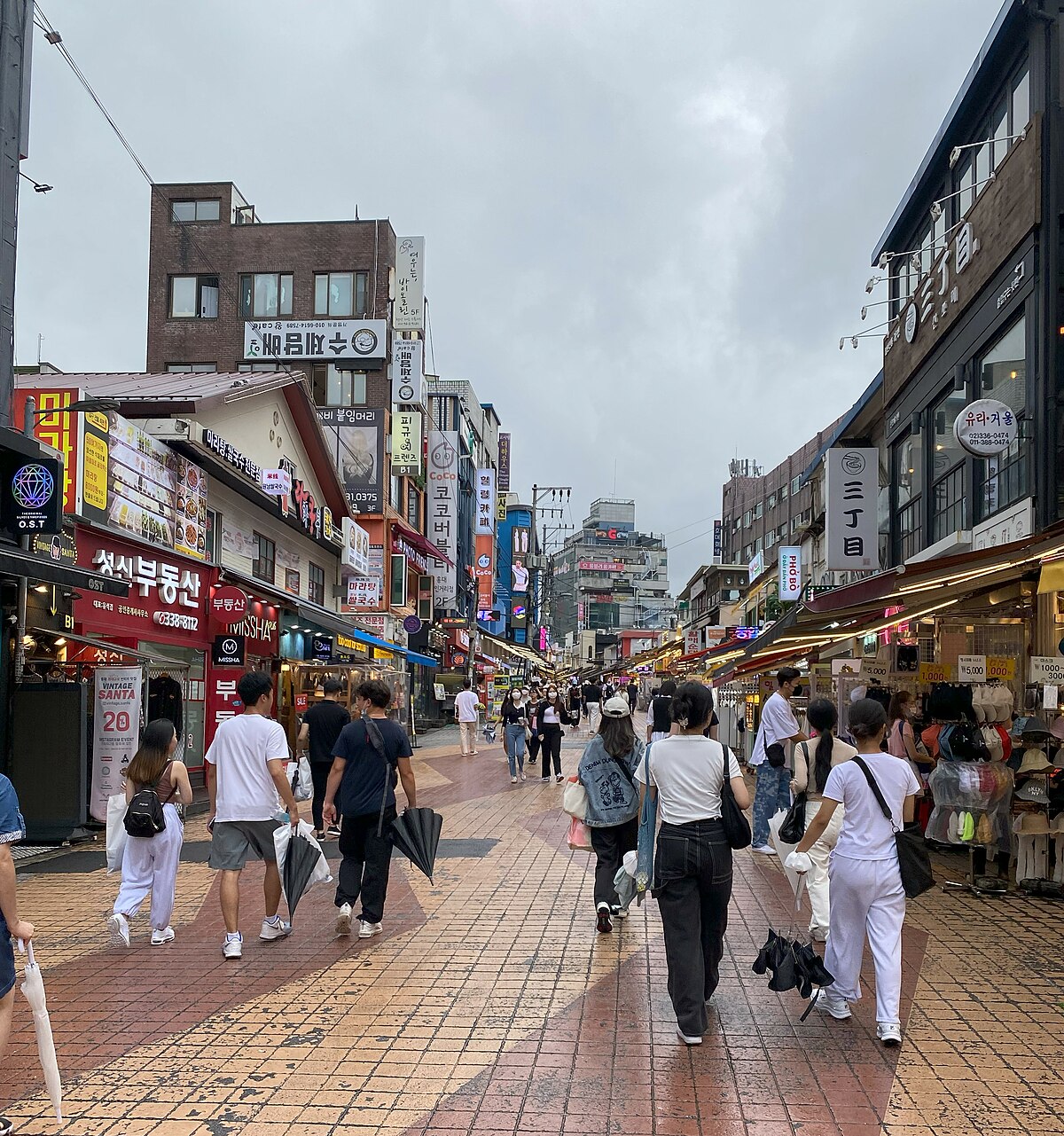
Hongdae: Seoul's Creative Youth Capital
Seoul's most vibrant arts and nightlife district, Hongdae pulses with indie music, street performances, quirky cafés, and the creative energy of Korea's top arts university.
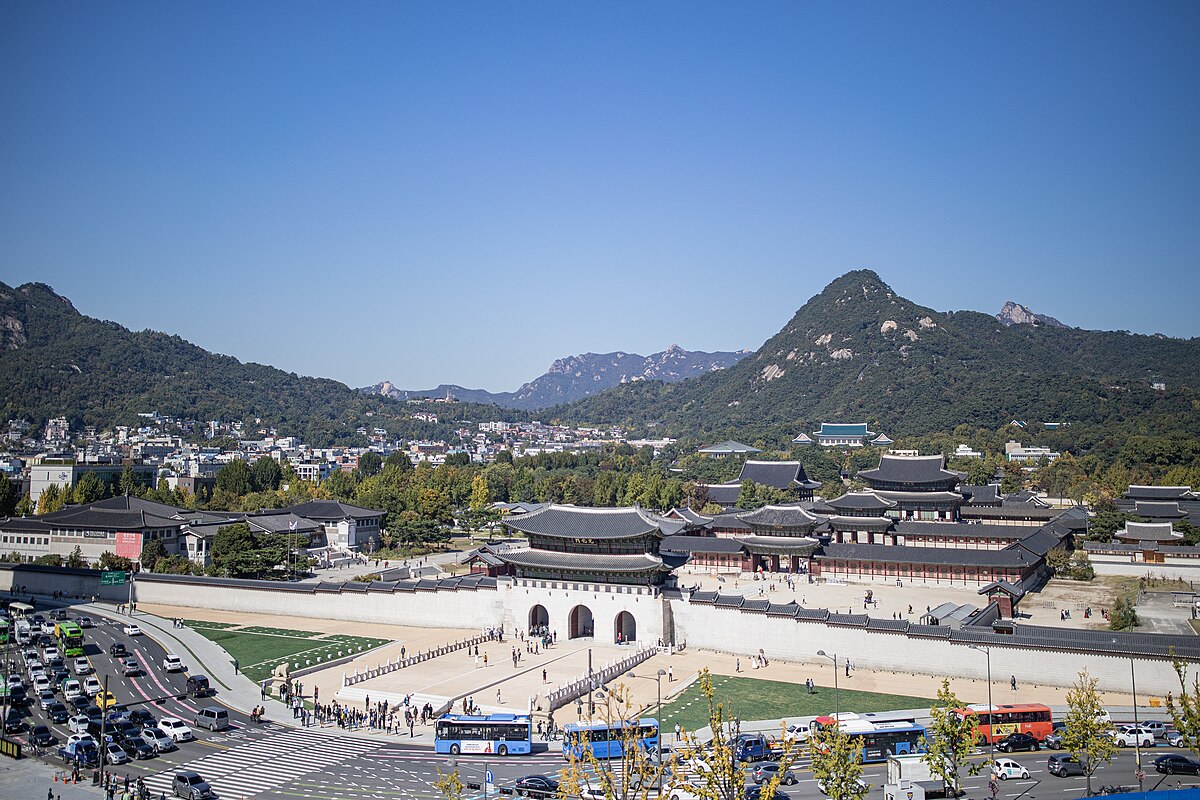
Gyeongbokgung: Seoul's Grand Joseon Palace
The largest and most magnificent of Seoul's Five Grand Palaces, Gyeongbokgung served as the heart of the Joseon Dynasty for over 500 years.