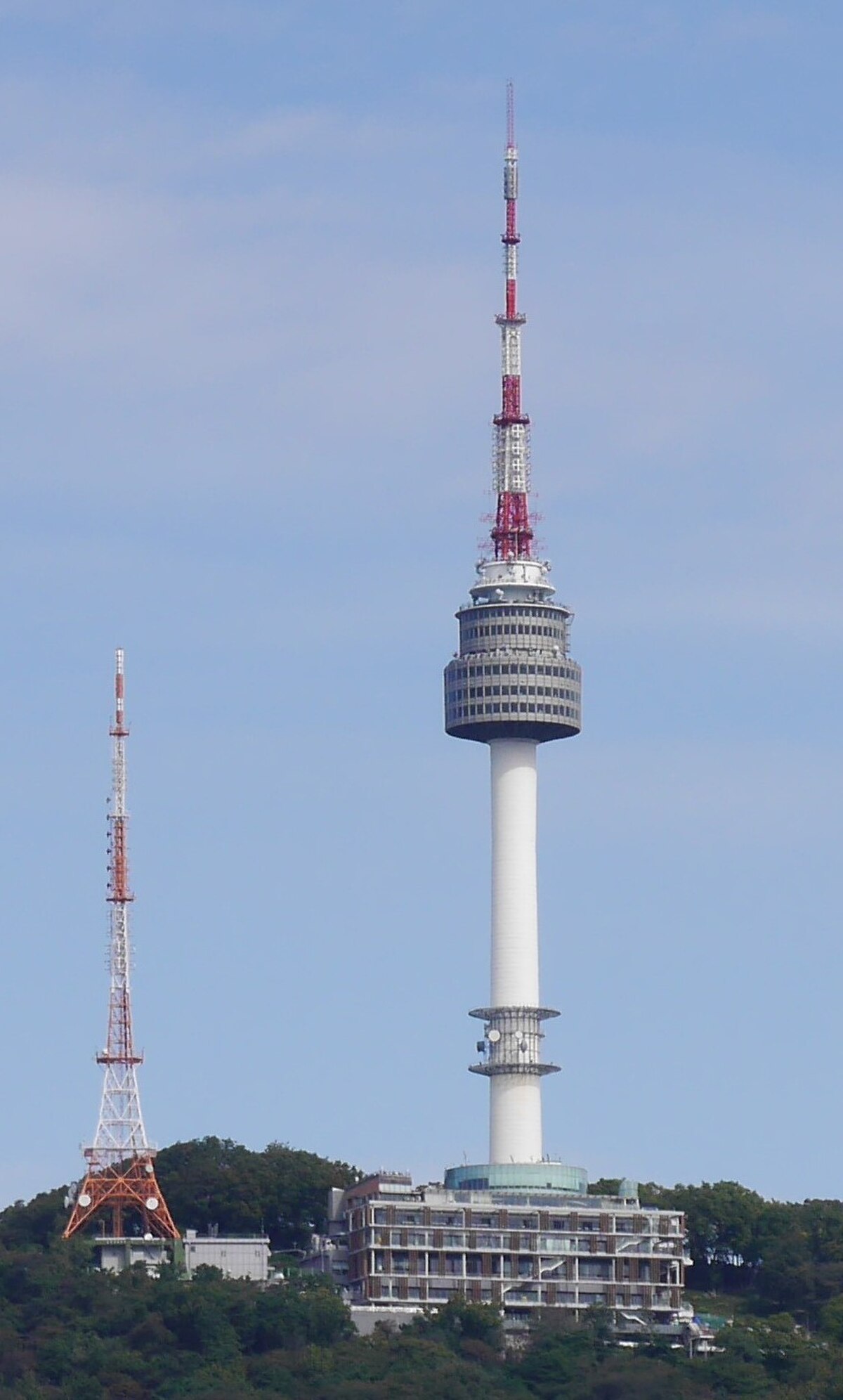
N Seoul Tower: Seoul's Most Iconic Landmark
Perched atop Namsan mountain, N Seoul Tower offers breathtaking 360-degree views of the city and has become a beloved symbol of Seoul's modern romance.
Photo: Wikipedia Commons
What Is N Seoul Tower?
N Seoul Tower (N서울타워), officially known as Namsan Seoul Tower, stands 236 meters tall atop Namsan mountain at an elevation of 479.7 meters above sea level — making the top viewpoint visible from virtually anywhere in Seoul. The 'N' in its name stands for both 'Namsan' and 'New,' reflecting the tower's dual identity as a historic landmark and modern attraction. Originally built in 1969 as a broadcasting tower, it opened to the public in 1980 and has since evolved into one of Seoul's premier tourist destinations. The tower's observation decks provide stunning panoramic views of the city's skyline, the Han River winding through the urban landscape, and on clear days, even the mountains of North Korea in the distance. Beyond sightseeing, the tower has become deeply embedded in Korean pop culture — it features prominently in K-dramas and is associated with one of Seoul's most romantic traditions: the 'love locks' attached to the fences surrounding the base of the tower by couples pledging their devotion.
History & Significance
Namsan mountain itself has been a central feature of Seoul's geography for millennia. During the Joseon Dynasty, a fire beacon system on its summit was used to relay urgent military messages across the kingdom. The mountain has long been considered a guardian of Seoul, and it remains one of the city's most beloved natural retreats. The tower was constructed in 1969 primarily for telecommunications purposes — it still serves this function today, broadcasting TV and radio signals across the Seoul metropolitan area. After its public opening in 1980, it steadily grew in popularity and underwent major renovations in 2005, when it was rebranded as 'N Seoul Tower' and significantly upgraded with new restaurants, observation facilities, and digital displays. The love lock tradition began organically around 2006-2007 when couples started attaching padlocks to the fence near the tower as a symbol of eternal love, inspired in part by similar traditions in Europe. The trend exploded in popularity, with millions of locks covering the fences and dedicated display structures today.
What to See & Do
The observation deck at the top of the tower is the main draw, offering 360-degree views through floor-to-ceiling windows. Digital displays tell you exactly what you're looking at in each direction, and on particularly clear days the view extends far beyond the city limits. The deck also features a traditional Korean-style ceiling design and a rotating restaurant at the top. The base of the tower on Namsan is surrounded by a plaza filled with thousands of love locks left by couples from around the world. You can purchase a lock at nearby shops and add your own to the collection before throwing away the key. The plaza also hosts outdoor performances and events, especially on weekends. Getting to the tower is part of the experience — you can take the Namsan Cable Car from near Myeongdong Station for a scenic ascent, hike up one of several walking trails (30-60 minutes), or take a bus from various points around the mountain's base.
- ·Ride the Namsan Cable Car for a scenic ascent to the tower area
- ·Attach a love lock to the famous fences with someone special
- ·Visit the observation deck at sunset for the most spectacular views
- ·Dine at the revolving restaurant for a unique Seoul dining experience
- ·Hike the Namsan walking trails — beautiful in all seasons, especially autumn
Visitor Tips
The tower is open daily from 10 AM to 11 PM (last entry 10:30 PM), with occasional closures for maintenance. Admission to the observation deck is approximately 16,000 KRW for adults. Consider visiting on a weekday evening when crowds are smaller and the city lights are coming on — truly spectacular. To reach the tower, take subway Line 4 to Myeongdong Station (Exit 3) and walk about 15 minutes to the cable car station, or take City Bus 02 from several nearby stops. The Namsan Sunhwan Bus (green buses 02, 03, 05) circles the mountain conveniently. Dress warmly in winter as the mountain top can be considerably colder than the city below. Download the N Seoul Tower app for visitor information and digital content available through the tower.
Tips
- 💡Visit at sunset — arrive about 30 minutes before sundown to see both the golden hour and city lights
- 💡Book tickets online in advance on weekends and holidays to avoid long queues
- 💡Bring a jacket even in summer — the mountain top is 5-10°C cooler than street level
Last updated: March 30, 2026
あなたも好きかもしれません
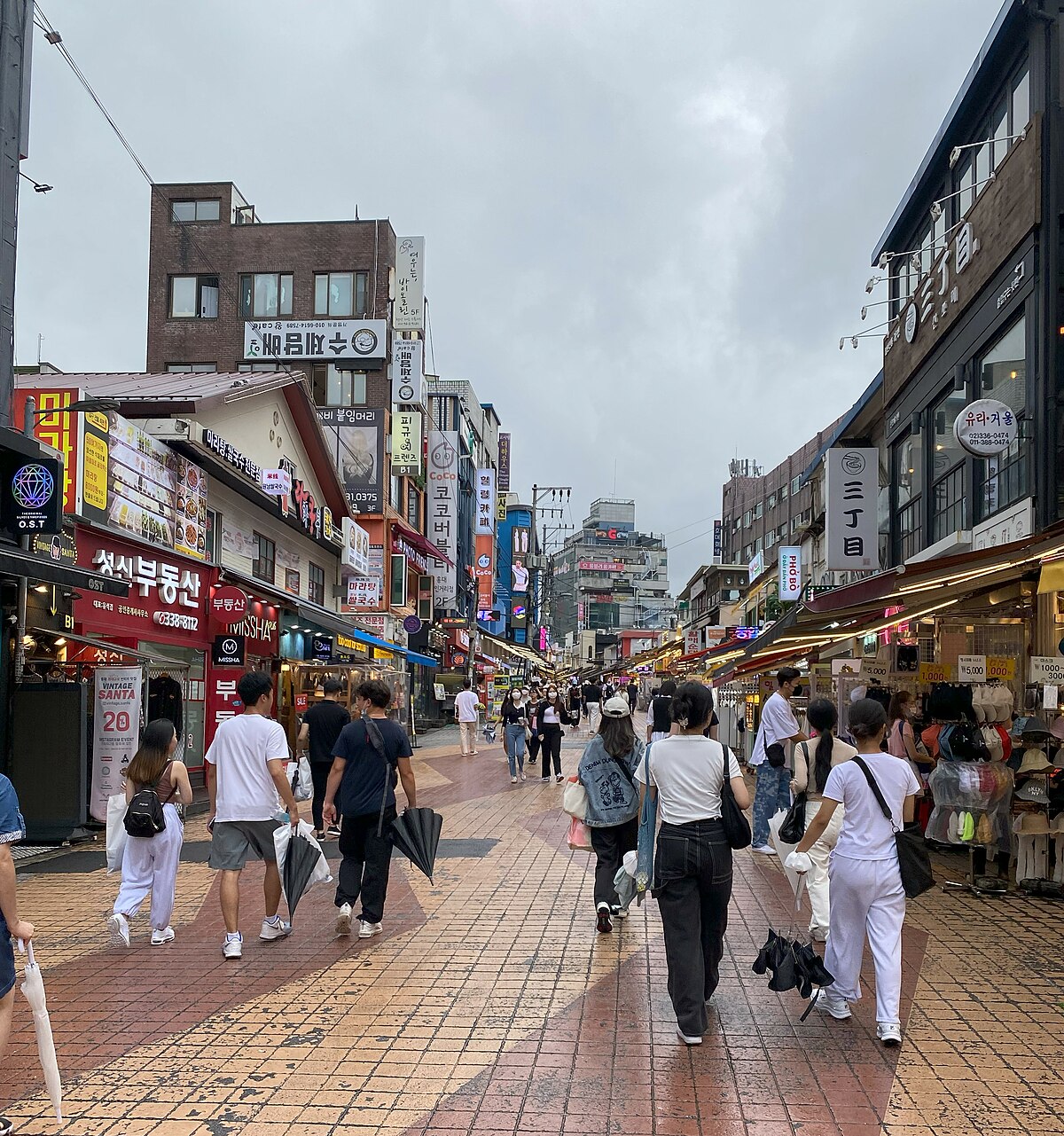
Hongdae: Seoul's Creative Youth Capital
Seoul's most vibrant arts and nightlife district, Hongdae pulses with indie music, street performances, quirky cafés, and the creative energy of Korea's top arts university.
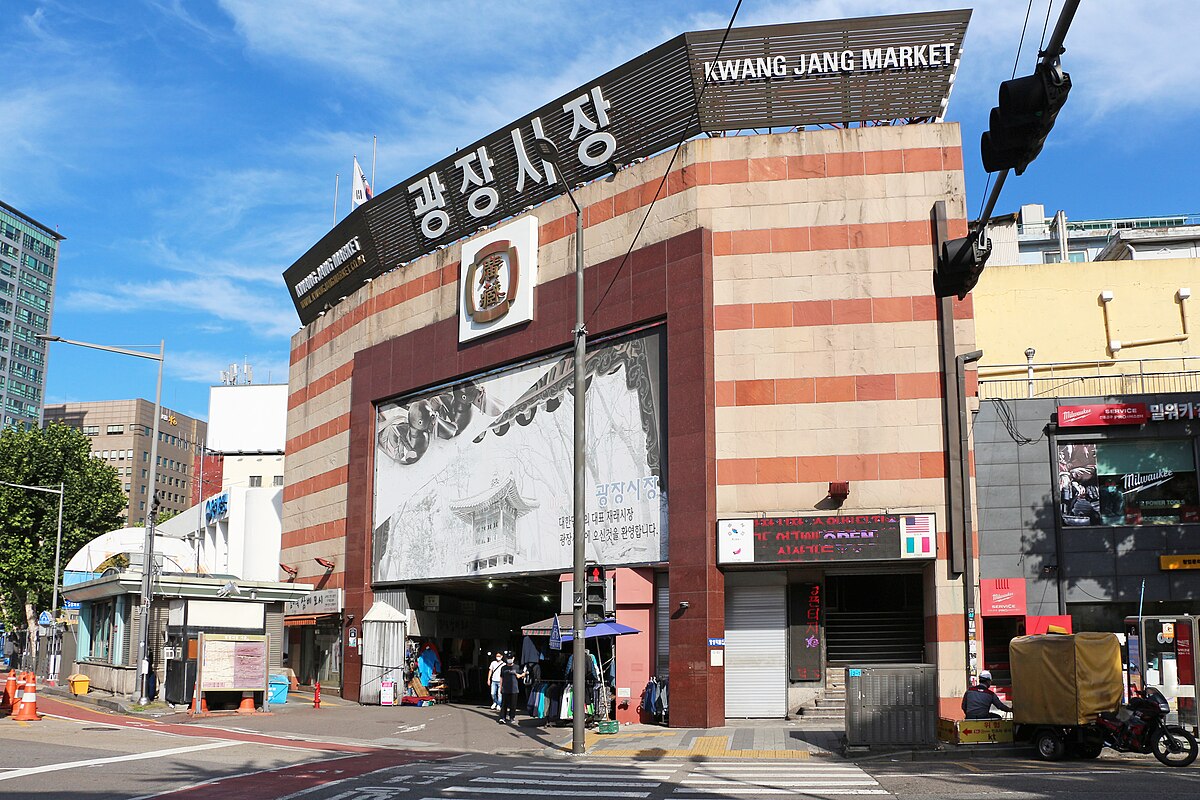
Gwangjang Market: Seoul's Oldest and Most Delicious Traditional Market
Founded in 1905, Gwangjang Market is Seoul's oldest market and most famous street food destination, renowned for bindaetteok, mayak gimbap, and yukhoe.
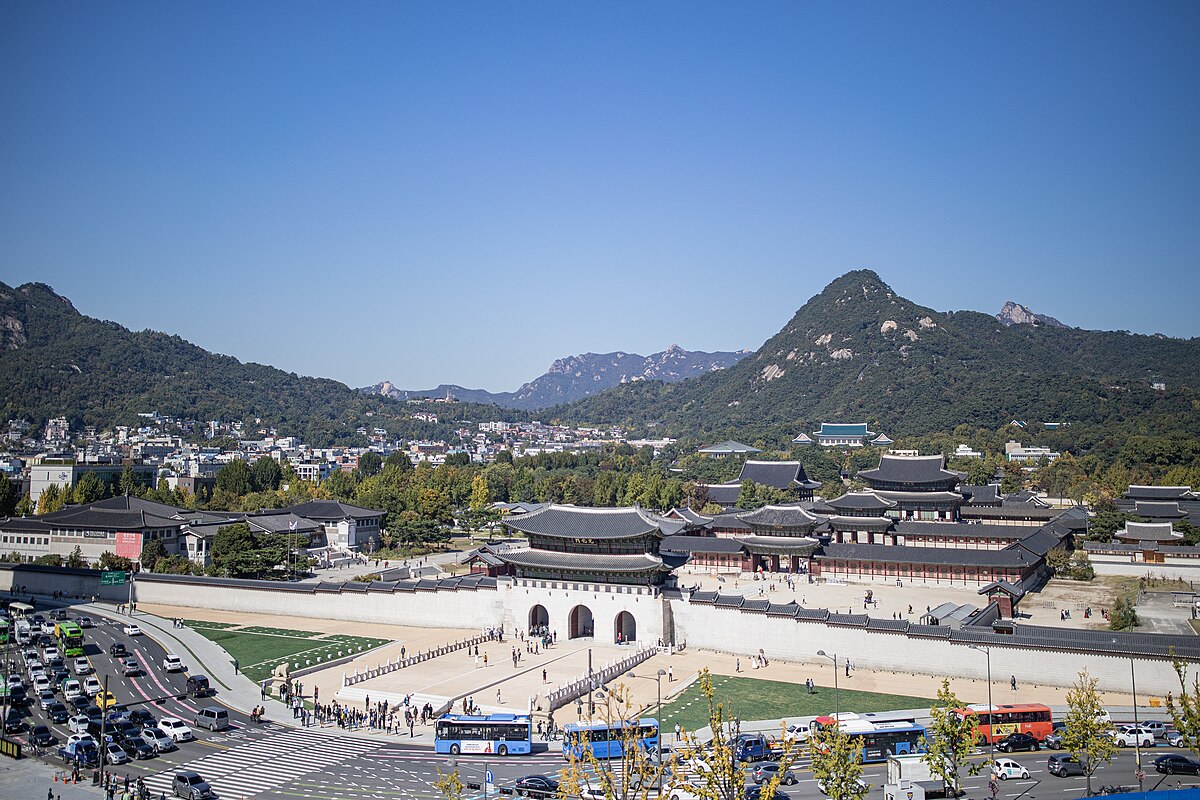
Gyeongbokgung: Seoul's Grand Joseon Palace
The largest and most magnificent of Seoul's Five Grand Palaces, Gyeongbokgung served as the heart of the Joseon Dynasty for over 500 years.