Cheomseongdae: Asia's Oldest Surviving Observatory
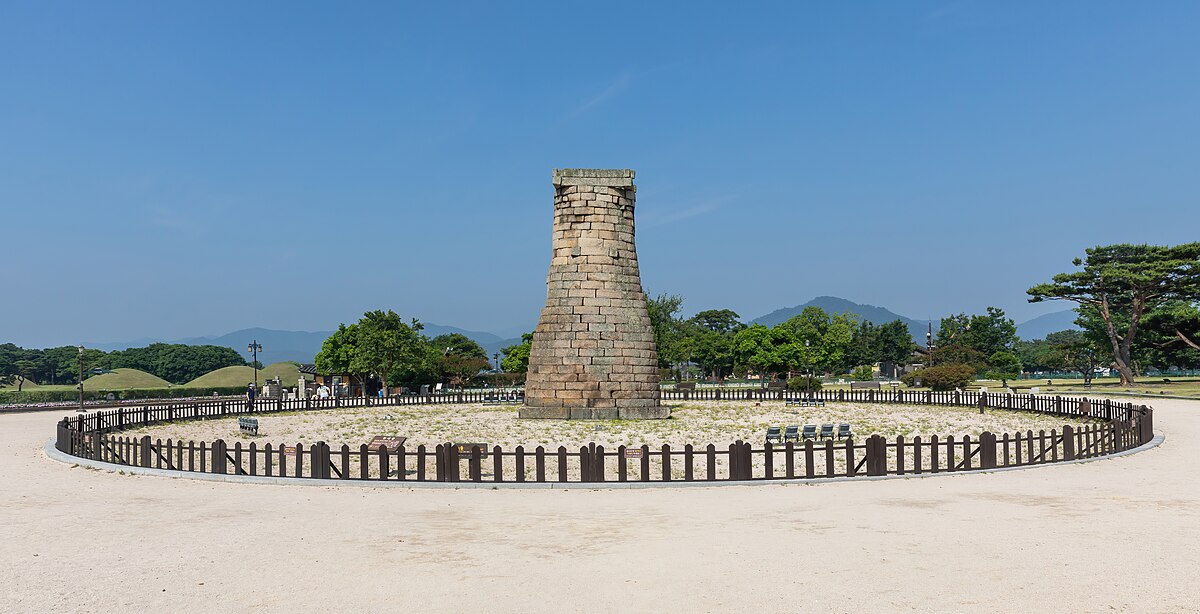
Built in the 7th century during the Silla Kingdom, Cheomseongdae is Asia's oldest surviving astronomical observatory. Its 362 stones — one for each day of the lunar year — encode the calendar in architecture.
Photo: Wikipedia Commons
What Is Cheomseongdae?
Cheomseongdae (첨성대, meaning 'star-gazing tower') is a 9.17-metre-tall granite cylindrical tower built between 632 and 647 AD during the reign of Queen Seondeok of the Silla Kingdom. It is the oldest existing astronomical observatory in East Asia and one of the oldest in the world. The structure is composed of 362 granite blocks arranged in 27 circular layers, with a square stone platform at top and base. Scholars believe the number 362 corresponds to the days of the lunar year, and the structure may also encode the 24 seasonal divisions of the East Asian calendar. A square window opening on the south-facing side likely allowed astronomers to observe celestial phenomena inside the shaft.
History & Significance
Cheomseongdae was constructed during the reign of Queen Seondeok, Korea's first reigning queen, who was known for her interest in astronomy and science. The observatory served practical purposes — agricultural societies depended on precise astronomical knowledge for planting and harvest calendars. The surrounding area, known as Gyeongju Historic Areas, was the capital of the Silla Kingdom for nearly 1,000 years (57 BC – 935 AD), and Cheomseongdae stands among a concentration of royal tombs, palaces, and Buddhist monuments that earned the entire region UNESCO World Heritage status in 2000. The tower has survived intact for over 1,300 years, a testament to its engineering and the care taken in its preservation.
What to See & Do
Cheomseongdae sits in a large open field alongside other Silla-era monuments — Tumuli Park's royal burial mounds are a short walk away, as are the remains of Wolseong Palace and the Anapji (Wolji) Pond. The tower is best appreciated by walking slowly around its full circumference; the gentle taper of the cylindrical form and the precise fitting of the granite blocks become more impressive up close. In spring, the surrounding barley and canola fields create a vibrant green and yellow backdrop. At golden hour before sunset, the warm light on the granite against the field colours is one of the most photographed scenes in Korea. Night lighting illuminates the tower for evening visits.
Visitor Tips
Cheomseongdae is open year-round with no entrance fee for the outdoor site itself. Arrive at golden hour (roughly 1 hour before sunset) for the best photography conditions — the low light reveals the texture of the granite and the surrounding fields glow. Combine the visit with nearby Tumuli Park (10-minute walk) and Anapji Pond (15-minute walk) for a full Silla historical circuit. The site can be crowded during national holidays and spring cherry blossom season; early morning visits offer serenity. The Gyeongju National Museum, a 15-minute walk away, provides deep context for everything you'll see in the historic area.
Tips
- 💡Golden hour against the surrounding barley fields creates one of the most photographed scenes in Korea.
- 💡Combine with Tumuli Park and Anapji Pond for a complete Silla-era historical circuit.
- 💡The site is open at night with lighting — the illuminated tower in darkness has a completely different character.
최종 수정: 2026년 4월 1일
이런 글도 있어요
N Seoul Tower: Seoul's Most Iconic Landmark
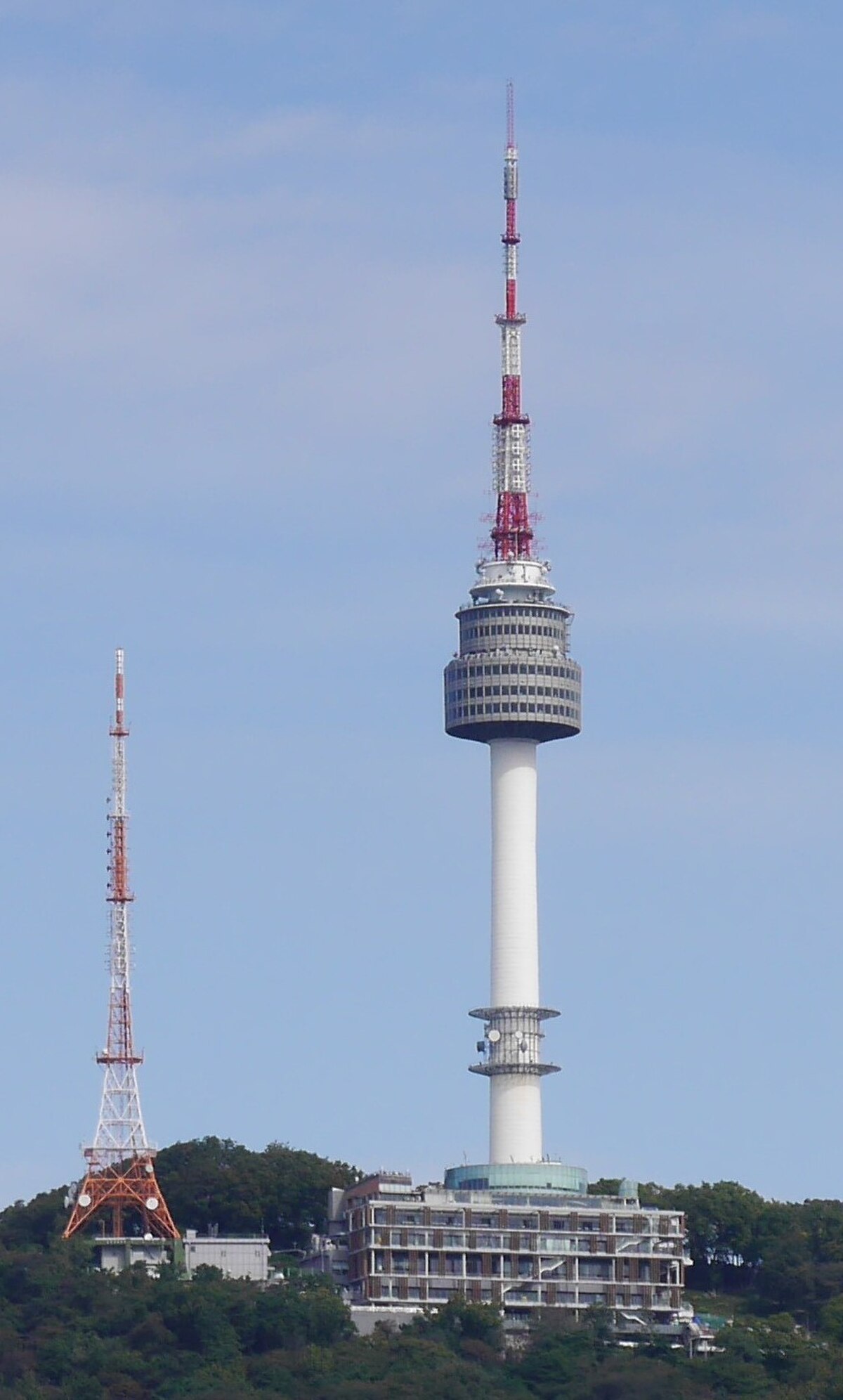
Perched atop Namsan mountain, N Seoul Tower offers breathtaking 360-degree views of the city and has become a beloved symbol of Seoul's modern romance.
Hongdae: Seoul's Creative Youth Capital
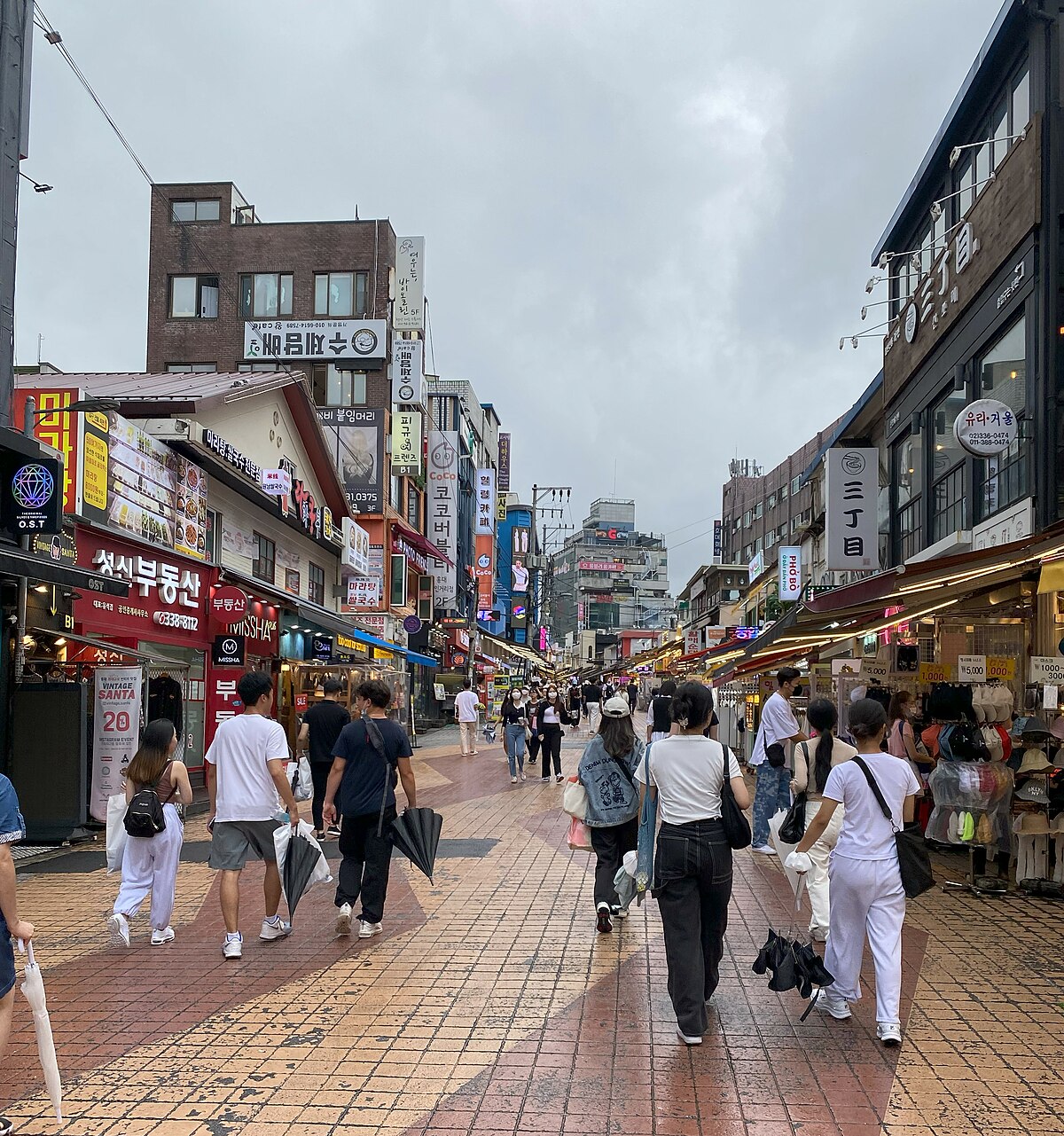
Seoul's most vibrant arts and nightlife district, Hongdae pulses with indie music, street performances, quirky cafés, and the creative energy of Korea's top arts university.
Gyeongbokgung: Seoul's Grand Joseon Palace
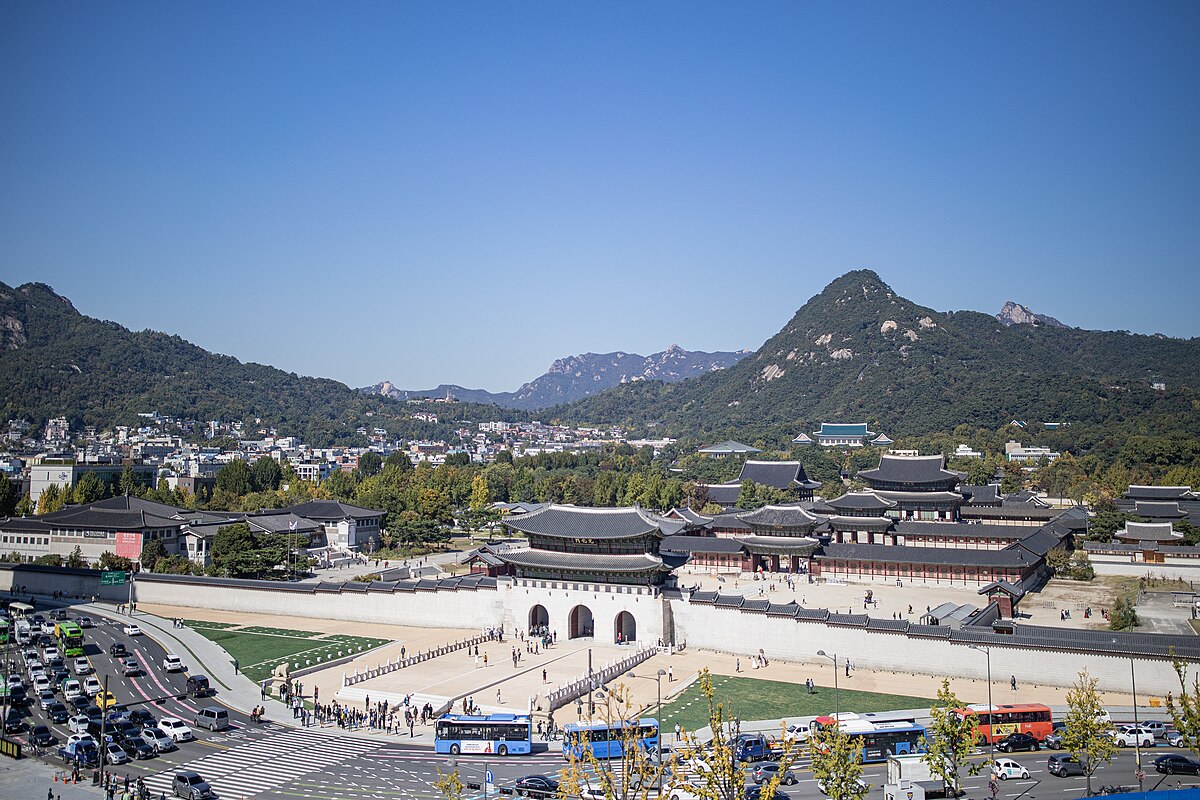
The largest and most magnificent of Seoul's Five Grand Palaces, Gyeongbokgung served as the heart of the Joseon Dynasty for over 500 years.