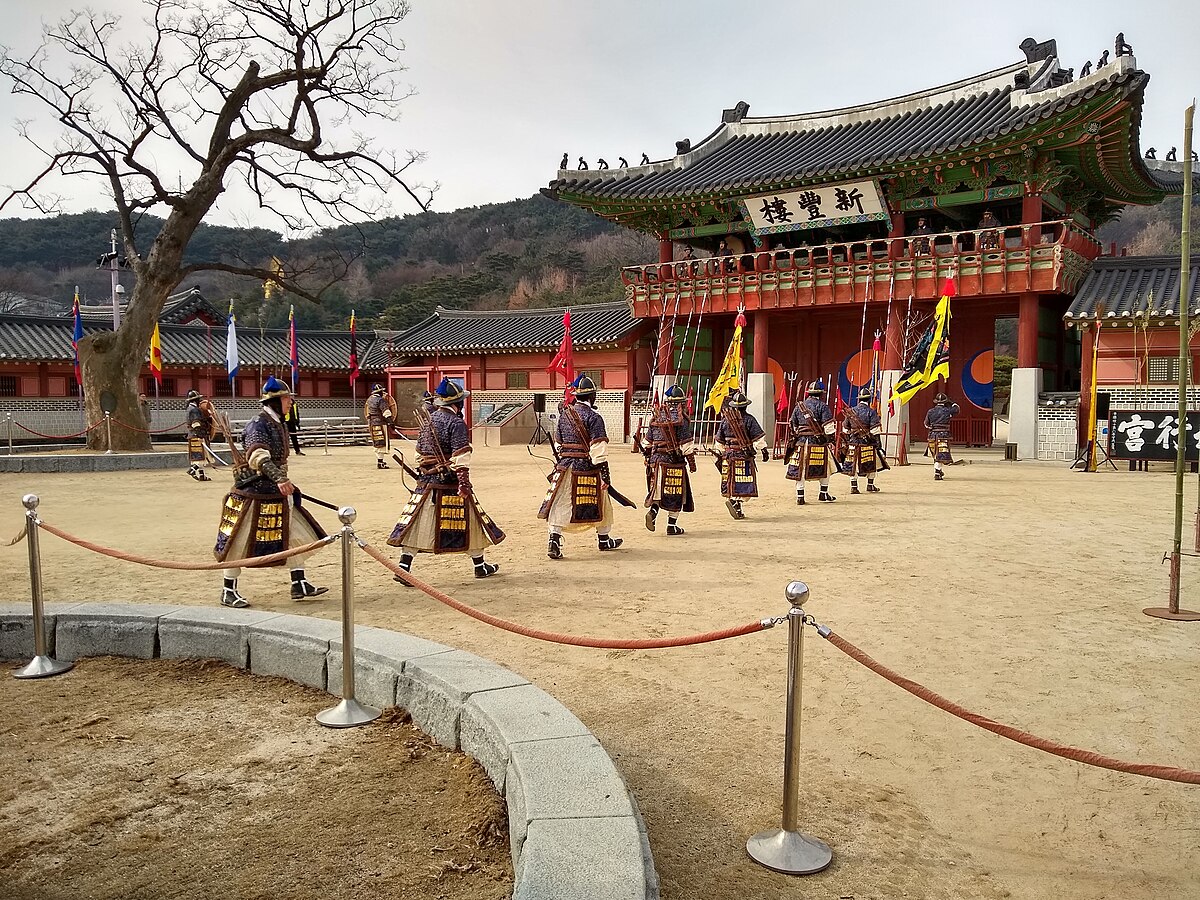
Hwaseong Fortress: Suwon's UNESCO-Listed Royal Walled City
Built by King Jeongjo in 1796 as an expression of Joseon enlightenment ideals, Hwaseong Fortress surrounds Suwon's historic center with 5.7km of magnificently preserved walls, towers, and gates.
Photo: Wikipedia Commons
What Is Hwaseong Fortress?
Hwaseong Fortress (수원화성, Suwon Hwaseong) is a 5.7-kilometer-long city wall that encircles the historic center of Suwon, the capital of Gyeonggi Province, approximately 30 kilometers south of Seoul. Built between 1794 and 1796 under the command of King Jeongjo of Joseon, it represents the pinnacle of late Joseon military architecture and is a UNESCO World Heritage Site. The fortress wall traverses dramatically varied terrain — crossing hills, following valleys, and incorporating natural features into its design. Along the walls stand 48 military and administrative structures: four main gates (the most important being Paldalmun and Janganmun), command posts, artillery towers (gongsimdon), watchtowers, floodgates, and a secret sally gate. Together they form one of the most complete and impressive sets of historical military fortifications in East Asia. What makes Hwaseong unique in the history of Korean fortresses is its documented construction — King Jeongjo ordered that every detail of the building process be recorded in a comprehensive official document called the Hwaseong Seongyeok Uigwe. This extraordinary record details the architects, workers, materials, techniques, costs, and completion timeline, making it one of the most thoroughly documented construction projects in pre-modern Korean history. This documentation also proved invaluable for the precise restoration completed in 1975.
History & Significance
Hwaseong was built by King Jeongjo (r. 1776-1800), one of the most celebrated monarchs of the Joseon Dynasty, as part of his plan to build a new model city that would serve as his eventual retirement capital. The fortress was designed to protect this new city, which he planned to develop as a center of enlightened governance, commerce, and culture. The construction was overseen by the scholar-official Jeong Yak-yong (also known as Dasan), one of Korea's greatest intellectuals, who invented innovative construction machines — a crane and a pulley system — specifically for the project, dramatically reducing the time and labor required. These machines represented an impressive application of practical innovation in traditional Korea. The fortress suffered damage during the Japanese colonial period and the Korean War, with several gates and sections of wall damaged or destroyed. The restoration completed between 1975 and 1979, based on the detailed original Uigwe documentation, rebuilt damaged sections with remarkable fidelity to the original construction. The fortress was designated a UNESCO World Heritage Site in 1997.
What to See & Do
Walking the full 5.7km circuit of the fortress walls is the ideal way to experience Hwaseong — the walk takes approximately 2-3 hours and provides changing views over the city of Suwon and surrounding landscape from different elevations and angles. The wall walk is not continuously accessible (some sections require descending and re-ascending), but most of the circuit is walkable. The four main gates are architectural highlights in themselves. Paldalmun (South Gate) is the most celebrated, a two-story wooden gate structure of elegant proportions set in a distinctive semi-circular outer wall (ongseong). Janganmun (North Gate) is the largest gate and features impressive defensive architecture including multiple flanking tower structures. Hwahongmun (North Floodgate) is one of the most picturesque spots — a seven-arch water gate where the stream passes through the fortress wall, reflecting beautifully in the water below. The Hwaseong Haenggung (화성행궁) is a large palace complex within the fortress walls, used by King Jeongjo as his temporary palace during visits to Suwon. Restored in the 1990s, it now hosts cultural performances and is open to visitors. The monthly Suwon Hwaseong Cultural Festival brings traditional performances and activities to the fortress grounds.
- ·Walk the full 5.7km fortress wall circuit for views of the city and military structures
- ·Photograph Hwahongmun (North Floodgate) for the most picturesque spot on the fortress
- ·Visit the Hwaseong Haenggung palace complex within the fortress walls
- ·Watch the Royal Military Drill Performance at the palace (held seasonally)
- ·Climb to the highest points of the walls for the best panoramic city views
Visitor Tips
Hwaseong Fortress walls are accessible at all times (some sections have limited hours). Admission to the main gate areas and palace complex is approximately 1,500-3,000 KRW. Suwon city is accessible from Seoul in approximately 30-40 minutes by subway (Line 1 to Suwon Station) — making it an excellent day trip from Seoul. From Suwon Station, the fortress is a 10-15 minute walk or short bus/taxi ride to the main entrance area. The fortress circuit is best started from Paldalmun (South Gate) which is close to the Suwon city center. The walk is suitable for most fitness levels though some sections are hilly. Bring water and sun protection as much of the wall walk is exposed. After visiting the fortress, explore the surrounding old town (Paldalmun Market area) for traditional food including Suwon's famous galbi (short ribs) — the city is renowned for its beef ribs dishes.
Tips
- 💡Walk the full circuit — each section of the wall offers different architecture and views
- 💡Hwahongmun (the water gate) is the most photogenic single spot on the fortress
- 💡After the fortress, eat Suwon galbi (beef short ribs) — the city is famous for this dish
최종 수정: 2026년 3월 30일
이런 글도 있어요
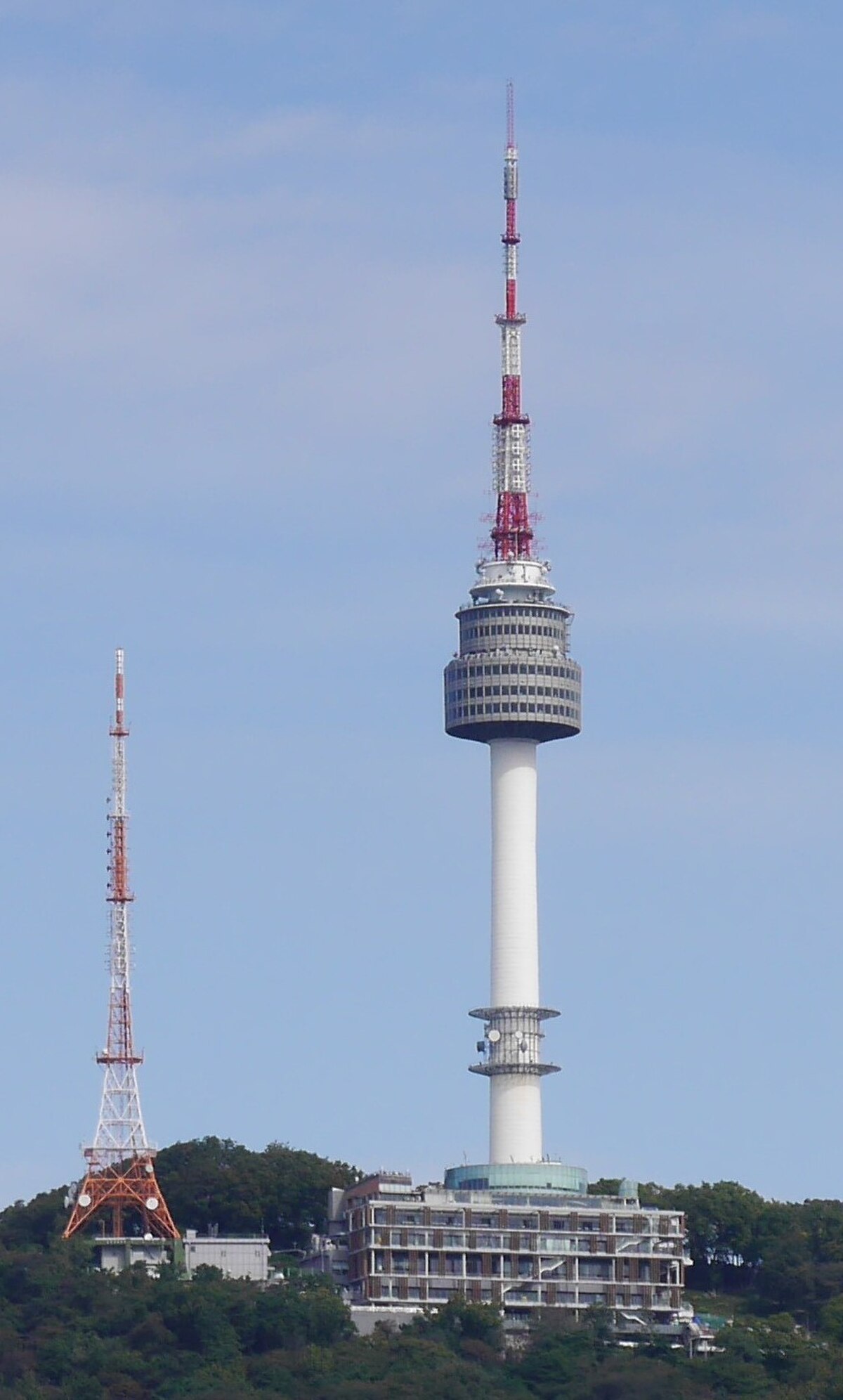
N Seoul Tower: Seoul's Most Iconic Landmark
Perched atop Namsan mountain, N Seoul Tower offers breathtaking 360-degree views of the city and has become a beloved symbol of Seoul's modern romance.
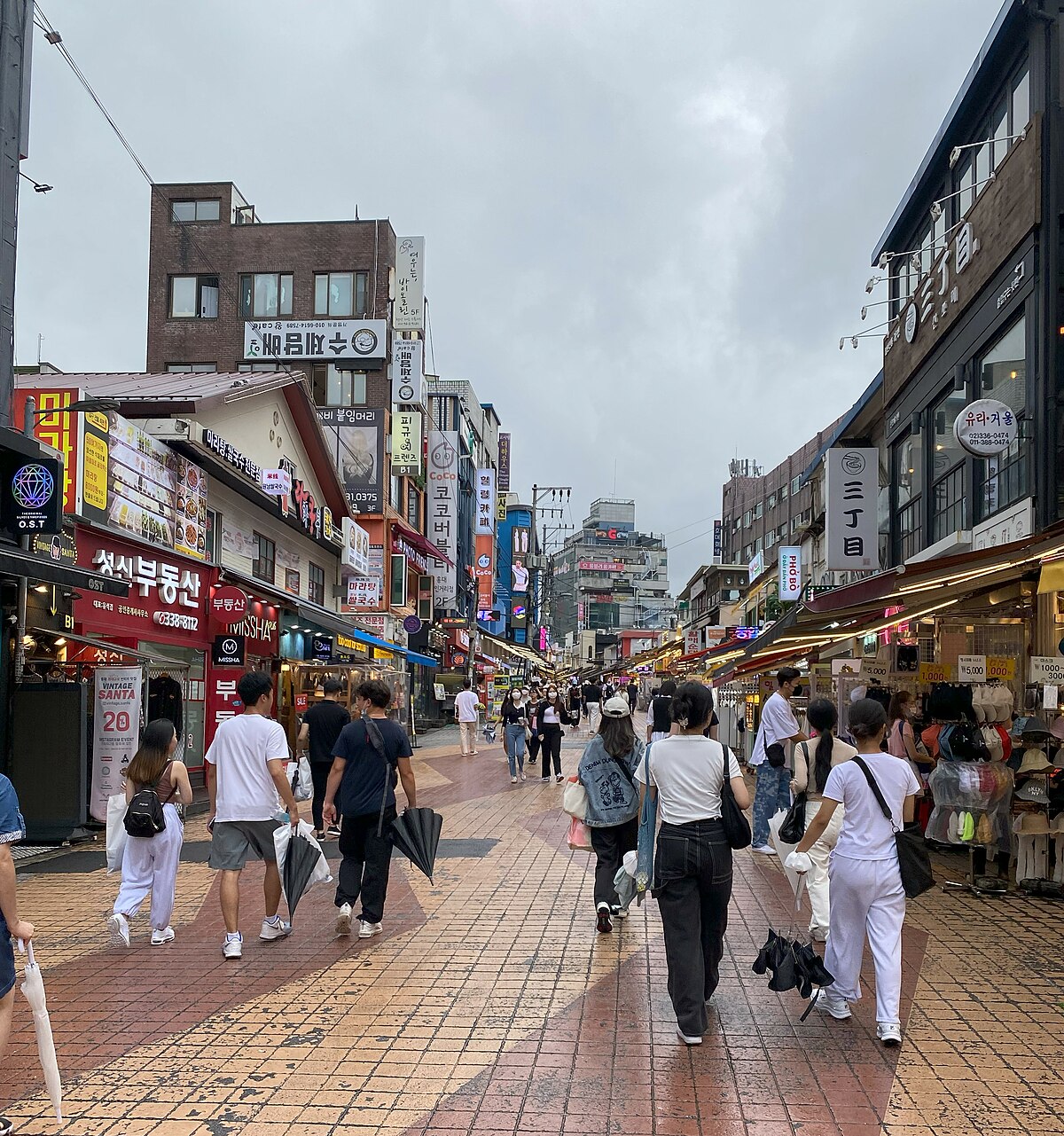
Hongdae: Seoul's Creative Youth Capital
Seoul's most vibrant arts and nightlife district, Hongdae pulses with indie music, street performances, quirky cafés, and the creative energy of Korea's top arts university.
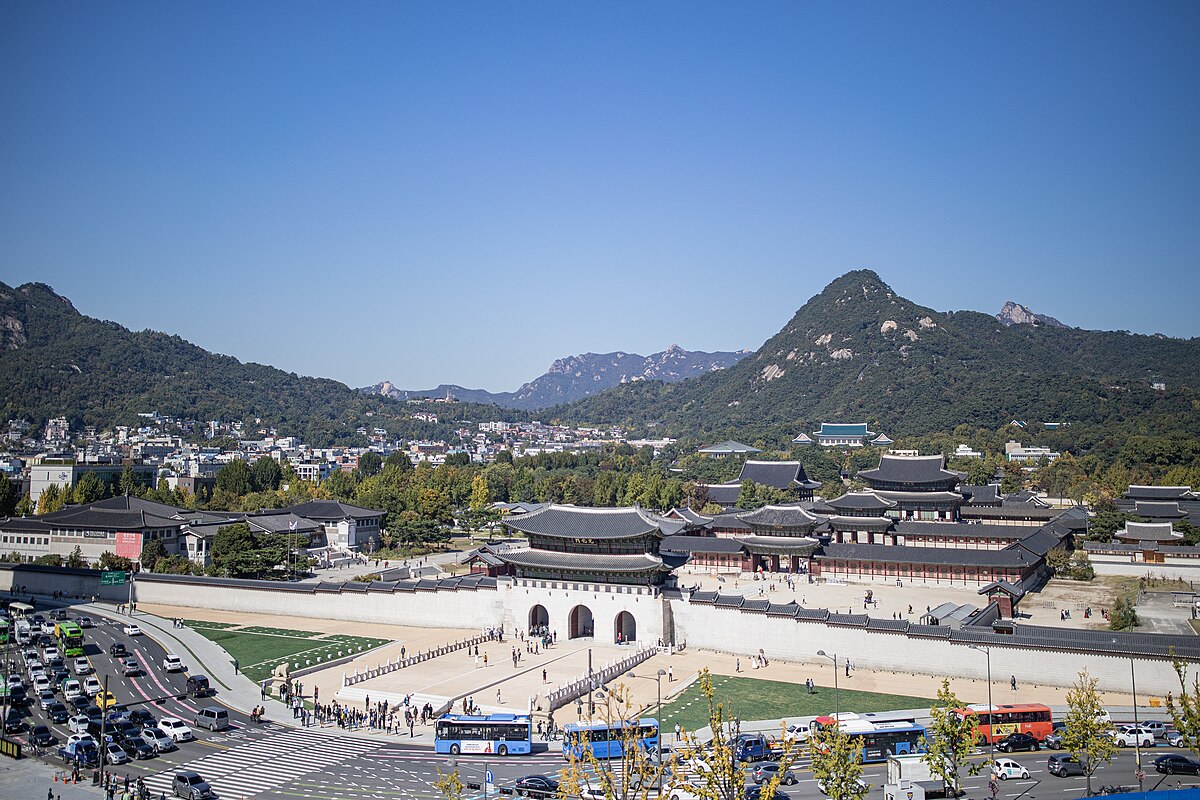
Gyeongbokgung: Seoul's Grand Joseon Palace
The largest and most magnificent of Seoul's Five Grand Palaces, Gyeongbokgung served as the heart of the Joseon Dynasty for over 500 years.