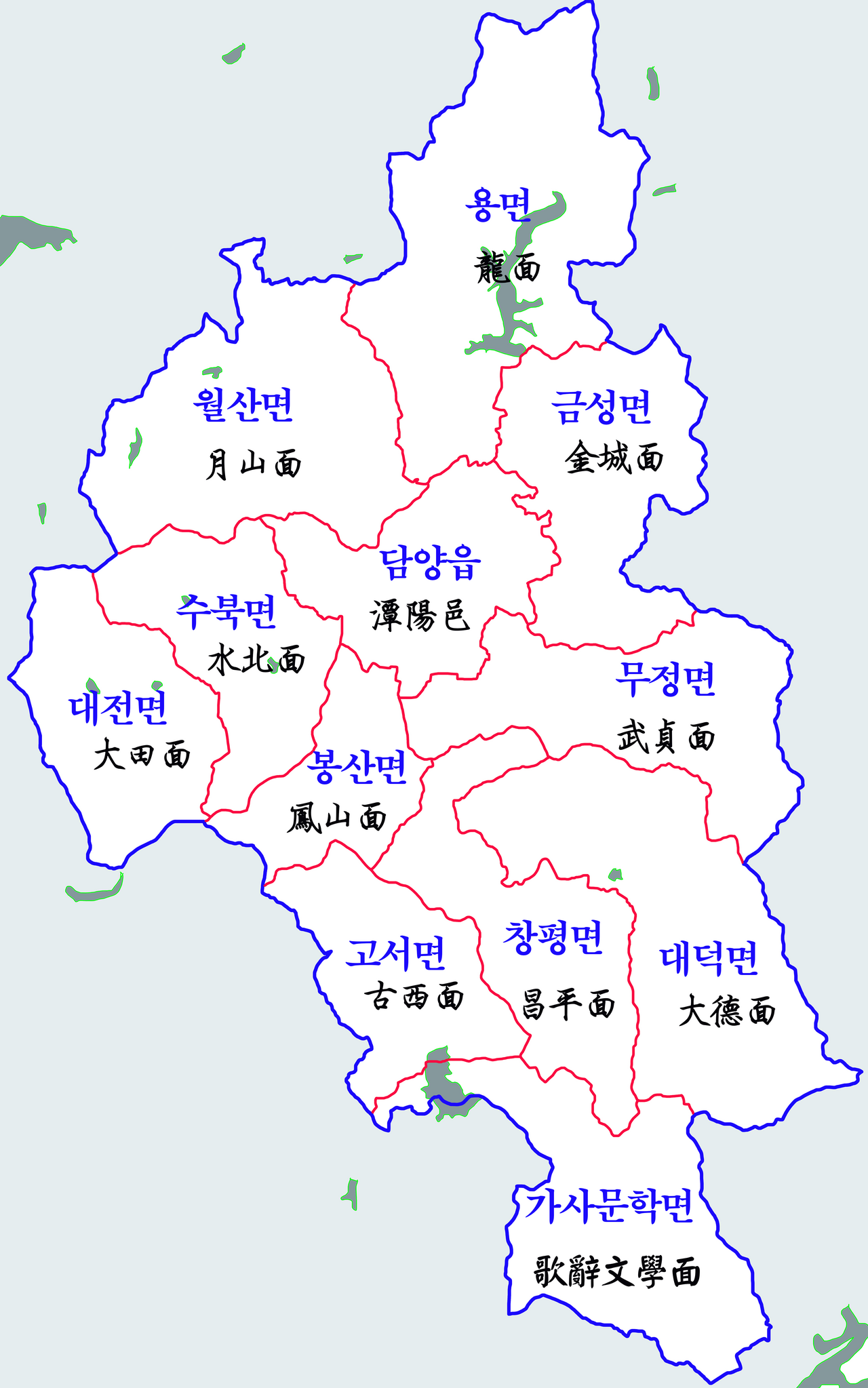
Metasequoia Road: Damyang's Fairytale Tree-Lined Avenue
A 8.5km road flanked by towering metasequoia trees planted in the 1970s, Damyang's Metasequoia Road is one of Korea's most beautiful seasonal landscapes, especially magnificent in autumn.
Photo: Wikipedia Commons
What Is Metasequoia Road?
Metasequoia Road (메타세쿼이아길, Metasequoia Road, also called '담양 메타세쿼이아 가로수길') is a 8.5-kilometer road in Damyang County, South Jeolla Province, lined on both sides by towering metasequoia trees that form a continuous arching canopy overhead. The trees — now 30-40 meters tall after 50 years of growth — create one of the most spectacular tree-lined road experiences in all of Korea, shifting in character through the four seasons from lush green tunnel in summer to blazing rust-gold corridor in autumn to stark bare cathedral in winter. Metasequoia (메타세쿼이아, Metasequoia glyptostroboides), often called 'dawn redwood,' is a deciduous conifer native to China and related to the giant California redwoods. The trees have a distinctive conical shape with elegant feathery foliage, and their tall, straight trunks create a colonnade effect when planted in rows. They are especially beautiful in autumn when the foliage turns from green to orange to deep russet before falling, creating a carpet of color on the road surface. The road runs between National Route 24 near Damyang town and Sunchangju village, passing through a gently rolling agricultural landscape of rice paddies and small farms. The juxtaposition of the extraordinary tree corridor against this simple rural landscape gives the road a fairytale quality — otherworldly trees in an ordinary place.
History & Significance
The metasequoia trees were planted in 1972-1973 as part of a national tree-planting program under the Park Chung-hee government, which aimed to reforest Korea following the deforestation of the Japanese colonial period and the Korean War. Metasequoia was chosen for roadside planting programs for its rapid growth and attractive appearance. For about two decades, the road was simply a pleasant local road used by farmers and villagers. The trees' relatively rapid growth (metasequoia grows 1-1.5 meters per year when young) meant they reached impressive height by the 1990s when awareness of their scenic value began to grow. In 2002, the road was selected as one of Korea's most beautiful roads, and in 2011 it was designated a 'scenic road' by the Ministry of Land, Infrastructure and Transport — the first such designation in Korea. This official recognition sparked a tourism boom that has made Metasequoia Road one of South Jeolla Province's most visited attractions. The popularity has necessitated management — vehicles were banned from the most scenic section to create a pedestrian and bicycle promenade, and visitor facilities (parking areas, cafés) have been developed at either end. The road now attracts particularly large crowds in autumn when its golden color is at its most spectacular.
What to See & Do
Walking or cycling through the main section of the road (the approximately 2km central section that is closed to regular vehicle traffic) is the primary activity. The pedestrian section is wide enough to walk comfortably while cyclists ride through, and both experiences are enhanced by the cathedral-like quality of the tree corridor. The road changes dramatically by season and even by time of day. Morning light filtering through the summer canopy creates dappled light effects that are beautiful for photography. Autumn (November) is the peak photographic season when the orange-gold foliage illuminates the corridor from within. Even in winter, the bare branches create a spare geometric beauty. At both ends of the pedestrian section are visitor facilities including cafés, rental bicycle shops, and food vendors selling local Damyang specialties. Damyang tteok galbi (grilled minced beef on bamboo skewers), bamboo shoot rice, and dakgalbi are local dishes worth trying in the nearby restaurants.
- ·Walk or cycle the pedestrian section of the road in all four seasons for different experiences
- ·Visit in November for the most spectacular autumn foliage display
- ·Photograph in early morning when mist and soft light filter through the tree canopy
- ·Rent a bicycle at one end for a relaxed ride through the tree corridor
- ·Combine with nearby Juknokwon Bamboo Garden for a full Damyang nature day
Visitor Tips
The pedestrian section of Metasequoia Road is accessible at all times and free to walk. Parking lots at either end charge a small fee for vehicles. Rental bicycles are available at the main parking area for approximately 5,000-10,000 KRW per hour. Damyang is accessible from Gwangju by bus (30-40 minutes) or by car/taxi. Autumn (mid-October to mid-November) is the most crowded time, with significantly increased visitor numbers on weekends. Weekday autumn visits or early morning arrivals are recommended for the best experience without the crowds. The road is beautiful and worthwhile to visit in any season except possibly mid-winter when the bare trees, while architecturally beautiful, lack the drama of leafy or colorful seasons. Combine with Juknokwon Bamboo Garden (approximately 2km away in Damyang town) for a full day of exceptional natural scenery in one compact area.
Tips
- 💡November weekday mornings offer peak autumn color with smaller crowds — worth planning for
- 💡Rent a bicycle rather than walking for a faster tour that still lets you stop and photograph
- 💡Combine with Juknokwon in the same town — both together form one of Korea's best half-day nature itineraries
최종 수정: 2026년 3월 30일
이런 글도 있어요
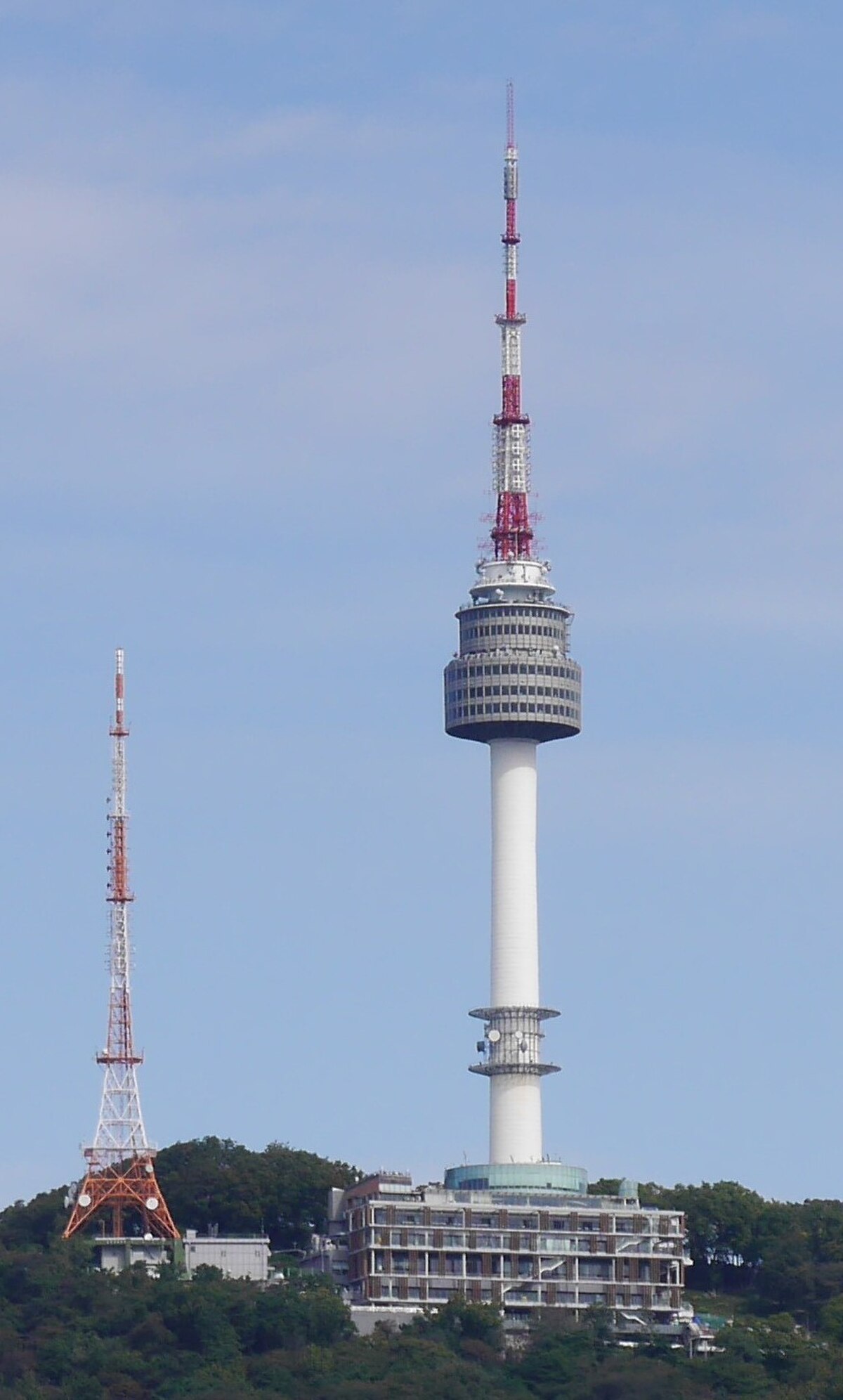
N Seoul Tower: Seoul's Most Iconic Landmark
Perched atop Namsan mountain, N Seoul Tower offers breathtaking 360-degree views of the city and has become a beloved symbol of Seoul's modern romance.
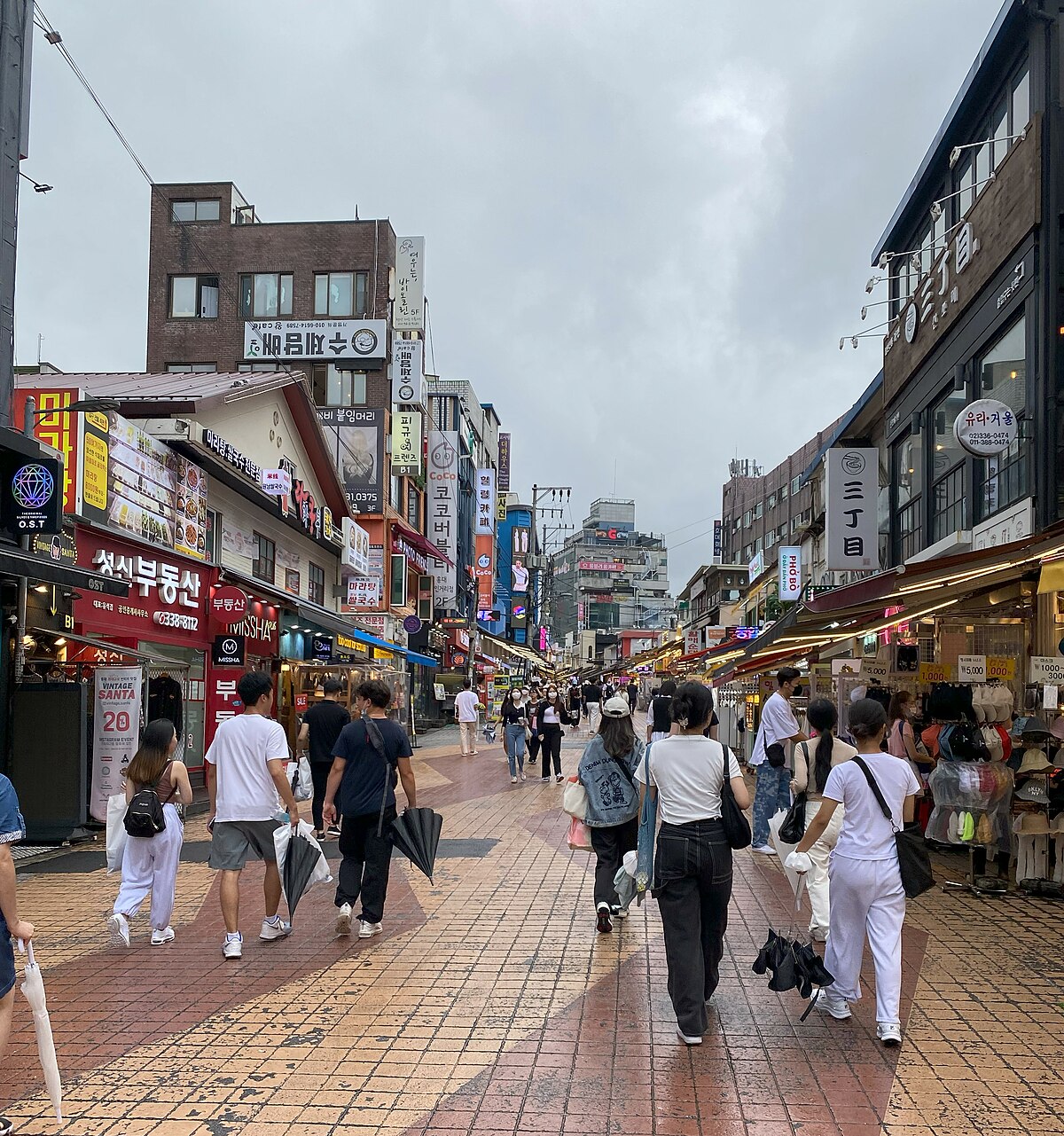
Hongdae: Seoul's Creative Youth Capital
Seoul's most vibrant arts and nightlife district, Hongdae pulses with indie music, street performances, quirky cafés, and the creative energy of Korea's top arts university.
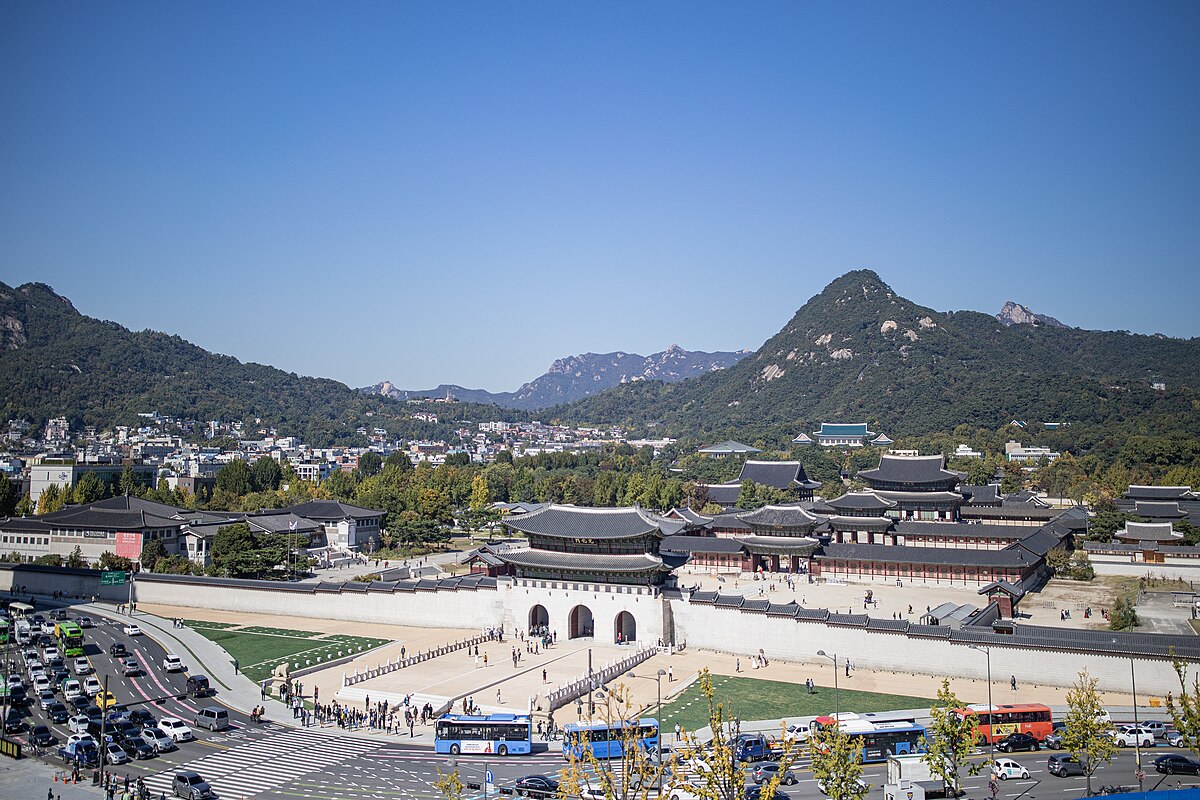
Gyeongbokgung: Seoul's Grand Joseon Palace
The largest and most magnificent of Seoul's Five Grand Palaces, Gyeongbokgung served as the heart of the Joseon Dynasty for over 500 years.